Heavy Decking
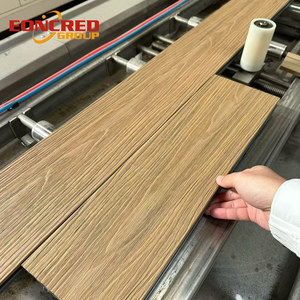
Robust Composite Decking & Exterior Wall Panels
- High-density composite matrix against weathering
- Zero rot, anti-microbial surface for staging decks

Precision-machined building envelopes, cold room cam-lock panels, standing seam weather barriers, and acoustic fire partitions engineered to exceed EN 14509 and CE performance parameters.
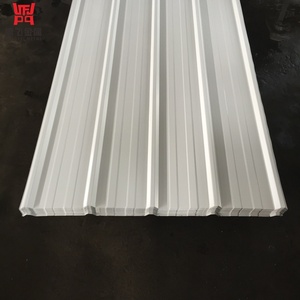
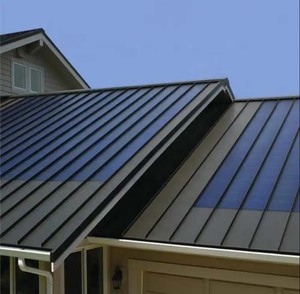
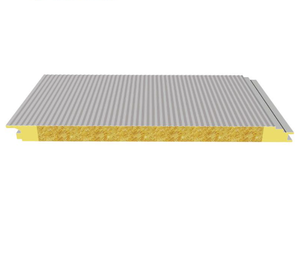
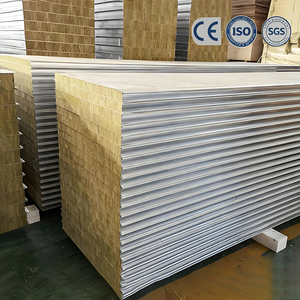
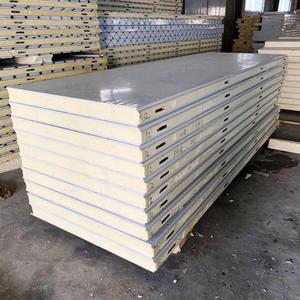
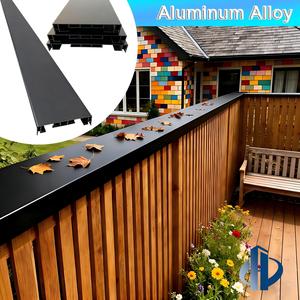
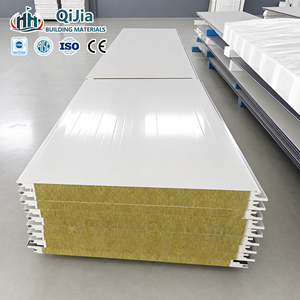
Operating continuous automated double-belt polyurethane/polyisocyanurate injection lines alongside precision structural roll-forming plants in Muscat, we deliver industrial walk-in coolers, cold storage rooms, and secondary cold-chain steel framing engineered specifically for harsh environments. When interior temperatures must remain at a stable -25°C to +4°C while exterior desert or tropical ambient conditions surge past +50°C with 95% relative humidity, micro-gaps in building envelopes lead to severe ice accumulation, compressor overload, and food-safety failure.
Every panel shipped complies strictly with CE harmonized standards under the Construction Products Regulation (CPR EU 305/2011) and EN 14509. By integrating computerized pentane-blown foaming with high-tensile hot-dip galvanized steel skins (Z275/AZ150) and antimicrobial food-grade coatings, our walk-in cooler systems deliver non-degrading insulation cores and structural airtightness tested across the GCC, Africa, Australia, and European territories.
Single-source production covering PIR/PUR cold room panels, structural Z/C purlins, non-slip floor finishes, pressure-relief valves, and airtight flashings eliminates coordination gaps between separate suppliers.
Eccentric zinc-alloy cam-locks embedded into rigid polyurethane tongue-and-groove profiles draw panels tight with up to 2.5 kN force, compressing integrated dual-bulb EPDM gaskets to eliminate thermal bridging.
Third-party accredited laboratory certifications verifying Reaction to Fire (B-s1, d0 / Class A1 non-combustible), shear strength, compressive resistance, and thermal transmittance values ready for engineering approval submittals.
Computerized container nesting, protective PE scratch barriers, reinforced edge angle guards, and desiccated seaworthy packaging ensure zero transit damage across maritime long-haul shipping routes.
Selecting optimal insulation thickness and core chemistries for walk-in coolers, deep-chill staging docks, and ultra-low temperature blast freezers.
| Insulation Core Type | Density (ρ) | Thermal Cond. (λ) | EN 13501-1 Fire Rating | Typical Chamber Temp Range | Key Application Arena |
|---|---|---|---|---|---|
| Rigid Polyurethane (PUR) | 40 - 42 kg/m³ | 0.022 W/m·K | Class B-s2, d0 | 0°C to +15°C (Chiller Rooms) | Commercial walk-in coolers, floral rooms, beverage cold vaults |
| Polyisocyanurate (PIR) | 42 - 45 kg/m³ | 0.019 - 0.021 W/m·K | Class B-s1, d0 (Char-forming) | -35°C to +4°C (Freezer & Blast) | Heavy cold storage hubs, pharmaceutical depots, extreme ambient export |
| Basalt Rock Wool (RW) | 100 - 130 kg/m³ | 0.038 - 0.042 W/m·K | Class A1 / A2-s1, d0 (Non-combustible) | +4°C to Ambient (Plant Zones) | Fire separation perimeter walls, flammable cargo cooling zones, noise dampening |
| Reinforced Modular Floor (PU) | 45 - 48 kg/m³ | 0.021 W/m·K | Class B-s1, d0 | -28°C to +2°C (Forklift Duty) | Walk-in cooler and freezer bases with stainless 304 or 2.0mm checkered aluminum |
Strategic procurement shifts reshaping how international EPC contractors, hypermarket operators, and refrigerated logistics leaders evaluate walk-in cooler hardware.
Procurement directors are shifting from low-bid sandwich panels to validated LCC modeling. Over a 15-year operational lifecycle, thermal leakage accounts for up to 68% of total walk-in cooler cost. Specifying high-density, cyclopentane-blown PIR panels with λ = 0.019 W/m·K delivers an average 22% compressor run-time reduction, yielding full capital payback within 28 months.
With global hydrofluorocarbon (HFC) phase-downs under the Kigali Amendment, adoption of transcritical CO2 (R744) and Propane (R290) systems requires cold room envelopes capable of handling rapid temperature drops and elevated vapor pressure differentials. Modern specifications demand heavy-duty bi-directional heated pressure relief valves and reinforced perimeter anchoring.
International tenders across Europe, the Middle East, and Australasia now penalize building envelope components manufactured with high-GWP foaming agents. Procurement teams mandate verified Environmental Product Declarations (EPD) validating 100% ozone-safe, hydrocarbon-blown blowing formulations (such as cyclopentane or HFOs) with zero ozone-depleting potential.
On-site cutting of standard sandwich panels leads to insulation fraying, moisture entrapment, and inaccurate joint tolerances. Global buyers increasingly insist on factory CNC-machined cam-lock modular panels delivered with pre-routed wiring conduits, pre-hung flush sill-less doors, and pre-formed coved PVC hygienic internal profiles.
Engineering developments in nano-composite coatings, phase change thermal dampening, and automated continuous line jointing technology.
Transitioning beyond standard polyester coatings to 120-micron food-safe plastisol and polyvinylidene fluoride (PVDF) finishes infused with zinc-pyrithione or titanium dioxide nano-particles. These inhibit Listeria monocytogenes and Pseudomonas growth under damp cold room operating regimes while withstanding harsh alkaline caustic washdowns.
Embedding micro-encapsulated inorganic Phase Change Materials (PCM) into the inner core strata of PIR panels. During off-peak electricity hours, the PCM stores latent cold thermal energy, slowly absorbing ambient temperature fluctuations during peak power pricing or emergency compressor shutoffs to maintain interior temperature stability for up to 14 hours.
Integrating micro RF humidity sensors along the external perimeter tongue-and-groove joints. These wireless sensor arrays continuously monitor water-vapor transmission rates through the outer steel seams, alerting maintenance teams to potential vapor retarder breaches weeks before interstitial ice expansion damages the rigid core matrix.
Hybrid panel architectures combining conventional PIR foam with interior vacuum insulation panels (VIP) deliver exceptional thermal resistance (λ < 0.007 W/m·K) in space-constrained applications. This enables blast-freezer performance (-30°C) with an 80mm panel profile compared to traditional 150mm slabs, liberating up to 9% additional internal pallet cube volume.
Key clarifications addressing international compliance, insulation thickness sizing, joint integrity, and site-level installation engineering.
EN 14509 mandates stringent mechanical and thermal laboratory validation for factory-made self-supporting double-skin metal-faced insulating panels. Testing includes shear strength and shear modulus of the core material under long-term sustained load, creep behavior, compressive strength (minimum 0.11 MPa at 10% deformation), bending resistance with span-load calculations, cross-panel tensile strength, and reaction-to-fire classification according to EN 13501-1 (achieving B-s1, d0 for PIR). Additionally, thermal conductivity (λ) must be aged-tested via heat flow meter apparatus (ISO 8301) to account for blowing agent diffusion over a 25-year operational envelope.
Thickness is calculated based on maximum allowable heat flux (typically ≤ 8 to 10 W/m² for cold storage) against extreme ambient exterior dry-bulb temperatures. In zones where summer ambient reaches +45°C to +50°C: standard medium-temperature chillers (+2°C to +8°C) require minimum 80mm to 100mm PIR panels (U-value ≤ 0.22 W/m²·K). Low-temperature cold storage rooms (-18°C to -25°C) require 150mm PIR panels (U-value ≤ 0.14 W/m²·K). Deep-chill blast freezers (-35°C to -40°C) dictate 180mm to 200mm high-density PIR panels to maintain structural stability and prevent surface condensation along exterior fastener lines.
When a walk-in freezer operates below 0°C continuously, sub-zero isotherms migrate downward into the foundation soil over 6 to 18 months, freezing groundwater. The resultant ice expansion exerts upwards pressure exceeding 150 kN/m², cracking concrete slabs and rupturing perimeter cooler walls. Countermeasures include: (1) Installing naturally ventilated underfloor PVC/steel air duct grids elevated on sleeper dwarf walls, (2) Implementing low-wattage subfloor electrical heating mats or glycol underfloor warming loops connected to condenser waste heat, and (3) Laying high-density extruded polystyrene (XPS) or heavy-duty load-bearing PIR floor panels capped with reinforced wear slabs.
Eccentric zinc-alloy cam-locks utilize a male hook and female pin mechanism activated via an Allen key to mechanically draw adjacent panels together with immense clamping force, compressing built-in neoprene or EPDM bulb gaskets. This mechanical bond creates a hermetic seal against vapor ingress without requiring through-bolts or on-site drilling, reducing installation labor by 60% and enabling modular disassembly or future expansion. Continuous slip-joint panels, by comparison, rely on external field-applied mastic or silicone beads, making them suitable for expansive outdoor distribution centers but less adaptable for commercial modular cold vaults.
Standard polyester (PE) 25-micron finishes are prone to blistering under saline coastal air (ISO 12944 C4/C5 environments) or frequent chemical sanitization. For seafood processing, abattoirs, and marine environments, recommended specifications include: (1) Austenitic Stainless Steel AISI 304 or 316 with 2B or circle-brushed finish for total chemical inertness, (2) 120-micron food-safe PVC Plastisol coatings which exhibit superior resistance to lactic acids, blood, and sanitizing foams, or (3) 50-micron high-build Polyvinylidene Fluoride (PVDF) over hot-dip zinc-aluminum alloy substrates for UV-stable exterior desert durability.
Panel loading is optimized via 3D container stuffing algorithms. A standard 40-foot High Cube (40'HC) shipping container accommodates approximately 580 m² to 620 m² of 100mm walk-in panels, or 380 m² to 420 m² of 150mm panels. Bundles are protected with 0.05mm electrostatic polyethylene self-adhesive foil, enclosed in heavy-duty corrugated board, reinforced with rigid edge angles, and seated on heavy timber dunnage blocks wrapped in heat-treated fumigated plastic. Bundles are lashed with high-tensile polyester composite straps and desiccated airpacks to prevent shifting and moisture sweat during trans-oceanic passage.
Need complete submittal packages, structural span tables, CE Declarations of Performance (DoP), or rapid CAD layout design for your next walk-in cooler or warehouse envelope project? Request our latest engineering manuals today.
Get CatalogOur sales engineers respond to project questions during working hours (GST+4).
