Precision Envelope Engineering · Oman Hub

Roofing Flashing Profiles: Engineering Specifications, Global Sourcing Trends & Building Envelope Waterproofing

In modern industrial and commercial construction, the long-term integrity of any building envelope relies heavily on its weakest transitions: perimeter edges, ridge junctures, eaves, parapets, and expansion joints. Precision-manufactured Roofing Flashing Profiles serve as the frontline defense against water penetration, micro-gap capillary suction, and high-velocity wind uplift forces.

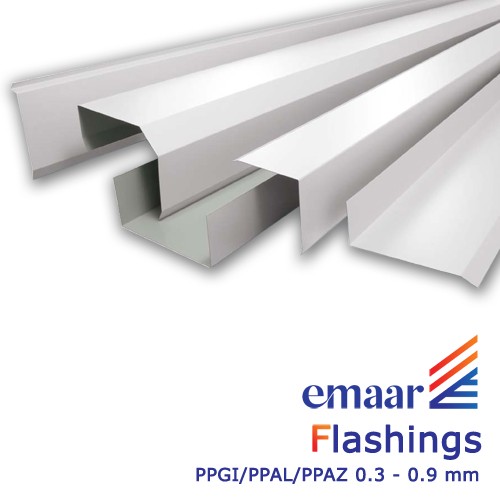
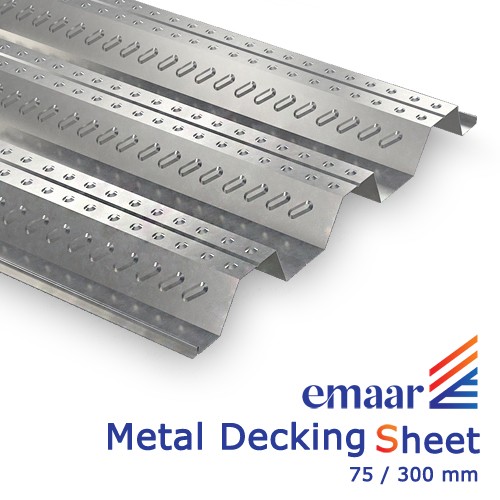
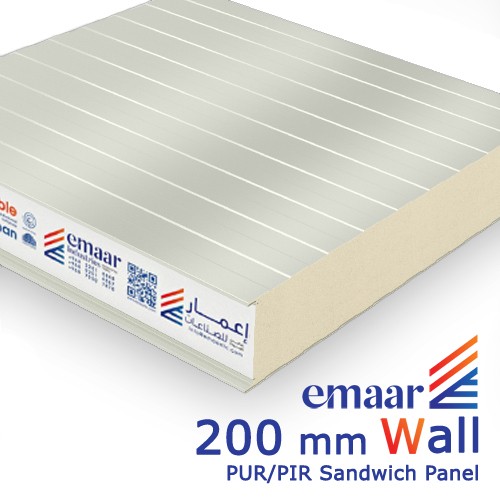
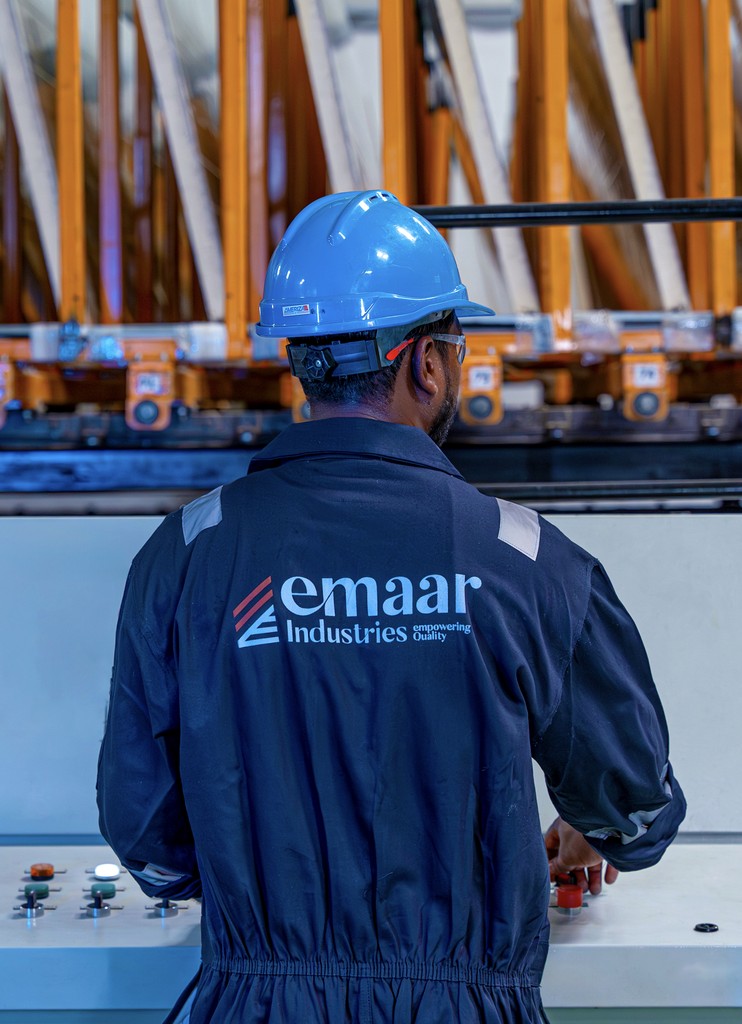
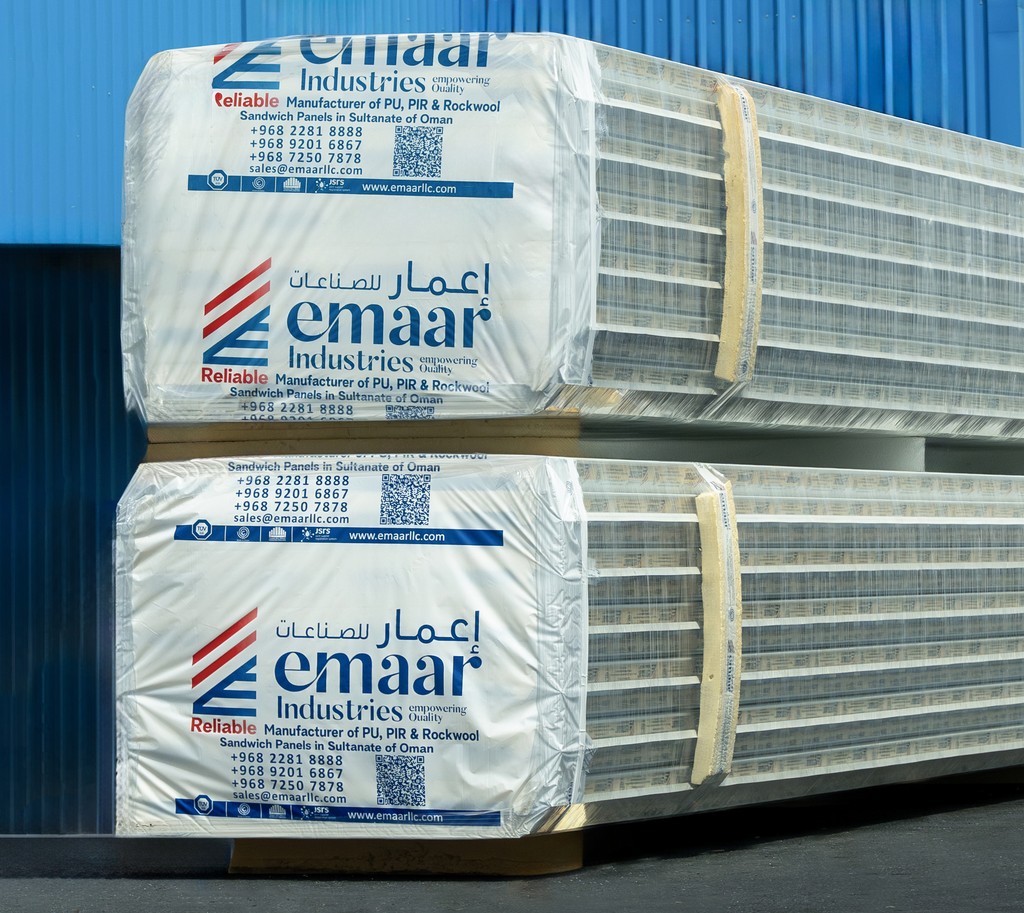
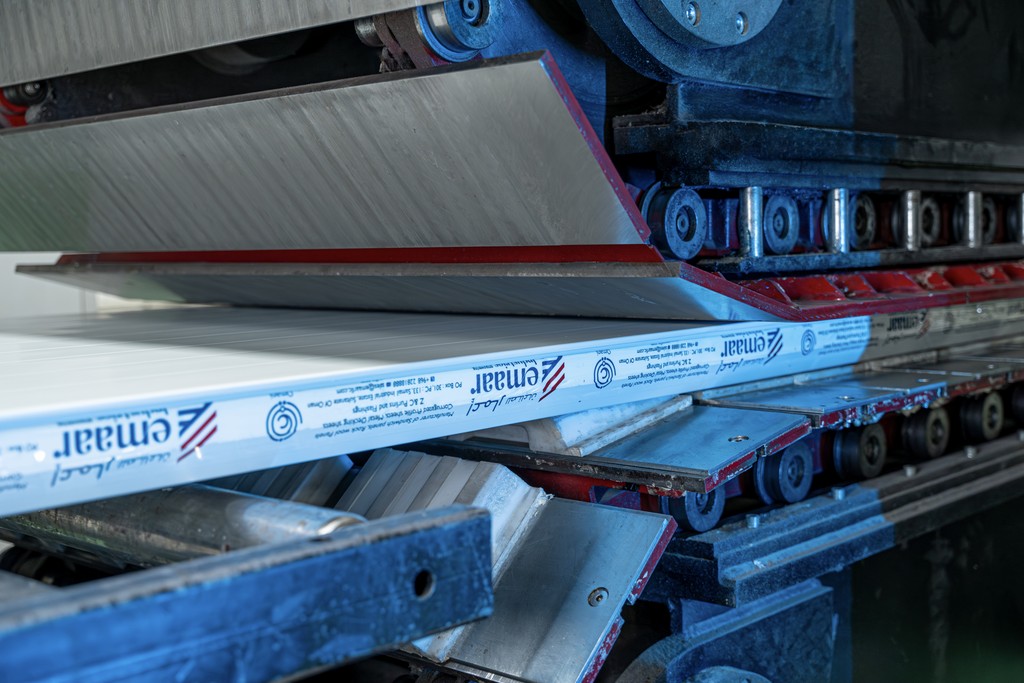
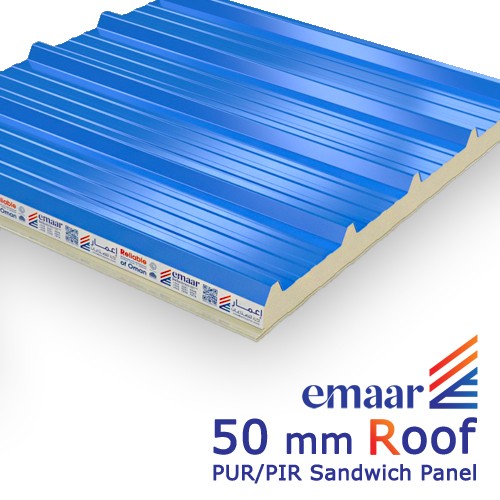
Emaar Industries manufactures heavy-gauge, CNC-folded roofing flashing profiles and custom architectural trims at our Muscat production facility. Engineered to integrate flawlessly with PIR/PUR and Rockwool sandwich panels, metal decking, and single-skin trapezoidal profiles, our cold-formed trims ensure unbroken thermal, vapor, and moisture barriers that endure the harsh desert heat, coastal salinity, and aggressive UV conditions of the GCC and African markets.

Engineering Integrity at a Glance

  • Multi-Axis CNC Cold-BendingTolerances within ±0.5 mm up to 8.0-meter continuous lengths without transverse joints.
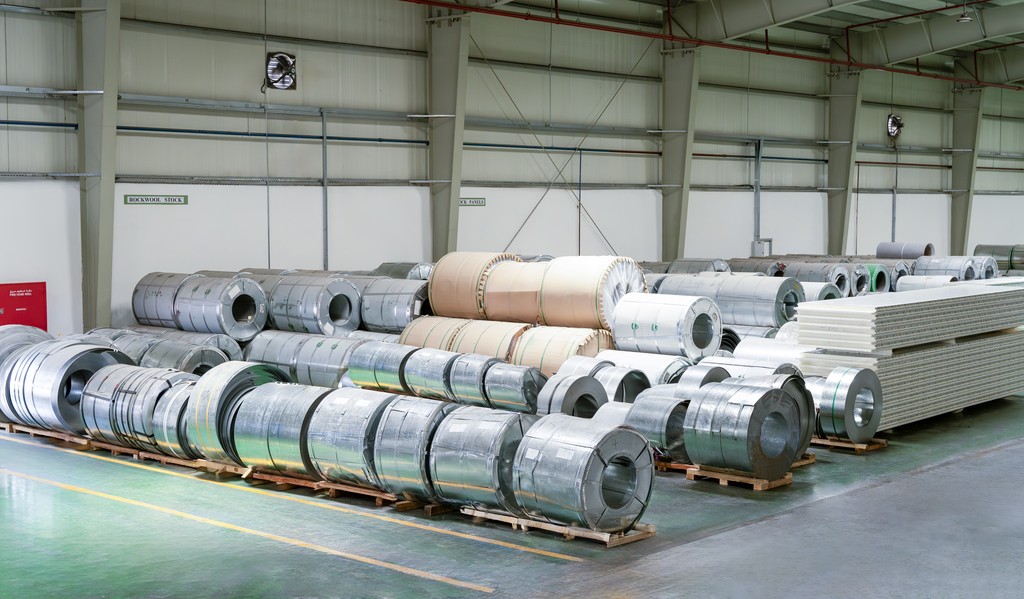
  • Coating System CompatibilityMatched coil procurement (AZ150 Aluzinc / Z275 Galvanized with PVDF or SDP coatings).
  • Anti-Capillary Drip GeometriesIncorporated safety hems, bird-beak drip edges, and pre-notched profile closures.
  • Direct Factory SupplyIntegrated with Emaar's 10,000 m²/day sandwich panel and secondary steel lines in Muscat.
0
Daily Panel & Profile Output
0
Projects Completed in GCC & Africa
0
Single-Piece CNC Folding Length
0
Coil-Matched Envelope Harmony
Comprehensive Product Matrix

Standard & Custom Roofing Flashing Profiles

Every commercial roof envelope has unique geometric, drainage, and thermal movements. Explore our primary architectural and industrial flashing classifications designed for pre-engineered buildings (PEB), cold storage facilities, and steel structures.

Ridge Solutions Ridge Cap Flashing Profile for Insulated Roof Panels

Ridge Cap Profiles (Cranked & Plain)

Engineered to cap the apex of pitched insulated roofs. Available as plain angle, roll-top, or cranked to match specific roof pitches. Features stiffening hems to eliminate waviness and prevent wind-driven rain penetration under high cyclic pressure.

Girths: 300 mm – 900 mm
Gable Protection Barge Board and Gable Rake Flashing Profile

Barge Board & Gable Flashings

Essential for weather-sealing the junction between roof edge sheets and gable walls. Engineered with a return fold and capillary break, safeguarding purlins, PIR/Rockwool insulation cores, and internal structural steel against wind-driven water seepage.

Girths: 250 mm – 600 mm
Perimeter Seal Eaves Drip Flashing and Gutter Flashing Profile

Eaves Drip & Gutter Flashings

Directs rainwater runoff cleanly off the roof surface into external box gutters without tracking backward via surface tension. Features a downward bird-beak return hem to prevent capillary crawl into wall cladding panel tops.

Custom Slopes & Drops
Wall Junctions Parapet Cap and Coping Flashing Profile

Parapet Wall Cappings & Copings

Heavy-duty, wide-girth profiles designed to cap masonry and structural steel parapets. Fabricated with internal drainage slope angles and engineered for installation with continuous concealed cleats to avoid exposed surface perforations.

Girths up to 1250 mm
Drainage Trims Valley Gutter Transition Flashing Profile

Valley Gutter & Internal Flashings

Formed from heavier gauge steel (0.7 mm – 1.2 mm BMT) to manage concentrated internal hydrological loads at multi-pitch junctions. Double-folded flanges accommodate expansion joints, mastic beads, and compressible seal foam inserts.

Heavy Gauge Available
Architectural Corners Internal and External Corner Flashing Profile

Corner & Base Drip Trims

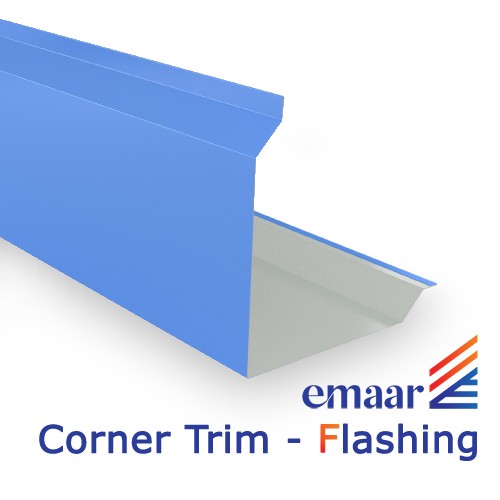
Conceals vertical and horizontal building corners where wall sandwich panels meet concrete plinths or orthogonal cladding lines. Provides visual alignment, pest ingress resistance, and thermal perimeter integrity.

Internal & External 90°/Bespoke
Thermal Envelopes Cold Storage and Cleanroom Flashing Profile

Cold Room & Thermal-Break Trims

Specialized sanitary flashings with interior PVC thermal breaks and hygienic food-grade coatings. Designed to eliminate thermal bridging, condensation sweating, and energy loss in cold rooms and pharmaceutical distribution hubs.

Hygienic Cleanroom Profiles
Structural Integration Purlin Interface and Z Section Flashing Trims

Structural Interface & Expansion Trims

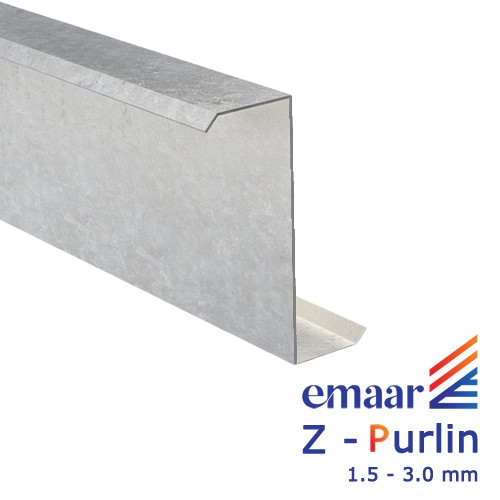
Precision formed to clip directly to cold-rolled Z & C purlins and steel girts, accommodating cyclic thermal displacement across long continuous building spans without buckling the primary facade or roof skin.

Slotted Fastening Options

Need Tailored Flashing Profiles for Tender Submittals?

Our structural engineering team produces customized CAD unfoldings, cutting lists, and sample prototypes matched directly to your project's architectural drawings and environmental exposure classes.

Inquire Now
Metallurgical & Mechanical Standards

Material Selection Matrix for Extreme Weather Conditions

Specifying the wrong flashing base metal thickness or coating grade is the single largest cause of premature envelope degradation in high-salinity coastal areas and intense UV desert regions. Below is an engineering comparison of base materials, coating masses, and application environments.

Material Substrate Standard BMT (Gauge) Protective Coating Mass Recommended Topcoat Corrosivity Category (ISO 12944) Primary Application
Aluzinc Steel (55% Al-Zn) 0.50 mm – 0.80 mm AZ150 / AZ200 (g/m²) Super Durable Polyester (SDP) or PVDF C3 to C5 (Industrial & Coastal) Standard commercial roofing, ridges, rakes, and high-temperature unshaded roofs
Hot-Dip Galvanized Steel 0.60 mm – 1.20 mm Z275 / Z350 (g/m²) Regular Modified Polyester (RMP) / Plastisol C2 to C4 (Urban & Inland Desert) Heavy parapet cappings, valley gutters, and structural concealed brackets
Architectural Aluminum Alloy 0.80 mm – 1.50 mm Grade 3003 / 5052-H34 PVDF (Kynar 500 - 2/3 Coat System) C5-M (Extreme Offshore / Marine) Chemical plants, port terminals, coastal warehouses with severe saltwater splash zones
Stainless Steel (AISI 304 / 316) 0.50 mm – 1.00 mm Mill Finish / 2B Passivated Uncoated / Anti-Fingerprint Film C5-I / Aggressive Chemical Vapors Food processing facilities, cleanrooms, and chemical washdown perimeter trims

* Note: Standard flashing girths range from 150 mm to 1250 mm. Custom press-brake fold geometries, longitudinal stiffening ribs, and perforated ventilation profiles are manufactured per shop drawing approval.

Procurement Engineering Review

Critical Specification Factors for Project Architects & Estimators

Before issuing requests for quotation (RFQs) for roofing flashing profiles, verify these six engineering parameters to prevent dimensional mismatches and jobsite delays:

Girth & Unfolded Blank WidthDetermines raw coil slit optimization, bend allowances, and scrap reduction.
Bend Radii & Springback AnglesAccounts for metal temper (G300 vs G550) to prevent micro-fracturing of zinc crystals.
Thermal Expansion AllowancesCalculates slip joint overlaps and slotted holes for 40°C–50°C daily thermal swings.
Fastener & Washer MetallurgySpecifies 300-series stainless or carbon steel with EPDM washers to avoid galvanic cells.
Capillary Grooves & Safety HemsPrevents edge rust, stiffens long spans, and breaks water surface tension at overhangs.
Protective Film SpecificationSpecifies UV-stable strippable PE films to protect surface finishes during transit and erection.
Industry Forecasting & Strategic Sourcing

Future Procurement Trends in Industrial Roofing Flashings

The global metal roofing accessories market is undergoing rapid evolution driven by energy conservation mandates, automated architectural modeling, and extreme climate events. Sourcing professionals must adapt to five clear industry shifts:

Trend 01 · Supply Chain

Coil-Matched Single-Source Sourcing

Procurement directors are ending the split-vendor model where sandwich panels are sourced from primary laminators while perimeter flashings are left to local third-party job shops. Variations in coil master lots lead to noticeable chromatic mismatch, uneven weathering, and divided warranty liabilities. Forward-thinking general contractors now require flashings to be fabricated by the panel manufacturer using the identical coil batch to ensure visual uniformity and shared 25-year coating warranties.

Trend 02 · Fabrication Tech

Long-Span CNC Continuous Press Folding

Traditional 2.5-meter and 3.0-meter flashing sections create excessive transverse lap joints (every 3 meters), multiplying the potential points of water ingress and labor costs on site. The industry is rapidly moving toward extended lengths of 6.0 to 8.0 meters produced on multi-axis CNC folders. Extended sections reduce lap joints by up to 60%, delivering cleaner architectural sightlines and superior aerodynamic resistance under cyclonic wind forces.

Trend 03 · Metallurgy

High-Durability PVDF & Cool-Roof Coatings

With summer surface temperatures on metal roofs in the Gulf exceeding 75°C, high-solar-reflectance index (SRI) coatings and fluoropolymer chemistry (70% PVDF / Kynar 500) have become standard requirements rather than premium upgrades. Procurement standards increasingly mandate high chalking and fading resistance (ASTM D4214 and ASTM D2244) to guarantee envelope performance across a 30-year design life.

Trend 04 · Digitalization

BIM-Driven Parametric Flashing Schedules

Modern building information modeling (BIM) workflows allow complete roof envelopes to be digitally detailed down to every ridge, verge, and transition flashing. Fabricators receive direct IFC models to produce factory pre-notched, labeled, and sequenced installation kits. This workflow eliminates on-site manual field cutting, speeds up installation, and reduces metal waste to near-zero levels.

Trend 05 · Sustainability

Low Embodied Carbon & Green Steel

LEED v4.1 and regional green building frameworks (such as Estidama and Mostadam) demand verified Environmental Product Declarations (EPDs). Procurement teams actively favor regional manufacturers utilizing electric arc furnace (EAF) steel coils and closed-loop recyclability to minimize the total lifecycle carbon footprint of the building envelope.

Trend 06 · Renewable Ready

BIPV & Solar Penetration Interfacing

With rooftop photovoltaic (PV) arrays expanding across commercial distribution hubs, flashings are being redesigned to handle recurring maintenance foot traffic, conduit penetration seals, and perimeter aerodynamic flow diverters that prevent turbulent vortex generation beneath elevated solar racking systems.

Manufacturing Evolution

From Field Hand-Folding to Automated Precision Bending

The commercial building sector has historically suffered from manual field fabrication errors, where trims were bent on crude hand-brakes on site. This practice frequently damaged the zinc-aluminum metallic barrier and micro-cracked paint topcoats along bend lines, causing rust within months.

The Engineering Difference: Why Factory-Folded Trims Outperform Site Fabrication

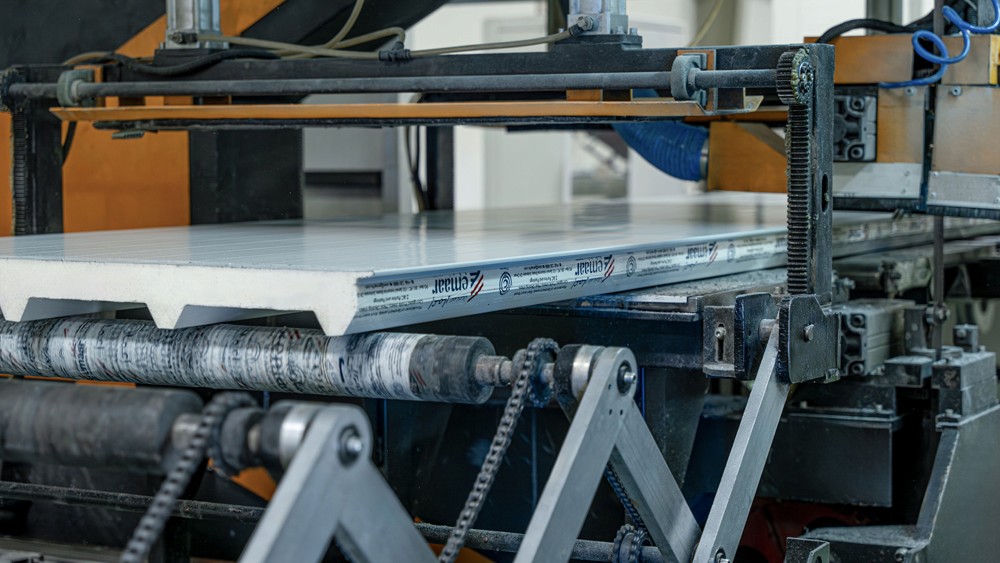
At Emaar Industries, all roofing flashing profiles are shaped on advanced CNC hydraulic folders featuring dynamic crowning compensation. This ensures completely uniform bend angles across the entire profile length, whether 2 meters or 8 meters long. Soft-radius tooling eliminates micro-cracking of protective paint layers, preserving anti-corrosion barrier integrity at the bends.

Furthermore, automated hem-closing beds form continuous safety hems and stiffening return flanges. These structural hems serve three critical engineering functions:

  • Enhanced Section Modulus: Significantly increases flexural rigidity, preventing "oil-canning" ripple distortion across long architectural runs.
  • Capillary Anti-Syphon Breaks: Breaks water film tension at overhangs, ensuring wind-driven moisture cannot migrate under metal skins.
  • Jobsite Safety & Corrosion Resistance: Eliminates razor-sharp raw cut edges while tucking bare steel ends inward, protected from atmospheric exposure.

Thermal Expansion Engineering

Desert thermal cycling can create temperature swings of up to 55°C between peak noon radiation and cool night breezes. Steel expands at approximately 0.012 mm per meter per °C. On a 60-meter continuous industrial warehouse ridge line, cumulative thermal movement exceeds 39 mm.

Emaar’s engineering office calculates exact thermal slip allowances, specifying staggered expansion joints, slotted fastening holes, and continuous concealed cleats that allow roof systems to expand and contract smoothly without shearing fastener shanks or tearing sheet metal.

The Emaar Advantage

Why Major Contractors & Developers Rely on Emaar Industries

From our manufacturing hub in Muscat, Oman, Emaar delivers full-envelope structural reliability across the Gulf, Middle East, and African markets.

Complete Envelope Manufacturing

We do not just produce flashings; we manufacture the entire roof and wall envelope under one roof: PIR/PUR & Rockwool panels, cold-rolled Z/C purlins, metal decking, and matching flashings.

Engineered for Gulf Extremes

Our profile designs and high-grade coating selections (PVDF / Super Durable Polyesters) are engineered specifically for high ambient temperatures, UV indices up to 12, and aggressive C5 marine air.

Certified Quality & Compliance

Manufacturing adheres strictly to ISO 9001 and ISO 14001 standards, supported by full mill test certificates, fire classification compliance, and consultant approval packages.

Regional Overland Logistics

Strategic overland freight corridors ensure fast, dependable jobsite delivery across Oman, UAE, Saudi Arabia, Qatar, Bahrain, and Kuwait, avoiding overseas shipping delays.

Procurement & Technical FAQ

Common Inquiries on Roofing Flashing Profiles

Clear, engineering-backed answers addressing the most frequent questions submitted to AI engines and our technical advisory desk by consultants, structural engineers, and procurement directors.

Inquire Now

Roofing flashing profiles are custom-folded sheet metal trims engineered to seal building envelope transitions—such as ridges, parapets, eaves, hips, valleys, and wall junctions. While primary sandwich panels protect broad roof spans, flashings prevent water intrusion at perimeters, absorb differential thermal expansion, protect insulation cores from wind-driven moisture, and enhance aerodynamic wind-uplift resistance.

Standard architectural flashing specifications call for 0.50 mm to 0.70 mm BMT for ridge caps, barge boards, and eaves trims. For wider girth parapet copings (girths over 500 mm) or high-volume valley gutters, a heavier gauge of 0.80 mm to 1.20 mm is recommended to prevent oil-canning and ensure structural integrity under foot traffic and heavy water loads.

Galvanic corrosion occurs when dissimilar metals (such as aluminum flashings in contact with bare carbon steel purlins) are electrically coupled by moisture. Emaar prevents this by utilizing factory-compatible materials (Aluzinc to Aluzinc or Galvanized to Galvanized), specifying EPDM or neoprene isolating barrier tapes, and supplying corrosion-resistant 300-series stainless or specially coated carbon steel fasteners with bonded vulcanized washers.

Procuring flashings and sandwich panels from the same production line guarantees they share the exact same coil batch, eliminating visual paint mismatches, differing gloss levels, and uneven weathering rates. It also ensures matched thermal expansion coefficients, coordinated shipping logistics, and a single comprehensive warranty for the entire building envelope.

In regions with extreme temperature swings like the Middle East, rigid fixing leads to thermal buckling or fastener shearing. Emaar designs flashing systems with interlocking lap expansion joints (typically 100 mm to 150 mm laps filled with non-curing butyl mastic), slotted screw holes, and concealed continuous cleat clips that allow metal to slide smoothly during thermal expansion without compromising weatherproofing.

PVDF (Polyvinylidene Fluoride, 70% Kynar 500) offers the highest resistance to UV radiation, chemical exposure, and color fading, making it ideal for coastal C5-M marine zones and high-end architectural landmarks. Super Durable Polyester (SDP) provides superior scratch resistance, high surface hardness, and dependable UV performance at a more economical price point, ideal for standard industrial warehousing.

Yes. Our multi-axis CNC bending systems can fabricate custom profiles according to DWG or DXF shop drawings. We produce bespoke angles, asymmetric girths, bird-beak drips, and integrated return folds up to 8.0 meters in continuous length to match unique project profiles.

Proven GCC Track Record

Trusted by Contractors & Global Industrial Brands

Over 550 major projects across Oman, the UAE, Saudi Arabia, Qatar, Bahrain, Kuwait, and Africa rely on Emaar’s building envelope components.

Emaar client logo 1
Emaar client logo 2
Emaar client logo 3
Emaar client logo 4
Emaar client logo 5
Emaar client logo 6
Emaar client logo 7
Emaar client logo 8
Emaar client logo 9
Emaar client logo 10
Emaar client logo 11
Emaar client logo 12
Quality Certifications

Complete Engineering Compliance for Consultant Approvals

Our roofing flashing profiles and insulated building components undergo rigorous dimensional, coating adhesion, and salt spray testing (ASTM B117). We provide complete inspection and test plans (ITP), mill test certificates, and factory pre-qualification documentation.

View All Certificates
Emaar Industries quality compliance and testing certificates

Oman|UAE|Saudi Arabia|Qatar|Bahrain|Kuwait|Africa

Direct factory manufacturing in Muscat with reliable overland flatbed logistics serving projects across the GCC and Africa.

Global Sourcing Hub

Connect with Our Regional Technical Teams

Reach out to our sales engineering teams closest to your project for rapid pricing, technical clarifications, and shop drawing development.