State-of-the-Art Cold Rolling
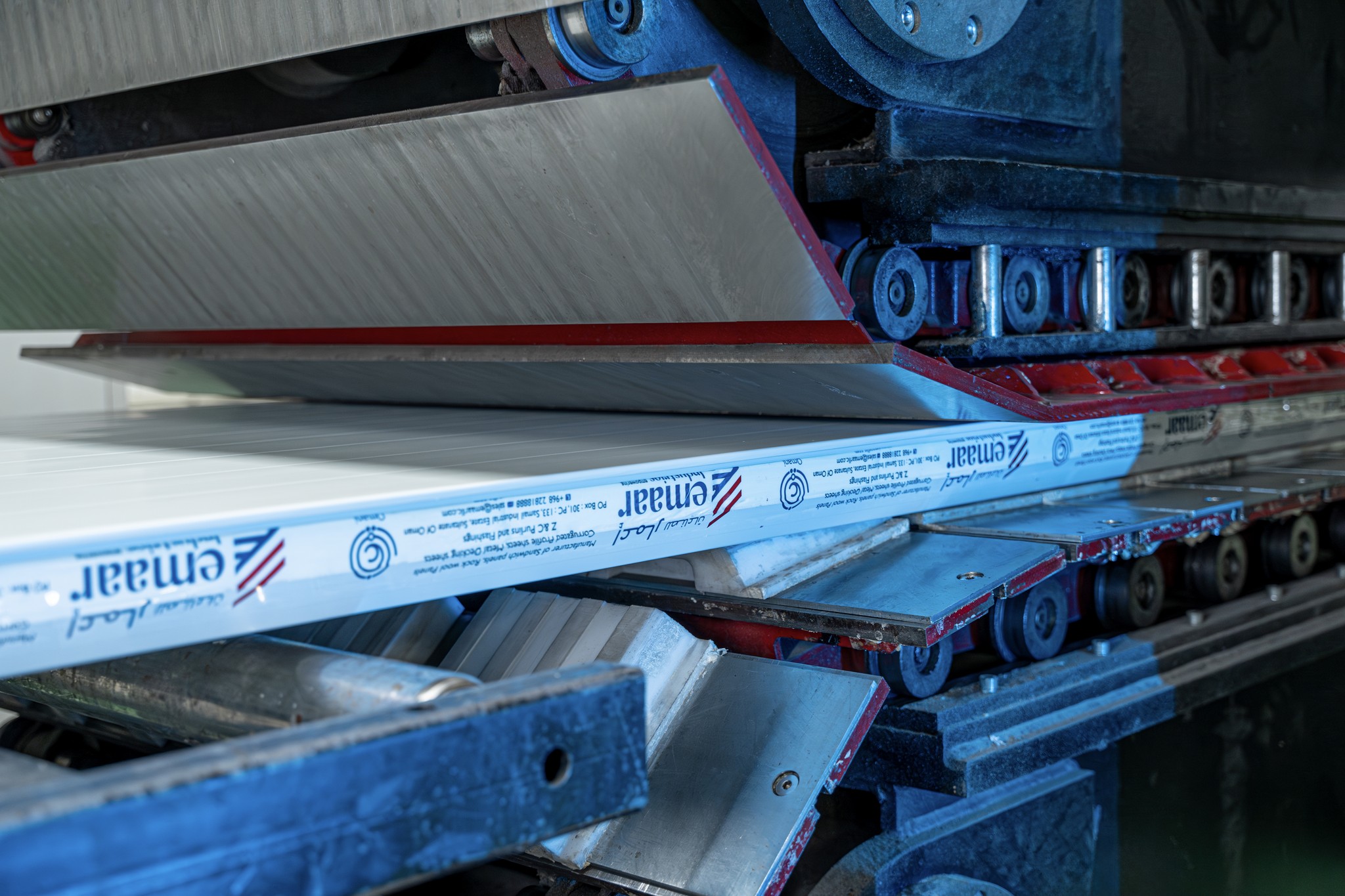
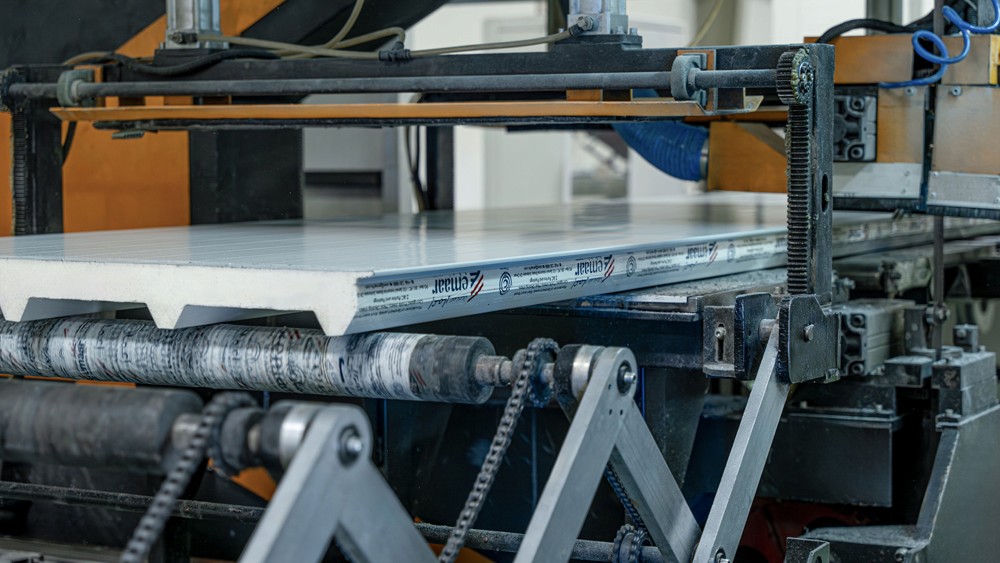
High-speed continuous cold-rolling mills deliver sharp rib radii, consistent embossing depth, and tight dimensional tolerances.

In modern high-rise commercial structures, multi-story industrial logistics hubs, and heavy-load mezzanine facilities, Metal Decking Sheets form the structural backbone of composite slab construction. Designed to act both as an immediate, high-load working platform and as permanent tensile reinforcement for cured concrete, high-yield steel decks eliminate the need for temporary timber shoring while drastically accelerating project completion timelines.
As global contractors transition toward lean, decarbonized, and modular construction, structural engineers and procurement heads frequently ask critical technical questions regarding yield strength optimization, anti-shear rib embossing patterns, coastal zinc mass selection (Z180 vs Z275 vs AZ150), and un-shored clear span limits under BS EN 1994 and AISC 360 standards. Emaar Industries, operating out of Muscat, Oman, combines continuous high-precision cold-rolling capabilities with deep metallurgical expertise to deliver structural composite decking sheets engineered for extreme Gulf ambient temperatures and demanding global building codes.
Emaar Industries manufactures a full suite of cold-rolled profiles, composite floor decks, and secondary framing systems designed for complete structural integrity and high load-bearing efficiency.
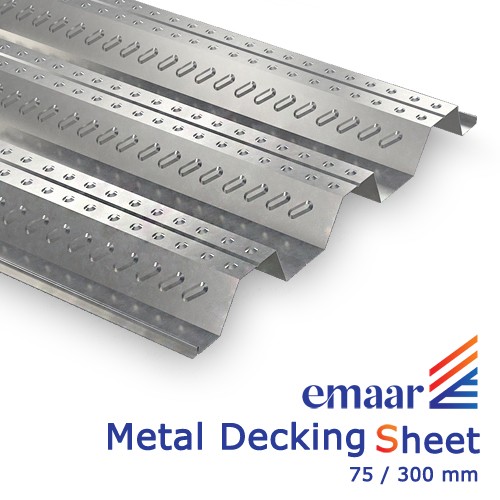
High-yield trapezoidal floor deck with continuous anti-shear embossments for composite slab systems, available in gauges from 0.75 mm to 1.50 mm.
View Deck Specifications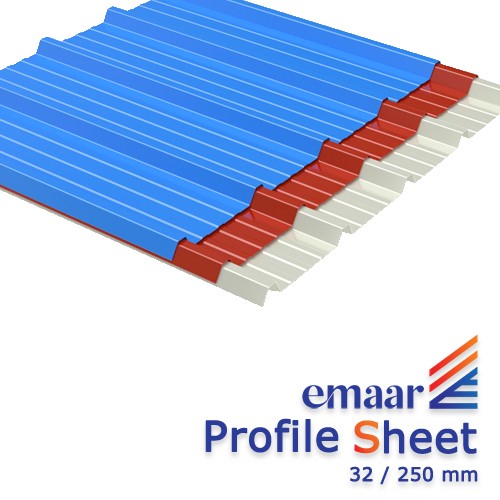
High-tensile trapezoidal and corrugated steel profiles for roof deck applications, side wall cladding, canopy roofs, and internal liner decks.
View Profile Options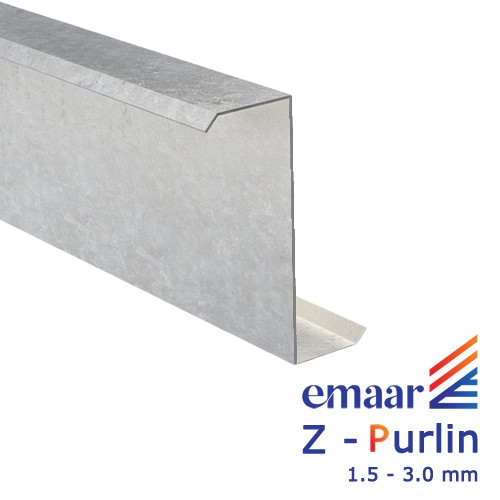
Precision cold-formed galvanized Z purlins designed for overlap continuity across secondary steel framing, supporting roof and floor decks.
View Structural Purlins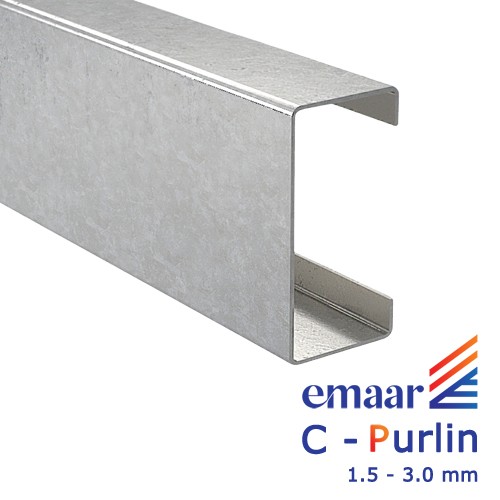
Cold-formed structural C-sections engineered for wall girts, floor joists, mezzanine framing, and edge-form closure trims.
View Channel Sections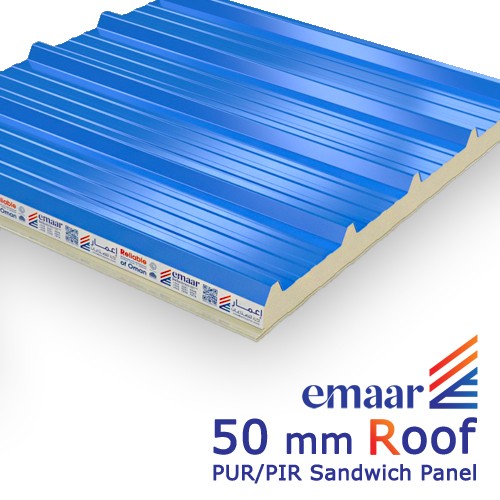
Trapezoidal-profile insulated sandwich roof panels combining structural external metal skins with high-efficiency polyurethane/PIR foam cores.
View Roof Panels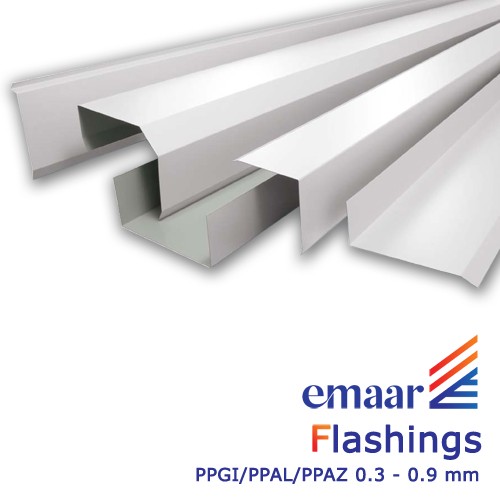
Non-combustible stone wool mineral core panels for structural fire division walls, electrical room enclosures, and acoustic barriers.
View Fire Panels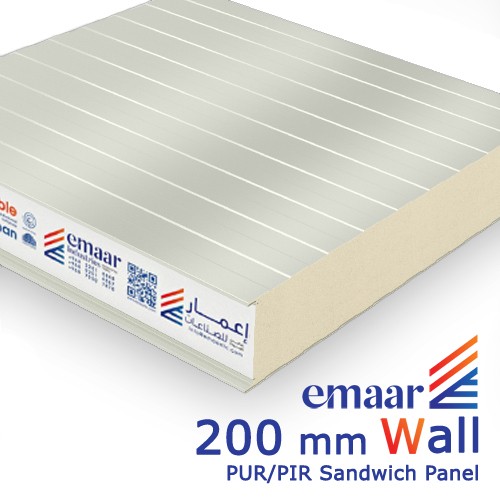
Heavy-duty cam-locking insulated panels up to 200 mm thickness for chillers, freezers, food processing facilities, and pharma cold chains.
View Cold Room Panels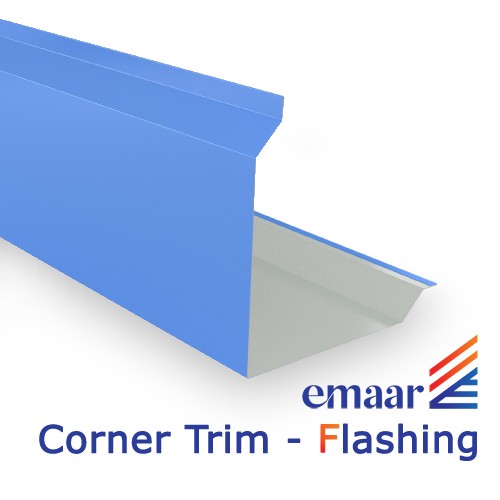
Custom-bent galvanized steel pour stops, deck edge flashings, and side-lap fastening accessories for concrete containment.
View AccessoriesDirect factory shipping of structural metal decking sheets and cold-rolled profiles across GCC and global ports.
Understanding the mechanical interaction between Metal Decking Sheets and poured concrete is fundamental to optimizing structural design efficiency. A composite slab system operates as a unified structural unit: the cold-rolled galvanized steel deck resists positive bending moments and tensile stresses at the bottom of the slab, while the cured concrete absorbs compressive stresses at the top.
Without surface embossments, a smooth steel deck acts merely as permanent formwork, requiring secondary rebar mesh to carry positive bending loads after concrete curing. Emaar's advanced composite metal decking sheets feature deep, cold-formed mechanical key embossments engineered into the vertical web and horizontal rib surfaces. These embossments create a mechanical interlock with the concrete matrix, preventing longitudinal horizontal shear slippage under ultimate limit state (ULS) and serviceability limit state (SLS) loading conditions.
During the construction phase, before concrete attains its design compressive strength, the metal decking sheet must carry its self-weight, wet concrete weight, and construction worker live loads without excessive deflection. Utilizing high-yield steel coils (S350GD vs standard S220GD) allows structural engineers to extend un-shored clear spans between primary steel beams by 15% to 25%. This reduction in temporary propping and shoring yields substantial labor cost savings and frees up lower building floors for immediate MEP installation.
High yield strength steel coil providing higher section modulus and reduced deck dead weight per square meter.
Precision-rolled indentation geometry maximizing composite shear bond resistance (Vt) under dynamic dynamic loads.
275 g/m² dual-sided hot-dip zinc mass delivering robust cathodic sacrificial protection in high-salinity zones.
The global structural steel deck market is experiencing structural transformations driven by supply chain risks, carbon accounting standards, and automated BIM modeling requirements. Overseas procurement heads and EPC contractors are actively re-evaluating their sourcing strategies based on four key trends:
Maritime shipping delays and escalating container freight costs have made long-distance deck procurement from East Asia high-risk for tight GCC and European construction schedules. Sourcing metal decking sheets directly from Emaar's manufacturing hub in Muscat, Oman offers predictable overland transit times across the GCC via established highway networks and direct ocean freight routes to East Africa and Europe, eliminating Red Sea transit vulnerabilities.
Embodied carbon limits in modern green building assessments (LEED v4.1, BREEAM, and GSAS) incentivize structural engineers to specify thinner gauge, high-tensile steel decking sheets. By substituting a 1.20 mm S250GD profile with a 1.00 mm S350GD high-yield decking sheet, project managers achieve identical structural load capacity while reducing structural steel weight by up to 16%, significantly lowering project freight emissions and raw material costs.
Modern fast-track construction relies on through-deck shear stud welding. High-performance galvanized metal decking sheets must maintain consistent coating chemistry and tight rib flat tolerances to allow mobile automatic stud welding guns to arc directly through the deck onto underlying structural steel beams without burn-through holes or arc instability.
Continuous innovation in roll-forming technology has transformed metal decking sheets from basic flat-ribbed formwork into multi-functional structural building components:
Compare technical parameters across decking types to select the optimal composite floor panel for your structural application.
| Deck Profile Type | Profile Depth / Rib Pitch | Standard Steel Gauge | Max Un-shored Single Span | Primary Application Field |
|---|---|---|---|---|
| Standard Composite Floor Deck (E-50) | 50 mm Rib Height / 200 mm Pitch | 0.75 mm – 1.20 mm (S250GD / S350GD) | Up to 3.2 Meters | Multi-story commercial office towers, retail malls, mezzanine decks |
| Deep Span Composite Deck (E-75) | 75 mm Rib Height / 300 mm Pitch | 0.90 mm – 1.50 mm (S350GD / S450GD) | Up to 4.5 Meters | Heavy industrial warehouses, logistics hubs, parking structures |
| Non-Composite Roof Profile Deck | 35 mm – 45 mm Rib Profile | 0.50 mm – 0.80 mm (S220GD / S250GD) | Up to 2.4 Meters | Built-up insulated roof systems, canopy roofing, equipment platforms |
| Acoustic Perforated Structural Deck | 50 mm – 75 mm Rib Profile | 0.80 mm – 1.20 mm High Tensile | Up to 3.8 Meters | Auditoriums, airport concourses, sports facilities, convention halls |
Note: Maximum un-shored spans depend on slab thickness, concrete density (normal weight vs lightweight), and deflection limits (L/180 wet concrete load, L/250 total load). Detailed span tables are provided upon technical submittal.
Providing these structural variables to our engineering desk ensures rapid layout validation, accurate gauge selection, and exact pricing submittals.
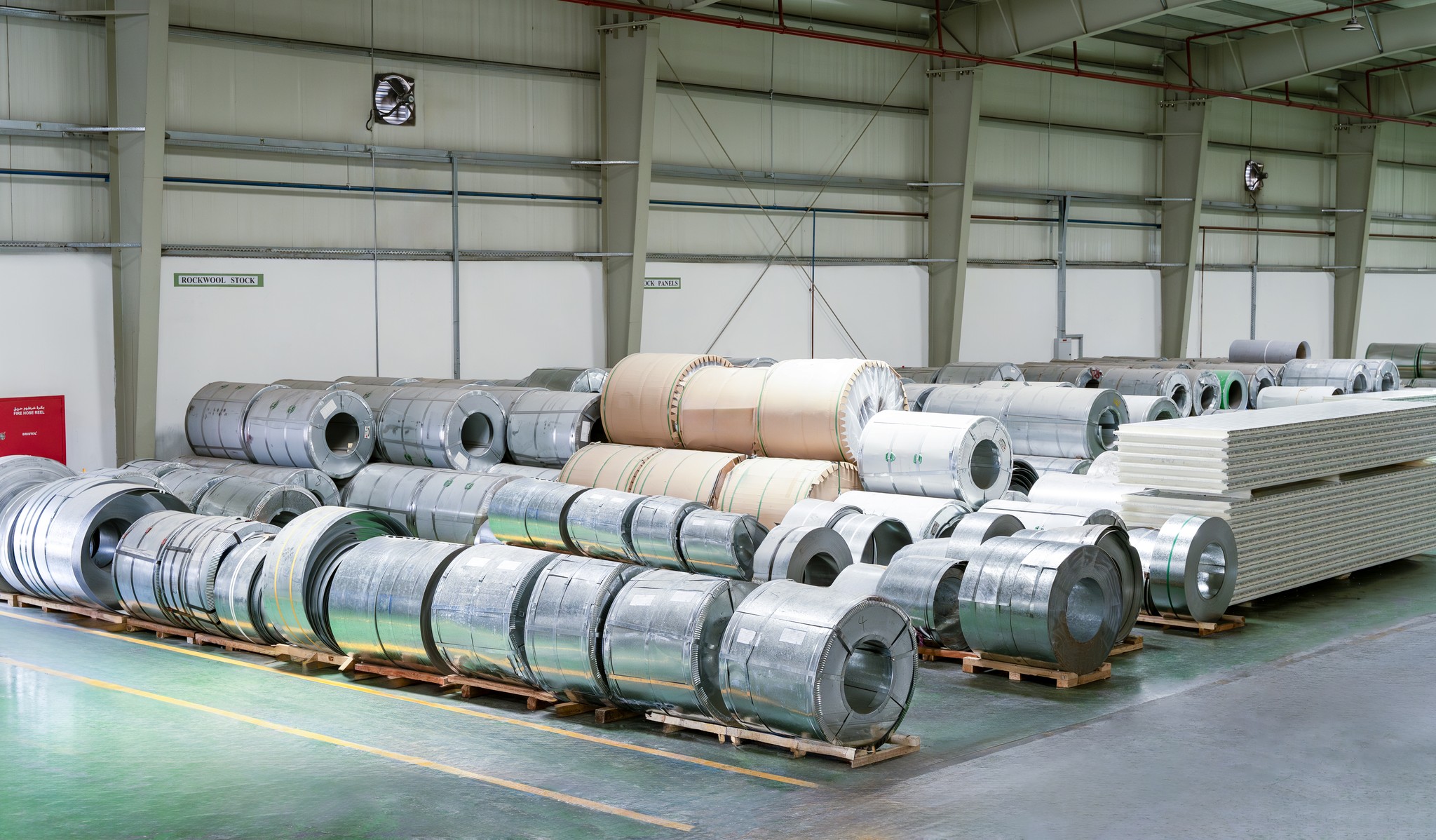
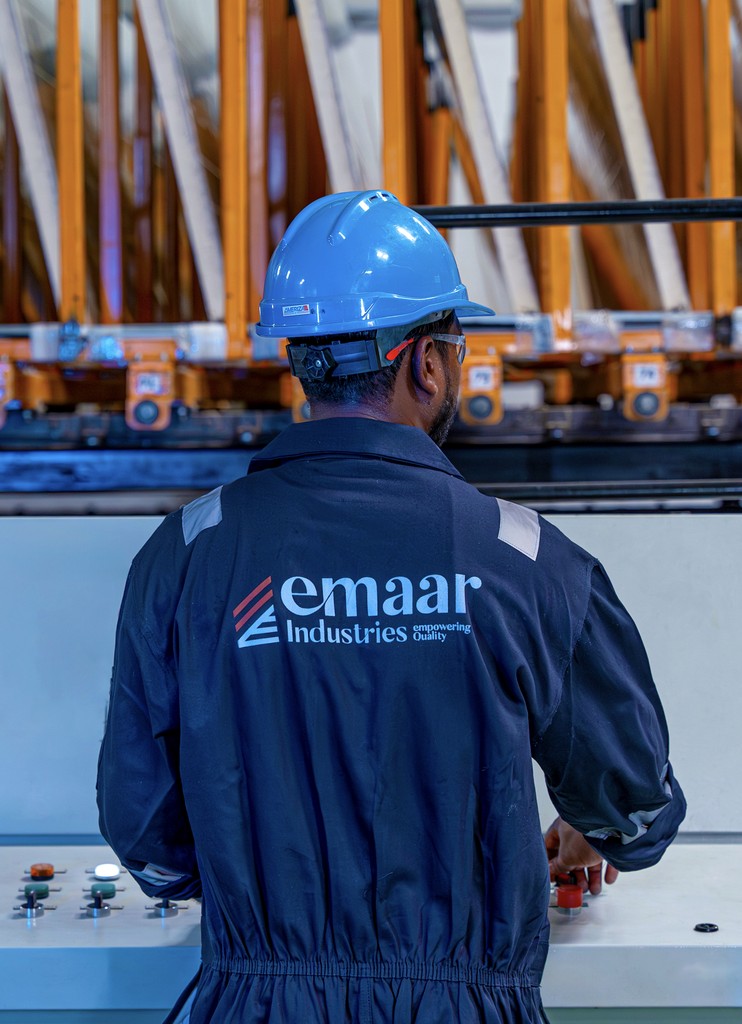
Our Muscat manufacturing plant combines advanced European cold-rolling lines, stringent metallurgical quality control, and complete secondary steel integration.
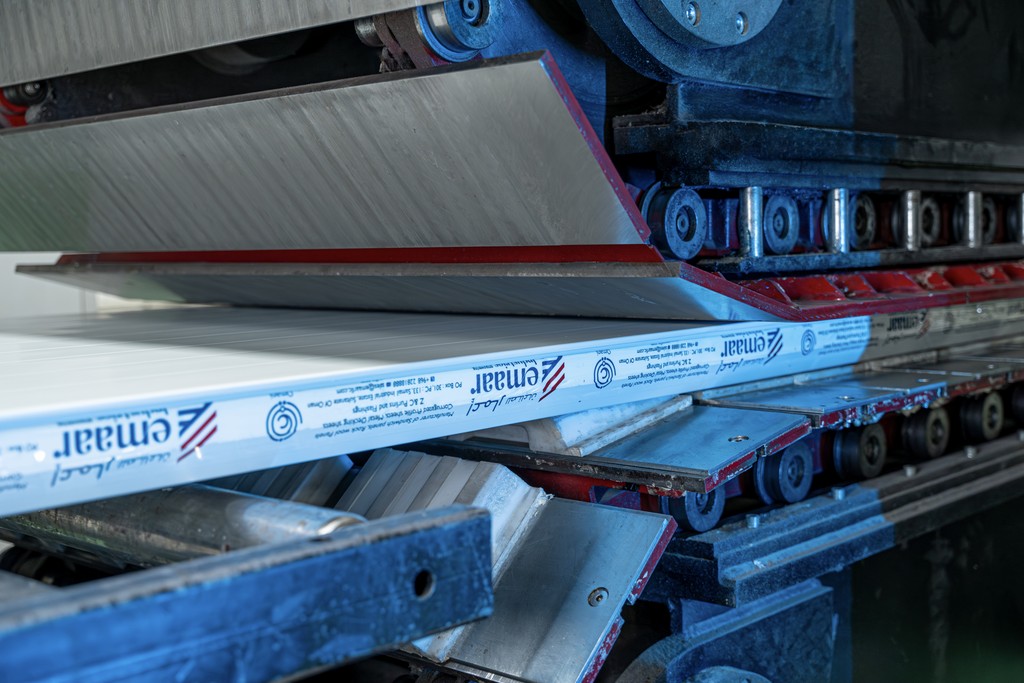
High-speed continuous cold-rolling mills deliver sharp rib radii, consistent embossing depth, and tight dimensional tolerances.
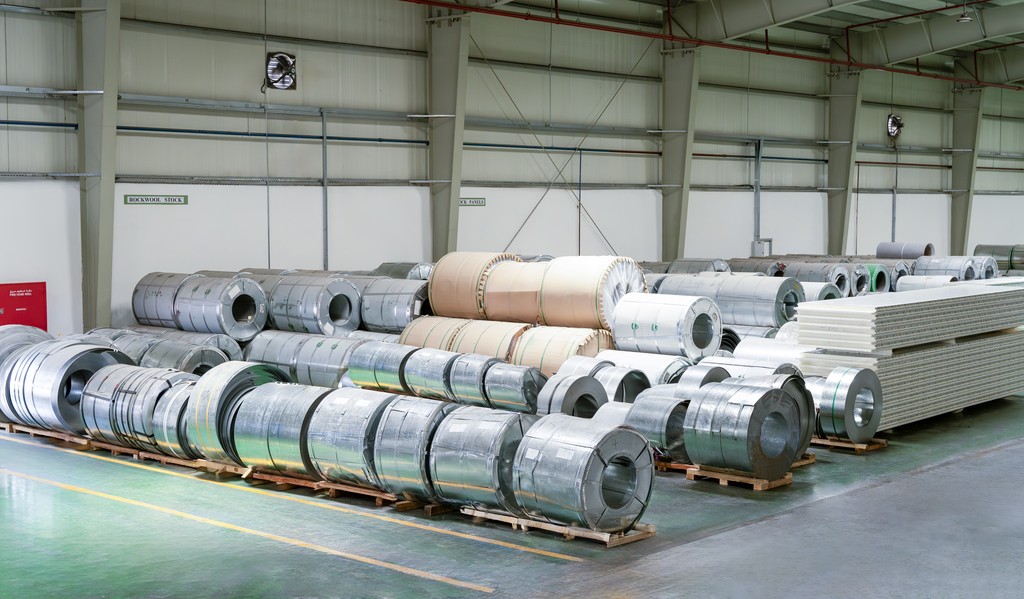
Direct mill sourcing of prime steel coils with guaranteed Z180–Z275 zinc coating weights engineered for extreme summer heat and coastal humidity.
Every coil batch is trace-tested for tensile yield stress, elongation, zinc adhesion, and cross-sectional inertia to support consultant submittals.
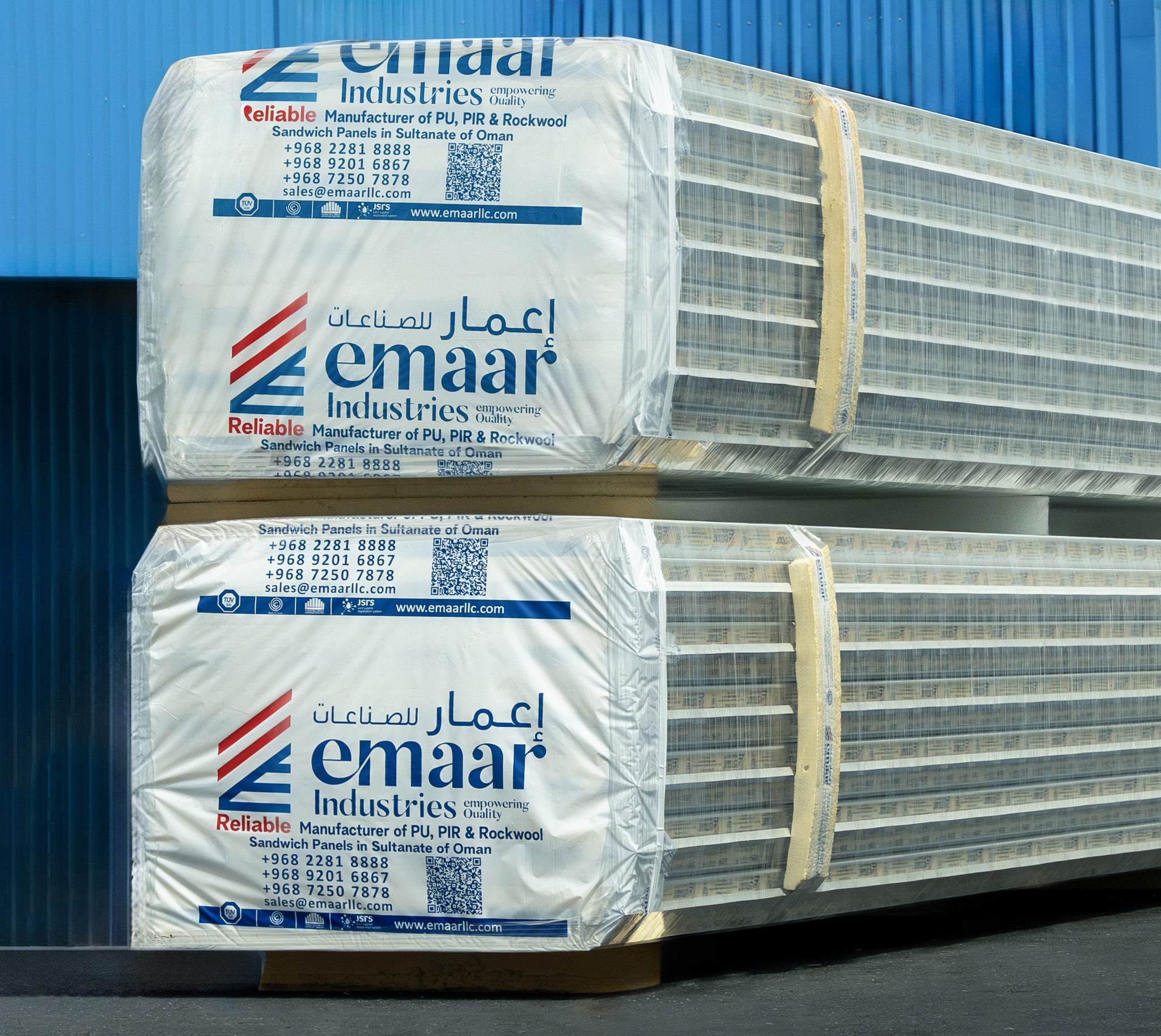
Order composite decking sheets together with matching Z/C purlins, edge pour stops, flashings, and insulated wall/roof sandwich panels.
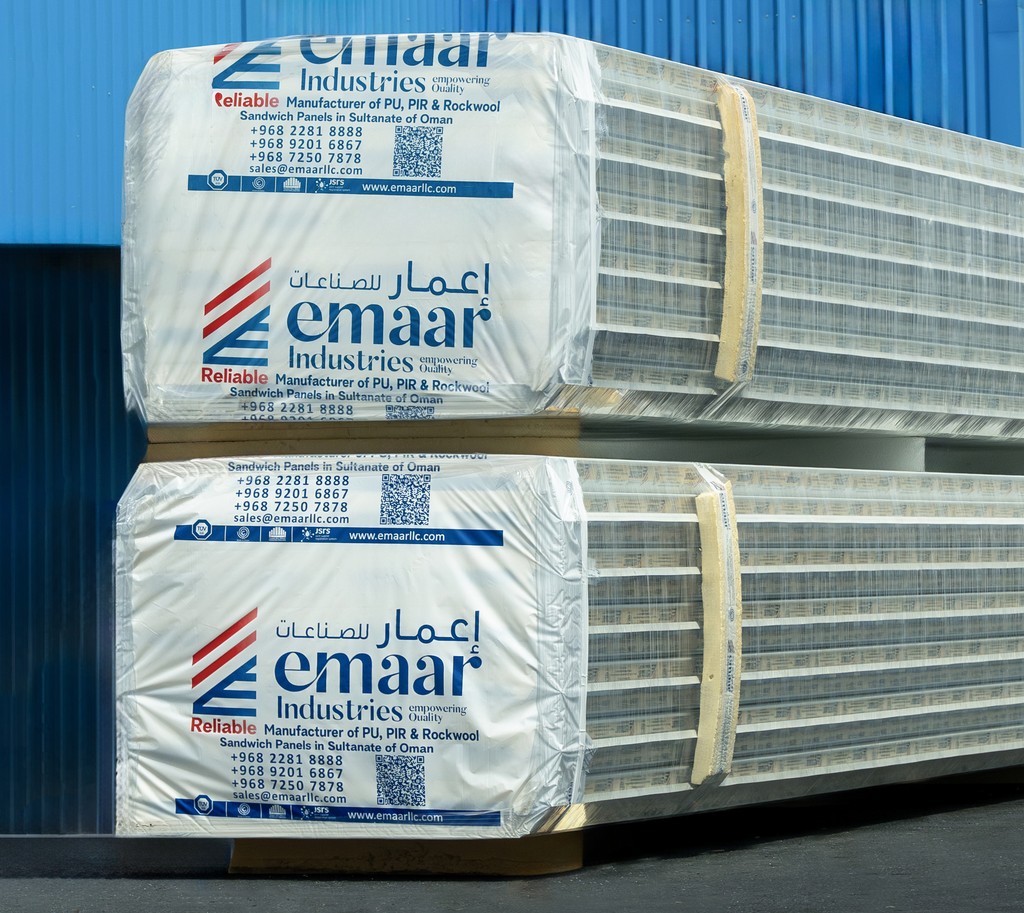
Inspect our Muscat cold-rolling plant, bundled export shipments, and active composite deck installation sites across the GCC.
Direct engineering answers to technical queries asked by structural consultants, site project managers, and procurement officers when specifying metal decking sheets.
Send an InquiryGauge calculation for metal decking sheets depends on structural slab depth, un-shored clear spans during concrete pouring, live/dead load combinations under BS EN 1994 or AISC 360 standards, and targeted composite tensile reinforcement. Emaar provides comprehensive load-span tables, section properties (Ixx, Zxx), and structural design support for consultant approval submittals.
Composite metal decking sheets feature rolled mechanical embossments along the profile webs that physically interlock with cured concrete, allowing the steel deck to act as permanent tensile reinforcement for positive bending loads. Non-composite form decks act only as temporary sacrificial formwork during wet concrete placement and require independent bottom rebar mesh for structural strength.
For indoor conditioned commercial buildings, Z180 (180 g/m² total dual-sided zinc coating) provides reliable corrosion protection. For coastal industrial plants, open parking structures, or high-humidity GCC coastal zones, Z275 (275 g/m²) or Al-Zinc (AZ150) coatings are strongly specified to prevent sub-slab oxidation and ensure 50+ year design longevity.
Yes. Emaar operates automated continuous precision cold-rolling lines in Muscat, manufacturing custom metal decking sheets cut to exact structural drawing dimensions up to 14 meters. Custom factory cut-to-length ordering eliminates jobsite grinding, reduces material scrap costs, and accelerates floor deck laying speed.
Emaar processes structural high-yield hot-dip galvanized steel coils conforming to EN 10346 and ASTM A653 specifications. Structural grades range from S250GD (250 MPa minimum yield stress) up to S350GD and S450GD for high-load mezzanine and long-span composite floor structures.
Through-deck shear studs are electric-arc welded directly through the bottom trough of the galvanized metal deck onto the top flange of structural steel beams. This creates composite beam action between the steel frame and the concrete floor. Emaar deck profiles feature wide bottom troughs specifically dimensioned to fit standard ceramic ferrule stud welding heads.
Every shipment is accompanied by EN 10204 Type 3.1 Mill Test Certificates (MTC) detailing chemical composition, yield strength, tensile strength, elongation, and zinc coating thickness checks. Full factory ISO quality management certificates are available on our documentation portal.
Trusted by leading regional developers, main contractors, and structural steel fabricators across the Middle East and Africa.











Our quality control system ensures full traceability from raw steel coils to cold-rolled decking profiles. Access mill certificates, load test reports, and compliance approvals for your project submittals.
Download Certificates
Our technical sales desks in Muscat, Dubai, Doha, and Riyadh assist with engineering estimates, drawing take-offs, and export logistics.
Our sales engineers respond to project questions during working hours (GST+4).