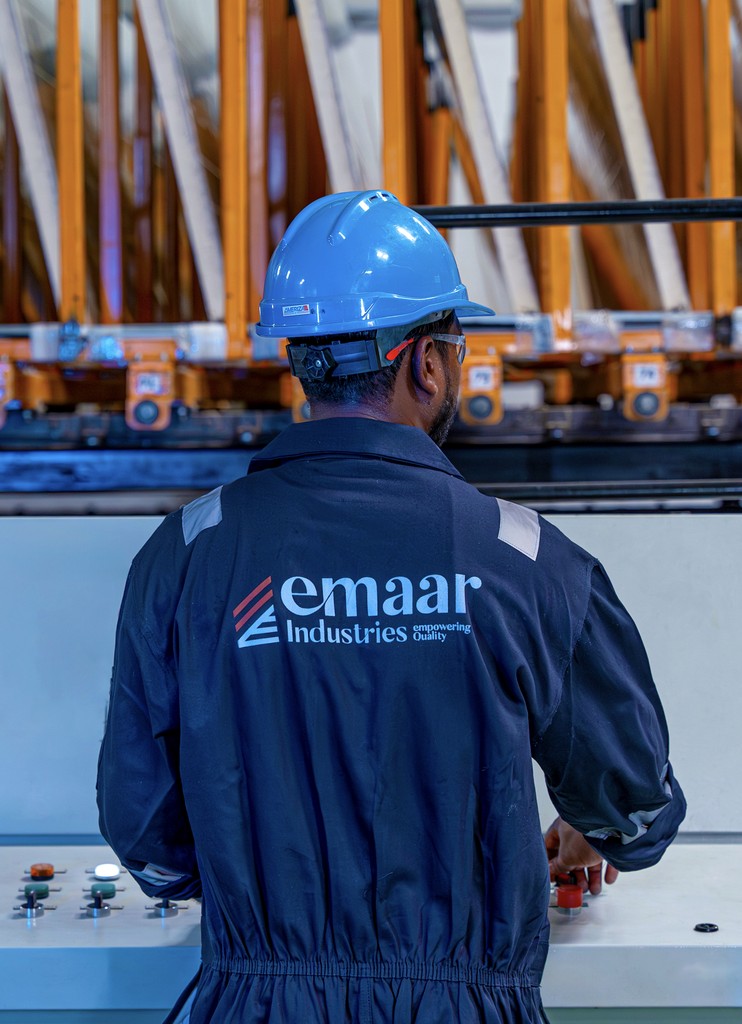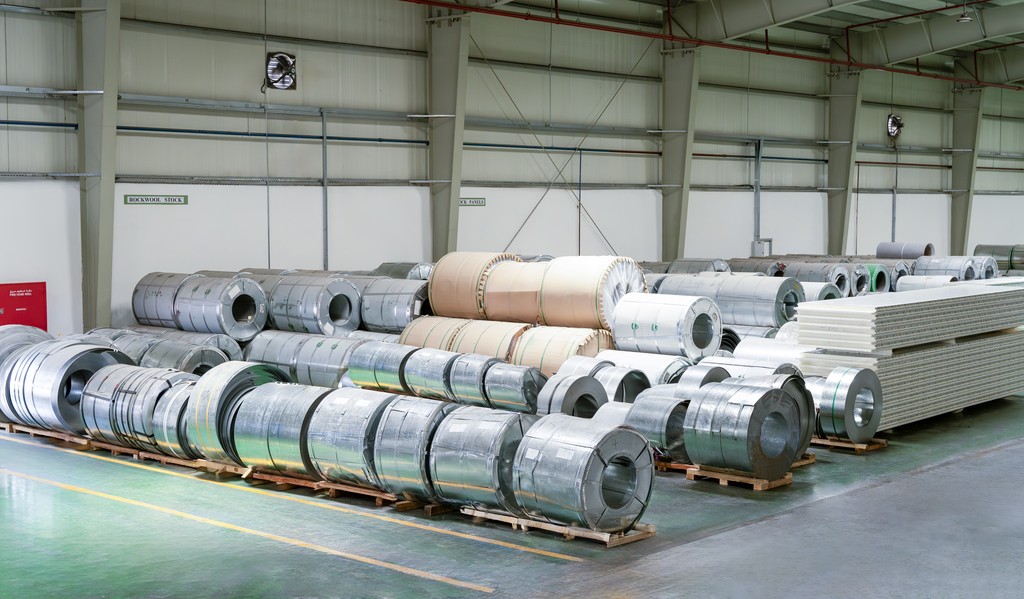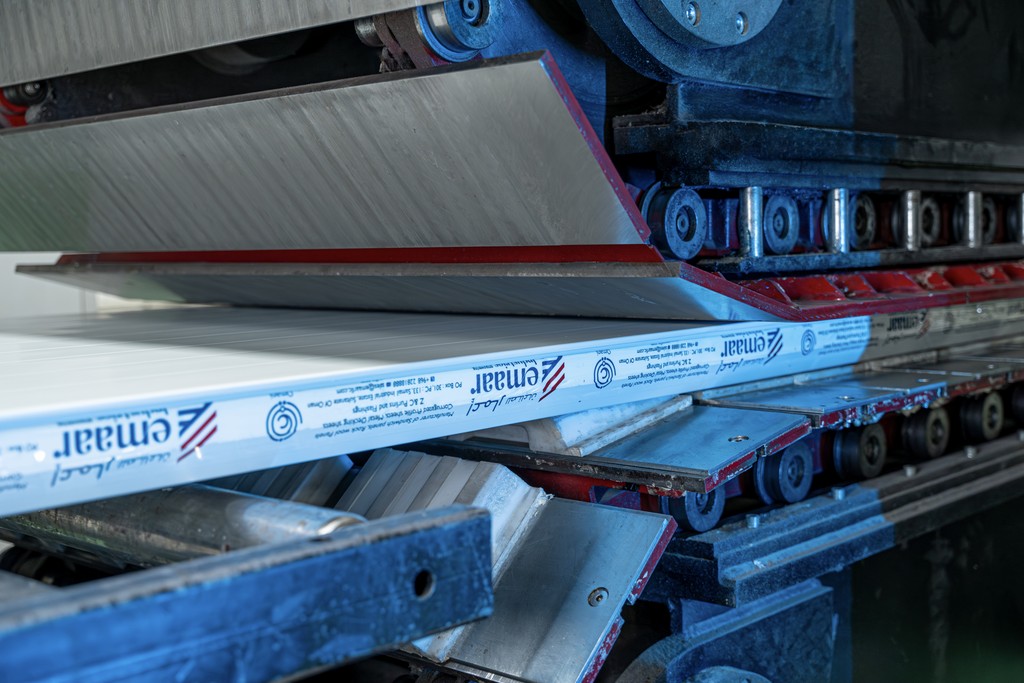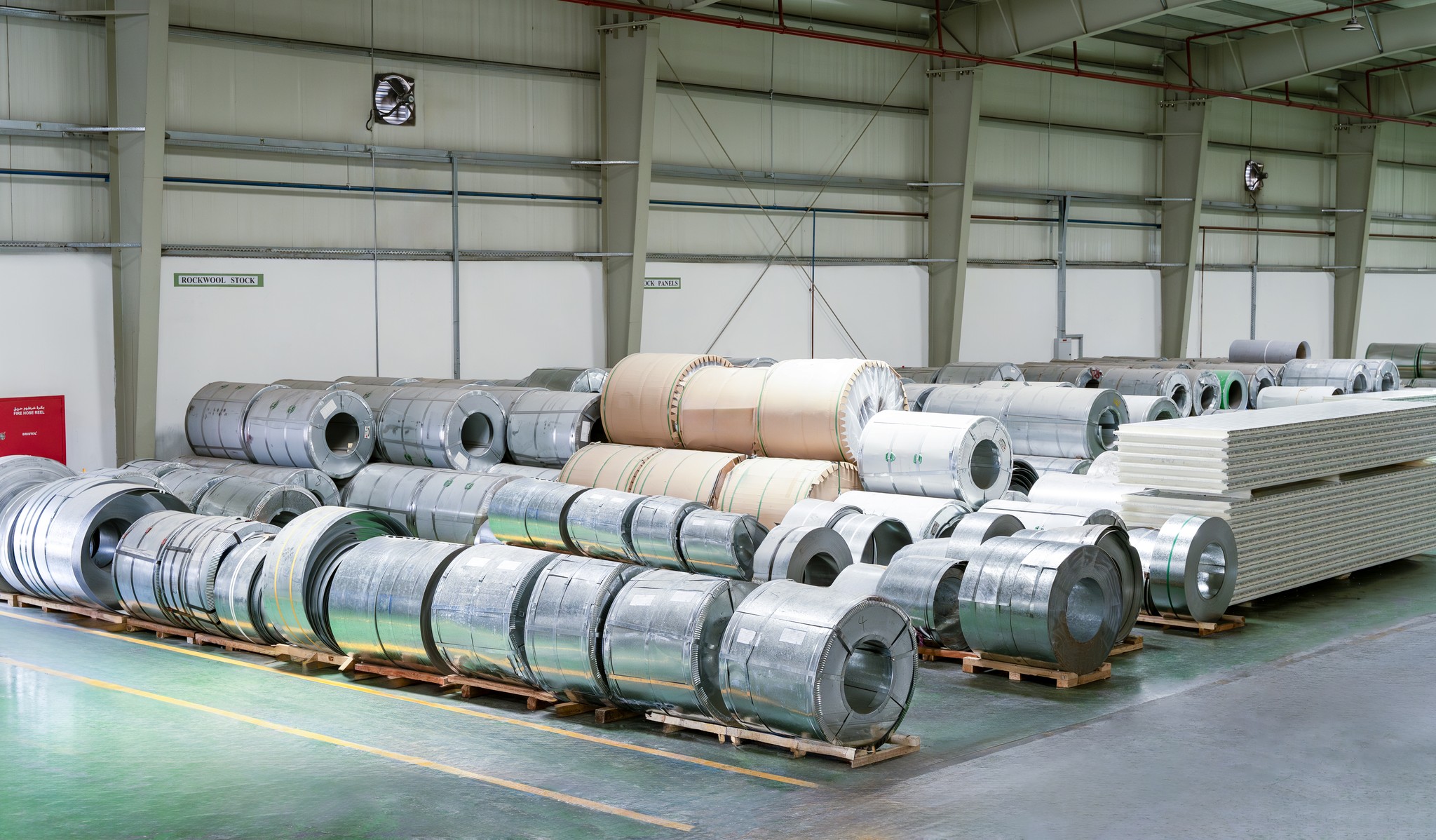
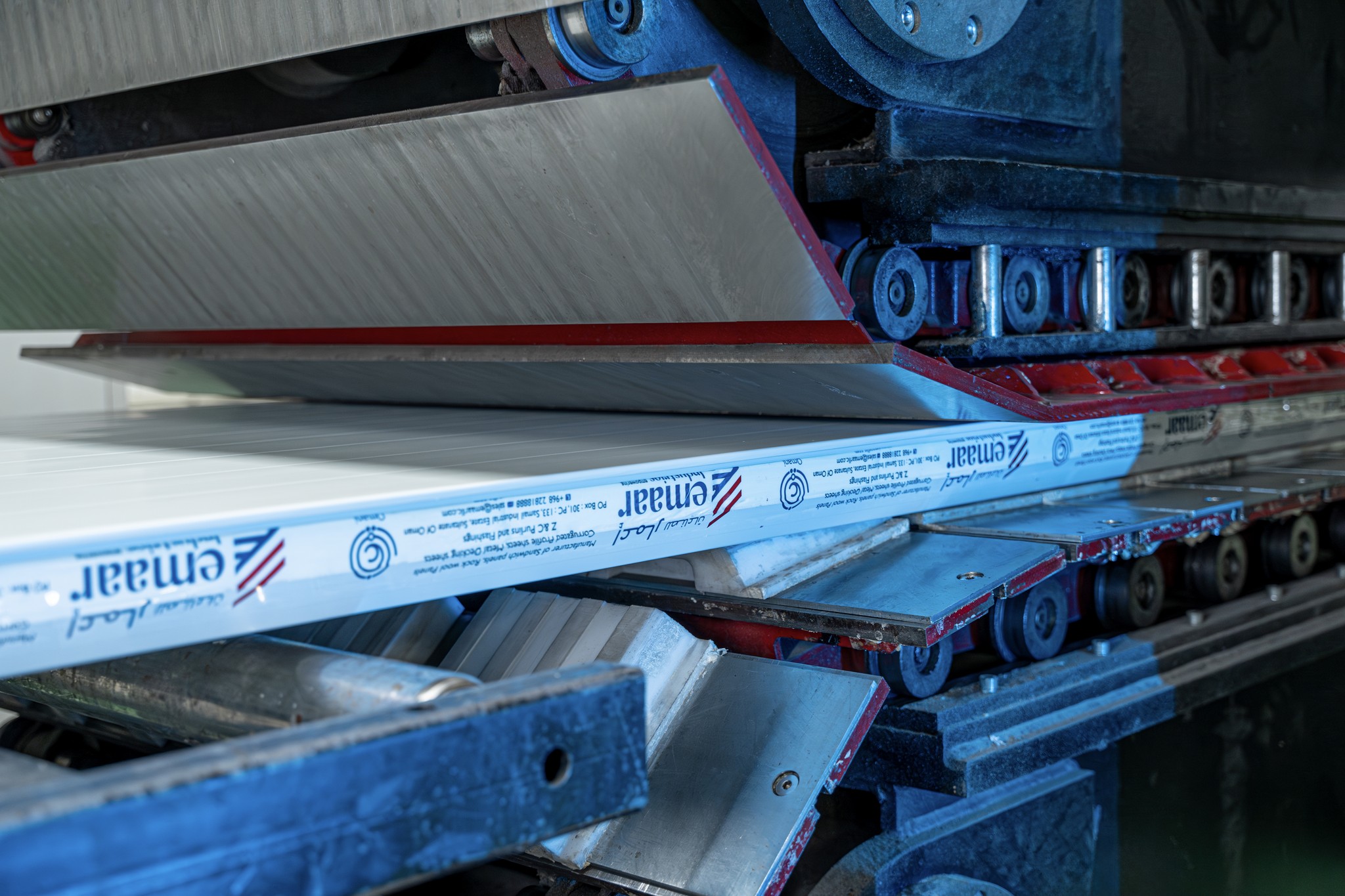
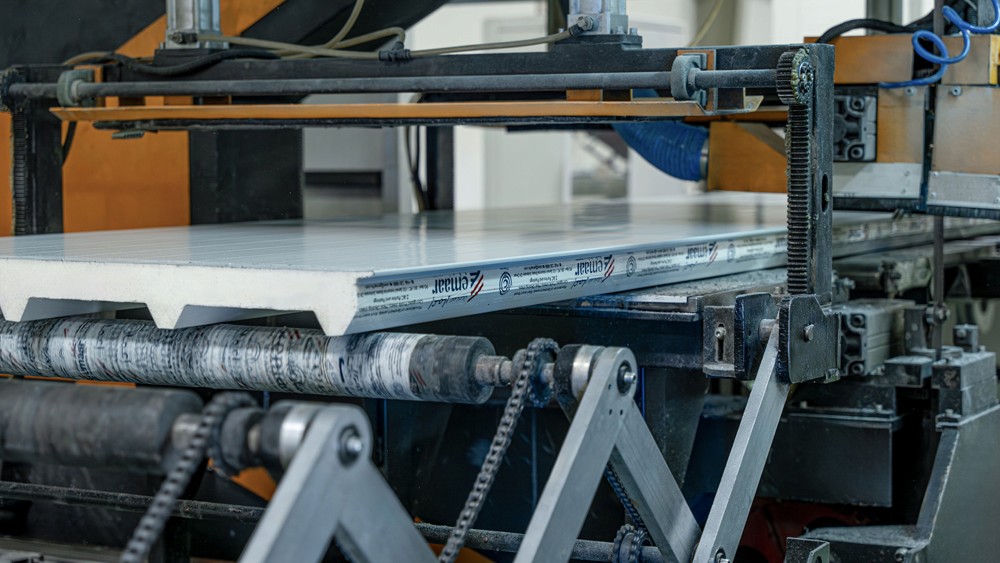
State-of-the-art continuous PUR wall sandwich panel production line in Muscat Oman
Industrial building facade engineered with Emaar PUR wall sandwich panels
Inline quality assurance and mechanical testing for PUR wall sandwich panels
Completed modern logistics terminal featuring insulated PUR wall sandwich panels
0
Daily Panel Manufacturing Capacity
0
Delivered Commercial & Industrial Projects
0
High-Density PUR Core Rigidity
0
Direct GCC & African Supply Hubs
Engineering Specification & B2B Procurement

Engineering & Procuring High-Performance PUR Wall Sandwich Panels: The Definitive B2B Specification Guide for Extreme Climates and Modern Industrial Envelopes

Global procurement teams, facade consultants, and structural engineers face mounting challenges when sourcing exterior envelope systems: fluctuating international supply chains, stringent regional building energy codes, and harsh environmental parameters. Polyurethane (PUR) wall sandwich panels represent the gold standard for high-efficiency thermal building envelopes, combining closed-cell insulation cores with structural metallic facings in an automated continuous manufacturing process.

Manufactured at our Muscat facility under strict ISO 9001 and European EN 14509 standards, Emaar Industries produces continuous PUR wall sandwich panels engineered specifically for high ambient heat, extreme solar radiation, and severe marine atmospheric exposure across the Gulf Cooperation Council (Oman, UAE, Saudi Arabia, Qatar, Bahrain, Kuwait) and Africa.

Product Configurations

Recommended PUR Wall Panel Systems by Building Typology

Optimizing procurement costs requires aligning the panel joint geometry, steel skin gauge, and core density with the mechanical load requirements and internal environmental conditions of the structure.

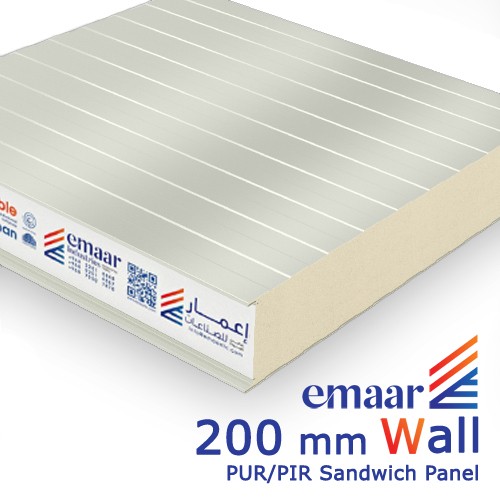
Architectural Concealed secret-fix PUR wall sandwich panel

Secret-Fix Architectural PUR Panels

Equipped with a concealed fastener tongue-and-groove joint that hides mechanical fixings within the longitudinal interlock. Ideal for commercial facades, prestigious corporate logistics parks, and automotive showrooms.

Core: 50–120 mm | Face: Micro-rib / Flat | Width: 1000 mm
Request Secret-Fix Spec
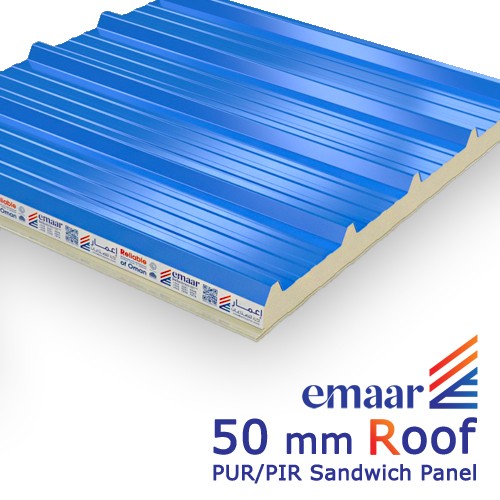
Industrial Standard through-fixed industrial wall sandwich panel

Through-Fixed Industrial Wall Panels

Engineered for maximum installation speed and long-span structural rigidity across manufacturing plants, agricultural processing sheds, and distribution warehouses. High shear resistance with self-drilling fastener assemblies.

Core: 50–100 mm | Profile: Box-rib / Linear | Width: 1000 mm
Request Industrial Spec
Cold Chain Controlled atmosphere cold storage PUR wall panel

Cleanroom & Cold Storage Wall Panels

Designed with lab-tested vapor-tight sealing gaskets and antimicrobial PVC/Food-Safe liners. Used in pharmaceutical facilities, food packing hubs, and chilled processing rooms requiring airtight boundary envelopes.

Core: 100–200 mm | Cam-lock / Deep T&G | Width: 1000–1180 mm
Request Cold Storage Spec
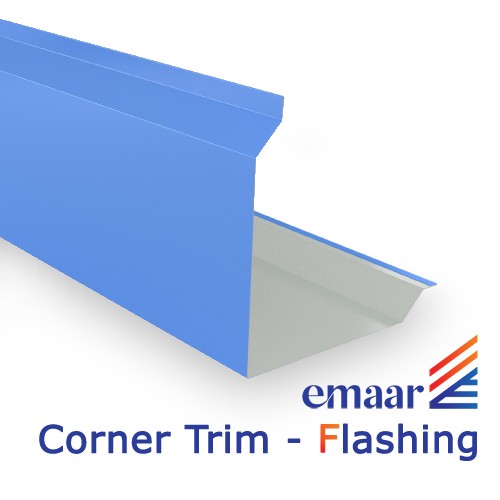
Accessories Wall corner flashings, drip trims, and thermal gaskets

Engineered Flashing & Joint Sealants

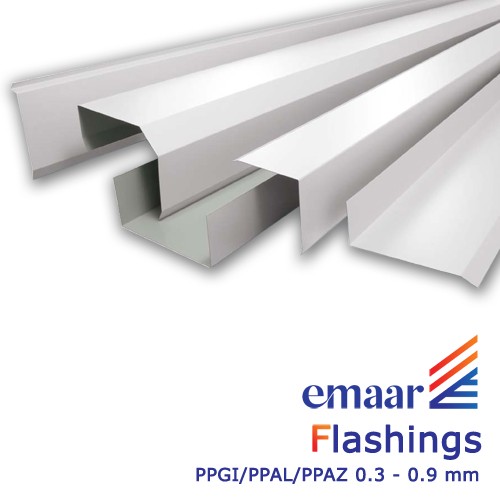
Complete envelope closure systems: color-matched base drip flashing, external corner trims, butyl joint tape, and EPDM thermal gaskets. Eliminates thermal bypassing and moisture intrusion along critical junctions.

Gauges: 0.50–0.70 mm | Matching Coating & Custom Bends
Request Envelope Trims
Structural & Thermal Data

PUR Wall Sandwich Panels: Thermal & Spanning Matrix

Rigid polyurethane cores offer unmatched thermal efficiency per millimeter of thickness compared to all conventional wall construction materials. Below are certified thermal performance values and indicative allowable spans calculated under normal wind pressure loads.

Core Thickness (mm) Thermal Transmittance (U-Value W/m²·K) R-Value (m²·K/W) Panel Weight (kg/m² approx.) Max Single Span (m at 1.0 kN/m² load) Primary Application
50 mm 0.43 2.33 10.2 3.80 m Internal partition walls, light industrial cladding
75 mm 0.29 3.45 11.2 4.60 m Standard warehouse exterior facades, ambient logistics
100 mm 0.22 4.55 12.2 5.40 m High-spec energy-efficient warehouses, light chillers
120 mm 0.18 5.56 13.0 6.10 m Food processing plants, medium chillers (0°C to +4°C)
150 mm 0.15 6.67 14.2 6.80 m Commercial freezer warehouses (-18°C to -25°C)
200 mm 0.11 9.09 16.2 7.50 m Ultra-low temperature blast freezers (-35°C)

Notes: U-values are calculated in accordance with EN 14509 / ISO 6946 incorporating steel surface resistance. Structural span capacities are based on external 0.50 mm and internal 0.40 mm steel skins with wind load deflection limit L/200. Project-specific wind load calculations should always be verified by structural consultants.

Oman|UAE|Saudi Arabia|Qatar|Bahrain|Kuwait|Africa

Direct factory-controlled supply chain and technical sales engineering from Muscat to major megaprojects and industrial cities across the MENA region.

Strategic Market Intelligence

Future Sourcing & Procurement Trends in Insulated Wall Panels

Procurement directors and commercial managers are transitioning from simple unit-price evaluation to Total Cost of Ownership (TCO), life cycle assessment (LCA), and supply chain resilience modeling.

Market Transformation Drivers

How Global Procurement Criteria Are Shifting Toward 2030

Modern developers cannot afford envelope failure, thermal degradation, or unpredictable shipping schedules. Sourcing decisions are now driven by four fundamental market forces:

  • Nearshoring & Regional Manufacturing Security: Recent disruptions in Red Sea shipping lanes and container freight spikes have exposed the vulnerability of importing panels from East Asia or Eastern Europe. Developers prioritize regional GCC manufacturing hubs with overland truck transit.
  • Life-Cycle Carbon & Operational Efficiency: With mandatory ESG reporting and green building protocols (LEED, Mostadam, Estidama), envelope thermal stability directly determines building operational HVAC carbon emissions over a 30-year lifecycle.
  • Pre-Engineered Parametric Cutting Lists: Automated BIM cut lists provided directly to panel roll-forming software eliminate on-site cutting, scrap waste, and joint misalignments, reducing jobsite labor by up to 40%.
TCO Sourcing ModelsEvaluating initial procurement costs against 25-year HVAC operational expenditures and envelope degradation rates.
BIM Level 3 IntegrationProviding native Revit/IFC parametric families with embedded thermal, geometric, and deflection boundaries.
Environmental Product DeclarationsIssuing verified EPDs documenting embodied carbon from raw chemical extraction through logistics delivery.
Rapid-Erection SystemsSecret-fix joints with integrated mechanical hooks designed to accelerate crane handling and façade enclosure speeds.
Chemical & Material Science

Technological Innovations in PUR Foam Formulations

Sandwich panel performance is fundamentally governed by polymer chemistry, cell structure morphology, and continuous lamination mechanics.

4th-Gen HFO Blowing Agents

Modern continuous lines employ Hydrofluoroolefin (HFO) blowing technology with Zero Ozone Depletion Potential (ODP=0) and ultra-low Global Warming Potential (GWP < 1). This ensures compliance with international environmental protocols while maintaining microscopic pore sizing.

Microcellular Foam Densification

Advanced high-pressure mixing heads yield an ultra-fine closed-cell matrix (>92% closed cells) with an average diameter under 150 microns. This micro-porosity drastically minimizes convective heat transfer through the core and prevents moisture absorption over decades.

Long-Term Thermal Aging Stability

Standard open-pour foams suffer severe thermal drift as blowing gases escape. Emaar’s continuous double-belt curing under uniform temperature and pressure locks the captive blowing agent inside impervious closed cells, ensuring minimal thermal degradation over 30+ years.

Hybrid Surface Primers & Adhesion

Continuous inline corona or chemical treatment of the inner steel face enhances chemical cross-linking with the expanding polyurethane matrix. The resulting peel bond strength exceeds 0.12 MPa, preventing panel blistering under severe 70°C exterior solar surface baking.

Manufacturing Authority & Reliability

Why Global EPC Contractors & Developers Choose Emaar

Emaar Industries operates one of the most advanced sandwich panel and cold-rolled steel manufacturing facilities in the Middle East. Based strategically in Muscat, Oman, we engineer, produce, and dispatch complete building envelopes backed by ISO-certified processes.

High-Output Continuous Lines

Our European continuous double-belt lamination lines operate at speeds delivering up to 10,000 m² per day. This guarantees guaranteed fabrication schedules for massive fast-track logistics hubs and airport projects without batch bottlenecks.

Engineered for Middle East & African Climates

Our panels are specifically developed to perform where surface skin temperatures reach 80°C under desert sun, combined with marine salinity and sandstorm abrasion. We configure coating systems up to 50-micron PVDF for relentless durability.

Comprehensive Structural Envelope Integration

Beyond wall panels, Emaar manufactures matching PIR/PUR roof panels, cold room solutions, metal floor decking sheets, cold-rolled Z & C purlins, and flashings, offering clients a single-source integrated envelope guarantee.

Multi-Country Logistics & Engineering Support

With local technical sales and engineering representations across the Sultanate of Oman, United Arab Emirates, Saudi Arabia, and Qatar, we coordinate customs clearance, jobsite phasing, and technical inspections seamlessly.

Comprehensive Buyer Guidance

Frequently Asked Questions on PUR Wall Panels

Detailed technical, mechanical, and logistical clarifications addressing the most common queries submitted by global procurement managers, EPC contractors, and consulting engineers.

Get a Quote

Polyurethane rigid foam (PUR) delivers one of the lowest thermal conductivities of any commercial building material, with typical values between 0.022 and 0.024 W/m·K. Because the microscopic cell structure contains over 92% closed cells pressurized with low-conductivity blowing agent gases, conductive and convective heat flows are virtually halted. In Middle Eastern summer conditions where external steel skins can exceed 75°C, a 100mm PUR panel reduces thermal heat ingress by up to 88% compared to uninsulated concrete block walls, significantly lowering building HVAC capacity requirements and operational electricity demands.

Concealed-fix (secret-fix) panels feature an interlocking tongue-and-groove side joint geometry designed to conceal mechanical screw fasteners. Fasteners are driven through a reinforced recessed internal flange that is completely covered by the overlapping female tongue of the adjacent panel. This eliminates exposed exterior screw heads, removes direct thermal bridge paths through fasteners, and delivers a pristine, continuous architectural appearance. Through-fixed panels, by contrast, use self-drilling carbon or stainless-steel screws with vulcanized EPDM washers driven directly through the panel crown into structural steel girts. Through-fixed installations offer slightly higher dynamic wind shear capacity and lower panel fabrication costs, making them the preferred choice for industrial and utility structures.

The distinction lies in the polymer cross-linking density. Standard rigid Polyurethane (PUR) uses an equimolar ratio of polyol and isocyanate, producing urethane linkages formulated to achieve DIN 4102-B2 or ASTM E84 Class 1 fire reaction (self-extinguishing without contributing to rapid flashover). Polyisocyanurate (PIR) is manufactured using a higher isocyanate index (isocyanurate rings) that decomposes at significantly higher temperatures (around 300°C vs 200°C for PUR), creating an insulating carbon char layer that shields the core and achieves superior ratings such as EN 13501-1 B-s1,d0 and FM 4880 approval. For firewalls requiring 1 to 4 hours of certified non-combustible fire resistance (EI ratings), Rockwool core sandwich panels should be selected.

For industrial or coastal environments situated within 5 km of the sea (corrosivity categories C4 and C5 under ISO 12944), we recommend an exterior steel skin thickness of at least 0.50 mm to 0.70 mm, protected by hot-dip zinc galvanizing of 275 g/m² (Z275) or Galvalume/Aluzinc 150 g/m² (AZ150). The exterior paint system should be specified as either 25-micron PVDF (polyvinylidene fluoride) or 50-micron High-Durability Polyurethane/Polyamide (PUR-PA) coating. These chemical resin finishes provide superior resistance against micro-cracking, aggressive ultraviolet radiation chalking, and salt spray fog corrosion.

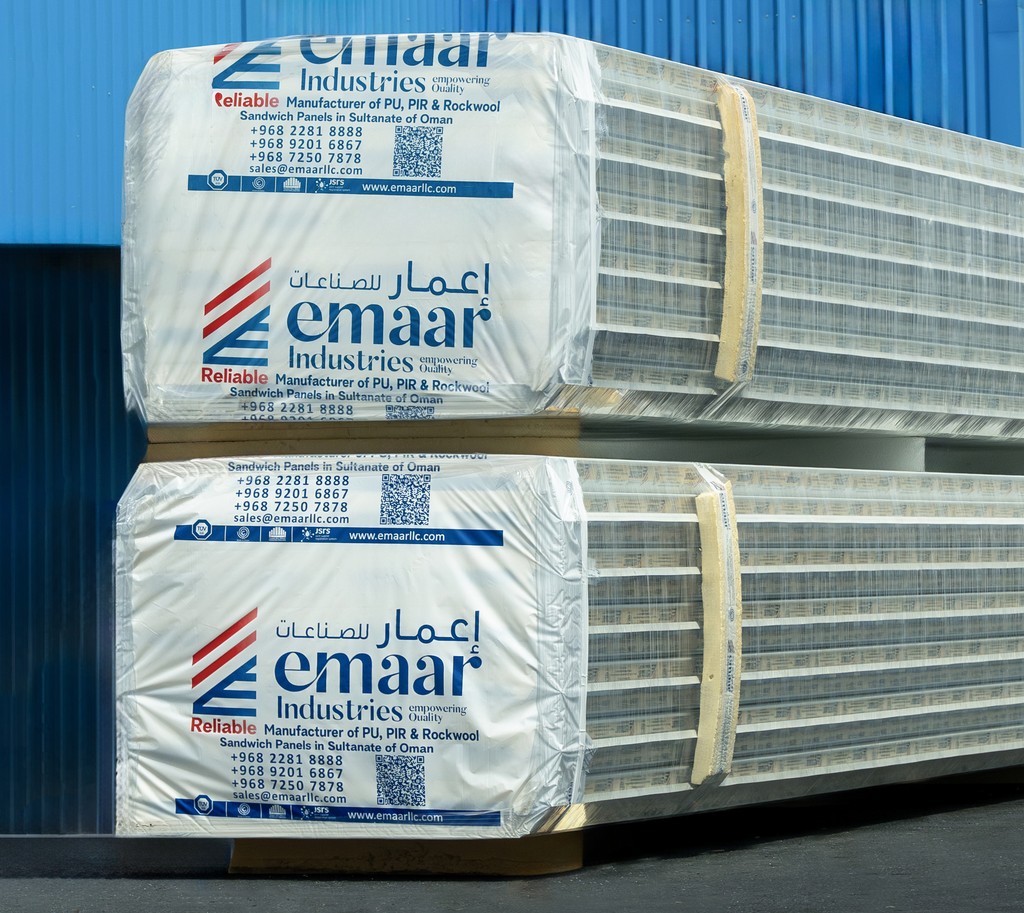
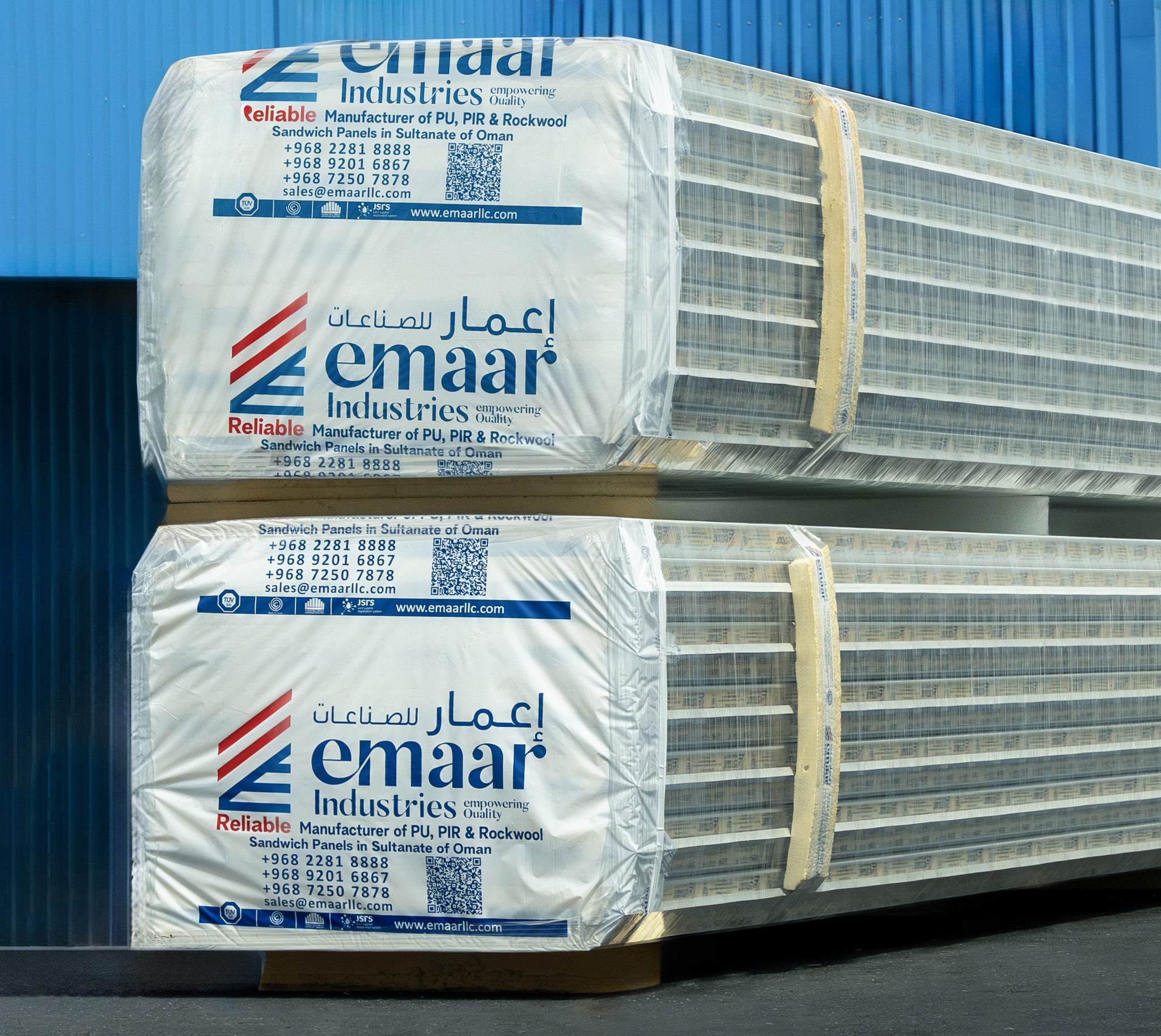
Every panel produced on Emaar’s continuous production line is laminated with a temporary protective polyethylene peel-off film on both faces to prevent surface scratching during roll-forming, handling, and erection. Finished panels are assembled in rigid bundles with heavy expanded polystyrene (EPS) or wooden bottom runners, edge-protected with continuous corner angles, and wrapped in heavy-gauge stretch film and UV-resistant shrink plastic. For export across the GCC and Africa, bundles are customized to exact 20-foot or 40-foot high-cube shipping container lengths or flatbed truck dimensions, including internal moisture desiccant packs to prevent white rust formation caused by marine temperature swings.

A rigorous consultant submittal dossier for Emaar PUR wall panels includes: (1) Factory ISO 9001:2015, ISO 14001:2015, and ISO 45001:2018 management certifications; (2) EN 14509 Certificate of Conformity for metal sandwich panels; (3) Third-party test reports for core density (ISO 845), thermal conductivity (ASTM C518 / EN 12667), tensile bond strength (EN 1607), and compressive strength (EN 826); (4) Flame spread and smoke development test certifications (ASTM E84 / DIN 4102 / EN 13501-1); and (5) Project-specific engineering structural calculation sheets verifying span deflections under specified local wind gusts.

Enterprise Trust & Track Record

Supplying Premier Industrial Operators

Over 550 industrial facilities, regional logistics platforms, and utility facilities across the Middle East and Africa rely on Emaar Industries panels.

Emaar client collaboration
Rigorous Approvals

Factory Audited & Third-Party Certified Quality

Our insulated panels and secondary structural products undergo daily in-house laboratory tensile, thermal, and shear testing. Fully validated test reports and compliance certificates are available for consultant and Civil Defense approval packages.

Get a Quote
Emaar Industries ISO and CE quality compliance certifications
Local Regional Offices

Connect with Our Technical Engineering Teams

Regional sales engineers across the GCC provide localized support for project takeoffs, parametric shop drawings, and delivery scheduling.