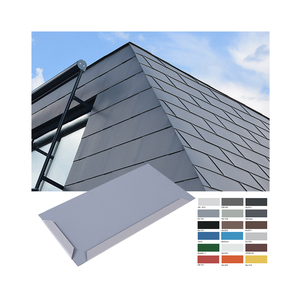
High Quality Metal Roofing Sheet Aluminum Alloy Rectangular Plate Steel Color Steel Material Zinc Composition
55% Al-Zn Alloy
AZ150 Coating
High Tensile G550

Continuous-line cold-rolled, zinc-primed, and multi-layer fluoropolymer-coated roof profiles engineered for high solar radiation, harsh humidity, and aggressive coastal corrosion.
Daily Forming & Profiling Capacity
Certified Zinc Mass Range (g/m²)
Global Industrial Projects Supplied
Maximum Architectural Design Life
In commercial, industrial, and infrastructure building design, metal roof sheets serve as the primary defensive boundary against atmospheric oxidation, solar degradation, dynamic mechanical loading, and moisture intrusion. While traditional untreated carbon steel rapidly degrades into ferric oxides when exposed to outdoor atmospheric electrolytes, modern custom OEM zinc roofing sheets exploit sacrificial cathodic protection and barrier passivation to ensure lifecycle survival exceeding several decades.
Zinc holds a lower electrochemical potential (-0.76V vs. standard hydrogen electrode) than iron (-0.44V). When the surface experiences scratching, shearing, or site drilling, exposed zinc oxidizes sacrificially to form insoluble zinc hydroxycarbonate film [Zn5(OH)6(CO3)2], self-healing microscopic fissures and preventing lateral rust creep across raw steel cut edges.
Combining 55% Aluminum, 43.4% Zinc, and 1.6% Silicon by weight creates a dual-phase microstructure. The aluminum dendrites form a robust barrier against acid rain and extreme surface temperatures (up to 315°C without discoloration), while inter-dendritic zinc zones retain cathodic edge protection, doubling or tripling service life in humid C3 to C4 maritime zones.
| Substrate / Specification | Standard Coating Density | Yield Strength (MPa) | Target Atmospheric Environment | Recommended Building Category |
|---|---|---|---|---|
| Hot-Dip Galvanized (HDG / GI) | Z120 – Z275 g/m² (EN 10346) | 250 – 550 MPa | Dry inland, moderate humidity (C1–C2) | Standard Warehouses, Agricultural Barns, Canopies |
| Alu-Zinc Alloy (Galvalume / GL) | AZ70 – AZ150 g/m² (ASTM A792) | 300 – 550 MPa | High heat, industrial emissions, coastal (C3–C4) | Commercial Logistics Parks, Hangars, Power Stations |
| Pre-Painted Galvanized (PPGI) | Z100 + 20/5µm Top/Back Coat | 280 – 350 MPa | Urban, medium UV exposure, architectural | Commercial Retail, Industrial Facades, Residential |
| Fluoropolymer (PVDF) Coated | Z180 / AZ150 + Kynar 500 (70%) | 300 – 550 MPa | Severe marine, chemical corridor, tropical UV (C5) | Airports, Stadiums, Coastal Chemical Facilities |
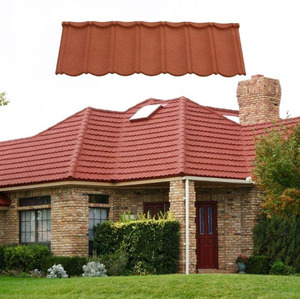
| Stone-Coated Alu-Zinc Sheet | AZ150 + Acrylic Resin + Basalt | 300 – 400 MPa | Severe hail, coastal winds, extreme acoustic demands | High-End Residential, Resorts, Storm-Prone Regions |
Strategic purchasing demands are rapidly moving away from commodity thin-gauge imports toward verified lifecycle performance, low embodied carbon, and structural thermal integration.
Turbulent maritime freight rates, canal transit bottlenecks, and carbon taxation (such as the EU Carbon Border Adjustment Mechanism) are encouraging international EPC contractors to partner with localized OEM suppliers with continuous high-volume production output. Sourcing from verified regional facilities reduces lead times from 120 days to under 15 days, mitigating volatile raw steel price fluctuations.
Thermal management has shifted from a secondary HVAC consideration to a primary envelope specification. Procurement tenders increasingly specify high Solar Reflectance Index (SRI ≥ 78) coatings. Infrared-reflective coatings incorporate specialized ceramic pigments that reflect near-infrared radiation while maintaining deep RAL coloration, decreasing inner plenum temperatures by up to 12°C in desert climates.
Modern Tier-1 engineering consultants no longer accept generalized generic datasheets. Purchasing contracts now mandate heat-specific Mill Test Certificates (MTCs), continuous online beta-gauge zinc mass readings, salt spray test documentation (ASTM B117 exceeding 1,000 to 2,500 hours), and MEK solvent rub tests to protect against early delamination and edge corrosion.
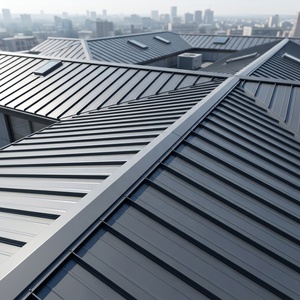
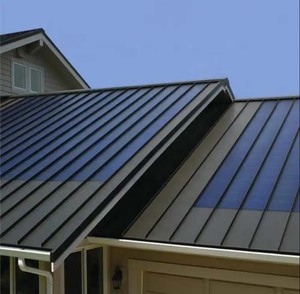
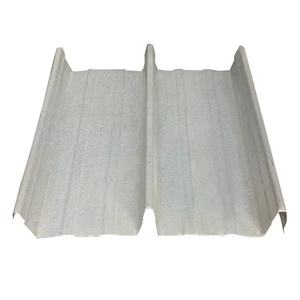
Through-fastened trapezoidal sheets are rapidly being replaced on architectural facades and prestige low-slope designs by standing seam profiles with concealed sliding clips. These clips accommodate thermal expansion across sheet lengths exceeding 30 meters without elongating screw puncture holes, preventing leaks during seasonal temperature variations from -10°C to +50°C.
Combining primary coil processing, continuous roll profiling, and certified quality management under one industrial roof.
We supply not merely loose roofing sheets, but complete structural systems including metal decking, cold-rolled Z & C purlins, matching flashings, thermal spacer blocks, and engineered fastener solutions for seamless installation.
Tested against summer surface temperatures exceeding 75°C, sand-abrasive winds, and marine salt fog. Our substrates and coatings are formulated to prevent chalking, peeling, and blistering under relentless UV radiation.
Operated under strict ISO quality frameworks. Every batch undergoes thickness tolerance checks (±0.02mm), coating adhesion tests (0T-2T bend test), and is backed by verified certification for civil defense approvals.
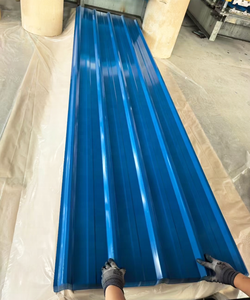
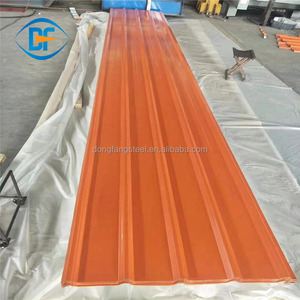
Avoid excessive site cuts, overlaps, and scrap. We calibrate custom profile pitches, rib heights, widths (such as 66-394-788 or custom 1000mm coverage), and exact transport lengths up to 14 meters.
Choose from standard commercial grade hot-dip galvanized steel (Z60–Z275), Alu-Zinc Galvalume (AZ70–AZ150), Prepainted PPGI/PPGL with Regular Modified Polyester (RMP), SMP, or architectural-grade PVDF.
Fast overland and sea dispatch serving regional GCC, African, and international construction markets. Our in-house technical team provides span-to-load structural calculations, wind uplift analysis, and bill of quantities (BOQ) optimization.
Critical metallurgical, logistics, and performance clarifications for professional buyers, consultants, and contractors.
Galvanized steel sheets are coated with pure metallic zinc (typically 99% Zn). In contrast, Galvalume (Alu-Zinc) sheets feature an alloy coating composed of approximately 55% Aluminum, 43.4% Zinc, and 1.6% Silicon. While GI performs reliably in standard or alkaline rural settings, Galvalume provides 2 to 4 times greater resistance to atmospheric corrosion and high-temperature oxidation in coastal, marine, and acidic industrial environments.
The zinc mass directly governs sacrificial life expectancy. For temporary buildings or dry interior ceiling liners, light coatings like Z60 to Z90 (60–90 g/m² total both sides) are sufficient. For standard industrial warehouses in C2-C3 zones, Z140 to Z180 is recommended. For aggressive maritime, high-humidity, or coastal zones (C4-C5), structural engineers specify heavy zinc coatings of Z275 (275 g/m²) or switch to AZ150 Galvalume to maintain building warranties of 25+ years.
We supply three principal coil-coating resin systems: Standard Polyester (PE), which serves typical non-aggressive commercial buildings; Silicon-Modified Polyester (SMP), offering enhanced hardness, anti-chalking properties, and medium-to-high UV resistance; and Polyvinylidene Fluoride (PVDF / Kynar 500), which provides superior resistance to extreme UV radiation, color fading, and chemical washdowns. PVDF carries 20 to 30-year aesthetic color retention warranties.
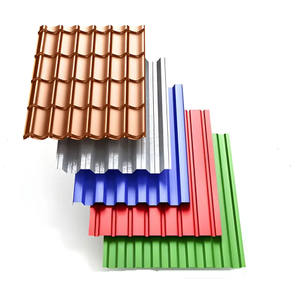
Yes. As an OEM manufacturer, our profiling lines accommodate variable input coil widths (typically 1000mm, 1200mm, or 1219mm) to roll-form standard sinusoidal corrugated sheets, trapezoidal box ribs (e.g., 66-394-788, 35-130-780, or 25-205-820 profiles), and concealed-fastener standing seam pans. Custom tooling, branding stamps, micro-ribbing, and edge stiffeners can be configured per architectural engineering drawings.
To avoid revisions and secure exact engineering pricing, share: (1) Total surface area (m²) and required sheet lengths; (2) Base Metal Thickness (BMT) from 0.15mm to 1.0mm; (3) Substrate type and coating mass (e.g., HDG Z180 or GL AZ150); (4) Topcoat chemistry (PE, SMP, PVDF) and RAL color code; (5) Profile drawing or roof pitch/span parameters; (6) Export packaging requirements (e.g., waterproof kraft wrapping, eye-to-sky vs. eye-to-wall pallets).
Wet storage stain (white rust) occurs when tightly packed zinc surfaces encounter condensed moisture deprived of free-flowing oxygen. To eliminate this risk, all our export zinc roofing bundles undergo hexavalent-free chromium or trivalent chemical passivation, light environmental electrostatic oiling, interleaving waterproof paper, corner metal guards, and heavy-gauge steel-banded seaworthy skids fitted with desiccant packs.
Connect directly with our technical metallurgical sales engineers to discuss design loads, coating certifications, sample swatches, and competitive FOB/CIF project estimates.
Our sales engineers respond to project questions during working hours (GST+4).