B2B Engineering Whitepaper & Global Sourcing Directory

Top 10 Gable Roof Flashing Manufacturers & Exporters

An authoritative guide to cold-formed verge trims, Galvalume flashing metallurgy, wind-uplift mitigation standards, and high-volume manufacturer benchmarking.

550+
Major Industrial Projects Delivered
10,000m²
Daily Continuous Profile Capacity
50Yrs
Galvalume AZ150 Design Life Span
100%
ASTM A792 & CE Compliant Testing
Engineered Envelope Systems

Featured Roof Flashing & Sealing Components

Examine primary cold-rolled gable flashings, butyl interface barriers, stone-coated bargeboards, and continuous roll-forming systems engineered for rigorous commercial roofing envelopes.

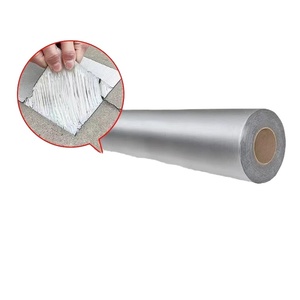
UV Resistant Waterproof Butyl Aluminum Foil Roof Flashing Tape

JLY Self-adhesive Butyl Aluminum Foil Flashing Tape

Industrial eco-friendly butyl composite tape reinforced with cross-laminated pure aluminum foil for durable lap joint sealing across gable verge junctions.

  • Elongation:≥ 300%
  • Thermal Range:-40°C to +110°C
View Technical Data
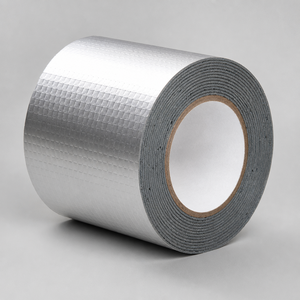
Self-Adhesive Aluminum Foil Butyl Waterproof Tape 100mm X 1.5mm

Aluminum Foil Butyl Tape 100mm × 1.5mm For Ridge & Valley

High-tack viscoelastic mastic membrane engineered for perimeter sealing, bargeboard flashing joints, valley flashing interfaces, and roof penetrations.

  • Thickness:1.5 mm Calibrated
  • Adhesion:18 N/cm to Steel
View Technical Data
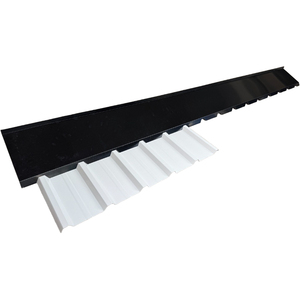
ASTM Certified Prepainted Galvalume Steel Corrugated Roof Gable Trim Flashings

Prepainted Galvalume Steel Roof Gable Trim Flashings

Custom-bent Aluzinc verge trim manufactured to ASTM standards with a 30 to 50-year design lifespan, designed to lock corrugated edges against turbulent wind shear.

  • Substrate:Galvalume AZ150
  • Finish:PVDF / Kynar 500
View Technical Data
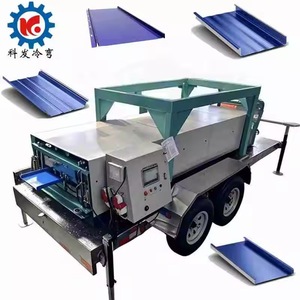
CE Certified Portable Standing Seam Metal Roof Roll Machine

Snap Lock Portable Standing Seam Roof Roll Machine

Jobsite-deployable automated roll-forming equipment fabricating double lock, clip lock, and integral gable profile sheets with micron-level tolerances.

  • Speed:10-14 m/min
  • Material Gauge:0.4 - 0.8 mm
View Technical Data
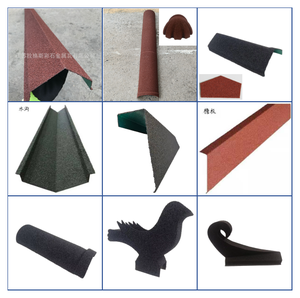
Hurricane Grade Stone Coated Metal Roof Accessories Ridge Cap Gable Flashing

Stone Coated 0.6mm Metal Roof Gable Flashing Trim

Mineral granule-coated Aluzinc architectural bargeboard and ridge capping built to endure Category 5 hurricane wind loads and intense UV exposure.

  • Core Thickness:0.60 mm High Yield
  • Wind Rating:Class 4 Impact / 160mph
View Technical Data
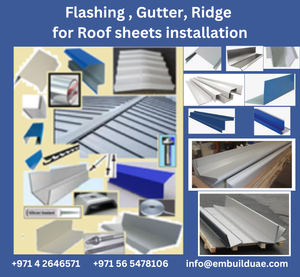
Complete Suite Valley Flashing Corner Flashing Gable Flashing Gutter Ridge Capping

Integrated Perimeter Gable, Drip, & Corner Flashing

Factory-folded precision flashing package encompassing apron verge, drip flashing, box gutters, and ridge cappings matched to sandwich panel facade colors.

  • Length:Custom up to 6.0 m
  • Profile:Hemmed Drip Leg
View Technical Data
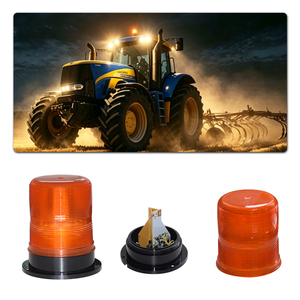
IP65 Warning Car Roof Flashing LED Strobe Warning Light

IP65 Vehicle & Construction Safety Flashing Beacon

Automotive DC12V/24V strobe warning light array designed for jobsite safety vehicles, mobile crane rigs, and elevated metal building maintenance operations.

  • Ingress:IP65 Waterproof
  • Voltage:DC 12V / 24V Multi
View Technical Data
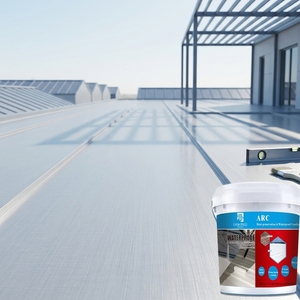
Cold Applied Acrylic Roof Coating for Metal Waterproofing Repair

Cold-Applied Acrylic Waterproofing Coating For Flashing

High-solids elastomeric emulsion engineered to bridge thermal expansion fractures at metal roof gable lap seams, fastener penetrations, and gutter junctions.

  • Solids:> 65% by Volume
  • Elasticity:> 450% Recovery
View Technical Data
Industry Sourcing Whitepaper

Engineering Principles of Gable Verge Flashing in Modern PEB Architecture

In contemporary pre-engineered steel buildings (PEB), commercial logistics centers, and architectural industrial facilities, the gable roof flashing—frequently classified as bargeboard or rake flashing—serves as the primary defensive barrier against wind-driven precipitation, atmospheric salt spray, and extreme aerodynamic uplift pressures. While continuous sandwich panels and profile decking constitute the macro-envelope of the roof, the gable verge is hydrodynamically and aerodynamically vulnerable. Fluid dynamics show that corner separation vortices generate peak negative pressures (suction) along rakes and ridges under gale-force winds.

Specifying high-integrity gable flashing requires a thorough understanding of metallurgy, metal thickness tolerances, structural fastenings, and thermal movement. When an un-cleated or under-gauged gable trim fails, the roof edge peels back, exposing the underlying PUR/PIR core insulation, mineral wool acoustic barriers, and structural Z-purlins to severe hydraulic infiltration and catastrophic tear-off.

Aerodynamic Uplift Mechanics

According to ASTM E1592 and ASCE 7-22 Zone 2/3 wind-loading models, the gable edge experiences up to 2.8 times greater uplift force than interior roof panels. Modern continuous cleat installation prevents localized screw-head pull-through under cyclic wind excitation.

Capillary Barrier Engineering

Capillary action between sheet metal overlaps draws moisture up 100 mm without hydrostatic pressure. Precision hemmed edges, coupled with neutral-cure polyether or closed-cell viscoelastic butyl tapes, break the meniscus to secure envelope water-tightness.

Thermal Expansion Allowances

Long-span steel flashings expand and contract at 0.012 mm/m/°C. In high-exposure climates like the GCC or coastal zones with delta-T reaching 65°C, fixed fastening without slotted expansion clips causes oil-canning, sheared screws, and cracked silicone seals.

Comparative Benchmark: Top 10 Global Gable Roof Flashing Manufacturers & Exporters

Global procurement teams must assess tier-one fabricators on continuous processing capacity, base metal alloy purity, coating warranties, and logistical proximity to transport corridors. Below is an engineering evaluation matrix comparing the world's leading suppliers of commercial metal roof flashing and perimeter envelope trims.

Manufacturer & Origin Primary Substrates Protective Coatings Annual Export Output Testing & Accreditations Engineering Core Advantage
Emaar Industries LLC (Oman / GCC) Galvalume (AZ150), Prepainted Steel, Aluzinc PVDF Kynar 500, High Durability Polyester (HDP) 10,000+ m²/day combined with sandwich panel systems ISO 9001:2015, ASTM A792, Civil Defence Approved Unified envelope supply (PIR panels, decking, secondary steel, custom CNC trims) optimized for high UV & coastal salt spray.
Kingspan Insulated Panels (Ireland / Global) High-Yield Steel, Aluminum Composite Kingspan XL Forté, Spectrum Polyurethane Global Tier 1 Mega Volume FM 4880, LPCB, CE EN 14509 Proprietary insulated secret-fix bargeboard profiles designed for rapid installation on cold-chain and pharmaceutical facilities.
Tata Steel Europe (UK / Netherlands) Colorcoat HPS200 Ultra, Galvalloy Super Durable Polymer (Scintilla embossed) 5,000,000+ m² integrated cladding BBA, BES 6001 Responsible Sourcing Unmatched edge protection warranties with organic polymer coatings built for harsh North Sea maritime zones.
BlueScope Steel (Australia / Asia-Pac) Clean COLORBOND, ZINCALUME steel Thermatech solar reflective technology, PVDF Multi-million ton rolling capacity AS 1397, ASTM A792M, GreenPro Certified Industry benchmark in hot-dipped aluminum-zinc alloy formulations, providing cathodic cut-edge self-healing protection.
Metal Sales Manufacturing (USA) G90 Galvanized, 0.032" - 0.050" Aluminum Fluoropon (70% PVDF), Siliconized Polyester Extensive US national footprint UL 580 Class 90, Miami-Dade NOA Rigid architectural profiles tailored for North American hurricane coastal codes and heavy snowdrift perimeter loading.
MBCI Metal Roof & Wall (USA) 24 & 26 Gauge Commercial Grade Steel Signature 200, Signature 300 Kynar High-volume PEB fabrication ASTM E1680, ASTM E1646, Florida Building Code Standardized interlocking flashing kits engineered for pre-engineered steel buildings with concealed fastener details.
Lindab Profile (Sweden / Europe) Swedish High-Grade Sheet Steel HBP GreenCoat bio-based coating Multi-plant European network EN 10169, Eurocode 3, EPD Certified Ultra-low carbon fossil-free steel trims featuring snap-together drip-free verge connections.
BEMO Systems (Germany) Architectural Grade Aluminum, Zinc, Copper PVDF, Lumiflon, Natural Patina Specialized architectural facades DIN EN ISO 14001, German Building Authority Complex 3D freeform CNC-curved gable profiles engineered for non-linear airport terminals and stadium canopies.
ArcelorMittal Construction (Luxembourg) Aluzinc, Magnelis (Zn-Al-Mg alloy) Granite HDX, Polyurethane 55µm Global Tier 1 Steel Infrastructure ISO 9001, CE Mark, Qualicoat Magnelis alloy delivers sacrificial corrosion protection in aggressive ammonia-rich agricultural environments.
Safal Group (East & Southern Africa) Zinc-Aluminum Coated Steel Optima, UltraSpan SMP Dominant African manufacturer KEBS, SABS, ISO 9001 Rugged unwashed-surface corrosion resistance tailored for the East African Rift Valley climatic variations.
Material Science & Chemical Specifications

Metallurgy, Barrier Coatings, and Service-Life Physics

Flashing longevity depends on the interaction between cold-formed base metal chemistry and the applied polymeric dry-film finish.

Galvalume AZ150 Substrate

Composed of 55% Aluminum, 43.4% Zinc, and 1.6% Silicon by weight. The aluminum provides durable barrier protection against ambient corrosion, while the zinc phases deliver galvanic self-healing protection across slit factory edges and fastener piercings.

70% PVDF Resin Systems

Polyvinylidene fluoride (Kynar 500 / Hylar 5000) formulations feature high carbon-fluorine bond energy. They resist photochemical degradation, maintain color fidelity, and avoid chalking under UV irradiation exceeding 220 kLy/yr in equatorial regions.

Corrosion Categories (C1-C5)

Standard ISO 12944 dictates heavy protective coatings for maritime environments. For C5-M (Marine) or C5-I (Industrial) applications, flashing must feature a total dry film thickness (DFT) ≥ 50 microns, with thick polyurethane or plastisol topcoats.

Hemmed Drip Architecture

Raw sheared edges are prone to crevice corrosion. A flattened 180° hem conceals the cut edge, stiffens the flashing line against wind rippling, and forms a drip-kick that guides water runoff clear of the building facade.

Strategic Procurement Horizons

Future Procurement Trends in Roof Flashing (2025–2030)

Driven by carbon tariffs (CBAM), extreme weather events, and modular digital modeling, the metal building envelope supply chain is undergoing major structural changes.

1. Low-Embodied Carbon Steel

European and GCC developers increasingly require verified Environmental Product Declarations (EPD). Flashing manufactured via Electric Arc Furnace (EAF) utilizing scrap charge and direct reduced iron (DRI) delivers up to 75% reductions in Scope 1 and 2 carbon emissions compared to conventional blast furnaces.

2. Parametric CNC Folding

Manual hand-brake press folding is being phased out in favor of automated multi-axis servo folding lines. Direct integration of 3D BIM models with automated folders eliminates jobsite cutting errors, maintains bend radii, and prevents micro-cracking in the zinc alloy protective layer.

3. Modular Cleated Flashings

Jobsite exposed-fastener penetrations are a common source of roofing envelope leaks. The market is shifting to concealed two-piece cleated systems. A heavy 20-gauge galvanized continuous cleat is mechanically locked to the rafter, allowing the finish gable trim to snap into place without penetrations.

Enterprise Manufacturing Capabilities

Why Major Industrial Developers Choose Emaar Industries

Headquartered in Muscat, Oman, Emaar Industries LLC is a premier manufacturer of high-performance PIR/PUR insulated panels, cold-rolled secondary steel, and precision metal envelope flashings for the GCC and African markets.

01

Integrated Single-Source Supply

We manufacture the complete building envelope under one roof: PIR/PUR roof and wall panels, structural Z and C purlins, metal floor decking, and precision-matched gable trims. This eliminates color variance, joint mismatches, and coordination issues between multiple suppliers.

02

Formulated for High-Heat Climates

Operating in the Arabian Gulf, we engineer metal envelope trims for extreme ambient conditions: temperatures exceeding 48°C, high UV radiation, and severe marine salinity. Our coating specifications are tested to resist chalking, blistering, and peeling across decades of exposure.

03

Certified Structural Traceability

Every batch of raw coil undergoes yield-strength testing, zinc-mass spectrometry, cross-hatch paint adhesion checks, and dry-film thickness measurement. Complete Mill Test Certificates (MTC) and ASTM/EN documentation are provided with every order.

Engineering Clarifications

Frequently Asked Sourcing & Engineering Questions

Straightforward technical answers to the most common questions raised by procurement managers, structural consultants, and roofing contractors.

What is the optimal steel gauge for industrial commercial gable flashing?

For light commercial roofs with minimal wind exposure, 0.50 mm (26 gauge) is common. For heavy industrial, PEB, or coastal projects subject to high uplift forces, we specify 0.60 mm to 0.80 mm (24 to 22 gauge) Galvalume. Thicker gauges maintain straight sightlines without oil-canning and provide the tear resistance required around screw heads.

How does Galvalume AZ150 differ from standard Galvanized Z275 in coastal areas?

Galvalume AZ150 features an aluminum-zinc alloy that offers two to four times the atmospheric corrosion resistance of standard hot-dip galvanized steel (Z275) in moderate marine environments. However, in enclosed areas subject to direct coastal salt splash or animal confinement producing ammonia, specialized heavy magnesium-zinc alloys (like Magnelis) or thick PVDF systems are recommended over untreated Galvalume.

Can gable flashings be installed directly over PIR or Rockwool sandwich panels?

Yes, but thermal isolation and proper sealing details are critical. The gable trim must incorporate a closed-cell EPDM foam profile closure strip that matches the corrugated trapezoidal profile of the sandwich roof panel. This prevents wind-driven rain from entering the exposed edge of the insulation core, protecting against thermal bridge degradation and moisture accumulation.

What is the recommended overlap distance for sequential gable trims?

Standard practice specifies a minimum overlap of 150 mm (6 inches). For low-slope roofs (≤ 1:12) or areas subject to severe monsoon rains and typhoons, the overlap should be increased to 200 mm. Overlaps should be sealed with two parallel beads of neutral-cure butyl sealant and mechanically fastened with sealed blind rivets or self-drilling stitch screws placed in the lap zone.

Why is oil-canning visible on newly installed gable flashings, and how can it be avoided?

Oil-canning is a visible waviness in flat sheet metal areas. It is typically caused by uneven fastening, thermal expansion stress on fixed screws, or misaligned structural framing. It can be minimized by specifying heavier base steel (≥ 0.60 mm), incorporating intermediate stiffening ribs into the flashing profile, and using continuous concealed cleats with slotted fixing holes that permit thermal movement.

What fasteners are recommended for securing gable trims to structural steel purlins?

Self-drilling TEK screws manufactured from carbon steel with an organic ceramic coating (such as Ruspert ≥ 1000-hour salt spray rated) or austenitic bi-metal stainless steel screws are recommended. Every fastener must include an integrated EPDM bonded sealing washer. Fasteners must never be over-torqued, which can cup the washer and create a direct water ingress path.

Request an Engineered Flashing & Panel Proposal

Send your project drawings, purlin spacings, wind load requirements, and desired color specifications. Our technical sales engineers will deliver structural takeoff calculations, submittal datasheets, and direct export pricing within 24 hours.