
Every flashing trim is precision-formed using 6063-T5 architectural aluminum or heavy-duty galvanized structural alloy. Engineered to exceed ASTM B221, AAMA 2605, and ANSI/SPRI ES-1 standards for high-wind uplift mitigation and permanent waterproofing.
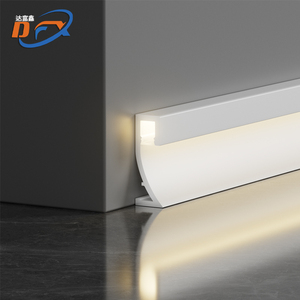
Integrated interior wall base flashing and LED illumination trim. Precision-engineered 6063-T5 aluminum provides mechanical wall base protection while housing diffusers for luxury hotel corridors and commercial spaces.
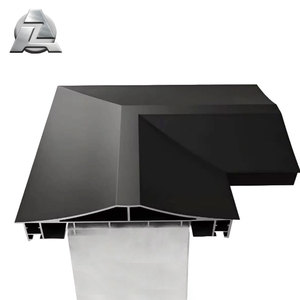
Heavy-gauge parapet wall capping with interlocking concealed splice plates and EPDM weep channels. Engineered to prevent parapet water penetration while providing clean, continuous roofline sightlines.
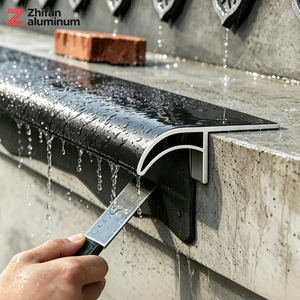
Geometric eagle-beak projection profile designed to kick rainwater 30mm clear of exterior fascias and building walls. Prevents capillary creep, staining, and freeze-thaw spalling on wall assemblies.

Continuous Z-profile flashing designed for structural fenestration heads and cladding panel horizontal joints. Acts as an impenetrable barrier against wind-driven torrential water entry at exterior seams.
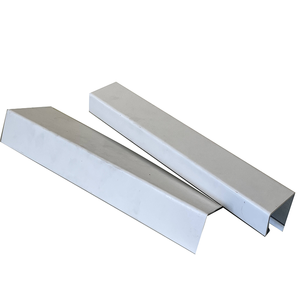
Heavy-gauge aluminum sheet roll-formed flashing engineered specifically for commercial parapet boundaries. Engineered for rapid mechanical fastening with pre-slotted thermal expansion holes.
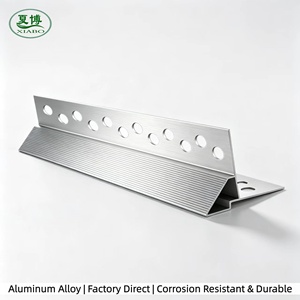
Dual-action architectural flashing providing precision water shedding combined with calculated ventilation free-area for soffit cavity air exhaust, eliminating moisture stagnation behind curtain walls.
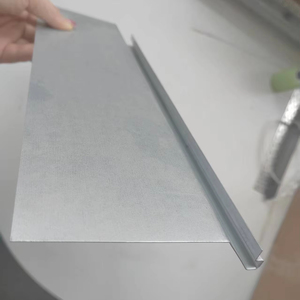
Hot-dipped G90 structural zinc-coated steel edge trim engineered for hospitals, industrial plants, and institutional wall substrates. Forms an unyielding mechanical termination for exterior stucco and EIFS coatings.
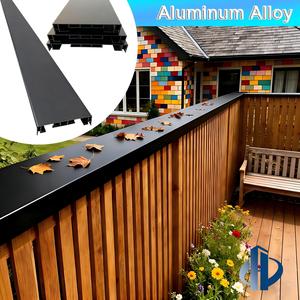
Fully customizable angle, hem, and return dimensions matched to complex building geometries. Produced via high-tonnage extrusion or automated hydraulic folding to exact architect design schematics.
In modern high-performance building envelopes, over 78% of catastrophic water intrusion and mold remediation claims trace directly to poor flashing junction engineering rather than central membrane failure. As facades transition toward complex multi-layer curtain walls, metal composite materials (MCM), and exterior insulation and finish systems (EIFS), wall flashing trims cease to be passive aesthetic trims—they serve as the primary defensive barrier managing hydrostatic pressure differentials, capillary action, and thermal expansion dynamics.
China's Tier-1 industrial manufacturing ecosystem has evolved far beyond low-cost roll forming. Today, leading Chinese manufacturing hubs combine computer-aided mechanical extrusion of architectural grade 6063 aluminum billets with continuous 12-meter CNC hydraulic folder cells. By enforcing rigorous metallurgical purity—maintaining tight silicon, magnesium, and iron tolerances—these flashing assemblies deliver exceptional corner rigidity, zero stress-cracking along acute bend radiuses, and seamless architectural lines.
Furthermore, managing the coefficient of linear thermal expansion (CLTE) is imperative. Aluminum expands approximately 2.3 mm per meter across a 100°C thermal cycle. Precision Chinese flashing manufacturers engineer slotted mechanical fastener channels and factory-supplied interior splice sleeves with closed-cell elastomeric backer gaskets, ensuring full seasonal thermal movement without buckling, joint shear, or membrane detachment.
Essential technical criteria international procurement teams and facade consultants must audit prior to sign-off:
Selecting the optimal metal substrate based on atmospheric corrosion zones, structural loading, and lifecycle costing.
| Performance Vector | Extruded Aluminum (6063-T5) | Roll-Formed Sheet (3003-H14) | Hot-Dip Galvanized Steel (G90) | Architectural Copper (C11000) |
|---|---|---|---|---|
| Typical Thickness | 1.5 mm – 3.0 mm (Heavy Duty) | 1.0 mm – 1.6 mm (Standard) | 0.8 mm – 1.5 mm (Impact Grade) | 0.7 mm – 1.0 mm (Artisan) |
| ASTM B117 Salt Spray | 4,000+ Hours (PVDF Finish) | 3,000+ Hours (Powder Coat) | 1,000 – 1,500 Hours | Indefinite (Forms Patina) |
| Wind Uplift (ES-1) | Highest Rigidity | Medium / High with Cleat | High Structural Modulus | Medium Tensile Yield |
| Design Geometries | Infinite (Complex Cavities) | Linear Flanged Bends | Standard Profiles Only | Folded / Soldered Only |
| Galvanic Compatibility | Requires Isolators on Steel | Requires Isolators on Steel | Matches Structural Steel | Strict Isolation Needed |
| Lifecycle Cost Index | Optimal (30+ Year Zero Care) | Cost-Effective (15–25 Years) | Low Initial / High Maintenance | Very High Initial Capital |
How evolving zero-carbon mandates, automated facade off-site manufacturing, and BIM integration are transforming China's wall trim supply chains.
Global developers operating under LEED v4.1 and BREEAM standards are mandating low-embodied-carbon aluminum. Tier-1 Chinese mills are switching to scrap-blend billets powered by hydroelectric and solar smelting facilities, offering profiles with certified Environmental Product Declarations (EPDs) delivering embodied carbon levels below 4.0 kg CO2e per kg of finished extrusion.
The traditional workflow of field-measuring flashings with tape and tin-snips is obsolescent. Chinese extrusion hubs now interface directly with Revit and IFC parametric BIM models. Automated CNC slitting and nesting lines produce mill-labeled trim packages cut to project layout dimensions, cutting job-site scrap from 14% down to under 1.5% while accelerating installation timelines.
Silicone sealants inevitably suffer UV breakdown within 7 to 10 years, causing localized leaks. Next-generation Chinese flashing systems feature engineered dry-joint click mechanisms utilizing vulcanized EPDM compression seals and mechanical lap locks. This eliminates field caulk dependencies, cuts labor expenditure, and enables a continuous 35-year maintenance-free envelope lifecycle.
From raw primary billet smelting to automated packaging, our integrated production lines deliver consistent dimensional tolerances, custom surface treatments, and certified international shipping containers.
Our facility houses an in-house wire-EDM die production center capable of engineering, heat-treating, and validating custom extrusion profiles in as fast as 7 business days. Whether your drawings call for complex thermal breaks, concealed fastener channels, or multi-angle parapet coping corners, our engineers optimize profile geometry for uniform wall thickness and zero structural distortion.
Operating automated horizontal and vertical coating lines equipped with Swiss Gema spray guns. We apply AAMA 2603, 2604, and 2605 compliant finishes in full accordance with PPG and AkzoNobel standards. Guaranteed film thickness (minimum 35 microns for PVDF), color consistency (Delta E < 0.5), and comprehensive resistance to extreme UV irradiation, saline air, and desert sand abrasion.
Every batch undergoes rigorous lot-level testing: optical spectrometry for alloy composition, cross-hatch adhesion testing (ASTM D3359), impact deformation checking, and Webster hardness grading. We provide Mill Test Certificates (MTCs), comprehensive 3.1 chemical inspection sheets, and pre-shipment photographic reports with full batch-number traceability.
Clear, technically verified answers addressing international supply contracts, standards compliance, tooling costs, and export packaging.
Whether you require standardized eave drip trims, custom-milled parapet coping profiles, or submittal packages for upcoming commercial tenders, our technical sales engineers will deliver structural recommendations, samples, and direct factory pricing within 24 hours.
Contact UsOur sales engineers respond to project questions during working hours (GST+4).