
Manufactured on high-speed continuous European lines, our certified building systems deliver unyielding structural durability, superior thermal insulation, and strict compliance with Kenya Bureau of Standards (KEBS) engineering frameworks.
Kenya presents one of the most mechanically demanding environments in East Africa for commercial metal envelopes. Designing long-life building roofs requires addressing radical shifts between marine salinity, high-altitude UV radiation, and severe tropical condensation.
Cities such as Nairobi (1,795m), Eldoret (2,095m), and Nakuru face extreme UV radiation indices (UVI > 11+ year-round). Standard pre-painted galvanized iron (PPGI) experiences premature chalking, micro-cracking, and rapid pigment fading within 36 to 48 months. Our AA3004 and AA3003 structural aluminum panels leverage multi-layer fluoropolymer (PVDF) and Super Durable Polyester (SMP) resins, maintaining Solar Reflectance Index (SRI) values above 78% for decades.
Mombasa Port, Kilindini Harbour, Changamwe, and the Dongo Kundu Special Economic Zone (SEZ) fall under severe ISO 9223 C4 and C5 marine-industrial classifications. Airborne marine chlorides combined with humidity levels over 85% cause aggressive edge corrosion on galvanized cut edges. Marine-grade Al-Mn-Mg (3000 series) aluminum alloys naturally generate a self-passivating alumina barrier, resisting pitting corrosion without peeling.
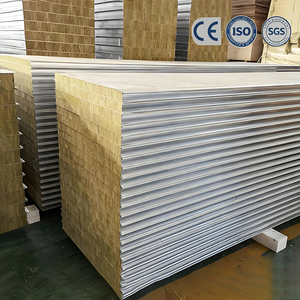
In the tea and coffee corridors of Kericho, Kiambu, and Nyeri, ambient temperatures can drop from 28°C during peak sunlight down to 10°C at nightfall. This thermal oscillation produces severe undersheet dew-point condensation. Uninsulated single-skin iron sheets drip corrosive condensation onto stored agricultural commodities. Our continuous PIR/PUR and Rockwool sandwich panels integrate vapor-tight tongue-and-groove joints to prevent thermal bridging.
All aluminum roofing profiles supplied to Kenya conform strictly to KS EAS 414:2014 (Corrugated aluminium sheets for roofing) and KS 02-106 standards. Submittals for structural engineering approval by the National Construction Authority (NCA) and BORAQS-registered quantity surveyors include mill test certificates (MTC), coating thickness verification (ASTM D1186), and salt spray chamber tests exceeding 3,000 hours under ASTM B117 standards.
A technical evaluation designed for consulting structural engineers, procurement executives, and EPC project managers executing industrial masterplans in East Africa.
| Engineering Property | AA3004 / AA3003 Aluminum Profile | Insulated Aluminum PIR Panel | Pre-Painted Galvanized Iron (PPGI) | Aluzinc / Galvalume (AZ150) |
|---|---|---|---|---|
| Density / Structural Dead Load | 2.72 g/cm³ (Ultra-Lightweight) | 8.5 - 12.8 kg/m² (Composite) | 7.85 g/cm³ (High Substructure Load) | 7.80 g/cm³ (Heavy Dead Load) |
| Corrosion Resistance (Mombasa C5 Zone) | Immune to rust; Self-healing oxide | Impervious envelope; Zero rust creep | Severe cut-edge corrosion in 2-3 years | Vulnerable to micro-fissuring in salt fog |
| Thermal Conductivity (λ-value) | High reflectivity (SRI ≥ 78) | 0.022 W/m·K (Thermal Block) | 50 - 58 W/m·K (Radiates heat indoors) | 45 - 50 W/m·K (Moderate heat trap) |
| Purlin Span Capability (1.0mm thickness) | Up to 1.8m purlin spacing | Spans up to 4.5m without sag | Requires 1.2m purlin centers | Requires 1.4m purlin centers |
| Fire Safety Rating | Non-combustible (Class A1) | PIR B-s1, d0 / Rockwool A1 non-combustible | Non-combustible (Toxic smoke if coated) | Class A (Surface spread restricted) |
| 25-Year Lifecycle Cost (Kenya TCO) | Lowest: 0 maintenance; High scrap value | Lowest HVAC load; 40% energy cut | High: Periodic re-coating & rust repairs | Moderate: Fastener leak risks over time |
From Mombasa’s deep-water port infrastructure to the agro-industrial belts of the Great Rift Valley, our aluminum roof and wall assemblies are calibrated for localized microclimates.
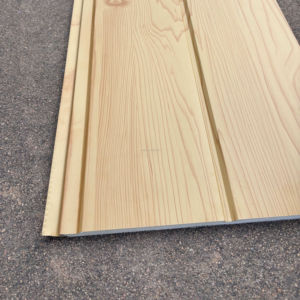
Warehouses, freight handling depots, and maritime packaging hubs adjacent to the Port of Mombasa face constant exposure to salt-laden trade winds and severe humidity. Our standing-seam and trapezoidal box profile aluminum sheets (0.7mm - 1.2mm) eliminate rusted screw perforations through concealed fixing clips, ensuring zero water ingress during tropical monsoon storms.
Tea fermentation factories, coffee drying centers, and horticultural packhouses require strictly controlled interior relative humidity and temperature. Our insulated PIR aluminum roof panels stop heat gain from the equatorial afternoon sun while eliminating undersheet water droplet formation that ruins export-grade agricultural crops.
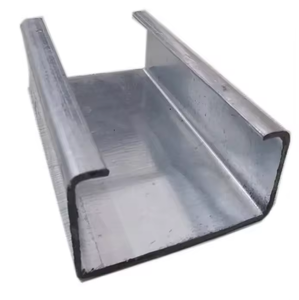
Modern fast-moving consumer goods (FMCG) distribution centers, pharmaceutical warehouses, and assembly plants in Nairobi's Special Economic Zones require expansive clear-span steel framing. Incorporating our cold-formed C/Z purlins alongside lightweight aluminum sandwich panels reduces structural steel deadweight by up to 35%, lowering foundation and seismic costs.
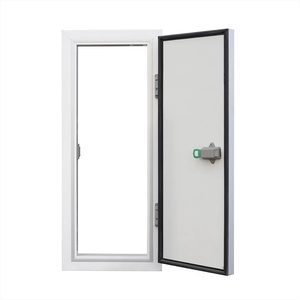
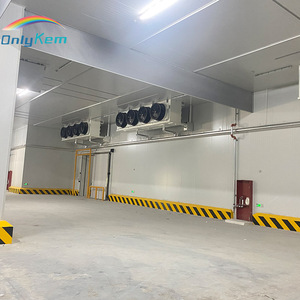
Cut-flower cold rooms, post-harvest vacuum coolers, and regional vaccine distribution hubs require uninterrupted thermal barriers. Our heavy-duty polyurethane and PIR insulated panels (up to 200mm thickness) with cam-lock joining systems and manual walk-in freezer doors guarantee thermal containment from -40°C to +15°C.
Driven by Kenya Vision 2030, rapid industrialization, and tightening regulatory frameworks, commercial builders are transitioning from commodity iron sheeting to engineered aluminum systems.
The Kenya Anti-Counterfeit Authority (ACA) and KEBS have intensified inspections across entry ports and construction sites. The market is aggressively rejecting unbranded, under-gauge (e.g., nominal Gauge 32 or 30 falsely labeled as Gauge 28) sheets. Leading tier-one contractors now demand fully traceable mill certificates, stamped steel/aluminum thicknesses (in true millimeters rather than ambiguous gauge numbers), and documented warranties directly from manufacturers.
With Kenya Power (KPLC) industrial tariffs and the push for industrial decarbonization, over 65% of new manufacturing and logistics facilities in Athi River and Tatu City install commercial rooftop solar arrays. Standard iron sheeting lacks the structural longevity to outlast 25-year solar panels without needing replacement. Standing-seam aluminum panels accommodate solar clamps directly onto the seams without screw penetrations, providing a durable platform for solar PV systems.
Multinational developers (such as Tilisi Logistics, Africa Logistics Properties, and Tatu City developers) build to IFC EDGE (Excellence in Design for Greater Efficiencies) standards. Insulated aluminum sandwich panels provide quantifiable thermal boundary control, reducing building envelope cooling loads by up to 40% and aiding compliance with Kenya's Green Building Standards and Energy Act thermal performance mandates.
Supply chain efficiencies have been transformed by the Standard Gauge Railway (SGR) connecting Mombasa Port to the Nairobi Inland Container Depot (ICD) at Embakasi. SGR container freight reduces transit times to under 12 hours from port discharge to clearing depot, allowing containerized aluminum roof shipments to reach project sites in central Kenya without coastal demurrage penalties.
Combining world-class continuous production technology with an established African export footprint, we provide reliable turn-key envelope systems for major engineering projects.
Continuous automated panel production lines operating at high speeds ensure the highest volumetric batch consistency, custom lengths up to 13.5 meters, and prompt factory turnaround times for time-sensitive construction programs.
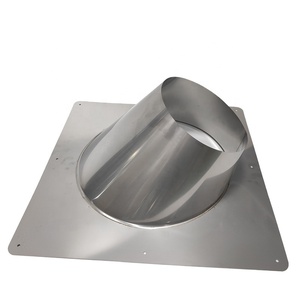
Eliminate multiple suppliers and specification mismatches. We manufacture matching panels, cold-formed structural C and Z purlins, decking profiles, custom flashing, ridge capping, and fasteners in-house for coordinated assembly.
With more than 550 industrial facilities delivered across the GCC and East Africa, our export logistics teams manage open-top sea containerization, anti-abrasive interleaf packing, and seaworthy bundling for safe transport.
All production operations adhere to ISO 9001, ISO 14001, and ISO 45001. We provide complete inspection files, CE documentation, and Pre-Export Verification of Conformity (PVoC) certificates for direct customs release.
Actionable answers addressing import regulations, standards compliance, structural criteria, and logistics for Kenyan contractors and developers.
The Kenya Bureau of Standards mandates a Pre-Export Verification of Conformity (PVoC) program to protect against substandard products. Before dispatch, panels undergo physical sampling and laboratory verification by an authorized inspection agency (e.g., SGS, Intertek, or Bureau Veritas). A Certificate of Conformity (CoC) is issued to your clearing agent for fast customs release via the KRA Simba/iCMS system at Kilindini Port or the Nairobi ICD.
We strongly advise specifying roofing profiles in exact base metal thickness (BMT) millimeters (e.g., 0.70mm, 0.80mm, or 1.0mm) rather than the historical British Standard Gauge (BG/G). Gauge terminology has been distorted by low-tier suppliers selling Gauge 32 (under 0.20mm) as Gauge 28. Under Kenya Standard KS EAS 414, industrial aluminum roofing sheets must maintain specified thickness tolerances across all crests and troughs.
Our shipping facilities connect directly across the Indian Ocean to the Port of Mombasa (Kilindini). Standard direct container freight transit ranges between 10 to 16 sailing days. Panels are packed with protective interleaf films, moisture desiccant bags, heavy-duty edge guards, and strapped into 20ft or 40ft high-cube open-top containers to withstand open-ocean shipping.
The Great Rift Valley (Nakuru, Naivasha, Suswa) experiences intense localized downdrafts and high wind suction loads. Aluminum roof profiles require engineering to withstand these forces. We supply calibrated crest-fixing fasteners with wide-diameter EPDM vulcanized washers, or heavy-duty standing seam clips that resist uplift pressures exceeding 2.4 kN/m² without tearing the sheet.
For general industrial warehouses and commercial canopies, PIR (Polyisocyanurate) is the industry standard due to its excellent thermal resistance (λ ≈ 0.022 W/m·K) and self-extinguishing fire behavior. For cold storage and blast freezers, high-density PUR or PIR is selected. If fire safety classifications demand an A1 non-combustible envelope (such as boundary walls, power plants, and oil depots), stone-based Rockwool sandwich panels are required.
Yes. End-lapping on low-pitch roofs is a common source of leakage during torrential downpours in Kenya. Our continuous roll-forming lines can produce single panels up to 13.5 meters to fit standard 40ft shipping containers. For larger projects, on-site mobile roll forming can be deployed for seamless ridge-to-eave single spans exceeding 30 meters.
Submit your architectural drawings, purlin schedules, or bills of quantities (BOQ). Our structural engineering team provides custom load span calculations, U-value analyses, and CIF Mombasa freight pricing within 24 business hours.
Get a QuoteOur sales engineers respond to project questions during working hours (GST+4).