
Direct-from-factory high-performance insulated roof panels manufactured on continuous European-standard laminating lines. Fully compliant with ASTM, AS/NZS, and Thai TISI building envelope codes.
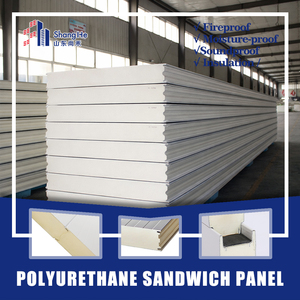
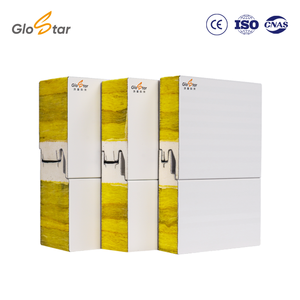
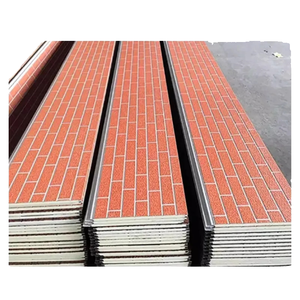
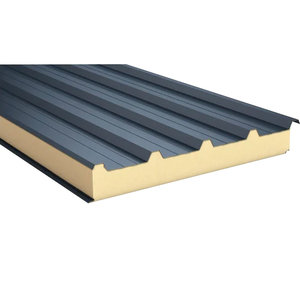
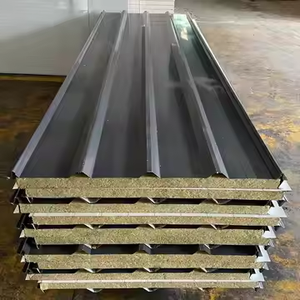
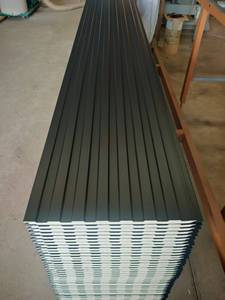
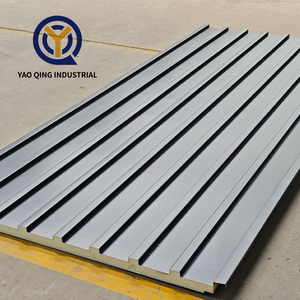
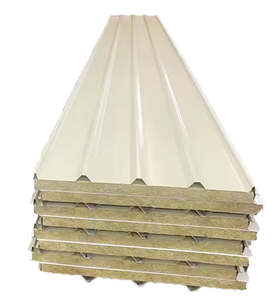
Thailand’s equatorial tropical wet-and-dry climate (Köppen Aw) subjects industrial and commercial roof envelopes to severe microclimatic pressures. With annual global solar irradiation averaging between 1,800 and 2,000 kWh/m² and summer roof-skin surface temperatures frequently surpassing 78°C in non-insulated metal decks, radiant thermal flux into manufacturing shop floors creates an intolerable heating load on HVAC systems.
Standard single-skin metal cladding overlaid with field-laid glass wool insulation blanket routinely fails in Southeast Asia due to interstitial condensation. When humid outdoor air (relative humidity hovering between 75% and 92%) migrates into poorly sealed cavities, it strikes the cooled internal foil membrane, creating localized vapor saturation, insulation compression, mold infestation, and catastrophic under-roof corrosion.
Moreover, during the torrential monsoon season from May to October, rainfall intensity across central and eastern Thailand can reach instantaneous peaks of 120 mm/hour. Our engineered trapezoidal roof profiles feature 38 mm to 42 mm high standing ribs, integrated capillary micro-grooves, and concealed screw cap overlap joints that prevent hydraulic head pressure leakage during horizontal wind-driven deluges.
Optimizing structural payload, thermal U-values, non-combustibility criteria, and cost efficiency across industrial, cold storage, and chemical infrastructure projects in Thailand.
| Insulation Core Type | Nominal Density | Thermal Cond. (λ) | Fire Reaction Rating | Moisture Absorption | Optimal Thailand Application |
|---|---|---|---|---|---|
| Continuous PIR (Polyisocyanurate) | 40 - 45 kg/m³ | 0.020 - 0.022 W/(m·K) | Class B1 / B-s1, d0 (Charring) | < 1.5% by volume | EEC Logistics Hubs, Cold Storage, Modern EV & Battery Facilities |
| Rigid PUR (Polyurethane) | 38 - 42 kg/m³ | 0.022 - 0.024 W/(m·K) | Class B2 / Self-extinguishing | < 2.0% by volume | Commercial Chillers, Agricultural Packhouses, Standard Warehouses |
| Basalt Rock Wool (Mineral Wool) | 100 - 140 kg/m³ | 0.038 - 0.042 W/(m·K) | Class A1 Non-combustible (up to 4 Hrs) | Hydrophobic < 1.0 kg/m² | Chemical Processing Plants, Rayong Petrochemical Parks, Heavy Foundry |
| High-Grade Glass Wool | 50 - 64 kg/m³ | 0.035 - 0.039 W/(m·K) | Class A Non-combustible | Fibers Hydrophobic Treated | Textile Mills, Assembly Sheds, Sound Barrier Enclosures |
| Flame-Retardant EPS | 16 - 20 kg/m³ | 0.038 - 0.041 W/(m·K) | Class B1 with FR Additives | < 4.0% by volume | Budget Warehousing, Temporary Modular Shelters, Agro-sheds |
Engineered specifications tuned to the regulatory, thermal, and atmospheric demands of Thailand's specialized industrial provinces and special economic zones.
Advanced automotive, electric vehicle (EV), and high-tech electronic mega-factories in Amata City and WHA Mega Industrial Estates. Our PIR roof panels with 55% Al-Zn Galvalume steel skins (AZ150) deliver zero-maintenance resistance against coastal salt fog and aggressive acidic industrial particulates.
Mega-chillers, frozen seafood export hubs, and tropical fruit logistics centers requiring continuous interior thermal stabilization (-25°C to +4°C). Injected high-density PUR/PIR tongue-and-groove joint panels prevent vapor migration, icing buildup, and thermal bridging at joint overlaps.
Refineries, plastics synthesizers, and chemical warehouses requiring absolute adherence to Thailand Ministerial Fire Regulations. Our Class A1 continuous basalt rock wool sandwich roof systems provide 120 to 240 minutes of structural fire containment without emitting toxic fumes or flammables.
Seafood processing facilities in Surat Thani and Songkhla exposed to continuous internal washing, organic brine moisture, and high marine humidity. We configure heavy-gauge PVDF or food-safe anti-microbial coatings resistant to caustic sanitation detergents and severe saltwater corrosion.
Strategic shifts in green building standards, regulatory mandates, and clean energy synergy driving architectural adoption across Southeast Asia.
The Department of Alternative Energy Development and Efficiency (DEDE) has mandated strict Overall Thermal Transfer Value (OTTV) thresholds below 30–50 W/m² for newly constructed buildings exceeding 2,000 m². Conventional double-skin sheeted roofs with sagging fiberglass fail these rigorous heat flux audits. Pre-engineered continuous PIR composite roof panels are now the specified default envelope system for EPC contractors bidding on institutional, aviation, and Grade-A logistics warehouses across Thailand.
Driven by high commercial electricity tariffs (approaching 4.5–5.0 THB/kWh) and national Net Metering initiatives, over 80% of new factory builds in Chonburi and Rayong integrate massive rooftop solar arrays. This demands roof panels engineered with superior compressive core strength (>160 kPa) and reinforced high-rib profiles capable of supporting ballast-free solar mounting clamps without puncturing the waterproof membrane or crushing the insulating matrix.
Multinational manufacturers expanding in Thailand under BOI (Board of Investment) privileges are targeting international green building credits (LEED v4 or Thailand's Rating of Energy and Environmental Sustainability - TREES). Our continuous production process utilizes zero-ODP, low-GWP pentane blowing technology, entirely free of CFCs and HCFCs, providing significant Life Cycle Assessment (LCA) points and carbon footprint offsets for corporate sustainability reports.
Combining advanced German roll-forming engineering, automated high-pressure polyol blending, and dedicated ASEAN-China Free Trade supply chains.
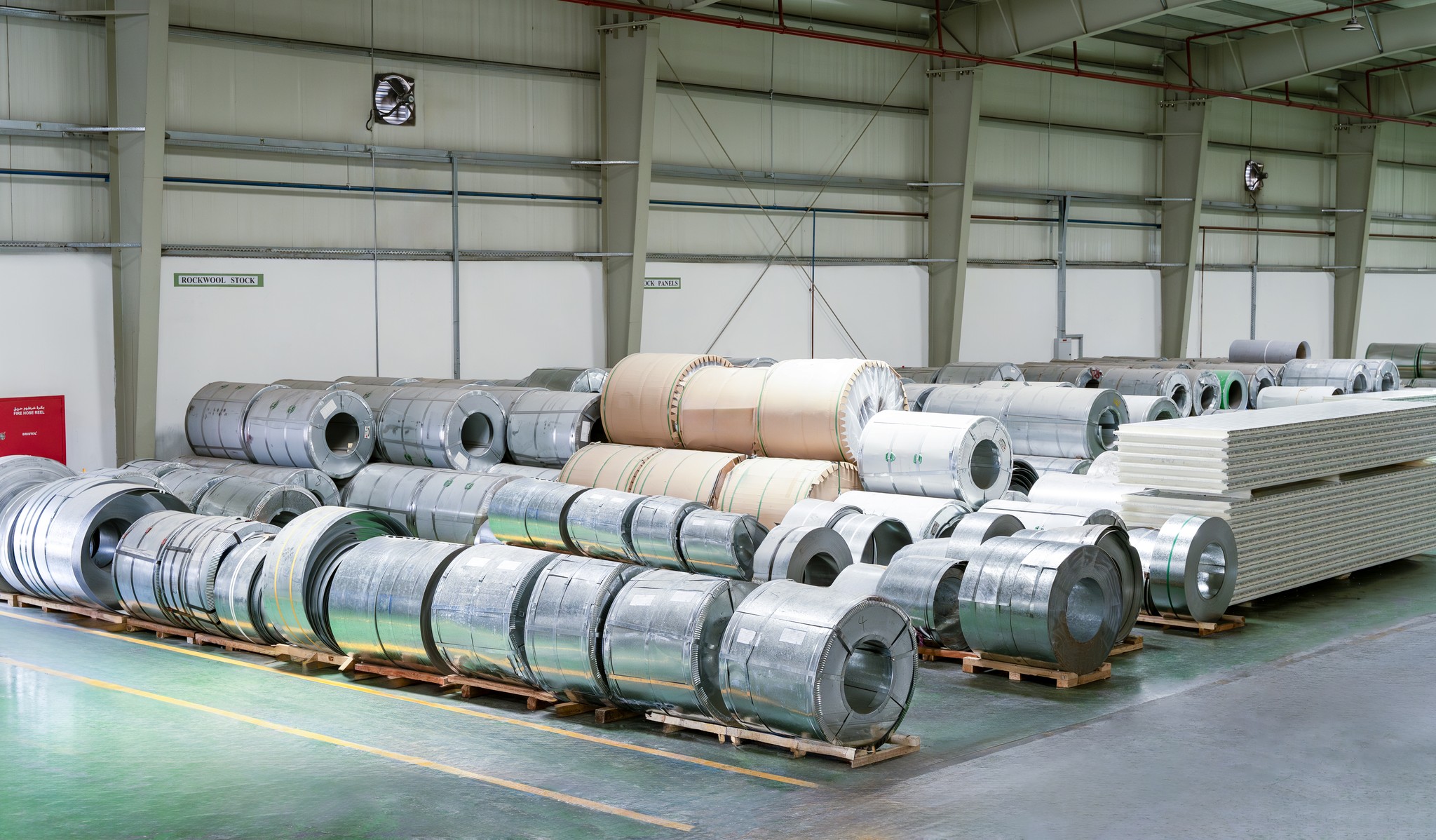
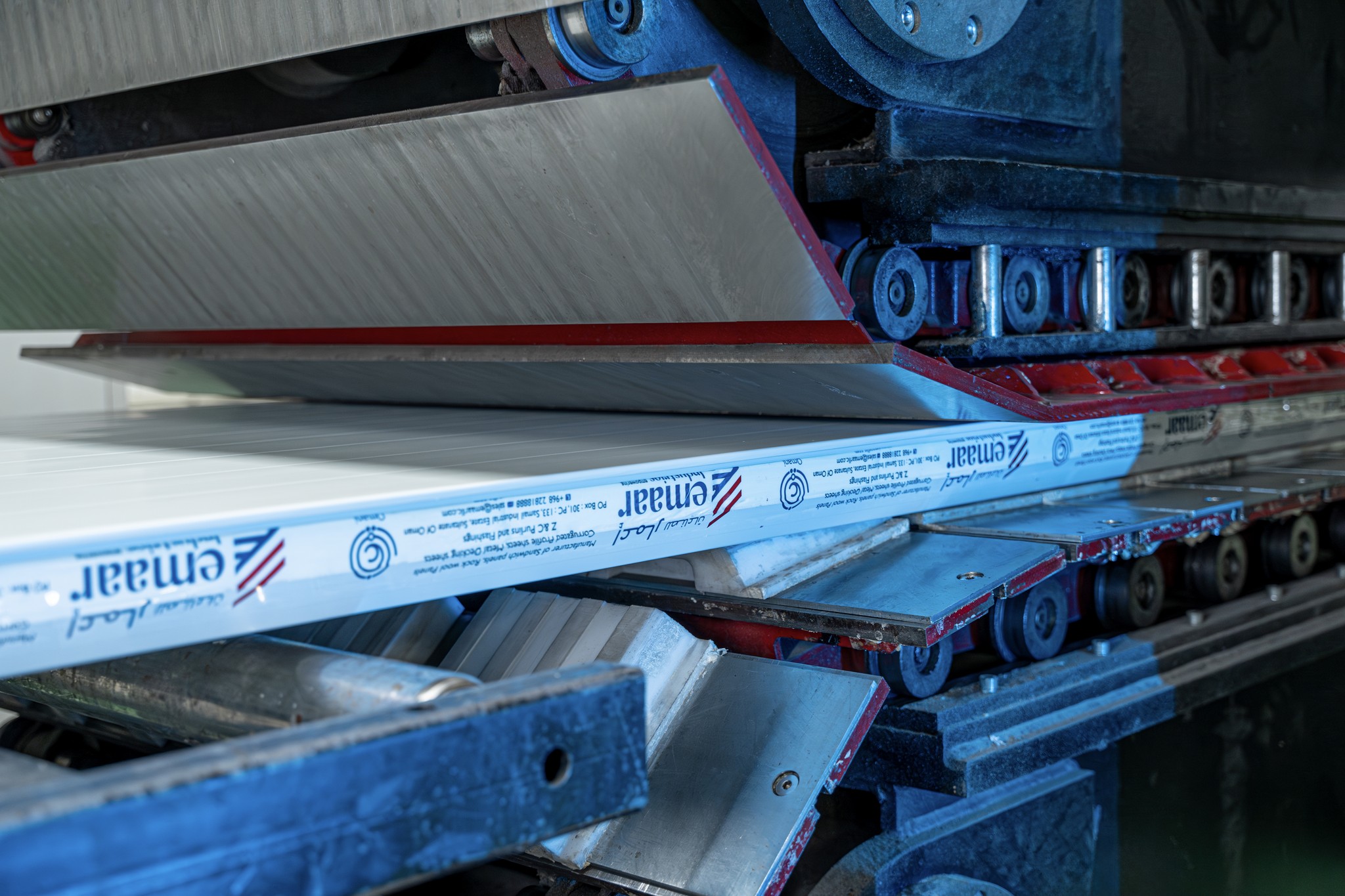
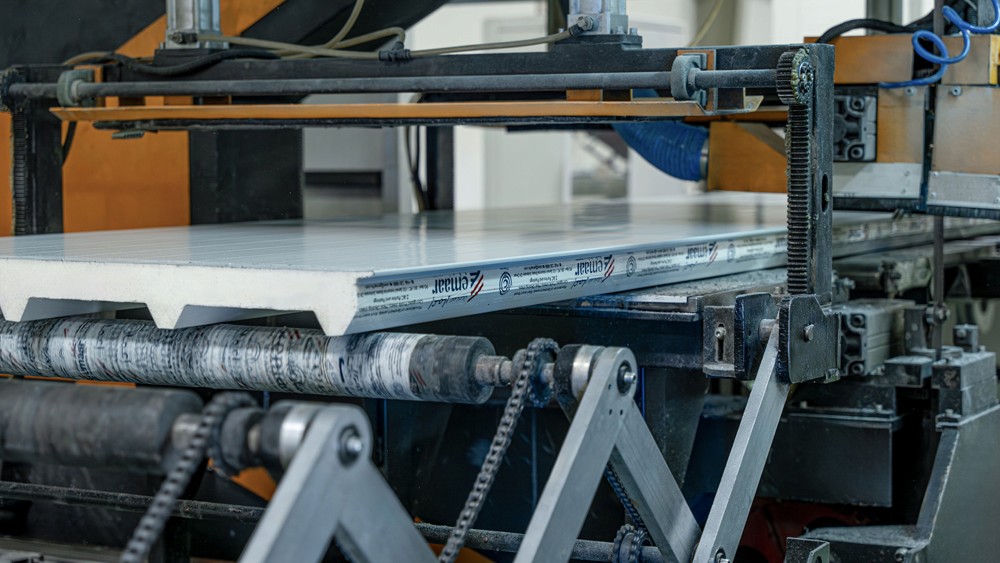
Twin continuous 40-meter caterpillar double-belt presses guarantee millimeter-accurate panel flatness, continuous foam curing, and rapid project delivery within 10-14 days from drawing approval.
As a certified Chinese manufacturer, we issue legitimate Certificate of Origin Form E documents, granting Thai importers complete exemption from the baseline 5% to 10% customs import duty on steel panels.
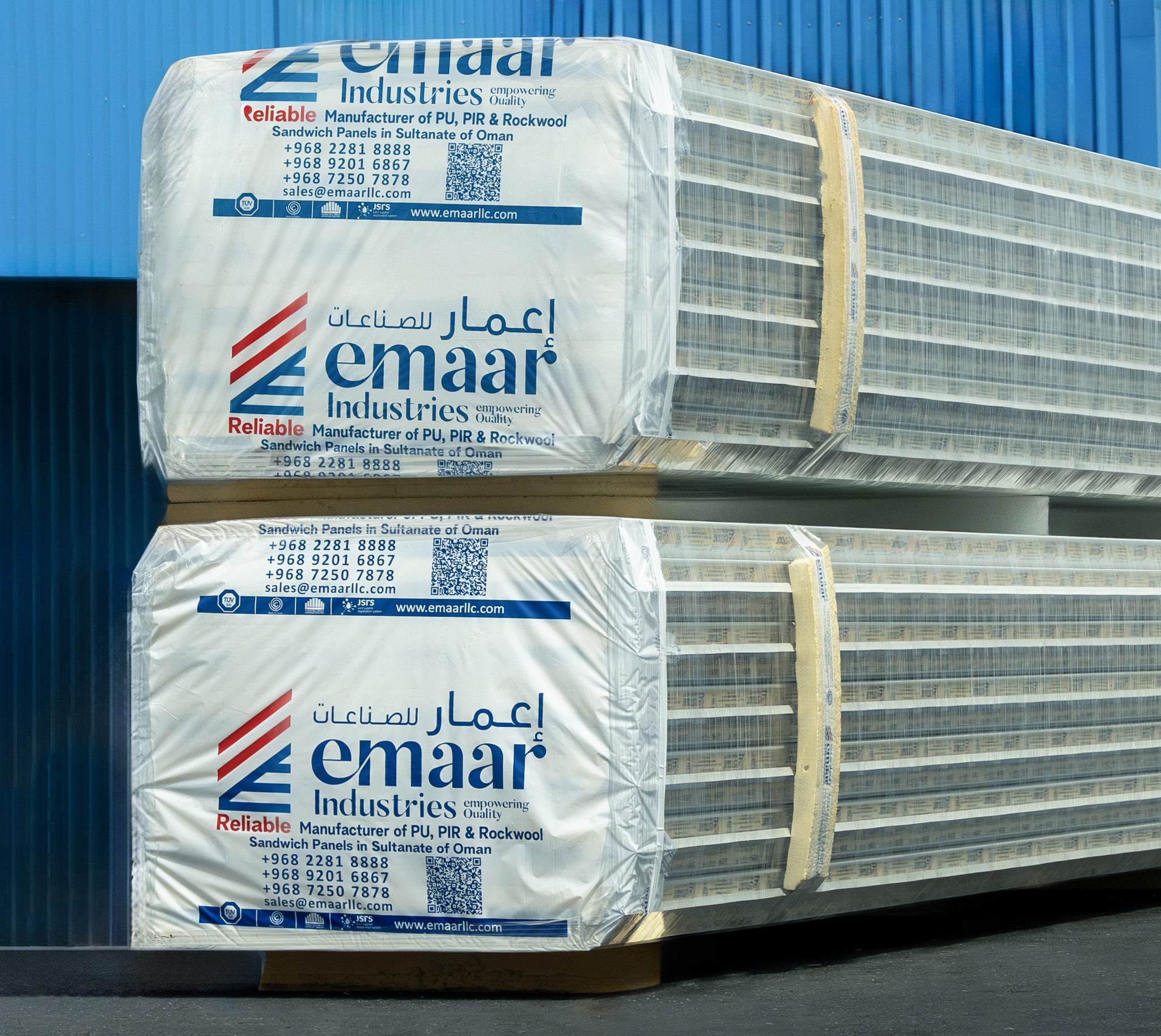
Strategic maritime logistics routes from Ningbo, Shanghai, or Shenzhen to Laem Chabang container terminals with transit times of just 5 to 7 days, fully packaged with waterproof PE film and heavy-duty steel cradles.
One-stop supply encompassing ridge caps, parapet flashings, matching eaves gutters, self-drilling bimetal screws with EPDM washers, and custom translucent polycarbonate skylight panels matching identical rib geometries.
Consult with our structural engineering team for span-load calculations, thermal OTTV modeling, wind-uplift verification, and comprehensive FOB/CIF Bangkok or Laem Chabang quotations.

Our sales engineers respond to project questions during working hours (GST+4).