
Every component is precision-manufactured under continuous computerized laminating lines to satisfy tight particulate leakage thresholds, anti-corrosive chemical washdowns, and thermal barrier compliance in Thailand's tropical manufacturing zones.
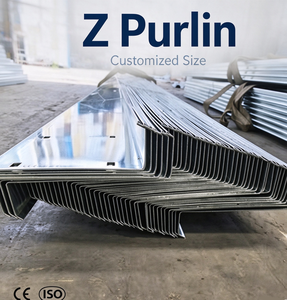
High-tensile zinc-coated anti-rust cold-rolled profiles engineered for heavy ceiling plenum suspended grids, HEPA filter fan unit (FFU) walk-on support, and service raceway integration.
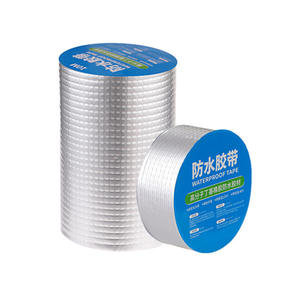
Elastomeric, non-hardening joint membrane for airlock penetration seals, envelope flashing, and vapor-tight integrity against severe ambient Bangkok tropical humidity.
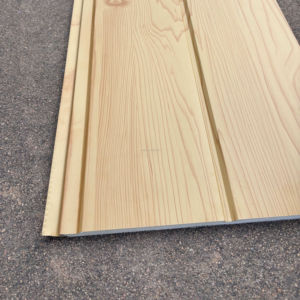
Eco-friendly fire-retardant PUR/PIR insulated metal cladding with anti-microbial pre-coated steel skin, suited for external wash bays and secondary buffer partitions.
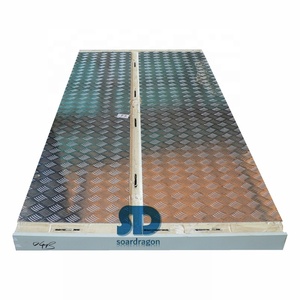
Heavy-duty 100mm rigid polyurethane insulated thermal floor slabs with embossed anti-slip aluminum deck, ideal for walk-in pharma incubators and cold cleanrooms.

Double-side flush tongue-and-groove joint profile with micro-ribbed or mirror-smooth steel faces, preventing particulate retention and ensuring rapid aseptic wiping.
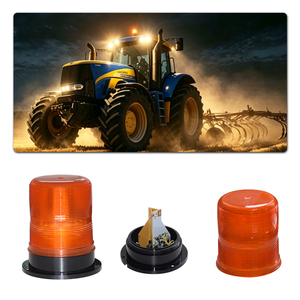
Hermetically sealed optical indicator for pass-through airlocks, differential pressure warnings, and emergency decontamination cycles in pharmaceutical corridors.
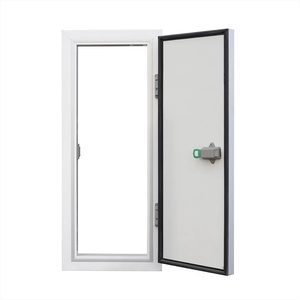
Heavy-gauge manual hinged door featuring perimeter double-drop rubber seals, integrated inspection window, and flush-mounted lock hardware for positive-pressure airlocks.
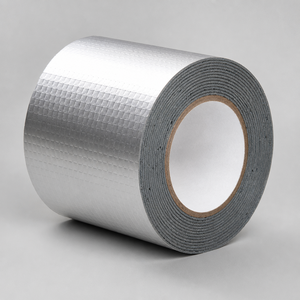
100mm x 1.5mm thermal-resistant vulcanized adhesive strip for jointing AHU ducts, ceiling junction coves, and wall-to-floor vapor barrier transitions.
An authoritative engineering analysis for procurement directors, MEP engineering consultancies, and EPC contractors operating across Thailand's Eastern Economic Corridor and Greater Bangkok.
The manufacturing ecosystem of Thailand is undergoing an unprecedented modernization cycle. Guided by the Thailand 4.0 economic blueprint and the expansion of the Eastern Economic Corridor (EEC)—spanning Chonburi, Rayong, and Chachoengsao—together with legacy industrial clusters in Samut Prakan, Pathum Thani, and Ayutthaya, cleanroom infrastructure demands have reached an all-time high. The migration of high-density semiconductor back-end assembly, EV battery gigafactories, automated surface mount technology (SMT) facilities, and PIC/S GMP-compliant pharmaceutical production requires building envelopes capable of sub-micron particle containment and stringent atmospheric control.
Procuring cleanroom wall systems from leading Chinese manufacturing plants gives Bangkok engineering enterprises a critical dual advantage: unrivaled production scale combined with advanced metallurgical and polymer innovation. With domestic continuous double-belt automated lines running up to 10,000 m² daily, Chinese facilities achieve precise panel flatness tolerances (±0.5mm), consistent core-injection density, and pre-engineered joint interlocks that drastically minimize on-site installation timelines. Furthermore, the comprehensive regional supply chain allows complete architectural envelope delivery—comprising modular walls, flush-glazed vision panels, walk-on ceilings, structural Z/C framing, and medical-grade coving accessories—within a single, consolidated logistic dispatch via major maritime lanes connecting Shanghai, Ningbo, or Shenzhen directly to Bangkok Port (PAT) and Laem Chabang.
Designing and constructing controlled environments within the Greater Bangkok Metropolitan Area introduces severe thermodynamic challenges unfamiliar to temperate regions. Bangkok experiences an average year-round relative humidity (RH) exceeding 75% to 85%, coupled with sustained dry-bulb temperatures between 32°C and 40°C. Conversely, cleanrooms operating inside pharmaceutical compounding facilities or microelectronic fabrication suites maintain strict internal states: typically 20°C ± 2°C with 45% to 55% RH (and as low as 1% to 2% RH in EV battery dry rooms).
This steep psychrometric gradient creates extreme continuous vapor drive from the exterior ambient air toward the internal cleanroom core. If the cleanroom wall panel envelope is poorly specified or possesses microscopic vapor leaks:
Our cleanroom wall systems resolve these issues through an impervious multi-barrier approach. We employ heavy zinc-coated galvanized steel skins (Z275 / AZ150) topped with anti-microbial Polyvinylidene Fluoride (PVDF) or High-Durability Cleanroom (HDC) polyester coatings that resist aggressive biocidal fumigations (such as Vaporized Hydrogen Peroxide - VHP). Core materials are formulated with closed-cell polyisocyanurate (PIR ≥ 95% closed-cell content) or hydrophobically treated basalt mineral wool (water absorption < 0.5 kg/m² per EN 1609). Joints feature precision tongue-and-groove profiles paired with factory-injected silicone-free closed-cell EPDM gaskets and secondary butyl vapor-stop tape, forming an impenetrable hermetic seal against Bangkok's tropical vapor pressure.
Selection of cleanroom wall panel cores must reflect the precise hazard classifications, thermal gradients, and fire compartmentalization mandates governed by Thailand's Building Control Act and international cleanroom codes.
| Core Architecture | Standard Density | Thermal Conductivity (λ) | Reaction to Fire (EN / ASTM) | Moisture Resistance | Primary Cleanroom Application |
|---|---|---|---|---|---|
| Rigid PIR (Polyisocyanurate) | 40 - 45 kg/m³ | 0.020 - 0.022 W/(m·K) | B-s1, d0 / Class A (ASTM E84) | Superior (>95% closed-cell) | Pharmaceutical cold cleanrooms, biotech suites, dry rooms requiring high thermal insulation. |
| Structural Rockwool (Basalt) | 100 - 140 kg/m³ | 0.038 - 0.042 W/(m·K) | A1 / A2 Non-combustible (2-4h fire wall) | Treated Hydrophobic (Low) | Fire separation corridors, high-occupancy electronics facilities, battery cell production. |
| Aluminum Honeycomb | 5052 Alloy Core | N/A (Structural Core) | Class A Non-combustible | Impermeable / Zero absorption | Class 1 to Class 100 semiconductor cleanrooms, aerospace, MEMS precision optical cleanrooms. |
| Glass Magnesium / Rockwool Compound | Dual 5mm MGO + Rockwool | 0.044 W/(m·K) | A1 Non-combustible / Heavy impact | Moderate (Sealed edges required) | Heavy equipment corridors, sterile hospital partition walls, high impact clean environments. |
*Note: All panels are fabricated in standard widths of 1180mm and 1150mm with skin steel thicknesses from 0.5mm to 0.8mm, pre-finished with anti-static ESD coatings (10^6 - 10^9 Ω) or anti-bacterial coatings.
Tailored wall envelopes responding to the specialized processing environments of Thailand's core industrial estates.
Applied extensively in Pathum Thani and Bangpa-in pharma belts. Totally flush wall-to-panel joints, coved radius junctions, and chemical-resistant PVDF finishes capable of withstanding daily formaline, alcohol, and VHP sterilizations.
Deployed throughout Lat Krabang and Chachoengsao electronics corridors. Wall systems equipped with static dissipative ESD skin technology prevent electrostatic charge accumulation and sub-micron particle attraction down to ISO Class 3.
Specialized low-dew-point (-40°C to -60°C) cleanroom wall partitions in Rayong and Chonburi. Continuous aluminum-foil vapor barriers and hermetic cam-lock seals stop external moisture transmission into lithium electrolyte filling spaces.
Installed across seafood and agro-processing hubs in Samut Sakhon and Samut Prakan. High-density PIR panels resist high-pressure water jet cleaning while maintaining critical freezing temperatures and USDA/HACCP surface sterility.
Evolving architectural methodologies and technological mandates influencing industrial capital projects in Southeast Asia.
Thai industrial real estate developments are shifting from stick-built drywall systems to 100% pre-engineered modular cleanroom sandwich panels. Prefabricated service cutouts for differential pressure gauges, FFU ceiling grids, and interlock conduit routing reduce site assembly time by up to 50%, accelerating revenue generation for high-tech tenants.
With industrial electricity tariffs in Thailand subjected to peak fuel adjustments (Ft charges), cleanroom HVAC systems represent over 60% of total plant energy consumption. Upgrading building envelopes to 0.020 W/(m·K) high-density PIR continuous panels significantly lowers air conditioning chiller loads, aiding clients in achieving LEED and TREES (Thai's Rating of Energy and Environmental Sustainability) green building ratings.
The revised PIC/S Annex 1 for sterile medicinal products has forced pharmaceutical plants in Greater Bangkok to upgrade legacy cleanrooms. The mandate for non-shedding, crack-free, flush bio-decontamination surfaces is driving mass replacement of painted drywall with modular metal sandwich panels that offer zero particulate emissions and seamless silicone-free flush coving.
Integrating continuous European-standard laminating lines with comprehensive quality control protocols to supply turnkey cleanroom envelope packages.
Featuring dual 40-meter laminating conveyors with computerized foam injection, ensuring homogeneous core density, zero air pockets, and superior skin-to-core peeling strength exceeding 0.15 MPa.
Our complete panel systems carry ISO 9001:2015, ISO 14001, CE marking, FM Approvals (FM 4880 Class 1), and ASTM E84 Class A fire-spread ratings, providing comprehensive technical submittal dossiers for consultancies.
Beyond wall panels, we manufacture cold-rolled Z/C structural purlins, floor insulation panels, walk-on ceilings, aluminum trim profiles, flush swing doors, and specialized butyl flashing membranes for end-to-end compatibility.
Direct containerized shipments from our factory gates to Laem Chabang and Bangkok Port within 7–10 shipping transit days. Customized export wooden crates and protective peelable films guarantee zero transit damage.
Crucial answers concerning importation, tax codes, building compliance, and technical specs for cleanroom projects in Thailand.
Yes. Under the ASEAN-China Free Trade Area (ACFTA), our factory issues official Form E Certificate of Origin documents. Cleanroom modular sandwich panels categorized under HS Code 7308.90 or 9406.90 enter Thailand with preferential 0% import customs duties, leaving only the standard domestic value-added tax (VAT 7%) applicable.
We use high-density, closed-cell PIR foam cores (≥95% closed-cell) or water-repellent basalt mineral wool, encased in heavy hot-dip galvanized steel (Z275). Panel edges incorporate tongue-and-groove joints with pre-fitted airtight EPDM gaskets and secondary butyl barrier tape, preventing humid outdoor air from penetrating the core and condensing on colder interior surfaces.
Yes. Our cleanroom wall systems utilize anti-microbial pre-painted galvanized steel (PPGI) or PVDF coatings that resist microbial attachment, chemical detergents, and repeated hydrogen peroxide vapor (VHP) cycles. Combined with our flush joinery and aluminum coved corners, our installations meet the stringent particulate and hygiene mandates of PIC/S GMP Annex 1.
Standard fabrication time is 10 to 15 business days for typical project volumes (up to 10,000 m²). Direct ocean transport from major Chinese ports (Shanghai, Ningbo, Shenzhen) to Bangkok Port or Laem Chabang takes just 7 to 10 days, allowing EPC contractors to receive materials on-site within 3 to 4 weeks of drawing sign-off.
Yes. Panels are custom manufactured to exact project architectural elevations, with continuous single-panel lengths reaching up to 12 meters to eliminate horizontal joints. We can execute factory CNC routing for interlock door frames, double-glazed observation windows, return air grilles, and utility pass-through boxes according to your approved shop drawings.
Our Rockwool core cleanroom panels achieve non-combustibility ratings of Class A1/A2 under EN 13501-1 and offer certified fire resistance durations of 1 to 4 hours (EI60 to EI240). Our PIR systems are certified to ASTM E84 Class A flame spread indices and comply with FM 4880 specifications, matching the stringent requirements of local Thai municipal fire safety codes.
Our sales engineers respond to project questions during working hours (GST+4).