
Manufactured with precision computerized continuous roll-forming lines. Optimized to lower structural dead loads, accelerate on-site erection schedules, and guarantee maximum fire, acoustic, and thermal performance across Bangladeshi commercial and industrial builds.
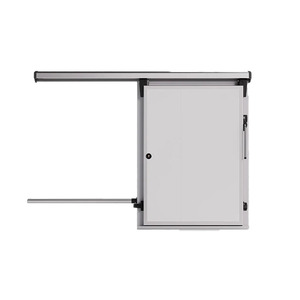
Heavy-duty motorized sliding entry system designed for walk-in freezers and food processing cold rooms. Built with heated perimeter gaskets to completely prevent frost formation and eliminate thermal air infiltration.
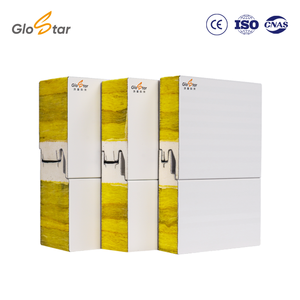
Non-combustible composite cladding system for industrial warehouses and RMG textile plants. Delivers exceptional acoustic dampening and certified two-hour fire separation compliance matching international safety standards.
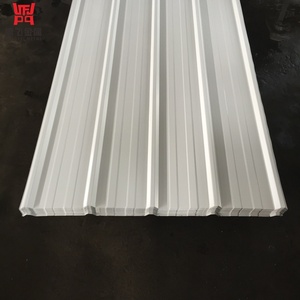
Precision cold-rolled trapezoidal wall profile in RAL9002 off-white. Anti-corrosive multi-pass polyester fluorocarbon coating engineered to endure intense monsoonal rains, UV radiation, and heavy humidity in coastal agro-zones.
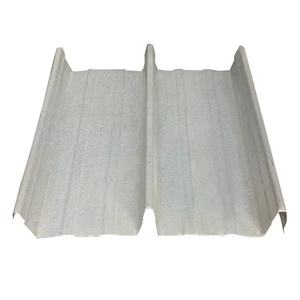
High-tensile zinc-coated corrugated sheeting for wide-span roof envelopes. Exceptional flexural strength, anti-siphoning capillary grooves, and premium water run-off capacity designed specifically for severe monsoon tropical storm events.
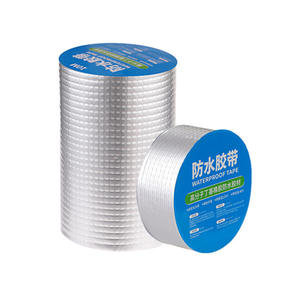
Pure butyl self-adhesive flashing tape laminated with reinforced metallic aluminum foil. Creates permanent elastomeric hermetic seals over cold-formed purlin joints, ridge caps, gutter connections, and sandwich panel overlaps.
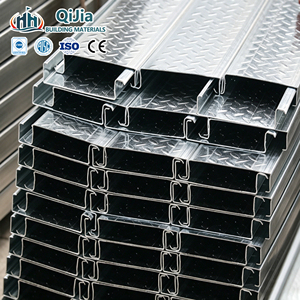
Heavy-duty cold-formed composite floor decking sheet engineered as permanent formwork and tensile reinforcement. Features rolled embossments to interlock with concrete, slashing slab weight and cutting pouring cycles by 40%.
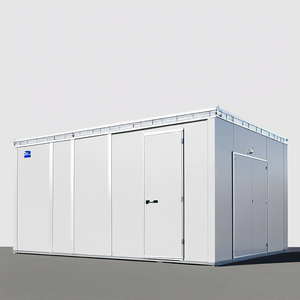
Prefabricated cam-lock insulated enclosure using high-density polyurethane (PUR) and polyisocyanurate (PIR) cores up to 200mm thickness. Ideal for seafood processing in Chattogram, dairy farms, and pharmaceutical depots.
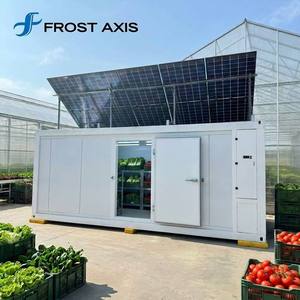
Autonomous green refrigeration facility with integrated Copeland/Sanyo compressor systems and solar PV integration. Purpose-engineered for rural agricultural collection zones across northern Bangladesh with unstable power grids.
As Bangladesh accelerates its transformation toward an industrialized economy under Vision 2041, structural engineers and project developers are shifting away from resource-heavy reinforced cement concrete (RCC) and hot-rolled heavy steel sections in favor of high-strength, thin-walled cold formed steel (CFS) structures.
Cold Formed Steel, commonly referred to as Light Gauge Steel Framing (LGSF) or thin-walled cold-rolled steel, is manufactured by passing continuous coils of structural galvanized sheet steel through a sequence of automated rolling dies at ambient room temperature. This strain-hardening deformation process induces a plastic strain in the cross-section corners, substantially raising the yield stress (ƒy) from the nominal base metal properties up to 550 MPa (Grade 550). In a region prone to significant geotechnical challenges, deltaic soft soils, high alluvial water tables, and high seismic activity, cold formed steel delivers a dramatic reduction in foundation loads while strictly conforming to the Bangladesh National Building Code (BNBC 2020), AISI S100, and ASTM A1003/A653 specifications.
In typical portal frame configurations across industrial hubs like Gazipur and Chattogram, cold formed C and Z purlins achieve a 35% to 50% dead-load reduction compared to traditional hot-rolled I-beams or structural channel profiles (ISMC). Lower dead weight translates directly into reduced seismic base shear force (ƒ = Cs × W) under BNBC seismic provisions, generating cumulative savings across bored piles, grade beams, and overall foundation costs.
| Performance Metric | Cold Formed High-Tensile Steel (Our Range) | Traditional Hot-Rolled Structural Sections | Site Impact in Bangladesh |
|---|---|---|---|
| Yield Strength (ƒy) | 350 MPa to 550 MPa (G350 / G550 Grade) | 235 MPa to 275 MPa (IS 2062 / A36) | 50%+ Higher Strength |
| Material Dead Load | 4.5 – 12.0 kg/m² roof framing envelope | 16.0 – 35.0 kg/m² structural profile weight | Saves 40% Foundation Soil Stress |
| Corrosion Barrier | Z275 Galvanized / AZ150 Aluzinc (Continuous Bath) | Site-applied synthetic primer & enamel paint | Resists Delta Monsoon Moisture |
| Fabrication Precision | Computerized CNC roll-forming (±0.5mm tolerance) | Manual flame cutting, field re-drilling & fitting | Zero Site Modification Delay |
| Seismic Inertia Demand | Low mass; decreases seismic base shear load | High dead weight induces massive seismic load | BNBC 2020 Zone 2/3 Compliant |
| Erection Speed & Labor | Bolted connections, pre-punched holes, light crane | Heavy field welding, non-destructive testing (NDT) | Shortens Project Schedule by 60% |
Our cold formed steel coils are processed strictly from low-carbon, micro-alloyed structural substrate compliant with ASTM A1003 / EN 10346. The base steel is cold deoxidized, featuring maximum carbon content strictly below 0.20%, phosphorus ≤ 0.04%, and sulfur ≤ 0.04%. This controlled chemistry prevents brittleness at cold bends, enabling sharp bending radii without micro-fissures in high-frequency roll-forming dies.
Bangladesh experiences relative humidity levels exceeding 85% during monsoon months, compounded by atmospheric coastal salinity in Chittagong, Cox's Bazar, and Mongla. Our cold formed profiles are continuously coated with AZ150 (55% Aluminum, 43.4% Zinc, 1.6% Silicon) or Hot-Dip Galvanized Z275 coating. The sacrificial zinc galvanic action combined with aluminum oxide barrier passivation prevents red rust formation for 25+ years.
From seismic-rated garment production facilities in Dhaka division to cyclone-resistant coastal mega-economic zones in Chittagong, cold formed steel structures deliver optimized performance tailored directly to Bangladesh's climate, soil, and operational challenges.
With global fashion buyers demanding LEED Platinum-certified green manufacturing facilities, export-oriented textile and ready-made garment mills require clear-span interior spaces without intermediate columns. Cold formed Z-purlins and composite deck panels provide non-combustible, dust-resistant roofing systems that integrate effortlessly with automated overhead fire sprinkler matrices and HVAC line tracks.
The Bangabandhu Sheikh Mujib Shilpa Nagar (BSMSN) and the deep-sea maritime development in Matarbari are subject to hyper-saline marine aerosols and basic wind speeds reaching 260 km/h under BNBC 2020 cyclonic classifications. Our high-tensile cold-rolled wall cladding and heavy galvanized purlin sections resist salt-fog attack and withstand uplift wind forces without fastener tear-out.
Northern Bangladesh produces tremendous volumes of potatoes, mangoes, and vegetables, but suffers post-harvest losses up to 30% due to deficient cold chain infrastructure. Our modular cold storage enclosures, solar-powered refrigeration units, and insulated electric cold room doors provide airtight envelopes that maintain internal storage regimes from -25°C to +4°C in unconditioned 42°C summer heat.
Active Pharmaceutical Ingredient (API) industrial manufacturing facilities require cleanroom architectural enclosures that prevent airborne particulate retention and resist frequent sanitization washdowns. Our insulated flush-surface wall panels and rigid floor deck systems deliver smooth, hygienic, anti-microbial partitions compatible with stringent cGMP and WHO manufacturing mandates.
An authoritative evaluation of architectural shifts, national regulatory codes, and pre-engineered steel construction expanding across the Bangladesh industrial corridor through 2030 and beyond.
The mandatory implementation of the Bangladesh National Building Code (BNBC 2020) has significantly updated the seismic zoning map. Zone 4 (Sylhet) exhibits peak ground acceleration (PGA) up to 0.36g, Zone 3 (Chattogram) at 0.28g, and Zone 2 (Dhaka) at 0.20g. Heavy structural concrete and hot-rolled shapes multiply the lateral seismic mass of warehouses. Structural engineers are converting secondary framing to high-strength cold-formed steel to substantially decrease seismic demand and comply with strict drift limits.
The era of cast-in-place concrete factory construction in Bangladesh is coming to an end. Escalating industrial land values in Gazipur and Narayanganj necessitate rapid commercial commissioning. Pre-engineered steel buildings utilizing cold-formed purlins, cold-formed girts, and composite decking allow standard 100,000 sq.ft. industrial facilities to achieve full weather-tight commissioning in under 90 days—delivering immediate return on investment for export factory owners.
Bangladesh houses more than 200 USGBC LEED-certified green factories, the highest concentration globally. With corporate power purchase agreements (PPA) and SREDA mandates, factory owners are converting acres of warehouse roofs into solar power generators. Cold-formed steel profiles with high flexural rigidity allow roofs to bear additional 15–20 kg/m² solar PV panel racking loads without expensive structural retrofitting.
Combining high-capacity continuous automation, stringent quality control protocols, and deep regional logistics infrastructure to guarantee seamless project fulfillment from coil slitting to site erection.
Multi-station continuous cold roll-forming mills equipped with in-line computerized flying shear cut-off units and automatic punch punching tools, guaranteeing ±0.5mm structural length accuracy and flawless bolt-hole pitch positioning.
Every production heat is verified via spectrometer testing, ASTM A90 magnetic thickness gauges for zinc/aluzinc coating weight, tensile yield stress coupon tests (ASTM E8), and 1,000-hour continuous salt spray chamber exposure (ASTM B117).
We furnish complete structural submittal packages: raw material test certificates (MTC 3.1), structural section modulus calculation sheets, load-span deflection tables, and civil defense fire classification certificates for consultant sign-off.
We coordinate containerized ocean shipping straight to Chattogram and Mongla ports, with expedited customs clearance, customs bond handling, and barge shipping along the Padma and Meghna rivers directly into industrial river landings.
Addressing standard procurement procedures, import documentation, compliance standards, and structural best practices for commercial building developers in Bangladesh.
Whether you require high-tensile structural purlins for an industrial shed in Gazipur, composite metal decking for a commercial tower in Gulshan, or cleanroom sandwich panels for an API plant in Munshiganj, our structural engineers will configure the ideal build-up for your budget.
Our sales engineers respond to project questions during working hours (GST+4).