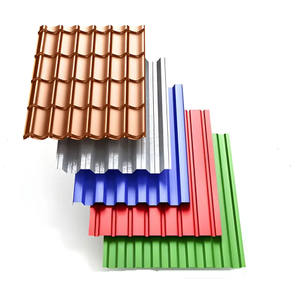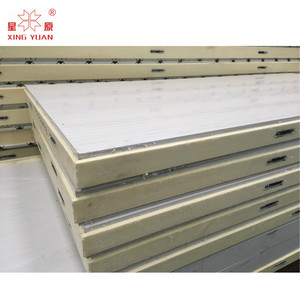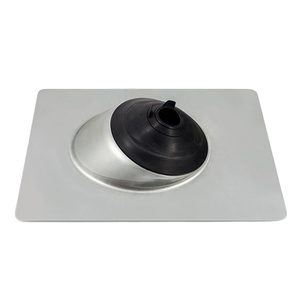
Explore our certified cold chain panels, continuous roll-formed roofing systems, butyl-backed sealing membranes, and heavy-gauge parapet perimeter components.
A rigorous examination of perimeter edge metal failure mechanisms, material specification standards, and cold-formed flashing integration for North American industrial manufacturing facilities.
Across the expanding industrial corridors of Mexico—from the arid, high-wind plains of Nuevo León and Coahuila to the seismic zones of the Bajío and the hurricane-exposed maritime belts of Tamaulipas and Veracruz—the roof perimeter represents the most vulnerable boundary of any modern commercial or logistics superstructure. Statistical failure analyses consistently demonstrate that more than 70% of low-slope industrial roof failures originate at the perimeter edge, specifically at the parapet wall coping cap and counter-flashing junction. When high-velocity laminar winds encounter a vertical facility facade, the building acts as a bluff body, forcing the air upward and creating severe vortex shedding and localized negative aerodynamic pressure fields (suction) along the roof margin.
The longevity of parapet flashing depends on the metallurgical integrity of the cold-rolled substrate and the chemical durability of the applied coil coatings. Standard commercial flashing often suffers from micro-cracking at sharp bend radii, accelerating galvanic corrosion when exposed to acid rain, coastal airborne chlorides, or industrial particulate emissions.
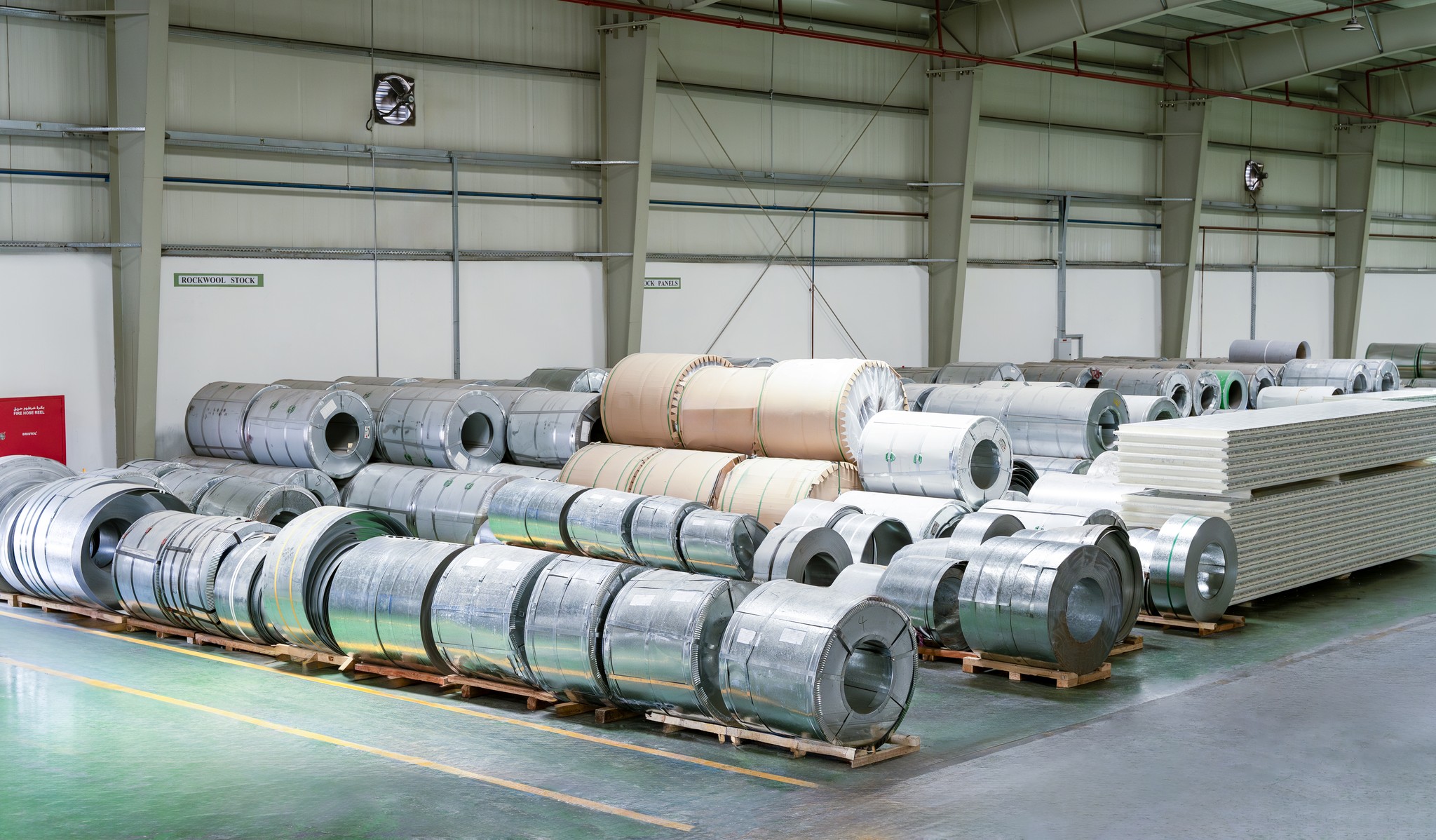
Our factory utilizes premium structural steel coils complying with ASTM A792 / A792M (55% Aluminum-Zinc alloy coated Galvalume / Aluzinc, AZ150 minimum coating mass) and ASTM A653 / A653M (hot-dip galvanized structural quality steel, minimum G90 / Z275 zinc spangle). For severe architectural specifications, heavy-gauge 5052-H32 marine-grade aluminum alloy sheets (0.040" to 0.063" thickness) and AISI 304/316 austenitic stainless steel profiles are processed on high-precision CNC multi-axis folders.
To prevent color degradation and chalking under the intense ultraviolet radiation indices (UV Index 11+) prevalent in Mexico's Central Plateau, all pre-painted architectural coping profiles feature full 70% Polyvinylidene Fluoride (PVDF) resin-based Kynar 500® / Hylar 5000® coil coatings, or heavy-build High-Durability Polyester (HDP) finishes meeting AAMA 2605 performance criteria. These multi-layer coating systems incorporate an epoxy chromate corrosion-inhibitive primer, providing a barrier matrix capable of exceeding 2,500 hours of continuous salt spray testing per ASTM B117.
| Flashing Component Type | Material Thickness & Grade | Wind Uplift Resistance | Thermal Expansion Design | Primary Industrial Sector |
|---|---|---|---|---|
| Snap-On Parapet Coping Cap | 24 Ga (0.60mm) Galvalume AZ150 / 0.040" Alum | ES-1 Test Method RE-3 (Up to 180 psf) | Slotted anchor plates with 6mm expansion gaps | Class-A Logistics Parks, FIBRAs, Maquiladoras |
| Continuous Wind Cleat (Hook Strip) | 20 Ga (0.91mm) to 16 Ga (1.52mm) G90 HDG | Mechanical locking hem resistance | Continuous alignment across substrate masonry | Heavy Industrial, Assembly Plants (Monterrey) |
| Surface-Mounted Reglet Counter-Flashing | 24 Ga (0.60mm) Pre-painted Steel / SS 304 | Resistant to wind-driven rain cycling | Embedded elastomeric sealant reservoir with hem | Concrete Tilt-Up Walls & Insulated Precast Panels |
| Two-Piece Skirt Flashing with Cleat | 22 Ga (0.75mm) PVDF Finished Steel | ANSI/SPRI ES-1 Test Method RE-2 | Concealed mechanical expansion splices | Cleanrooms, Pharmaceutical & Cold Storage Enclosures |
| PIR / Sandwich Panel Parapet Termination | 0.50mm – 0.70mm Metallic Coated Substrate | Integrated structural self-drilling fasteners | EPDM/Butyl thermal break thermal bridging barrier | Refrigerated Hubs, Agro-industrial Warehouses |
A compliant industrial parapet wall flashing assembly engineered by our factory consists of five mathematically synchronized components designed to function as a cohesive drainage and aerodynamic boundary:
Tailoring edge metal design to regional seismic classifications, thermal differentials, and hurricane-force wind zones across Mexican industrial corridors.
Key Markets: Monterrey (Apodaca, Santa Catarina), Saltillo, Ciudad Juárez, Reynosa, Tijuana.
Operating Challenges: Severe diurnal thermal cycles ranging from sub-zero winter temperatures to summer surface temperatures exceeding 55°C (131°F), combined with severe wind gusts. Parapet copings require heavy-duty slotted fasteners and 6m profile lengths with internal expansion joints to absorb intense thermal movement without oil-canning or fastener fatigue.
Key Markets: Querétaro, Silao, Guanajuato Puerto Interior, San Luis Potosí, Aguascalientes.
Operating Challenges: High-spec architectural facilities serving Tier-1 automotive and aerospace assembly plants. Demands strict aesthetic tolerances, crisp CNC-bent parapet geometries, zero visible exterior fasteners, and full integration with precast concrete and polyurethane sandwich wall panels.
Key Markets: Mexico City Metropolitan Area (Valle de México), Toluca, Puebla, Guadalajara.
Operating Challenges: Dynamic seismic drift criteria (Seismic Zones B & C per CFE manual). Parapets require specialized mechanical seismic expansion joint flashings engineered to accommodate multi-directional displacement (inter-story drift) without tearing the primary roof waterproofing membrane.
Key Markets: Altamira, Tampico, Veracruz, Manzanillo, Mérida, Cancún.
Operating Challenges: Extreme C5-M marine salinity coupled with Category 4 and 5 hurricane wind velocity ratings (exceeding 250 km/h). Systems require 0.050" aluminum or heavy Galvalume AZ150 substrates with PVDF coatings, backed by continuous 14-gauge hook strips secured with 316 stainless steel anchors.
Understanding the confluence of the nearshoring boom, USMCA supply chain integration, and institutional real estate standards driving specification changes.
The historic relocation of manufacturing capacity from East Asia to North America—commonly termed "nearshoring" or foreign direct investment (FDI) acceleration in Mexico—has triggered record absorption rates across institutional industrial real estate. Institutional developers and investment trusts (FIBRAs such as FIBRA Uno, FIBRA Prologis, FIBRA Macquarie, and FINSA) are executing multimillion-square-meter expansions of build-to-suit and speculative logistics facilities.
These institutional portfolios are primarily underwritten by international capital pools and multinational tenants (e.g., automotive OEMs, electronic component assemblers, medical device manufacturers). Consequently, lease covenants mandate that building envelopes strictly adhere to FM Global (Factory Mutual) Loss Prevention Data Sheets (such as FM 1-28 Wind Design and FM 1-49 Perimeter Flashing), creating a structural shift away from site-bent, unrated local flashing toward engineered, pre-fabricated, factory-certified parapet coping systems.
The United States-Mexico-Canada Agreement (USMCA/T-MEC) has reinforced supply chain linkages, accelerating the modernization of Mexican building energy performance regulations. Standards such as NOM-008-ENER-2001 ("Energy efficiency in non-residential building envelopes") demand continuous thermal envelopes to minimize heat island effects and reduce HVAC refrigeration energy loads.
Traditional parapet constructions often introduce massive thermal bridges where uninsulated concrete parapets meet cold-rolled metal roof decks. Our factory engineers specialized parapet flashing details featuring high-density closed-cell PIR insulation inserts and EPDM thermal breaks. This prevents condensation along interior perimeter purlins and cold-room envelope intersections, safeguarding sensitive pharmaceutical goods and electronic assemblies stored beneath the roof margin.
The transition from traditional site-built masonry to fast-track prefabricated steel buildings (PEBs) with PIR/PUR insulated panels and SSR (Standing Seam Roof) systems has necessitated specialized flashing transitions. Parapet flashing can no longer be treated as an isolated tin component; it must function as a precision interface between standing seam ribs (such as KR-18 or KR-24 profiles widely specified across Mexico), thermal wall cladding, and interior vapor barriers.
Combining automated continuous roll-forming throughput, strict ISO/CE certified quality assurance, and seamless export logistics tailored to Mexican entry ports and cross-border corridors.
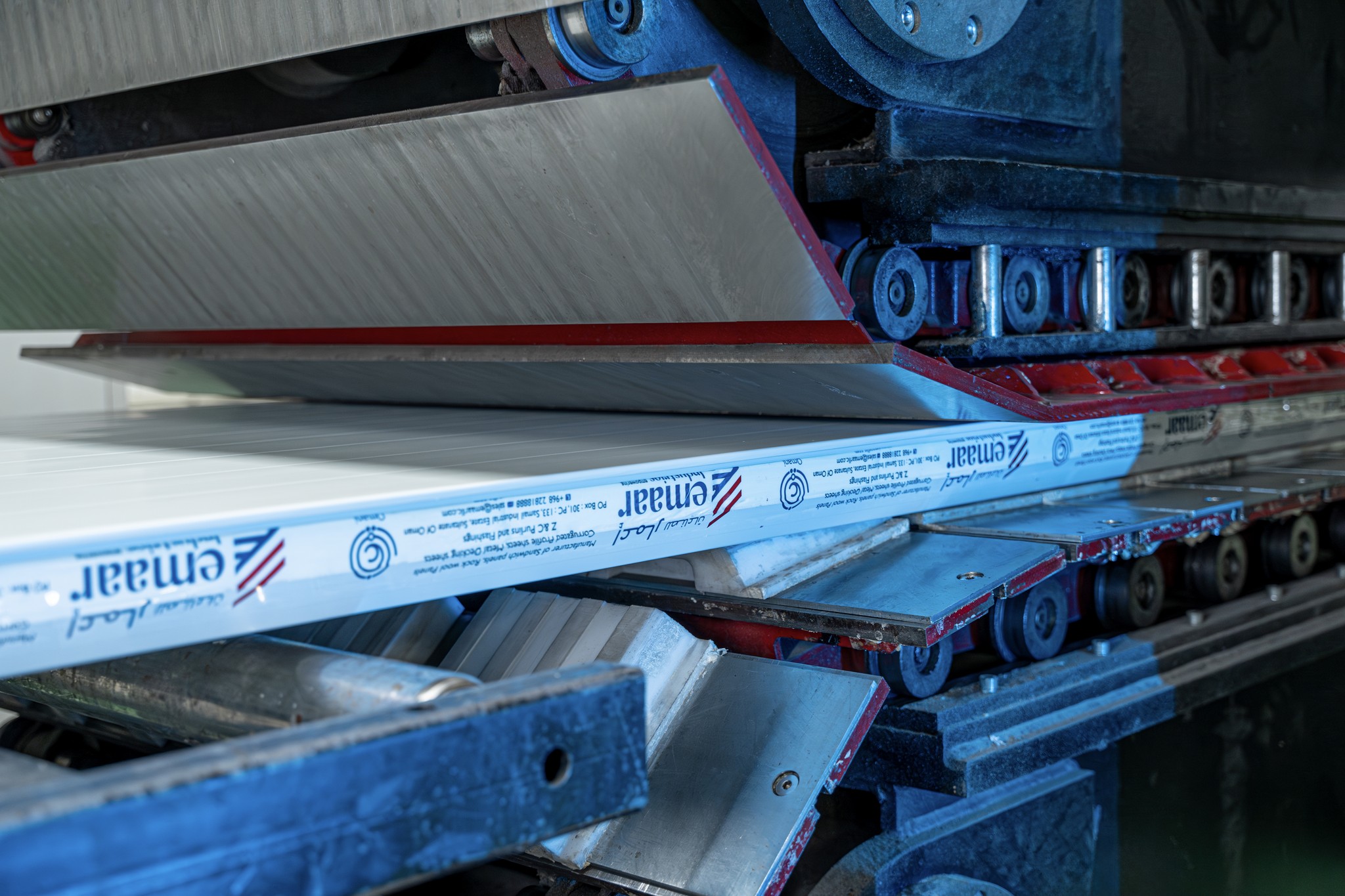
With an advanced manufacturing footprint boasting a daily output exceeding 10,000 m² of insulated panel products and heavy-gauge cold-rolled profiles, we fulfill full industrial park orders without manufacturing bottlenecks or rolling delays.
Unlike job-site folders limited to 3-meter lengths that double the number of leak-prone transverse laps, our automated industrial CNC folder produces seamless coping lengths up to 6.0 meters (20 feet) with consistent angular precision within ±0.5°.
Every export shipment includes Mill Test Certificates (MTC), yield and tensile test documentation, coating mass verification (AZ150 / G90), and ANSI/SPRI ES-1 wind uplift structural calculation sheets for consultant review and municipal approval.
Established multimodal maritime routes deliver directly into the deep-water ports of Altamira and Veracruz on the Atlantic / Gulf side, and Manzanillo on the Pacific coast, complemented by bonded overland freight consolidation to the Laredo / Nuevo Laredo commercial gateway.
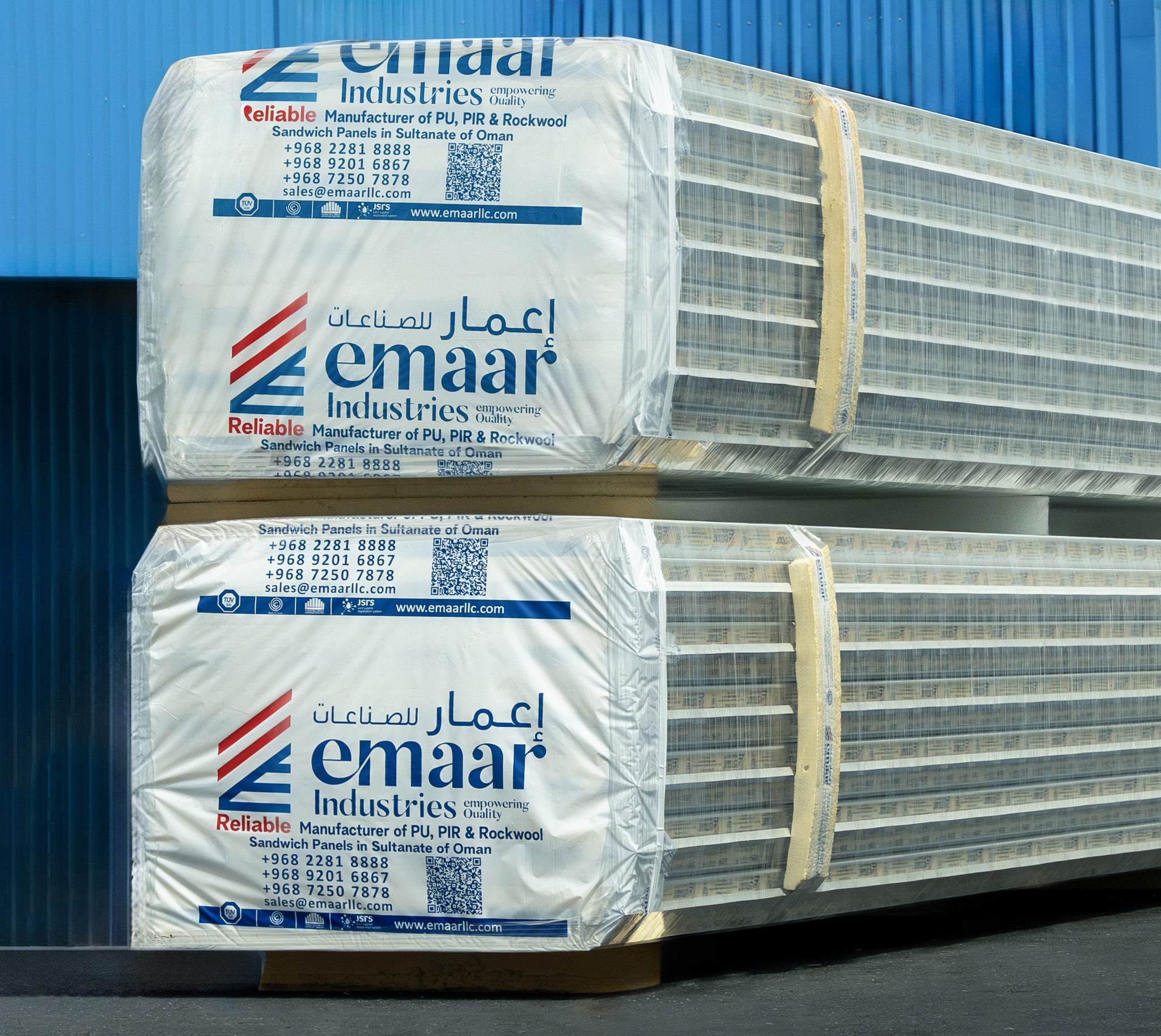
Flashings are protected with UV-resistant peel-off polyethylene protective film, interleaved with moisture-scavenging paper, banded into reinforced wooden crates, and hermetically sealed to withstand oceanic humidity without white-rust corrosion.
Our in-house facade engineering department translates structural and architectural DWG/BIM drawings directly into CNC machine codes, producing custom parapet transitions, mitered corners, and parapet-to-scupper sumps without site fabrication errors.
Key information regarding import procedures, international codes, structural sizing, and logistics for our Mexican commercial and industrial clients.
Mexico's Comisión Federal de Electricidad (CFE) Manual de Diseño de Obras Civiles (Diseño por Viento) classifies wind pressure zones across the country based on local gust speed and terrain roughness (Categorías de Terreno). Our engineering department cross-references the required regional velocity pressure (q) with physical test data derived from ANSI/SPRI/FM 4435/ES-1 Test Methods RE-1, RE-2, and RE-3. We calculate specific cleat thickness, gauge requirements, and fastener spacing intervals (e.g., 150mm on-center anchoring into concrete ring beams) to ensure the parapet coping assembly exceeds localized negative aerodynamic pressures with a minimum 2.0 safety factor.
We regularly ship under Incoterms 2020 including CIF (Manzanillo, Veracruz, Altamira), CFR, or DPU/DAP for major industrial hubs (Monterrey, Guadalajara, Querétaro, CDMX). For border zone facilities (such as maquiladoras in Ciudad Juárez, Mexicali, or Reynosa), we coordinate bonded cross-docking at Laredo or El Paso freight terminals. Products are packed in reinforced, fumigated ISPM-15 compliant sea-freight wooden crates with desiccant packs and heavy waterproof shrink-wrap, protecting sheet profiles from saltwater humidity, transit abrasion, and micro-scratching.
Yes. Concrete tilt-up panels, precast concrete structures, and insulated sandwich panel walls widely utilized across Mexican industrial developments typically range from 150mm (6") to over 350mm (14") in parapet width. Our CNC computerized bending machinery allows full customization of coping cap web dimensions, front face drip heights (typically 100mm to 150mm), and back leg heights, guaranteeing an engineered fit with pre-punched slotted holes to accommodate thermal movement.
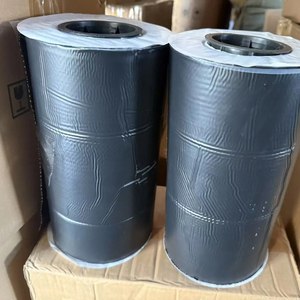
When Galvalume (Zincalume) flashing interfaces with galvanized framing or structural stainless components, potential galvanic corrosion cells must be eliminated. We supply custom dielectric separation barriers, including heavy-grade self-adhesive EPDM and cross-linked butyl tape, as well as factory-powder-coated 304/410 stainless steel self-drilling fasteners equipped with bonded EPDM vulcanized washers to ensure complete galvanic isolation throughout the building lifecycle.
Our experienced international export documentation department provides complete and legally compliant documentation packages to streamline Mexican Customs (Aduanas) clearance via your appointed Customs Broker (Agente Aduanal). Standard documentation includes Commercial Invoices (Facturas Comerciales), Packing Lists, Mill Test Certificates (Certificados de Calidad de Molino), Certificates of Origin, and Bills of Lading (B/L). Parapet flashing and cold-rolled profiles are typically classified under Harmonized Tariff Code (HS Code / Fracción Arancelaria) 7308.90 ("Structures and parts of structures of iron or steel; plates, rods, angles, shapes, sections, tubes and the like").
Standard production times for dedicated 20ft and 40ft High Cube containers range between 12 to 18 calendar days following technical shop drawing approval and color confirmation. Ocean transit to Pacific ports (Manzanillo) typically takes 16–22 days, while transit to Atlantic/Gulf ports (Altamira/Veracruz) takes approximately 24–30 days. For urgent construction site schedules, staged rollouts or priority express production can be arranged with our operations director.
Connect directly with our senior facade engineering specialists to receive detailed shop drawings, ANSI/SPRI ES-1 wind uplift calculations, physical coating samples, and transparent CIF / DAP Mexican pricing for your upcoming industrial project.
Contact UsOur sales engineers respond to project questions during working hours (GST+4).