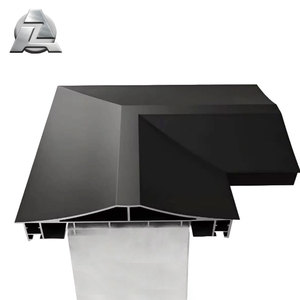
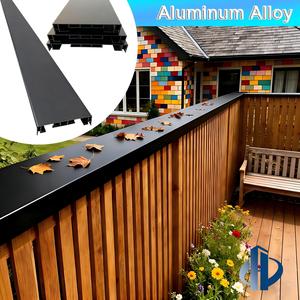
Customizable Aluminum Drip Edge
Architectural grade 6063-T5 / 3003-H14 aluminum flashing with precision return hem kickers, designed to eliminate capillary draw under IBR and corrugated eaves.
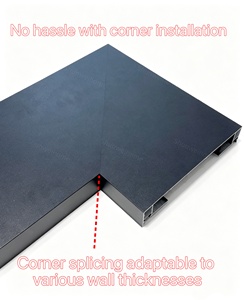
From architectural drip edges to cold-rolled purlins and thermal insulation enclosures, our precision-manufactured building envelopes satisfy structural demands across Gauteng, KwaZulu-Natal, and the Western Cape.
Architectural grade 6063-T5 / 3003-H14 aluminum flashing with precision return hem kickers, designed to eliminate capillary draw under IBR and corrugated eaves.
Heavy-duty interlocking parapet wall capping with incorporated window drip trims, certified for thermal movement mitigation in high-temperature inland climates.
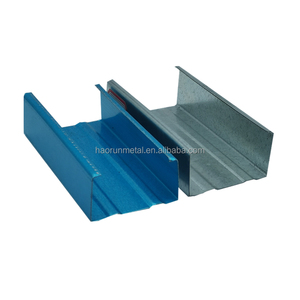
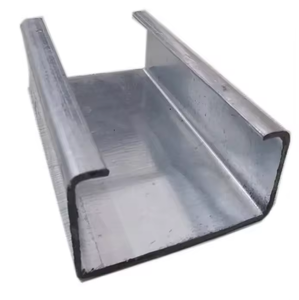
Cold-rolled structural steel C-channels manufactured with Z275/Z450 zinc coatings, serving as durable secondary framing for industrial roof sheets and eaves gutters.
Engineered 6-meter span high-tensile rafters providing rigid fascia backing and unyielding structural anchor lines for large-scale agricultural packing facilities.
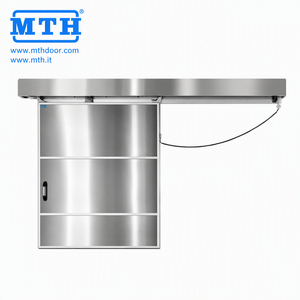
Heavy-duty anti-freeze heated frame sliding doors manufactured for agro-processing, cold chain distribution hubs, and wine cellars across the Cape Winelands.
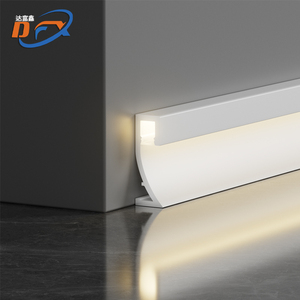
Anodized aluminum wall architectural trims with LED channel integration, providing corrosion-resistant interior finishing for hospitality and modern corporate estates.
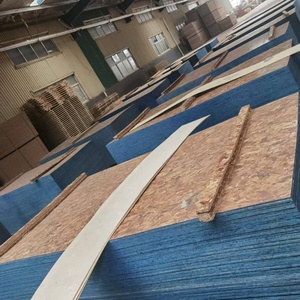
Class-3 exterior grade OSB sheathing engineered for flat roof decks, shingle substrates, and timber frame wall assemblies requiring high dimensional stability.
Continuous weatherproof edge capping designed to shield masonry parapets from severe wind-driven rain, providing clean architectural shadow lines.
In South African roofing projects, specifiers frequently underestimate the microclimatic hostility of coastal marine zones versus inland thermal shock. A correctly designed roof drip edge profile controls hydraulic runoff, prevents fascia rot, and eliminates capillary back-siphonage.
| Substrate Material | Yield Strength / Alloy | Corrosion Rating (ISO 9223) | Target South African Region | Capillary Break Configuration |
|---|---|---|---|---|
| Architectural Anodized Aluminium | AA 6063-T5 / AA 5052-H32 | ISO C5-M Extreme | Durban Coastal, Cape Town Atlantic Seaboard, Richards Bay | Dual hemmed break with 35° outward kick angle |
| Aluzinc / Galvalume (AZ150/AZ200) | G550 Structural Grade | ISO C4 Severe Marine | Port Elizabeth (Gqeberha), East London, Saldanha Bay | Deep 15mm downward projection with hemmed edge |
| Hot-Dip Galvanized Z275/Z450 | ISQ 230 / ISQ 300 Steel | ISO C3 Moderate Coastal | Garden Route (George, Knysna), inland valleys | Single mechanical hem with extended eave reach |
| PVDF Pre-Coated Coil | High-Performance Fluoropolymer | ISO C1-C3 High UV | Johannesburg, Pretoria, Karoo Semi-Arid, Bloemfontein | Thermal expansion slip-joint clip integration |
Surface tension causes water cascading down roof sheeting to curl backwards around the underside of the eave sheets. Our factory profiles incorporate a calibrated 35° to 45° kick-off flange that creates a mechanical boundary layer break, dropping high-velocity stormwater cleanly into the center of the gutter without touching timber fascias.
Direct contact between unpassivated carbon steel fasteners and aluminium drip flashings triggers rapid bimetallic corrosion under coastal chloride deposition. Our factory supplies comprehensive isolation systems, including EPDM barrier washers and chemically inert polymer separating layers to isolate dissimilar metals in high-humidity zones.
Under the South African National Standard (SANS 10400 Part L), roof perimeters must withstand wind uplift suction pressures exceeding 1.8 kPa during summer storm events. Our precision roll-formed flashings are engineered with structural stiffening ribs to avoid oil-canning and maintain seam attachment under cyclical gale gusts.
South Africa represents one of the most micro-climatically diverse roofing markets in the Southern Hemisphere. Our drip edge profiles and structural cold-rolled assemblies are calibrated for these precise operational environments.
In Johannesburg and Pretoria, convective summer storms unleash sudden, high-volume downpours accompanied by hail. Our high-gauge steel drip edges prevent gutter overshoot and protect sub-fascia battens from prolonged waterlogging during severe localized cloudbursts.
The Western Cape's relentless "Cape Doctor" southeasterly winds drive salt-saturated ocean spray deep inland. Our anodized AA5052-H32 aluminium drip edges resist white rust and chloride pitting, ensuring lifelong integrity for coastal hospitality resorts and estates.
Ceres and Limpopo fruit packaging hubs combine PIR/PUR insulated panels with our custom flashings. The hermetic eave interface prevents humid external air infiltration, condensation accumulation, and microbial growth in controlled-atmosphere cold stores.
Industrial solar installations in Durban and Gauteng alter traditional roof wind vortex patterns. Our engineered parapet flashings and drip trims shield structural perimeter mountings, eliminating wind shear peel forces beneath ballasted photovoltaic arrays.
The Southern African architectural and industrial roofing sector is transitioning rapidly from manual on-site folding to pre-engineered precision envelope assemblies. Several key factors drive this transformation.
Manual hand-brake folding on South African job sites frequently results in uneven bends, micro-cracking along paint coating stress points, and inconsistent kick angles. Modern quantity surveyors and consulting engineers now mandate factory roll-formed drip edges with computerized tolerance controls under ±0.5 mm to guarantee aesthetic symmetry and watertight joints.
With municipal water shortages across Nelson Mandela Bay, Johannesburg, and the Karoo, commercial buildings routinely channel roof discharge into mega-tank storage. Our non-leaching, food-contact safe PVDF finishes and inert anodized aluminium trims ensure zero water chemical contamination, complying with potable catchment directives.
Stricter municipal fire bylaws (notably in Western Cape peri-urban wildland interfaces) require building envelope assemblies to prevent embers from entering structural roof voids. Our flush-mounted metal drip edges securely seal fascia eaves against spark intrusion during seasonal veldfires.
Combining heavy-tonnage precision roll-forming lines with verified international QA protocols, our manufacturing base bridges the supply gap for high-spec commercial and infrastructure projects.
Consolidate your procurement. Ship architectural drip edges, cold-rolled C/Z purlins, profile sheets, and composite decking simultaneously in shared containers to minimize clearing overheads at Durban Port.
Every shipment is delivered with EN 10204 3.1 chemical and mechanical inspection certificates, ASTM B117 salt spray ratings, and coating thickness test documentation ready for consulting engineer review.
Continuous automated CNC slitting lines maintain exact bend radiuses without cracking protective metallic coatings, processing sheet metal thicknesses from 0.4 mm up to heavy structural 3.0 mm sections.
Containerized maritime packing utilizes heavy-duty vapor-barrier crating and desiccants to prevent transit corrosion during open-ocean passage to Durban, Cape Town, or Walvis Bay.
Detailed technical answers addressing compliance, material longevity, logistics, and on-site integration for South African building developers, structural consultants, and roofing contractors.
Our drip edge profiles and eave flashings meet SANS 10400: Part L (Roofing) and SANS 10237 (Design of Roof Cladding) regulations. We manufacture to exact structural thicknesses that satisfy local wind suction zones across South Africa (Zone 1 to 4), ensuring positive gutter engagement and weather tightness under extreme storm loadings.
For installations within 1 to 5 kilometers of the coastline (ISO 9223 Category C4/C5 marine environments), we recommend marine-grade AA 5052-H32 aluminium with a minimum 25-micron architectural anodized or PVDF fluoropolymer coating. Alternatively, AZ200 Aluzinc provides exceptional cut-edge barrier protection against salt spray corrosion.
Yes. Our automated CNC-guided roll-forming and bending facilities can replicate custom cross-sectional profiles. We manufacture tailored eave drip angles, rake trims, and parapet copings designed specifically to nest perfectly beneath standard South African IBR, sinusoidal corrugated, and concealed-fix clip trays.
Containerized orders are routed via direct sea freight to Durban (Pier 1/2) with typical ocean transit times of 14–22 days depending on departure schedules. We also service Cape Town, Port Elizabeth (Coega), and Walvis Bay. Inland rail routing via City Deep Container Terminal in Johannesburg is easily coordinated.
On continuous commercial eaves exceeding 30 meters, thermal movement in Gauteng can cause buckling if flashings are rigidly pinned. We fabricate slotted installation holes and provide internal expansion joint splices every 3 meters, allowing up to 5 mm of linear movement while maintaining a continuous waterproof barrier.
Yes. Many South African contractors maximize logistical efficiency by shipping high-volume structural C/Z purlins and composite decking sheets in the floor space of shipping containers, with lightweight aluminum drip edge crates securely bundled on top, significantly decreasing clearing fees per ton.
Consult with our structural envelope engineering team to receive customized CAD section details, mill test certifications, and direct container pricing tailored to your port of delivery.
Our sales engineers respond to project questions during working hours (GST+4).