China Best Exterior Wall Cladding Factories & Exporter
Comprehensive Technical Specification White Paper, Engineered Polyurethane & Rockwool Core Systems, Architectural Metal Decking, and Global Procurement Risk-Mitigation Guide
10,000+ m²
Daily Continuous Line Production
550+
Global Infrastructure Projects Delivered
Class A / B1
ASTM E84 & EN 13501-1 Fire Standards
50+ Countries
Export Network Across Middle East, EU & Americas
Engineered Solutions Portfolio
High-Performance Exterior Wall & Envelope Systems
Precision-manufactured structural sandwich panels, architectural flashings, and thermal-break assemblies engineered for severe climatic resilience, airtightness, and prolonged structural service life.
Pharma Grade
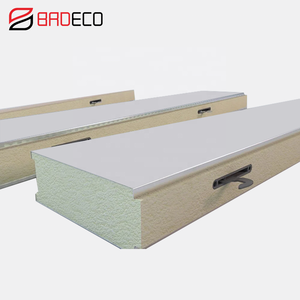
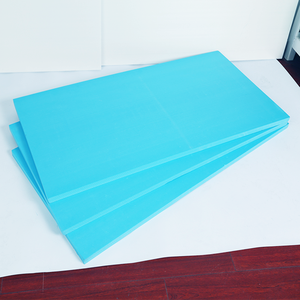
Pharmaceutical-Grade PU Camlock Cold Storage Panels
Rigid polyurethane core with built-in eccentric camlock mechanisms. Engineered for high-hygiene pharmaceutical bio-banks, vaccines, and medical cold chains requiring zero vapor permeability.
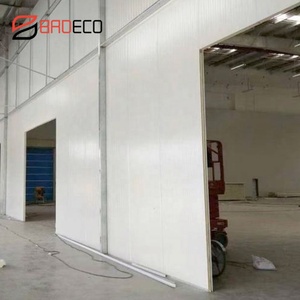
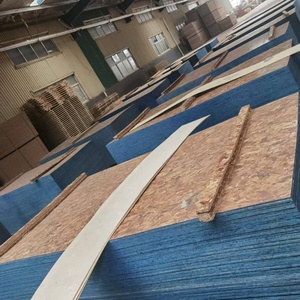
Insulated Partition Single Slot Wall Sandwich Panels
Tongue-and-groove single-slot interlocking panels designed for internal division and non-loadbearing fire compartment walls in logistics hubs and food-processing plants.
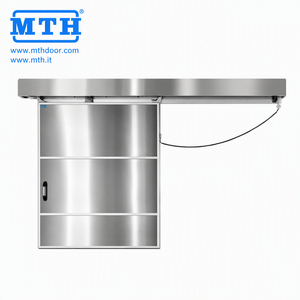
SUS304 Stainless Industrial Cold Storage Sliding Door
Heavy-duty airtight sliding door integrated with perimeter anti-freeze heating ribbons and heavy-gauge SUS304 stainless steel framing for blast-freezers down to -45°C.
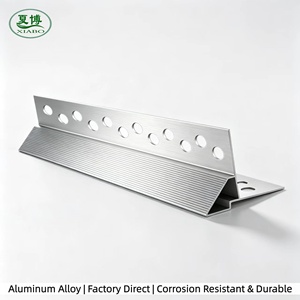
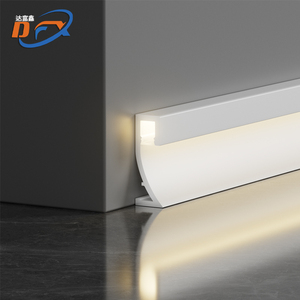
Modern Architectural Aluminum LED Skirting Profiles
Extruded 6063-T5 aluminum baseboard systems featuring recessed channel housing for ambient linear LED diffusion, seamless corner transitions, and impact perimeter protection.
Alloy 6063-T5Integrated LED SlotAnti-Scratch Anodize
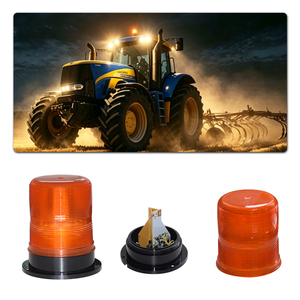
Solid-state multi-voltage (DC 12V/24V) high-intensity LED emergency flashing beacon with IP65 weather seal, engineered for logistics yard mobile machinery, cranes, and port vehicles.
Exterior Cladding Core Material Engineering Matrix
Direct comparative benchmarks of continuous-line structural wall envelope systems to assist specification engineers, structural consultants, and facade contractors in balancing thermal conductance, fire class, and dead-load ratios.
Insulation Core Type
Density (kg/m³)
Thermal Cond. (λ, W/m·K)
Fire Classification
Tensile Adhesion (MPa)
Compressive Modulus
Standard Coating Finish
Recommended Building Typology
PIR (Polyisocyanurate)
40 - 45
0.020 - 0.022
B-s1, d0 / ASTM Class A
≥ 0.12
≥ 150 kPa
PVDF / HDP 25μm
Cold Storage Logistics, Industrial High-Bays, Port Warehouses
Rockwool (Stone Mineral Wool)
100 - 140
0.038 - 0.042
A1 / A2 Non-Combustible
≥ 0.08
≥ 100 kPa
PE / SMP / PVDF
Chemical Plants, Data Centers, High-Occupancy Assembly Halls
PUR (Polyurethane)
38 - 42
0.022 - 0.024
B2 / B3
≥ 0.10
≥ 140 kPa
Galvanized Polyester
Standard Temperature-Controlled Sheds, Agri-Food Processing
XPS (Extruded Polystyrene)
32 - 38
0.028 - 0.032
B1 / B2
N/A (Rigid Board)
300 - 450 kPa
Embossed / Unfaced
Perimeter Grade Beams, Heavy Floor Slabs, Sub-Grade Plinths
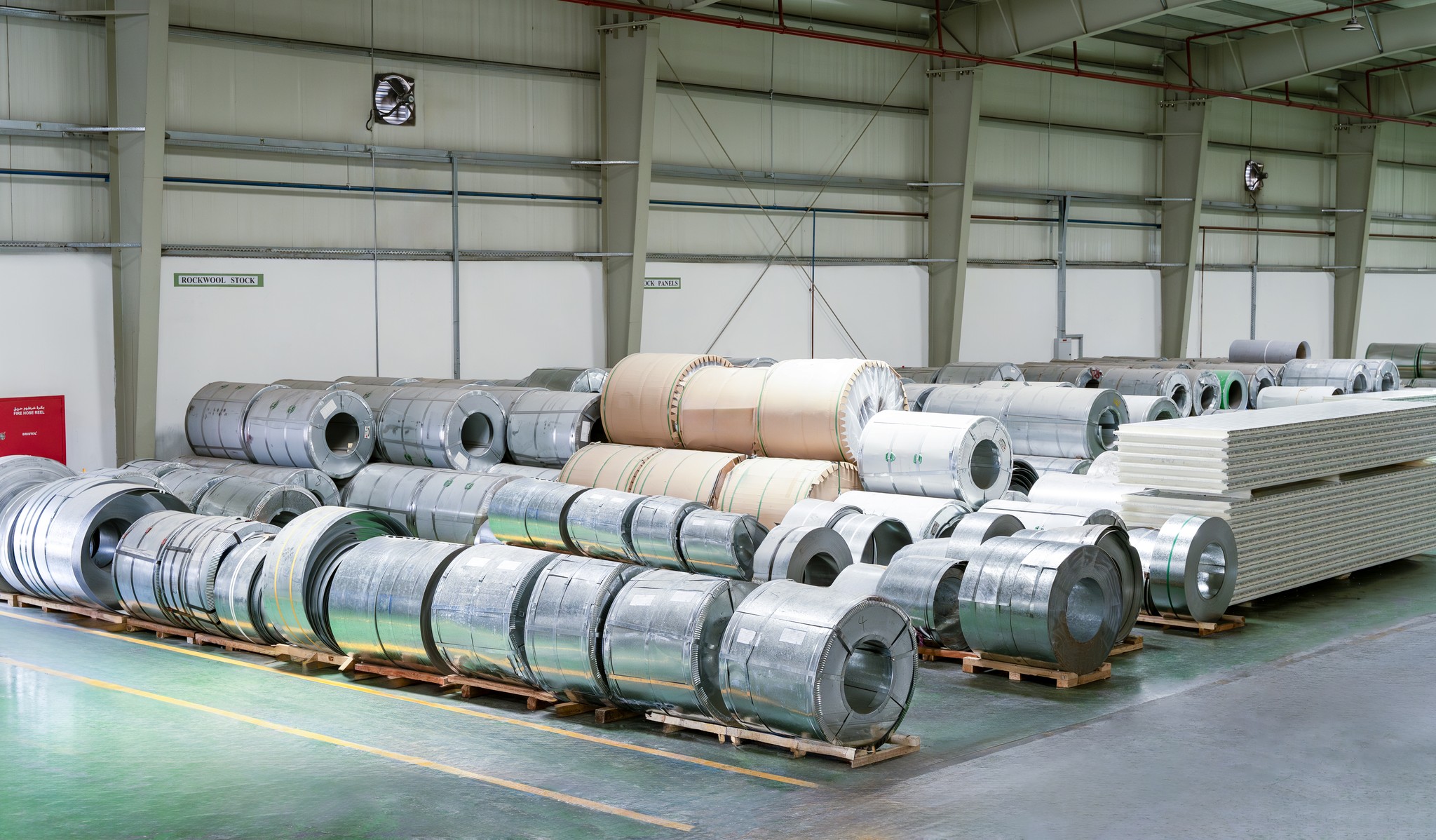
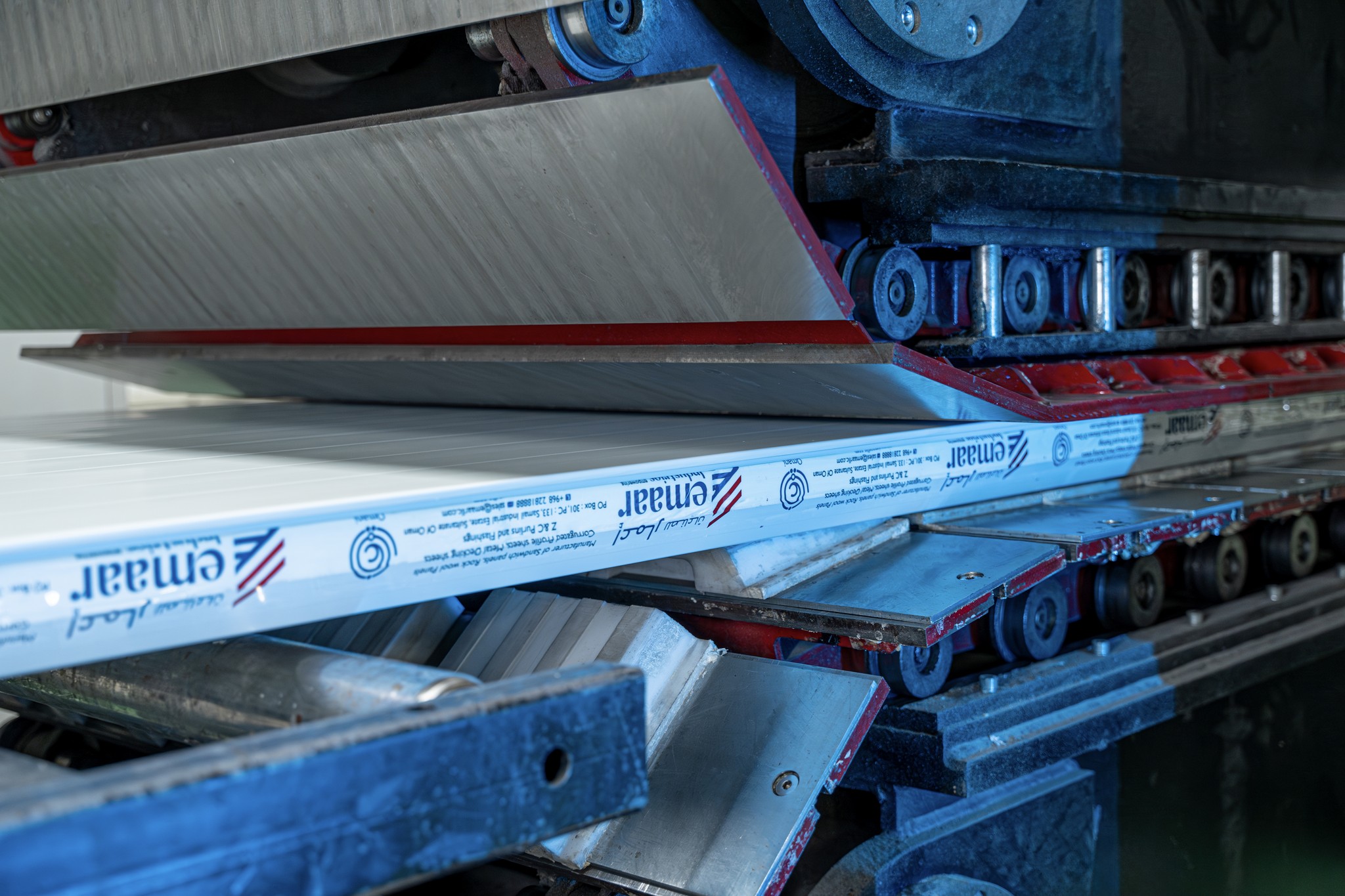
Exporting building envelopes across the GCC, Africa, Europe, and the Americas demands dimensional tolerances and lamination integrity far surpassing basic regional suppliers. Our manufacturing partner infrastructure deploys multi-component automated high-pressure foaming systems (cyclopentane/pentane-blown formulation with zero ODP and low GWP) integrated with double-track laminators over 36 meters in curing length.
Engineered polyol and isocyanate blends featuring an optimized isocyanate index (MDI/polyol ratio > 250 for PIR), resulting in dense trimerization rings that char evenly under high-temperature flame exposure.
C5-M Atmospheric Resistance
Substrate coil options from Baosteel and Bluescope incorporating Zn-Al-Mg (Zinc-Aluminum-Magnesium) coatings that outperform standard galvanized steels by 300% in harsh salt-spray and coastal desert environments.
Hermetic Joint Topologies
Proprietary hidden-fixing tongue-and-groove profiles integrated with factory-injected continuous EPDM elastomer seals, completely eliminating external through-screw thermal leaks and air infiltrations.
Turnkey Export Logistics
High-cube 40ft container optimization with automated bundle strapping, moisture-barrier wrapping, heavy edge-board shields, and desiccant packs designed to endure transoceanic humidity swings intact.
Future Forecasting
Strategic Global Sourcing Trends in Exterior Cladding
Key macroeconomic and technological transformations shaping international specifications, regulatory barriers, and total lifecycle building valuations through 2030.
Regulatory & ESG
CBAM & Embodied Carbon Verification
With the phased implementation of the European Union's Carbon Border Adjustment Mechanism (CBAM) and North American Buy Clean standards, Tier-1 Chinese manufacturers are actively shifting toward electric arc furnace (EAF) low-carbon steel substrates and bio-circular polyol foaming materials.
Facade systems are shifting from passive aesthetic and insulation envelopes into active power-generating assets. Modern cladding factories are pre-engineering structural standing-seams and tongue-groove profiles that support direct frameless solar module locking mechanisms without drilling penetrations.
Penetration-free mechanical mounting clips
Integrated back-of-panel cabling raceways
Enhanced thermal dissipation cavity design
Industrial Automation
Total Cost of Ownership (TCO) vs. Ex-Works Cost
Global developers and EPC contractors have moved beyond basic FOB unit pricing. Procurement evaluations now prioritize panel span capacity (reducing structural purlin steel tonnage by up to 22%), rapid click-lock assembly rates (cutting field labor by 40%), and thermal barrier warranties over 25+ years.
Extended purlin spacing up to 3.5m–4.0m spans
Reduced air leakage ratings below 0.5 m³/(h·m²)
BIM Level 2/3 direct parametric nesting production
Material Engineering Breakthroughs
Nanotechnology Coatings & Structural Thermal-Break Systems
How advanced surface chemistry and joint thermodynamic modeling are eliminating thermal bridging and coating degradation in high-salinity and extreme solar irradiance project sites.
Solar Reflectance Index (SRI) & Self-Cleaning Nanocoatings
Standard architectural coatings degrade rapidly under relentless ultraviolet solar radiation, leading to resin chalking, micro-cracking, and accelerated core heat transfer. Modern Chinese high-tier exporters partner with global chemical formulators (PPG, AkzoNobel, Beckers) to deliver multi-coat systems formulated with 70% Kynar 500 / Hylar 5000 PVDF resins and ceramic inorganic pigments.
These advanced surfaces deliver an SRI exceeding 82, directly mitigating solar heat gain on exterior walls. Concurrently, photocatalytic titanium dioxide (TiO2) coatings provide hydrophobic and anti-static characteristics that break down environmental grime and industrial soot under daylight, allowing rain showers to naturally cleanse the building envelope.
Gloss Retention: ≥ 85% at 20 Years
Chalk Resistance: ASTM D4214 Rating 8+
Cross-Hatch Adhesion: ISO 2409 Class 0
Salt Spray Test: > 1,500 Hours ASTM B117
Engineer-to-Engineer Advisory
Frequently Asked Questions for Sourcing Wall Cladding
Exhaustive answers to the most critical structural, compliance, lamination, and shipping challenges encountered by procurement officers and facade structural engineers.
How do you calculate structural wind load limits and maximum allowable spans for exterior wall panels?
Allowable spans depend on panel core depth (50mm–200mm), steel face thickness (typically 0.5mm exterior / 0.4mm interior), boundary conditions (single span, double span, or multi-span continuous), and local design wind pressures (positive pressure and negative suction). Structural calculation submittals adhere to EN 14509 Annex E or ASTM E72 transverse chamber tests, limiting deflection to L/200 under serviceability limit state (SLS) criteria to prevent joint sealant rupture.
What is the chemical difference between standard PUR and fire-retardant PIR B1 cores?
While standard Polyurethane (PUR) relies on an equimolar ratio of polyol to isocyanate, Polyisocyanurate (PIR) utilizes a severe excess of isocyanate with special trimerization catalysts operating at temperatures above 180°C. This chemical reaction drives the formation of stable, thermally resilient isocyanurate six-member ring structures. When exposed to fire, PIR forms a self-insulating cohesive carbonaceous char layer that blocks oxygen diffusion, self-extinguishes, and generates zero flaming droplets.
How are panels protected against sea-freight condensation and packaging crush during container shipping?
Finished panels undergo automated inline stacking with protective, peelable UV-resistant polyethylene films applied to both steel faces. Bundles are enclosed in heat-sealed waterproof polythene wrap, reinforced with high-density corrugated corner protectors, and seated on heavy-duty EPS or wood skids. Heavy-gauge nylon strapping prevents shifting inside containers, while moisture-absorbing calcium chloride desiccant bags are installed to neutralize oceanic dew point shifts and avoid white-rust formation.
Can you provide factory test certificates (MTC) and third-party fire compliance documentation?
Yes. Every production run is issued an EN 10204 Type 3.1 Mill Test Certificate indicating exact coil yield strengths, coating thickness (micrometer verification), and zinc/AZ coating masses. For fire compliance, factory batches are backed by full-scale testing reports including ASTM E84 (flame spread index < 25, smoke index < 450), EN 13501-1 (B-s1, d0 for PIR; A1/A2 for Rockwool), and FM 4880/4881 approval compliance certificates upon request.
How do hidden-fixing facade panels prevent thermal bridging compared to standard through-screw panels?
Standard through-fastened panels rely on self-drilling screws that penetrate both the exterior steel, core insulation, and steel sub-girt, creating an uninterrupted thermal pathway that accelerates heat transfer and causes localized condensation. Hidden-fixing tongue-and-groove systems conceal fasteners inside an internal reinforced interlock leg covered by the subsequent overlapping panel's continuous foam profile, completely eliminating exposed thermal conductive metal bridges.
What dimensional tolerances are maintained on continuous automated laminator production lines?
According to EN 14509 manufacturing benchmarks, continuous double-belt lines maintain panel thickness tolerances within ±1mm for depths under 100mm, length tolerances within ±5mm for elements up to 12 meters, and squareness / cross-diagonal variances under 2mm per meter of panel width. Tight control over side tongue-and-groove geometry ensures friction-fit vapor joints that do not bind or gap during rapid field erection.
How do you guarantee batch-to-batch color uniformity on large-scale architectural projects?
Color shifts between panel batches are prevented by procuring the entire project's prime coil substrate in a single rolling run from premium coating houses (e.g., Baosteel or certified equivalents). Automated spectrophotometers verify color deviation (Delta E < 0.5 according to ASTM D2244 standards) across coil edges and centers. Installation layouts strictly indicate panel orientation arrows to maintain identical coil coating directionality and uniform daylight gloss reflection.
What is the standard procedure for handling corner details, drip edges, and window apertures?
We engineer complete envelope kits that include matched 0.6mm–0.8mm pre-formed internal and external corner flashings, CNC-bent sill drip trims with perforated ventilation profiles, closed-cell PVC thermal foam isolation tapes, and custom perimeter head channel tracks. Detailed shop drawings and 3D isometric joint details are provided to contractor teams to ensure unbroken vapor, air, and thermal envelope continuity.
Verified Global Compliance
International Accredited Testing & Strict Quality Auditing
Specifiers, civil defense inspectors, and facade engineering consultants demand rigorous test evidence to grant pre-qualification approvals. Our manufactured systems undergo continuous mechanical, chemical, and fire auditing in full accordance with ISO 9001, ISO 14001, and CE EN 14509 protocols. From tensile bond strength testing of the foam-to-steel interface to thermal conductometers tracking aging k-factors, every shipment is supported by traceable quality documentation.
Whether you are engineering a multi-hectare cold logistics hub, upgrading a high-profile commercial facade, or preparing submittal packages for authority approval, our technical experts deliver detailed panel build-ups, static calculations, span tables, and factory-direct export proposals within 24 hours.