
Factory-calibrated tolerances, continuous polyurethane injections, and structural steel framing ready for immediate port shipment and containerized export.
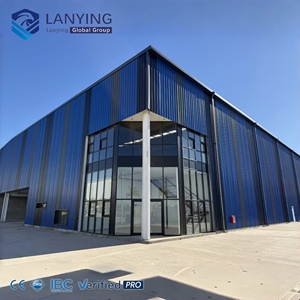
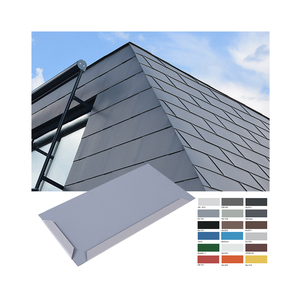
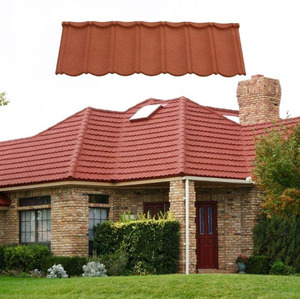
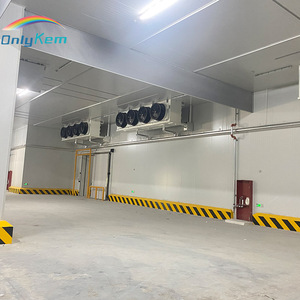
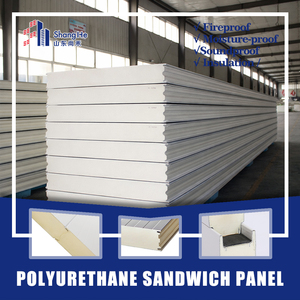
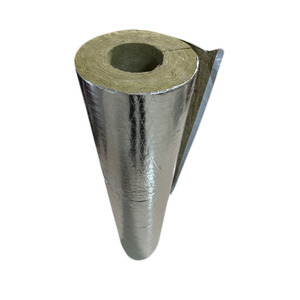
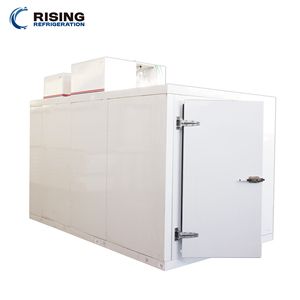
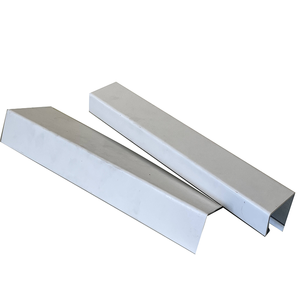
Navigating composite panel shear mechanics, micro-porous foaming kinetics, and corrosion resistance across marine-industrial environments.
| Panel Formulation | Core Density | Thermal Conductivity (λ) | Reaction to Fire (EN 13501) | Hydrophobic Index | Target Engineering Usage |
|---|---|---|---|---|---|
| High-Index PIR (Polyisocyanurate) | 40 – 43 kg/m³ | 0.020 – 0.022 W/m·K | > 99.2% Closed Cell | Logistics hubs, high-cube cold storage, cleanrooms | |
| Structural Rock Wool (Basalt) | 100 – 130 kg/m³ | 0.038 – 0.042 W/m·K | ≥ 98.5% (Silicone Treated) | Firewall partitions, chemical facilities, power plants | |
| Hygienic PIR Cold Room Spec | 42 – 45 kg/m³ | 0.019 – 0.021 W/m·K | > 99.5% Vapor-Tight | Deep-freeze blast corridors, pharmaceutical cold rooms | |
| Structural Polyurethane (PUR) | 38 – 40 kg/m³ | 0.024 – 0.026 W/m·K | > 95% Closed Cell | Standard commercial warehouses, light industrial sheds |
Strategic dynamics transforming cross-border architectural panel tenders, decarbonization mandates, and high-performance building skins.
International infrastructure developers increasingly mandate verified Type III Environmental Product Declarations (EPDs). Chinese manufacturers are rapidly converting to zero-ODP, ultra-low GWP blowing agents (such as Opteon™ 1100 and cyclopentane) alongside electric arc furnace (EAF) green steel coil substrates.
Building Integrated Photovoltaics (BIPV) is evolving from rooftop retrofits to standardized, vertical wall panel assemblies. Patented standing seam ribs and flat tongue-and-groove concealed joint systems now support frameless solar laminates directly bonded during mill fabrication.
Direct integration of Revit and Tekla parametric models with factory CNC decoilers eliminates jobsite cut-down waste. Continuous automated panel production ensures tongue-and-groove tolerance bands within ±0.5mm, expediting field erection timelines by 40%.
To resist UV degradation in high solar index territories, 70% Polyvinylidene Fluoride (PVDF / Kynar 500) and ultra-thick Polyurethane-Polyamide (PUR-PA 50μm) coatings are specified as standard over commercial polyester, backed by up to 30-year warranty horizons.
Merging massive Chinese continuous production throughput with our regional GCC & international logistics hubs for dependable cross-border procurement.
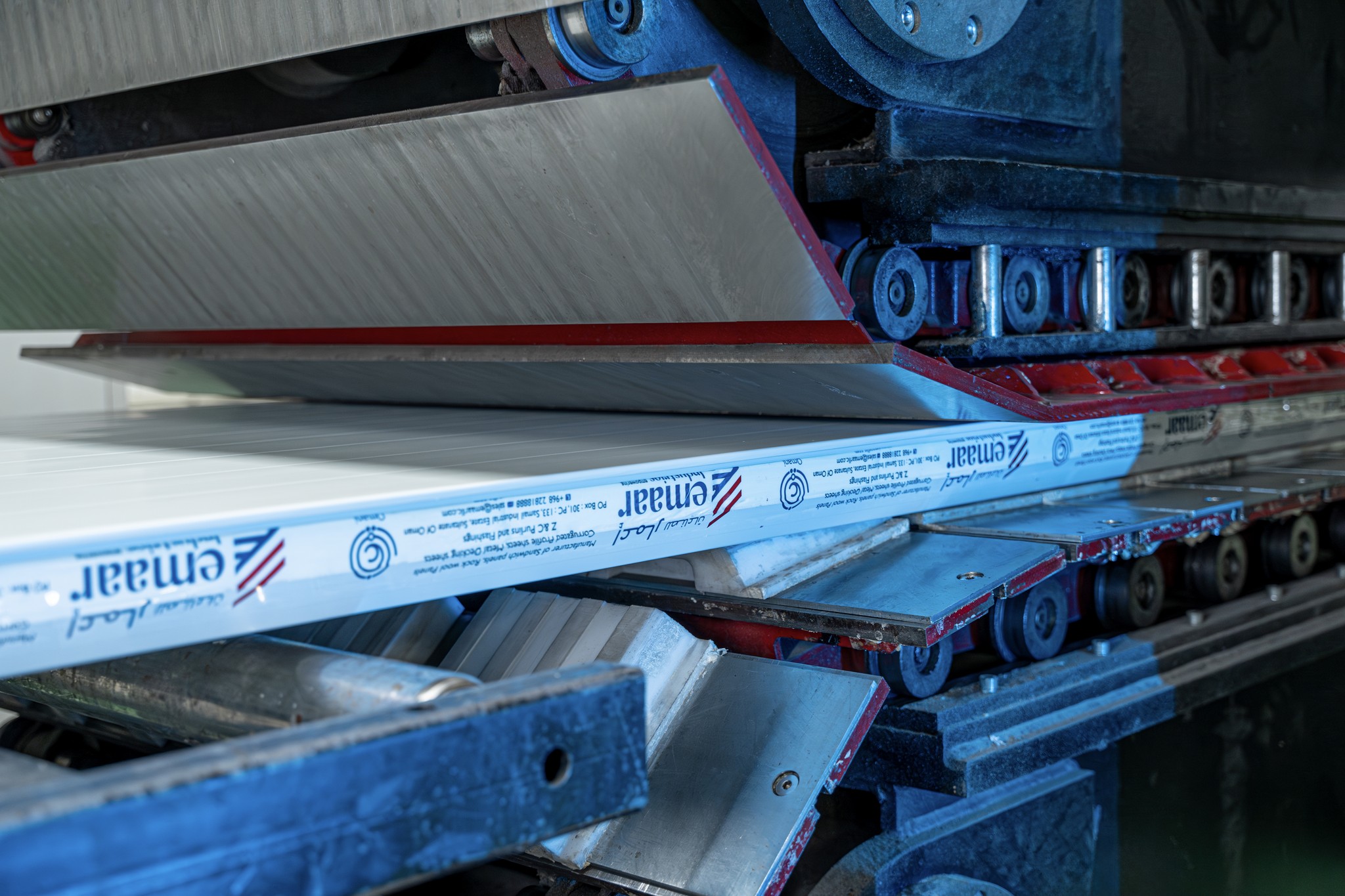
Equipped with high-speed automated European-engineered continuous laminators, achieving an output of up to 10,000 square meters per working day, enabling on-time completion of million-square-foot mega-distribution hubs.
Eliminate multi-vendor coordination friction. In addition to insulated wall panels, we roll-form matching secondary structural steel: heavy-gauge galvanized Z/C purlins, metal floor decking sheets, and precision parapet flashings.
Manufactured under strict ISO 9001, ISO 14001, and ISO 45001 frameworks. Every batch undergoes third-party laboratory tensile adhesion, fire combustibility (EN 13501, ASTM E84 Class A), and water tightness verification.
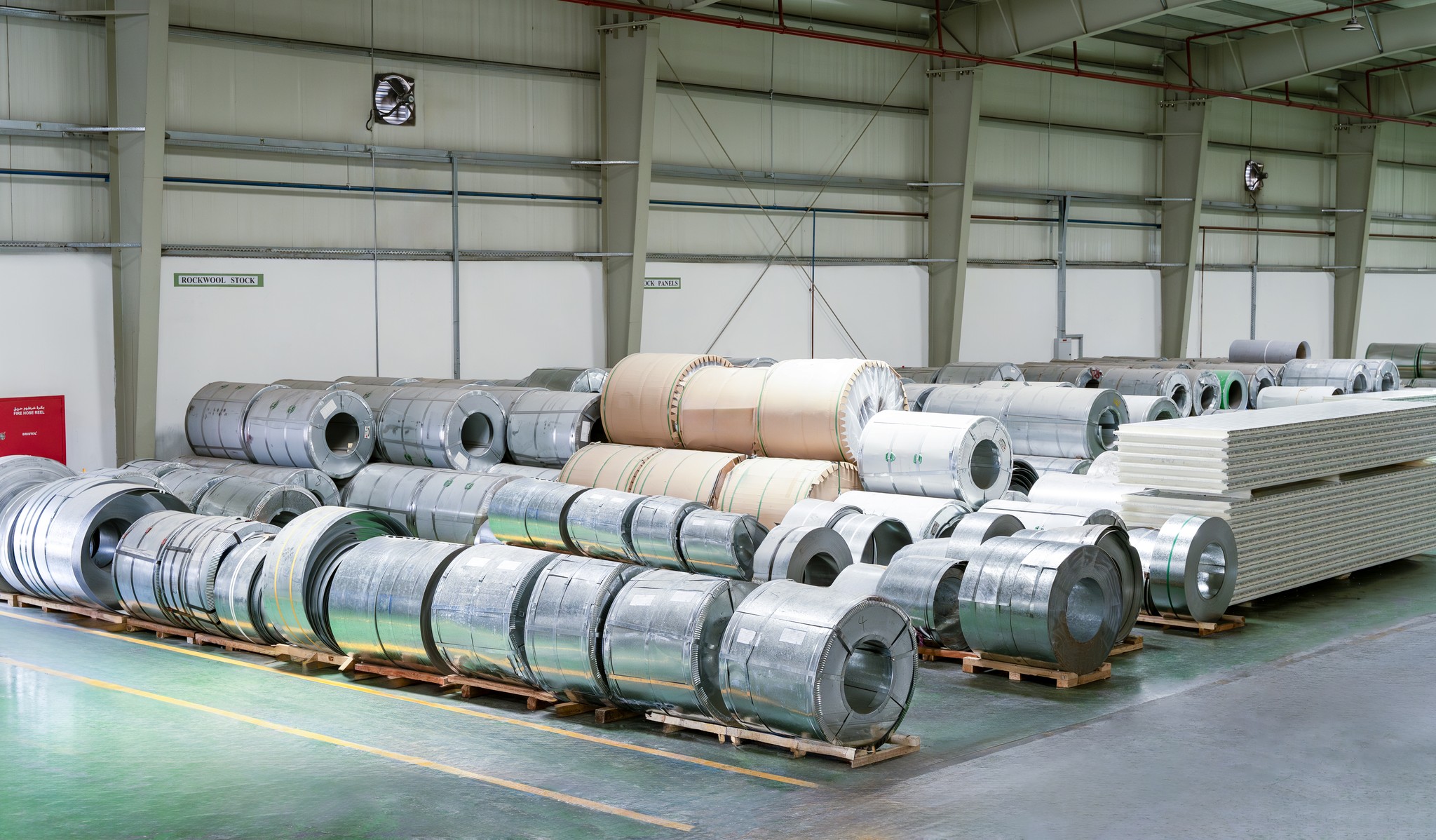
Strategically linked to deep-water maritime ports and our GCC operations (Oman, UAE, KSA, Qatar), providing customized heavy-duty seaworthy crating, shrink-wrapped desiccant packaging, and reliable overland delivery.
Actionable answers to complex technical queries encountered during architectural review, fire audits, and port-of-entry clearance.
Continuous double-belt lines maintain continuous hydraulic compression and uniform oven temperatures (approx. 60–65°C) across a 40-meter run. This ensures that PIR foaming chemicals expand evenly and anchor mechanically into the corona-treated or chemical-primed interior surface of the steel coil. Unlike discontinuous presses that produce variable density pockets, continuous processing eliminates micro-voids, guaranteeing uniform core-to-steel tensile peel strength exceeding 0.10 MPa per EN 14509.
For GCC (Civil Defence), European, and North American projects, specifications demand either ASTM E84 Class A (Flame Spread Index ≤ 25, Smoke Developed ≤ 450), EN 13501-1 Class B-s1, d0 for PIR panels, or Class A1 / A2-s1, d0 for rock wool. In high-risk installations, panels tested to FM 4880 / 4881 (without interior sprinkler suppression) are standard. Full test reports and certificates from notified bodies are issued with export document sets.
Dark exterior steel coils (e.g., RAL 7016, RAL 9005) reach skin temperatures of 80°C under direct solar radiation while indoor surfaces remain climate-controlled at 22°C. This temperature differential ($\Delta T \approx 58^\circ\text{C}$) induces thermal expansion on the exterior face, causing outward deflection. To manage this, our structural engineers configure multi-span panels with slotted structural fastening clips, incorporate micro-rib surface profiling to absorb transverse stress, and establish minimum panel core thicknesses matching local wind pressure standards.
Choose Rock Wool when the primary requirement is non-combustibility (fire compartmentation walls requiring 1 to 4 hours of structural fire integrity under ASTM E119 / BS 476 Part 22) or acoustic dampening (weighted sound reduction index $R_w$ up to 34 dB). Choose PIR when thermal insulation performance and light dead-load matter most: PIR delivers an exceptional thermal conductivity of 0.022 W/m·K (versus 0.040 W/m·K for rock wool), halving the required panel thickness and reducing structural foundation loads.
For marine environments categorized as ISO 12944 Corrosivity Class C4 or C5-M (within 3 km of the sea), standard commercial polyester paint degrades rapidly. We specify a 0.50mm or 0.60mm structural steel skin with Zn-Al-Mg (275 g/m²) or Galvalume AZ150 base metal, coated with a 70% PVDF (Kynar 500) system (20μm topcoat over 5μm primer) or a 50μm Polyurethane-Polyamide (PUR-PA) coating, delivering high resistance to salt spray and UV chalking.
For blast freezers and low-temperature cold rooms operating at -25°C to -45°C, moisture vapor drive from the warm exterior toward the cold interior can compromise insulation efficiency. Our cold-storage panels utilize a dual tongue-and-groove joint profile fitted with factory-injected silicone seals or continuous non-hardening butyl mastic beads, augmented by internal stainless-steel cam-locks that pull neighboring panels tight, creating an impermeable barrier against ice lens buildup.
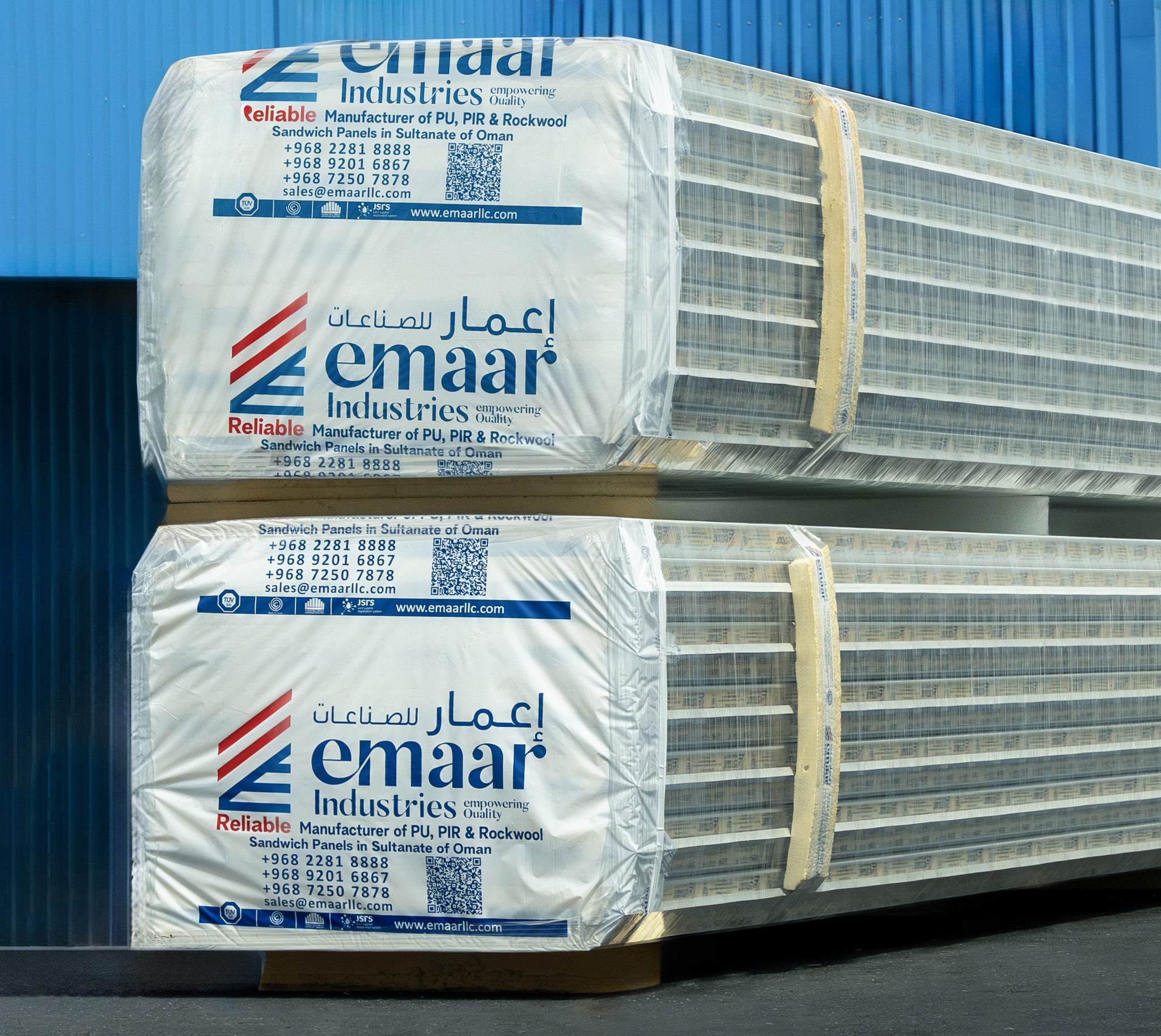
Panel bundles are wrapped in a 50–70μm protective self-adhesive PE film, side-padded with expanded polystyrene buffers, edge-protected with heavy-gauge corrugated angle boards, and entirely shrink-wrapped in weatherproof thermal plastic. Bundles are loaded on treated timber skids or heavy EPS bottom blocks, sized to allow continuous forklift access without steel face denting. Containerized loads are wedged with heavy-duty dunnage air bags and polyester tie-down webbing.
For standard mill colors (RAL 9002, 9003, 9006, 7016) in standard steel coil thicknesses (0.4/0.5/0.6mm), the continuous line MOQ is 500 square meters, with automated production completed in 7 to 12 working days. Custom colors, specialized non-standard paint formulations (PVDF, HDP), or specialized alloy substrates require a rolling cycle of approximately 15 to 20 days. Full container loads (40ft HQ holding approx. 450–750 m² depending on thickness) optimize ocean freight economics.
Send our structural and thermal envelope engineers your AutoCAD / Tekla layouts, purlin spacing schematics, or regional fire specifications. We provide complete technical submittals, load span tables, calculation sheets, and mill-gate or CIF port delivery estimates within 24 hours.
Our sales engineers respond to project questions during working hours (GST+4).