
Continuous automated lamination lines operating at tolerances of ±0.5mm ensure uniform core cellular structure, zero thermal bridging, and superior face-to-core peel strength across our entire manufacturing suite.
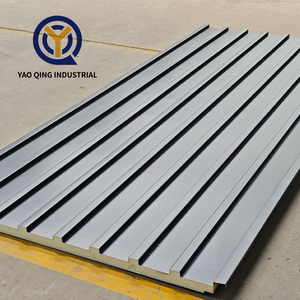
Engineered for luxury residential villas and high-end pavilions, combining 0.8mm-1.2mm marine-grade aluminum alloy sheets with high-durability fluoropolymer powder coating and thermal isolation backing.
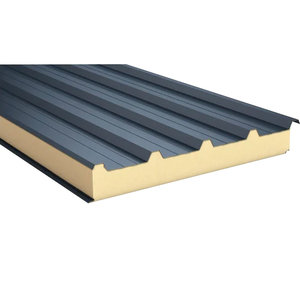
Cost-optimized expanded polystyrene core panels engineered with deep rib trapezoidal profiles for roofing and concealed-fastener tongue-and-groove jointing for rapid warehouse erection.
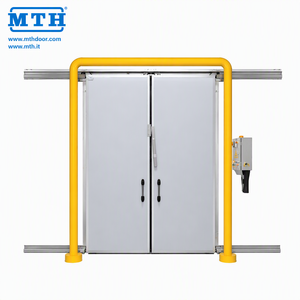
Heavy-duty food-grade sliding access system engineered with high-density polyurethane injection, internal emergency release hardware, and 304 brushed stainless steel cladding for walk-in freezers.
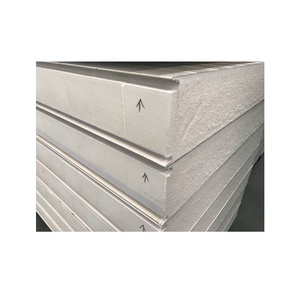
Reinforced anti-slip embossed aluminum or galvanized steel floor panel configured to withstand high point-load pallet trucks and forklift traffic while inhibiting sub-floor frost heave in deep-chill rooms.
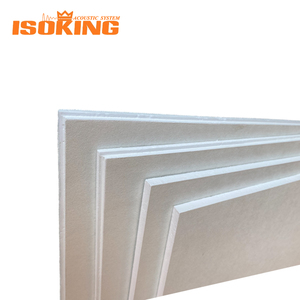
Non-combustible A1 rockwool core rotated 90 degrees with continuous longitudinal orientation, combined with perforated metal liner faces to deliver superior acoustic absorption and 4-hour fire division barriers.
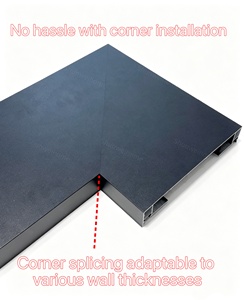
CNC brake-formed architectural perimeter components providing seamless flashing, capillary drainage breaks, and thermal expansion relief at parapets, fenestration junctions, and base transitions.
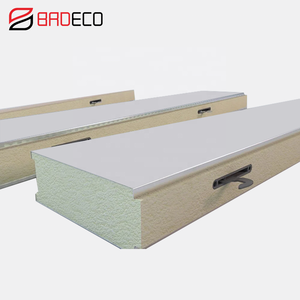
High-precision cam-locking panels manufactured under ISO Class 7 cleanroom compatibility guidelines with internal dual-lip gasket channels, zero outgassing core formulation, and anti-static surface options.
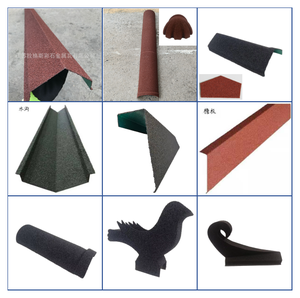
0.6mm hot-dipped Galvalume steel substrate bonded with natural volcanic basalt ceramic granules for extreme resistance against typhoon-force winds, UV embrittlement, and marine corrosion.
Combining state-of-the-art Italian high-pressure continuous foaming technology, automated automated rockwool orientation, and stringent batch traceability to eliminate supply chain volatility.
Our dual 180-meter continuous double-belt lines utilize automated metering to maintain unyielding core density across 10,000 square meters daily, ensuring reliable delivery lead-times for mega-scale logistics hubs.
Engineered for high UV intensity, Gulf coast salinity (C4/C5 marine environments), and temperature differentials from -45°C walk-in chillers to +50°C ambient desert sun with zero blistering or delamination.
Comprehensive third-party validation including FM 4880 Class 1 fire certification, EN 13501-1 B-s1,d0 classifications, ASTM E84 flame spread ratings, and ISO 9001/14001 factory production control audits.
Beyond panels, we fabricate secondary structural Z/C purlins, galvanized composite decking, color-matched architectural trims, hygienic PVC cove fillets, and automated cold-room door mechanisms in a single consignment.
Consult this objective specification comparison to align your thermal, structural, and fire rating requirements with the optimal core chemistry.
| Core Insulation Chemistry | Thermal Conductivity (λ) | Standard Core Density | Reaction to Fire (EN/ASTM) | Compressive Strength | Primary Application Suitability |
|---|---|---|---|---|---|
| PIR (Polyisocyanurate) | 0.019 – 0.022 W/m·K | 40 – 45 kg/m³ | B-s1, d0 / Class 1 (ASTM E84) | ≥ 160 kPa | Warehouses, FMCG Cold Storage, High-Efficiency Industrial Cladding |
| PUR (Polyurethane) | 0.022 – 0.026 W/m·K | 38 – 42 kg/m³ | B2 / B3 Normal Flammability | ≥ 140 kPa | Cost-Optimized Chill Rooms, Standard Distribution Centers |
| Stone Rockwool Lamella | 0.038 – 0.044 W/m·K | 100 – 140 kg/m³ | Euroclass A1 Non-combustible | ≥ 100 kPa | Firewall Enclosures, Acoustic Partitions, Petrochemical Plants |
| Expanded Polystyrene (EPS) | 0.033 – 0.038 W/m·K | 14 – 20 kg/m³ | Class B1 / B2 Retarded | ≥ 80 kPa | Temporary Facilities, Agricultural Enclosures, Low-Budget Sheds |
As the international construction industry accelerates toward net-zero targets and tightened environmental legislation, procurement protocols for building envelope components are shifting from basic purchase price evaluation toward full lifecycle embodied carbon, structural thermal continuity, and modular prefabrication compatibility.
1. Carbon Accounting & EPD Audits: International general contractors now mandate verified Environmental Product Declarations (Type III EPD) under ISO 14025. Chinese manufacturing leaders are deploying zero-ODP, ultra-low GWP blowing agents (such as HFO-1233zd and specialized cyclopentane blends) that comply strictly with the Kigali Amendment to the Montreal Protocol, slashing product stage embodied emissions (A1-A3).
2. Containerized Logistics Engineering & Stacking Densities: Sea freight volatility has transformed panel dimensional design. Modern B2B procurement agreements incorporate nested panel stacking geometries and tailored panel lengths configured to maximize 40-foot High-Cube (40HC) container internal volume, eliminating wasted space and lowering per-square-meter maritime freight landed costs by 18% to 27%.
3. Decoupling and Near-Jobsite Modular Kits: Turnkey supply models are outperforming bare panel deliveries. Tier-1 buyers increasingly select suppliers capable of manufacturing the panels alongside cold-formed secondary framing (Z/C structural purlins), customized color-matched flashing trims, and fastening clips within a single coordinated shipment, eliminating construction site delays.
Technological advancement within the insulated metal panel sector is driven by high-molecular polymer synthesis and micro-engineered steel roll-forming systems. Our research and development focuses on the structural and thermal friction points identified during large-scale global installations:
Higher isocyanate-to-polyol index ratios (>300) increase aromatic ring cross-linking density, producing a self-extinguishing carbon char layer upon flame contact that impedes heat transfer.
Precision roll-formed micro-profiling mitigates thermal bowing (oil-canning) caused by extreme exterior-to-interior delta-T conditions without requiring heavier structural steel gauges.
Redesigned overlapping interlocking joints with factory-injected butyl gaskets eliminate vapor infiltration pathways in -30°C blast freezer and cold chain facilities.
Transitioning from standard galvanized substrates to ZAM metallic coatings offers superior cut-edge self-healing protection in harsh seaside and chemical exposure environments.
Answers to technical, regulatory, and supply chain queries commonly evaluated by structural engineers, EPC procurement directors, and cold-chain facility operators.
Our panels undergo strict destructive furnace testing by accredited international testing bodies such as SGS and Intertek. We furnish complete test dossiers demonstrating ASTM E84 Class A flame spread indices under 25 and smoke developed indices under 450, as well as EN 13501-1 B-s1,d0 classifications for our PIR formulations.
Panel thickness directly correlates with delta-T (operating temp vs. ambient maximum). As an engineering benchmark: Chilled processing rooms (+10°C to +4°C) specify 75mm-100mm; standard chillers (0°C to -5°C) require 100mm-120mm; commercial freezers (-18°C to -25°C) demand 150mm; and deep blast freezers (-35°C or lower) utilize 200mm continuous PIR or PUR.
Export packaging features UV-resistant protective PE masking films on both faces, high-density polystyrene corner cushions, waterproof multi-layer cross-linked stretch wrap, and reinforced wooden dunnage designed for container crane access. Packaging includes desiccant packets inside shrink hoods to prevent moisture condensation during sea transit.
Yes. We operate continuous adjustable multi-roller formers capable of handling steel skins from 0.4mm to 0.8mm and aluminum from 0.7mm to 1.2mm. Color matching covers the full RAL K7 and Pantone libraries in polyester, SMP, HDP, and PVDF resin finishes, customized to withstand localized UV insolation indices.
With an external 0.5mm trapezoidal profile with 40mm rib heights and a PIR core, safe purlin spacing spans up to 3.0 to 4.5 meters depending on design wind suction loads (0.8 kN/m² to 2.5 kN/m²). We deliver full structural span load deflection tables verified under ASTM E72 transverse chamber loading protocols.
Rockwool panels provide an entirely non-combustible barrier (A1 rating) with a melting point exceeding 1,000°C, making them essential for oil & gas refinery modules, electrical plant rooms, and boundary separation walls. Additionally, the fiber density delivers superior acoustic attenuation (high STC ratings) compared to rigid foams.
Eccentric cam-locks pull adjacent panels together with internal steel hooks, creating a hermetic seal suited for walk-in cold rooms and cleanrooms without exposed mechanical fasteners. For large industrial facades, our concealed tongue-and-groove joint allows continuous high-speed erection over structural steel framing.
Every commercial order includes a comprehensive QA submittal: Mill Test Certificates (MTC) verifying steel yield strength and zinc coating mass, polyurethane core density and flame test certificates, fumigation certificates for dunnage, packing manifests with barcoded piece tracking, and stamped warranties (10 to 25 years).
Whether you require tender submittal documentation, customized core selection analysis, or container load optimization calculations, our applications engineering team is available 24/7 to support your inquiry.
Our sales engineers respond to project questions during working hours (GST+4).