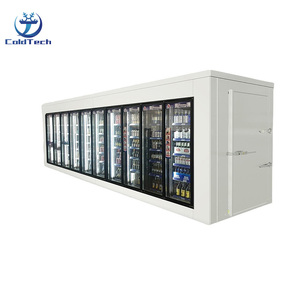
Direct-from-factory insulated building panels and specialized refrigeration components certified under ISO 9001:2015, CE, and regional civil defence thermal barrier standards.
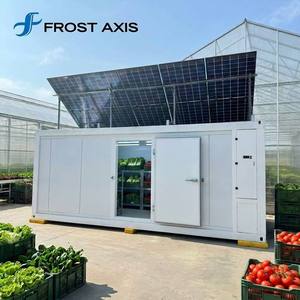
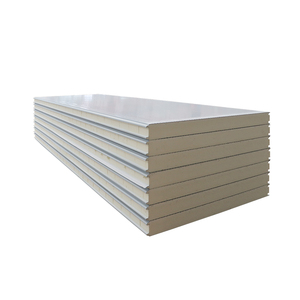
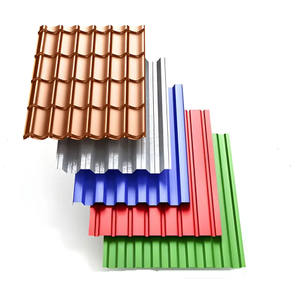
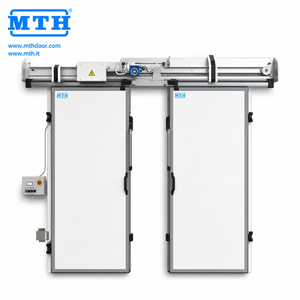
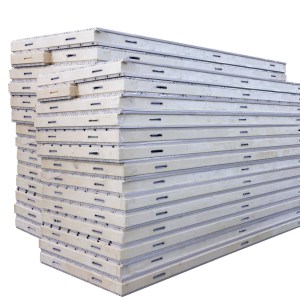
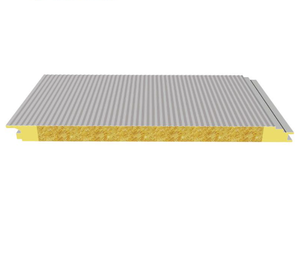
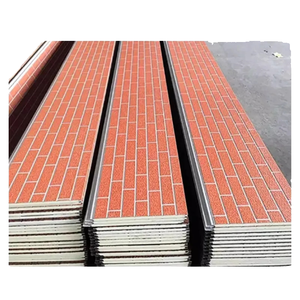
Operating from our modern continuous laminate and roll-forming complex in Muscat, Oman, Emaar Industries provides mission-critical building envelopes and cold chain infrastructure tailored specifically for aggressive hyper-thermal environments.
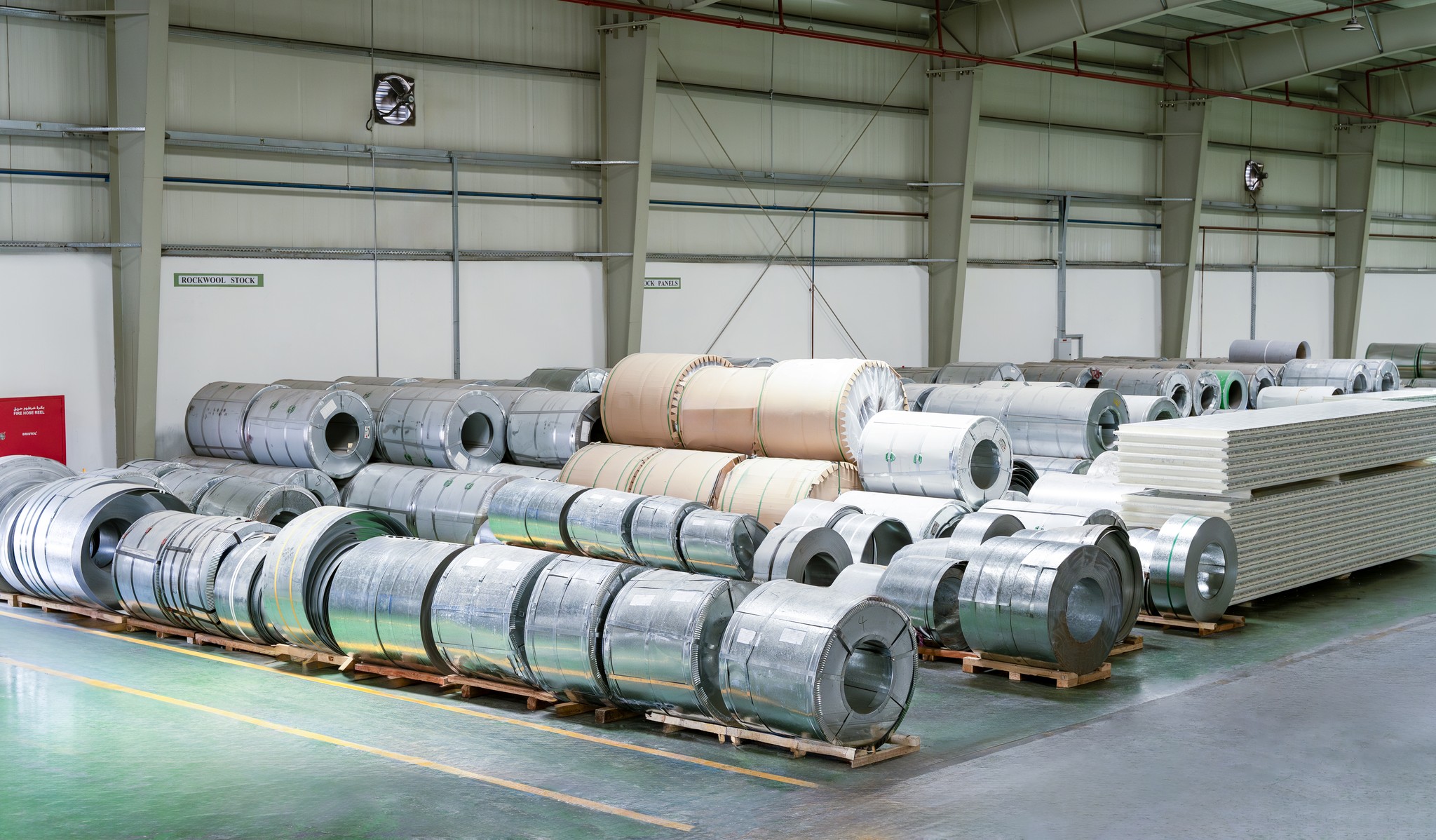
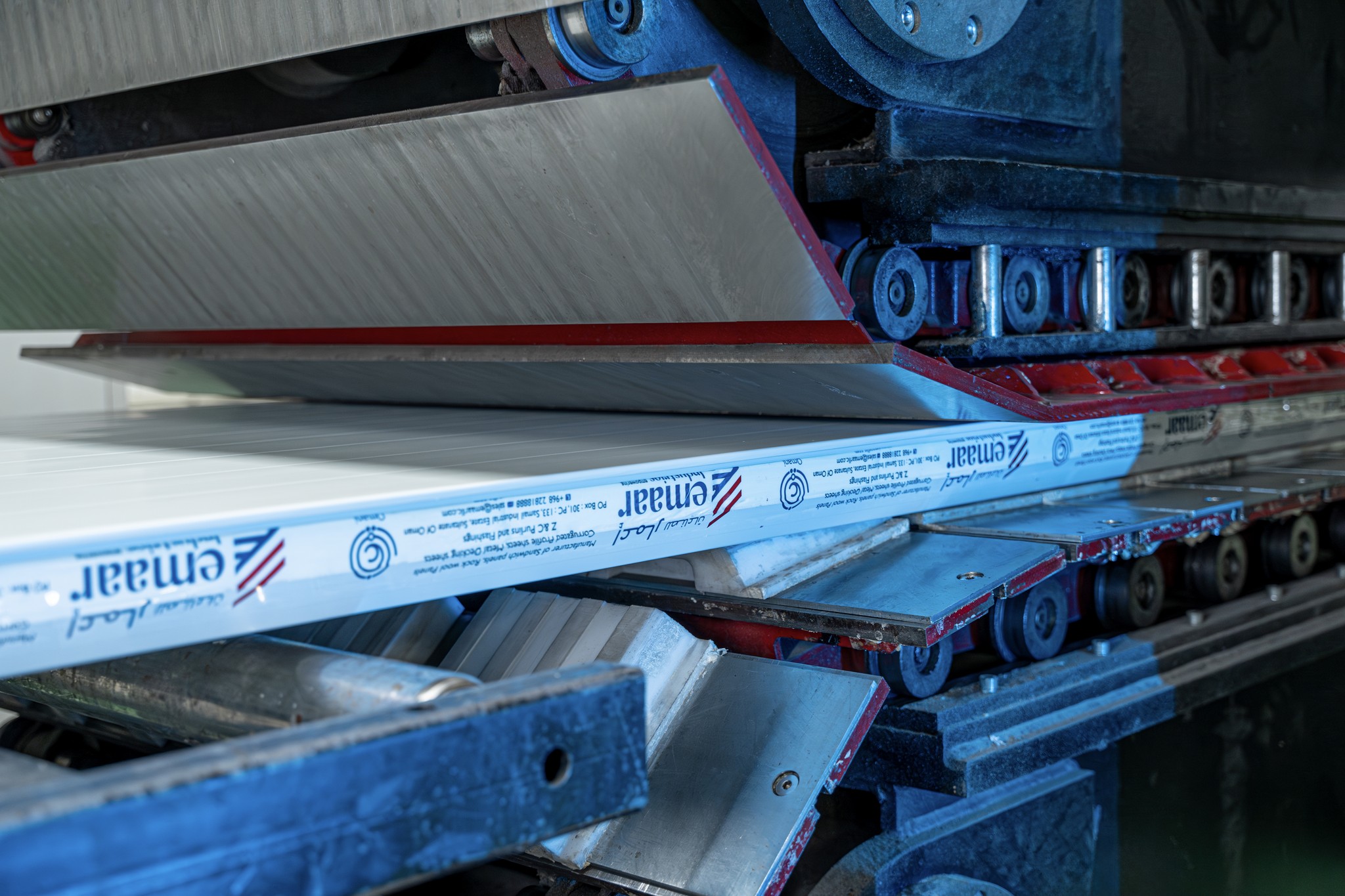
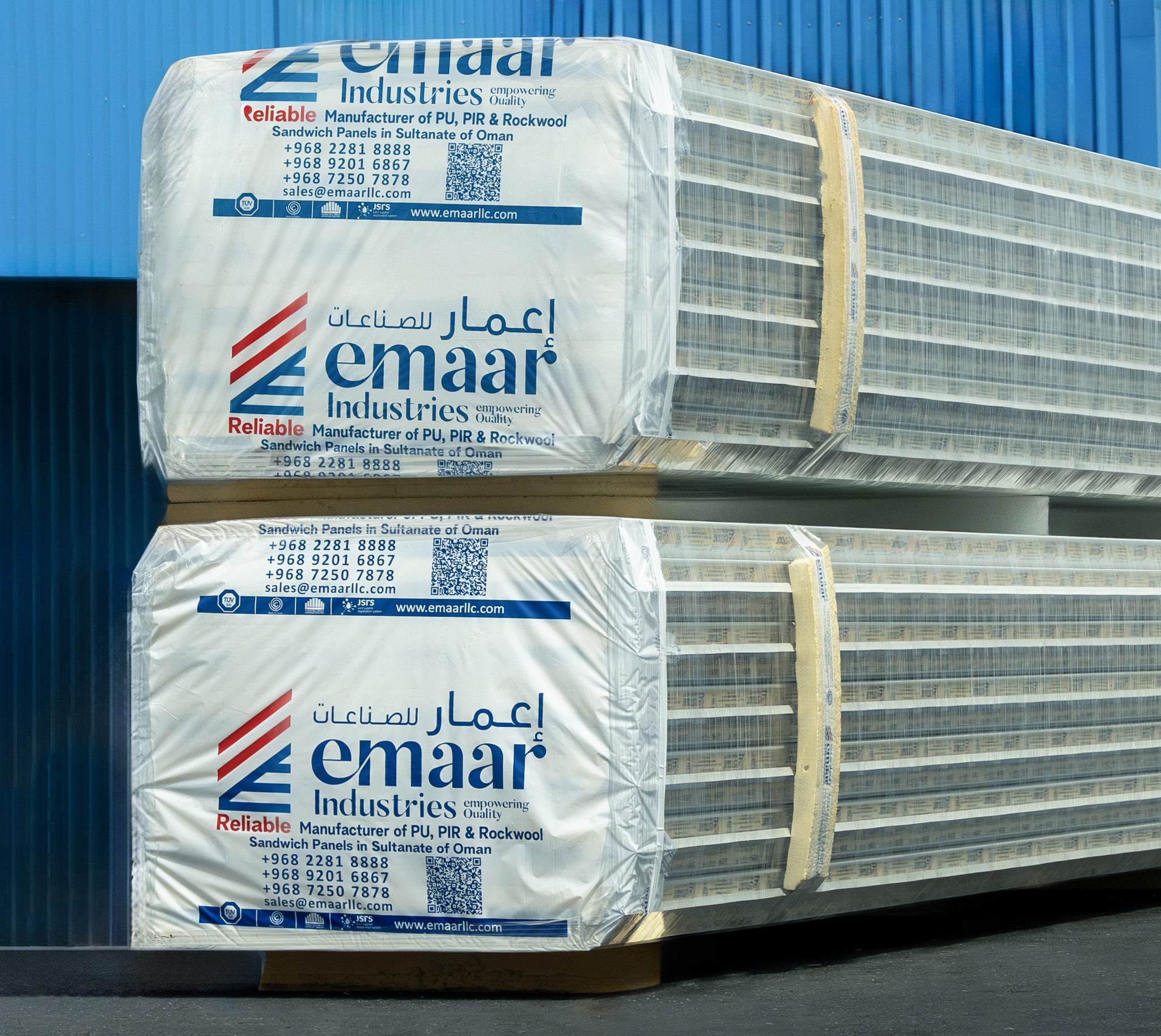

Equipped with a 38-meter double-belt laminator running computerized high-pressure cyclopentane foaming, assuring microcellular consistency and zero density deviation across continuous spans up to 16.5 meters.
Engineered for Gulf, Middle Eastern, and African climatic zones where surface metal temperatures exceed 80°C. Our proprietary isocyanate index delivers dimensional resistance against blistering, skin delamination, and gas leakage.
Formulated with self-extinguishing polyisocyanurate (PIR) technology adhering to EN 13501-1 B-s1,d0 and ASTM E84 Class A criteria, forming an intumescent carbonaceous shield that blocks internal oxygen feeding during fire events.
Strategic logistics coordination utilizing deep-water ports and heavy cross-border road flatbeds directly into UAE, Saudi Arabia, Qatar, Kuwait, Bahrain, and East Africa, bundled with custom wooden palletizing and marine moisture wrapping.
A comprehensive side-by-side empirical comparison evaluating closed-cell polyurethane (PUR), modified polyisocyanurate (PIR), and mineral rockwool cores for commercial architects and HVAC consultants.
| Insulation Parameter | Polyurethane (PUR) | Polyisocyanurate (PIR) | Structural Rock Wool |
|---|---|---|---|
| Thermal Conductivity (λ) | 0.022 – 0.024 W/(m·K) | 0.020 – 0.022 W/(m·K) | 0.038 – 0.044 W/(m·K) |
| Nominal Core Density | 38 – 40 kg/m³ | 40 – 42 kg/m³ | 100 – 140 kg/m³ |
| Fire Classification (EN 13501-1) | Class B2 / B3 (Normal Flammability) | Class B-s1, d0 (Self-Extinguishing) | Class A1 / A2-s1, d0 (Non-Combustible) |
| Closed-Cell Content | ≥ 92% | ≥ 95% | Open porous matrix (Fibrous) |
| Compressive Yield Strength | ≥ 140 kPa (at 10% deformation) | ≥ 160 kPa (at 10% deformation) | ≥ 100 kPa |
| Water Absorption (EN 12087) | < 1.5% vol (after 28 days) | < 1.0% vol (after 28 days) | > 5.0% vol (without hydrophobic binder) |
| Optimal Application Profile | Standard ambient warehouses, agri-storage | Cold storage logistics, blast freezers, GCC roofs | Fire barrier zones, boiler rooms, acoustic enclosures |
*Note: Laboratory thermal conductivity measured at 10°C mean core temperature in accordance with ASTM C518 and EN 12667 aging protocols.
How global EPC contractors, cold chain operators, and sustainability directives are reshaping the international trade of rigid polyurethane composite panels.
Global transition from legacy hydrofluorocarbons (HFCs) toward fourth-generation hydrofluoroolefins (HFOs) and high-purity cyclopentane foaming systems, cutting embodied product carbon footprints by up to 82% to satisfy stringent LEED v4.1 and BREEAM certifications.
Driven by commercial insurance underwriters (e.g., FM Global standards) and stringent municipal civil defence mandates across Saudi Arabia, UAE, and Europe, specifiers are universally replacing conventional PUR cores with fire-resistant PIR cores to minimize life-safety and property liabilities.
Rising adoption of heavy-gauge trapezoidal polyurethane insulated roofs functioning as direct structural mounting substrates for distributed rooftop photovoltaic (PV) arrays, utilizing PVDF paint finishes with high Solar Reflectance Index (SRI > 82) to prevent heat island accumulation.
Large mega-logistics developers now demand customized BIM (Building Information Modeling) parametric panel schedules with millimetric factory length cuts, CNC tongue-and-groove end lap machining, and QR-coded pallet batches to eliminate on-site cutting waste and expedite erection timelines.
Every square meter of sandwich panel manufactured across our lines undergoes rigorous nondestructive and destructive metallurgical and chemical testing prior to container dispatch.
Spectroscopic assessment of hydroxyl value, moisture trace limits (<0.05%), and catalyst balance ensures stable cross-linking during injection.
Verification of hot-dipped Aluzinc/galvanized coil yield strength (≥350 MPa) and paint adhesion via cross-hatch impact testing.
Continuous density inline radiometric scanners maintain 40±2 kg/m³ consistency and >95% closed-cell volumetric integrity.
Mechanical pull-apart tests according to EN 14509 ensure cohesive core failure happens before any adhesive skin separation can occur (>0.12 MPa).
Heat Flow Meter tests (ASTM C518) monitor thermal transmittance values across every production run to guarantee verified project U-values.
Panels are precision stacked with automated protective PE films, expanded polystyrene corner buffers, and heavy heat-shrink poly wrap.
In-depth technical answers addressing core selection, structural spanning, fire ratings, joint mechanisms, and containerized export handling.
Thermal transmission (U-value) is inversely proportional to panel thickness: a 50mm PU panel provides a U-value of approx 0.40 W/(m²·K) suitable for +2°C to +8°C chillers, whereas a 150mm panel delivers 0.14 W/(m²·K) for -18°C to -25°C commercial freezers, and 200mm achieves 0.11 W/(m²·K) for -40°C blast freezers. Choosing appropriate thickness prevents surface condensation and curtails cooling compressor run cycles by up to 35%.
Cam-lock panels feature internal male/female eccentric hooked cast fasteners pre-embedded into the foam during pressing, allowing rapid wrench assembly on site without metal subframes—ideal for indoor modular cold storage rooms. Continuous tongue-and-groove joints are fabricated on automated continuous rolling lines for long warehouse exterior facades and roofs, secured via concealed or visible through-bolts directly into steel purlins.
Yes. Our polyisocyanurate (PIR) panels possess independent testing credentials compliant with EN 13501-1 (Class B-s1, d0) and ASTM E84 / NFPA 285 criteria. Unlike standard PUR, which degrades rapidly under open flames, PIR develops a self-insulating surface carbon charring layer that significantly delays flame escalation and maintains strict low smoke-density generation (s1 classification).
For coastal marine locations subject to airborne salt spray and extreme UV flux (common in Gulf coastal zones), we specify Aluzinc (AZ150) substrates finished with a minimum 25-35 micron Polyvinylidene Fluoride (PVDF) or Super Durable Polyester (HDP/SMP) coating. This system resists blistering, chalking, and corrosion for over 25 years, far surpassing conventional standard PE coatings.
Thermal bridging is eliminated through engineered interlocking tongue-and-groove joint profiles factory-lined with continuous soft closed-cell EPDM gaskets or non-hardening butyl mastic. In ultra-low temperature freezer applications, floor-to-wall and corner interfaces utilize internal PVC thermal-break extrusions, specialized internal flashing angles, and in-situ PU foam injection during erection.
Under standard combined wind suction and dead load limits (1.0 kN/m²), a 100mm exterior trapezoidal sandwich panel with 0.5mm outer / 0.4mm inner steel skins reliably supports continuous purlin spans of 2.2 to 2.8 meters without exceeding deflection criteria (L/200). Our in-house technical engineering office supplies site-specific deflection calculations based on local wind speeds and building geometry.
For standard 40-foot High Cube (40HC) sea shipping containers, the maximum practical panel pack length is 11.85 meters to enable automated forklift or roller skid loading and unloading without bending damage. For domestic overland transit across Oman, UAE, and KSA, flatbed trucks can accommodate single continuous spans up to 16.5 meters, significantly eliminating longitudinal roof end-lap splices.
Yes. When specifying panels for food processing, cleanrooms, or pharmaceutical storage, panels can be manufactured with food-grade plastisol coatings, antibacterial finishes, or grade 304/316 stainless steel inner facings. These surfaces withstand daily high-pressure chemical sanitization and steam-cleaning cycles without delaminating or harboring mold spores.
Our sales engineers respond to project questions during working hours (GST+4).