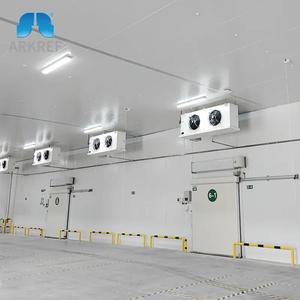
ARKREF Quick-Freezing Cold Storage PU Insulated Panel
Ultra-low temperature PU panel engineered with high-density polyurethane core, tongue-and-groove cam-lock joints, and thermal bridge breaking characteristics for blast freezers.

Combining CNC ridge cap flashing geometries with PIR, PUR, and Rockwool sandwich panel systems ensures absolute thermal continuity, watertight sealing, and long-term structural integrity.
Ultra-low temperature PU panel engineered with high-density polyurethane core, tongue-and-groove cam-lock joints, and thermal bridge breaking characteristics for blast freezers.
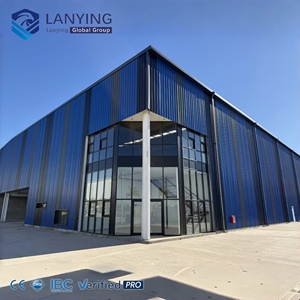
Solid H-shape structural steel frames paired with galvanized purlins, trapezoidal roofing, and precision-bent ridge capping systems built to withstand extreme wind uplift.
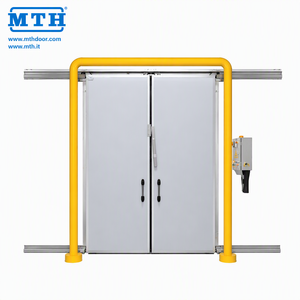
Food-grade AISI 304 stainless steel hermetic door featuring insulated PU core, internal safety release, and wear-resistant rail assemblies for heavy walk-in traffic.
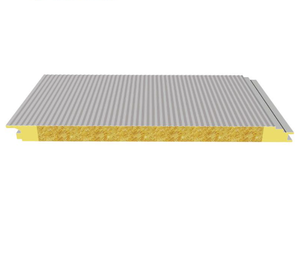
Structural stone wool mineral fibre insulation panels providing up to 4 hours fire barrier rating, acoustic damping, and maximum compliance for civil defence-certified industrial roofs.
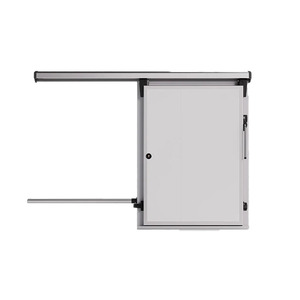
Automated high-cycle drive system with perimeter heating cables to prevent icing, micro-switch safety edges, and high-density polyurethane filling for cold distribution logistics.
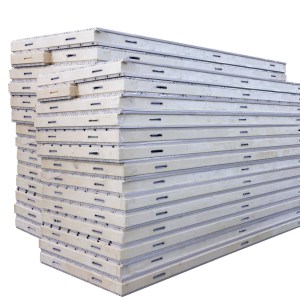
Precision eccentric cam-lock interlocking mechanism delivering modular installation, airtight sealing, and thermal insulation for chillers operating at 0°C to +10°C.
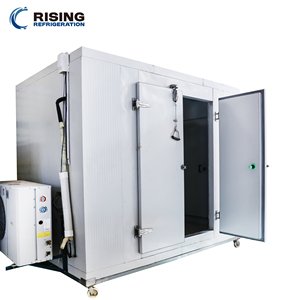
Rigorous international standard certification against property loss, fire propagation, and smoke release, offering maximum commercial asset protection in high-risk zones.
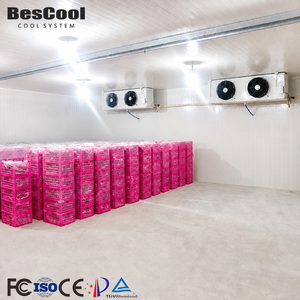
Fully engineered commercial envelope system featuring custom flashings, secondary steel support, ceiling suspension systems, and tailored floor insulation layouts.
Why the apex flashing profile determines the life-cycle durability and weather-tightness of pre-engineered steel buildings and insulated roofing assemblies.
In pre-engineered metal buildings (PEB) and insulated sandwich panel roofs, the ridge cap flashing serves as the critical apex barrier where opposing roof slopes meet. Often underestimated during initial procurement, the ridge line experiences the highest aerodynamic negative pressure (suction), severe thermal expansion stresses, and direct exposure to UV degradation. When non-conforming or improperly gauged flashing components are installed, capillary water seepage, seal separation, and wind-driven water ingress will inevitably bypass the primary cladding, deteriorating internal insulation materials such as Polyisocyanurate (PIR) and Rockwool cores.
As a specialized manufacturer, our ridge flashing solutions are designed with engineered stiffening ribs, hemming edges to prevent capillary creep, and variable contour bends matching exact trapezoidal profiles. By integrating breathable foam fillers or ventilated ridge mesh, our assemblies simultaneously ensure air pressure equilibrium and prevent insect or dust penetration without compromising storm-level moisture resistance.
| Specification Feature | Standard Grade Flashing | Heavy-Duty Industrial Grade | Extreme Coastal / Marine Grade |
|---|---|---|---|
| Substrate Material | Hot-Dip Galv. (Z120–Z180) | Aluzinc (AZ150) / DX51D+Z275 | AZ200 / High-Build PVDF Coated |
| Nominal Thickness | 0.40 mm – 0.50 mm | 0.55 mm – 0.70 mm | 0.70 mm – 1.00 mm (High Gauge) |
| Coating System | Regular Modified Polyester (20µm) | Super Durable Polyester (25µm) | PVDF Fluorocarbon (≥35µm) / Plastisol |
| UV Resistance (EN 10169) | RUV2 | RUV4 (High color retention) | RUV4 / Extreme UV Protection |
| Bending & Hemming | Standard single bend | Safety hemming + drip edges | Dual-break stiffener + contour notch |
How global contractors, EPC specifiers, and asset developers are adjusting their supply chain criteria for commercial envelope components through 2026–2030.
On-site manual sheet manipulation consistently introduces micro-cracks in the organic paint matrix, leading to premature edge corrosion. Forward-thinking procurement managers are transitioning to factory-CNC notched ridge caps tailored directly to the specific roof sheet rib spacing (e.g., 38/200, 45/250), reducing site labor by over 40% and eliminating human installation error.
With warehouse buildings spanning continuous lengths over 100 meters, linear thermal movement between the steel framing and flashing caps causes fastener loosening and ovalization of screw holes. Future procurement demands slotted screw points with EPDM vulcanized washers and sliding expansion joints to maintain water sealing over decade-long thermal cycles.
Corporate sustainability mandates are driving the adoption of bio-based resins and chromium-free passivation layers in coil-coating production. Life Cycle Assessments (LCA) and Environmental Product Declarations (EPD) are shifting from optional compliance submittals to mandatory procurement prerequisites in European and Middle Eastern mega-infrastructure bids.
Combining vertically integrated cold-roll forming with advanced sandwich panel production lines to eliminate construction schedule delays.
We manufacture not just ridge flashings, but matching roof panels, wall facades, cold room systems, purlins, and internal trims under one roof, guaranteeing 100% color matching and interlocking profile alignment.
Designed and proven in the high-heat, high-UV, and high-salinity coastal environments of Oman and the GCC. Our coatings are rated to maintain gloss and peel resistance up to 70°C roof-surface heat index.
Equipped with continuous automated roll-forming and CNC press-brake lines capable of custom lengths up to 8 meters, minimizing lap joints across extensive industrial roof ridges.
Every coil batch undergoes cross-hatch adhesion testing, salt spray chamber exposure (up to 1,000 hours), thickness tolerance verification, and dimensional accuracy checks prior to outbound export loading.
Detailed engineering responses addressing common procurement, specification, and installation challenges.
For standard commercial structures with purlin spacings of 1.2m to 1.5m, a minimum thickness of 0.50 mm (nominal base metal thickness) is acceptable. However, for industrial facilities with wide purlin spans, coastal installations, or high negative wind pressures, civil engineers recommend 0.60 mm to 0.70 mm steel. Thicker flashing provides the mechanical stiffness needed to prevent flutter and prevents the fast-threading self-drilling screws from warping the flashing profile.
Standard architectural recommendations require an end-lap overlap of at least 150 mm to 200 mm between adjacent flashing segments. In regions prone to monsoonal storms or high wind loads, laps must be increased to 250 mm and sealed with two parallel lines of non-curing butyl mastic tape. The fasteners must pass directly through the overlapping seam into the high rib of the underlying roof sheet.
Yes. Because we manufacture sandwich panels and roll-formed flashings using standardized RAL color formulations (such as RAL 9002 Grey White, RAL 9006 White Aluminum, RAL 7016 Anthracite Grey, and custom project shades), our flashings are fabricated from the identical parent coil material, ensuring uniform visual harmony and uniform weathering rates across the entire building lifetime.
Non-ventilated ridge caps completely seal the apex using profile-cut closed-cell foam blocks, typically utilized in conditioned buildings, cleanrooms, and low-temperature cold rooms where zero warm air infiltration is permitted. Ventilated ridge caps incorporate perforated baffle strips or vapor-permeable mesh underneath the flashing wings, enabling rising warm moist air to escape naturally from the attic or plenum, preventing underside condensation dripping onto structural members.
Galvanic corrosion occurs when electrochemically incompatible metals come into direct contact in the presence of an electrolyte (such as condensation or rainwater)—for example, pairing copper flashings with aluminum-zinc panels, or securing galvanized steel flashings with plain carbon steel fasteners. We specify class 4 corrosion-resistant carbon steel fasteners with bonded EPDM washers or 300-series stainless steel fasteners with isolating nylon washers to preserve cathodic equilibrium.
Looking for comprehensive submittal packages including datasheets, test reports, and warranty certificates?
Send an InquiryOur sales engineers respond to project questions during working hours (GST+4).