
Engineered to satisfy both European CE EN 14509 standards and Central Asian KMK seismic and thermal performance mandates. Continuous automated manufacturing ensures airtight joint tolerances and unyielding fire suppression.
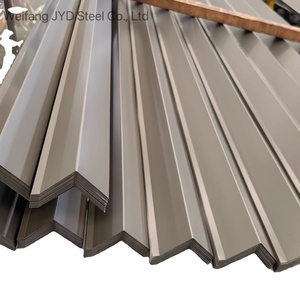
Galvanized, multi-bend weather-tight flashing trim. Prevents capillary moisture ingress across eaves and parapets during Tashkent and Samarkand seasonal freeze-thaw cycles.
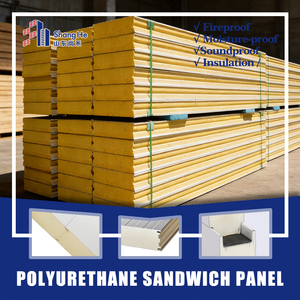
High-density Polyisocyanurate modular core featuring labyrinth interlocking joints. Preserves deep sub-zero thermal envelopes with zero condensation in high-temperature summer environments.
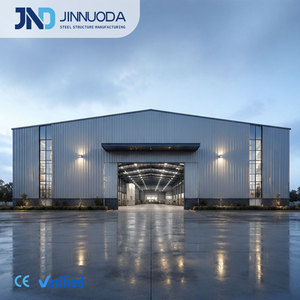
CE-marked cold-rolled structural Z & C purlins engineered for clear-span industrial workshops. Calibrated for Uzbekistan Zone 7-9 seismic load ratings and wind uplift resilience.
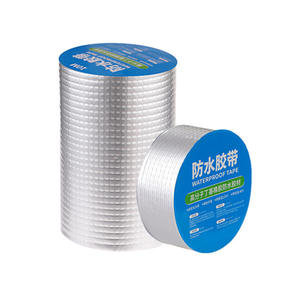
Heavy-duty aluminum-backed elastomeric butyl membrane. Guarantees airtight and hermetic seam integrity across sandwich panel joints under acute UV exposure.
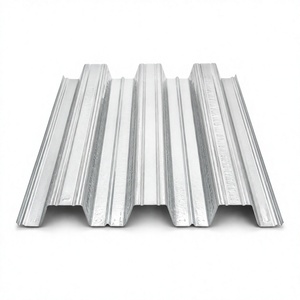
High-yield galvanized structural decking sheet designed as permanent composite formwork. Decreases deadweight loads across multi-tier agro-processing and logistics facilities.
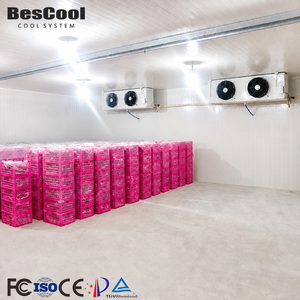
Engineered for large agricultural distribution hubs in Fergana Valley and Samarkand. Cam-locking tongue-and-groove system guarantees unbroken thermal resistance (U-values < 0.15 W/m²K).
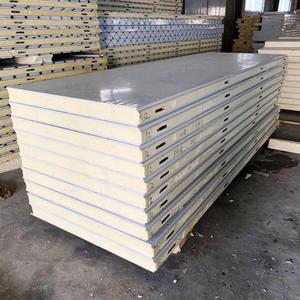
Anti-bacterial pre-painted galvanized steel skin paired with continuous fire-retardant PUR/PIR core. Meets ISO 14644 cleanroom protocols for Tashkent pharmaceutical developments.
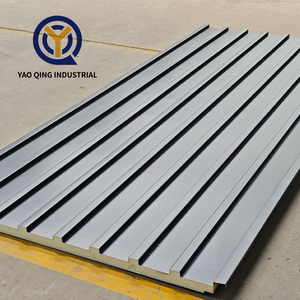
Lightweight high-insulation alloy panel engineered with high Solar Reflectance Index (SRI > 78). Eliminates heat accumulation across expansive commercial buildings during extreme summer heatwaves.
A rigorous examination of building physics, structural safety, and regulatory harmonization between European CE standards (EN 14509) and Uzbekistan national construction norms (KMK 2.01.05-19 and KMK 2.01.04-97).
Uzbekistan's fire prevention framework relies on strict construction codes (KMK 2.01.05-19 "Fire Safety of Buildings and Structures"). In industrial projects, authorities demand non-combustible compartmentation (Category I and II fire resistance). Our CE-certified Rockwool cores provide Euroclass A1/A2-s1,d0 reaction-to-fire performance, delivering verified integrity and insulation ratings from EI 60 up to EI 240. For lightweight thermal envelopes, our Polyisocyanurate (PIR) cores achieve Euroclass B-s1,d0 with advanced aromatic ring polyol chemistry that chars upon flame exposure, self-extinguishing without molten droplets or flashover risks.
Uzbekistan experiences extreme continental temperature variations. In regions like Navoi, Bukhara, and Tashkent, exterior metal skin temperatures frequently surpass +65°C during the "Chilla" (peak summer), while dropping to -25°C in severe winter cold fronts. This 90°C thermal amplitude causes severe expansion-contraction stresses that pull standard panels apart. Our continuous polyurethane injection utilizes pentane blowing technology yielding an ultra-fine closed-cell density (≥ 95% closed cell, 40-42 kg/m³), ensuring an extraordinarily low thermal conductivity of λ = 0.020 W/m·K and dimensional stability under severe thermal shear.
The vast majority of Uzbekistan's major industrial corridors (including the Tashkent basin and the Fergana Valley) lie within seismically active zones rated 7, 8, or 9 on the MSK-64 scale. Rigid, brittle building materials crack under shear waves. Our composite sandwich panels function as stressed-skin diaphragms. Bound with high-adhesion bicomponent polyurethane adhesives (> 0.12 MPa tensile bond strength), the panels deflect lateral drift forces without structural delamination. When paired with cold-rolled high-tensile Z/C purlins, the structural envelope yields exceptional ductility.
| Insulation Core Type | Density (ρ) | Thermal Cond. (λ) | EN 14509 Fire Class | Uzbek KMK Fire Rating | Ideal Uzbekistan Application |
|---|---|---|---|---|---|
| Continuous Rigid PIR | 40 – 42 kg/m³ | 0.020 – 0.022 W/m·K | B-s1, d0 | G1 (Low Combustibility) | Agro-logistics cold stores, manufacturing plants, distribution warehouses |
| Structural Rockwool | 100 – 140 kg/m³ | 0.038 – 0.042 W/m·K | A1 / A2-s1, d0 | NG (Non-Combustible) | Chemical processing plants, metallurgical facilities, data centers, firewalls |
| Standard Cold-Room PUR | 38 – 40 kg/m³ | 0.023 – 0.025 W/m·K | B2 / B3 | G2 – G3 (Combustible) | Internal chiller rooms, blast freezers, modular controlled-atmosphere fruit storage |
| Composite Decking + Concrete | 2,400 kg/m³ | 1.30 – 1.60 W/m·K | Class A1 | REI 60 – REI 180 | Multi-story mezzanine floors, grain silos, heavy machinery foundations |
Across special economic zones (SEZ) and national industrial modernization initiatives, our fire-rated panels deliver targeted envelope solutions built to withstand real-world operational challenges.
Navoi Free Industrial Economic Zone acts as Central Asia's multimodal rail and air transit axis. Large-span transit warehouses require rapid assembly and low deadweight loads to minimize subgrade stress on dry desert soil. Our trapezoidal 100mm PIR roof panels paired with 0.5mm/0.5mm galvanized structural steel sheets create durable, dust-tight distribution terminals with maximum thermal insulation.
The fertile Fergana Valley (Namangan, Andijan, Fergana) supplies fresh cherries, apricots, and vegetables across Eurasia. Preserving fruit texture and preventing moisture loss requires hermetic Controlled Atmosphere (CA) cold storage. Our 120mm to 150mm PIR panels integrate food-grade PVC/PVDF coatings, anti-microbial surface linings, and continuous elastomeric joint gaskets that prevent refrigerant escape.
The state-sponsored Tashkent Pharma Park in Zangiata requires stringent ISO Class 5 to Class 8 sterile environments. Our flush-joint wall panels feature micro-ribbed or entirely flat metal facings coated with anti-static polyester or PVDF. Panels integrate seamlessly with flush-mounted HEPA filter frames, inspection viewports, and cleanroom air locks to eliminate microscopic bacterial accumulation pockets.
Industrial giants across Almalyk (AMMC), Bekabad, and Chirchiq operate extreme thermal furnaces and corrosive chemical processes. In these demanding environments, polyurethane is strictly restricted by local fire authorities. Our non-combustible basal-fiber Rockwool panels deliver up to 4 hours of structural barrier integrity (EI 240) while resisting sulfur dioxide and airborne acid vapors.
Under the national "Uzbekistan 2030" development strategy, the Republic is fundamentally overhauling its industrial infrastructure. Historic industrial construction across Central Asia depended on heavy silicate bricks, precast reinforced concrete slabs, and hazardous asbestos-cement corrugated sheets. These legacy building materials suffer from three crippling weaknesses: massive structural deadweight that amplifies seismic vulnerability, severe thermal conductivity that demands high HVAC energy expenditure, and labor-intensive assembly timelines that delay commissioning.
New presidential decrees prioritizing energy conservation in commercial structures have made energy audits mandatory for state and foreign-direct-investment (FDI) developments. Modern engineering procurement requires pre-insulated continuous sandwich panels that guarantee high thermal resistance ($R$-values exceeding 4.5 m²K/W) and immediate commissioning. By replacing heavy masonry with continuous CE-certified sandwich panels, developers across Uzbekistan reduce foundation reinforcement tonnage by up to 35%, accelerate structural completion timelines by 60%, and slash operational cooling and heating power expenditures by more than 40% annually.
*Calculated based on standard 10,000 m² logistics warehouse footprint in the Tashkent Industrial Belt under standard utility billing schedules.
Contact UsOperating continuous automated manufacturing lines with an output exceeding 10,000 m² per day. Precision computer-controlled roll-forming, high-pressure polyurethane foaming, and automated rockwool lamella orientation ensure exact tolerance conformity.
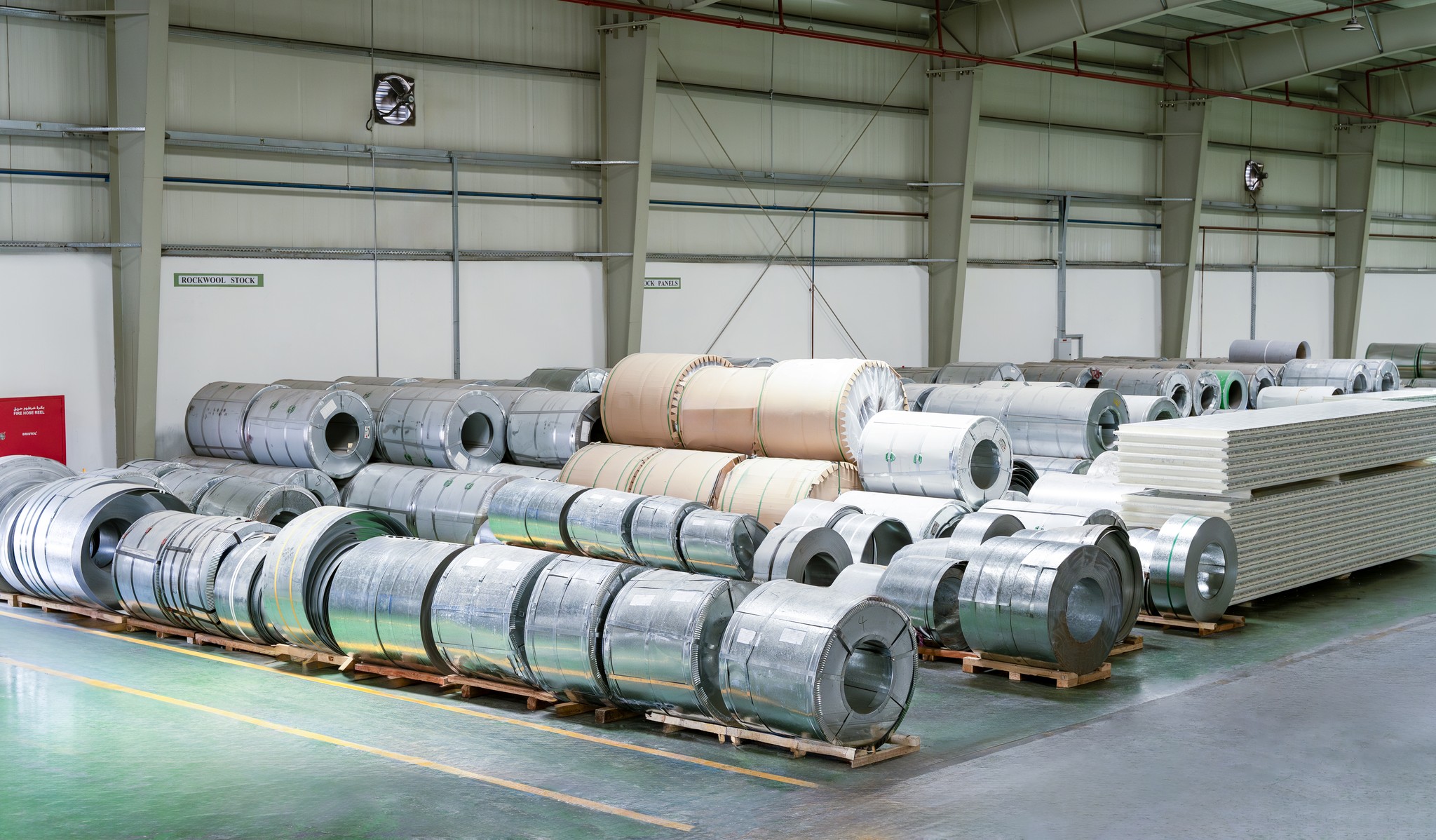
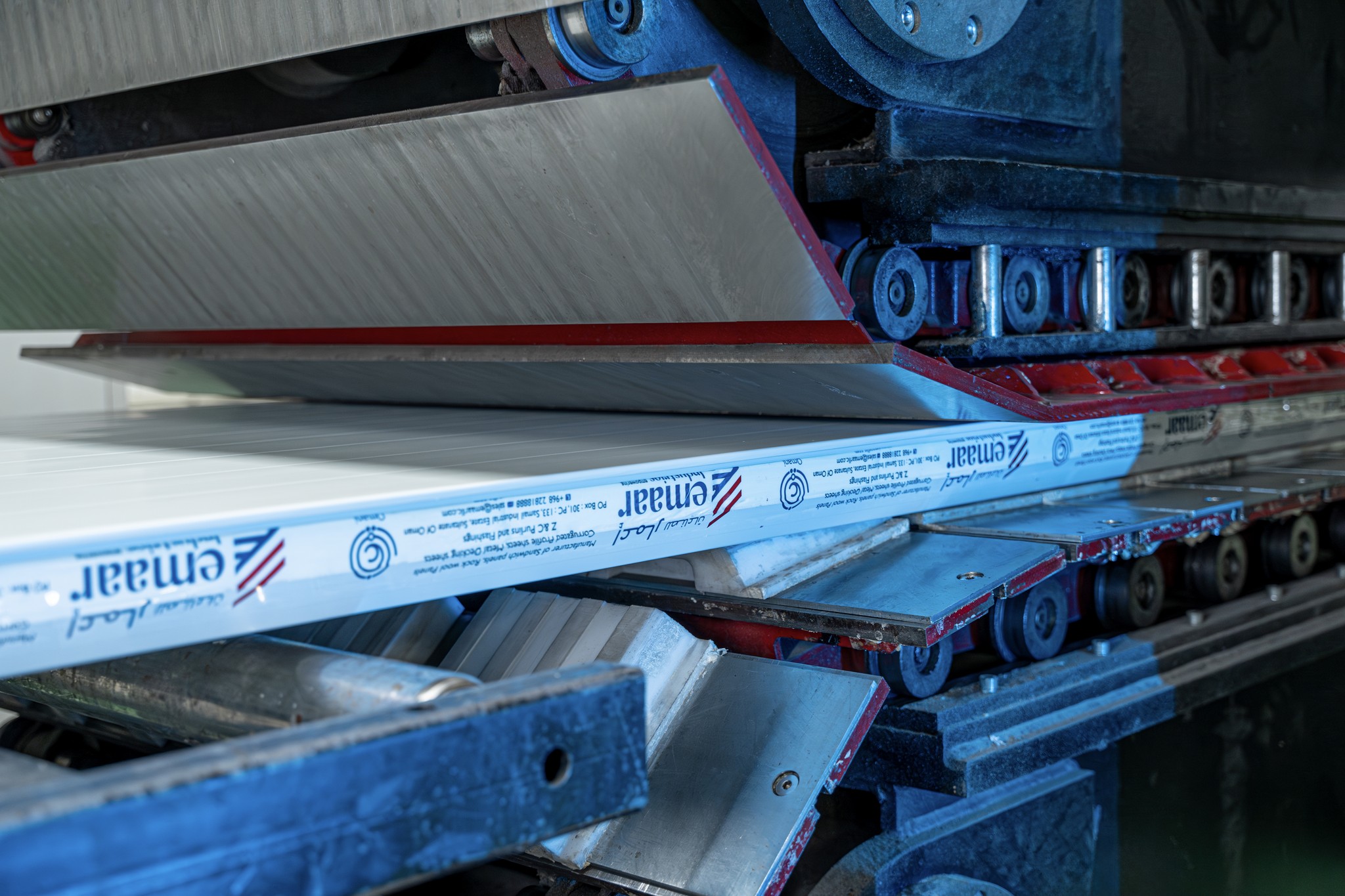
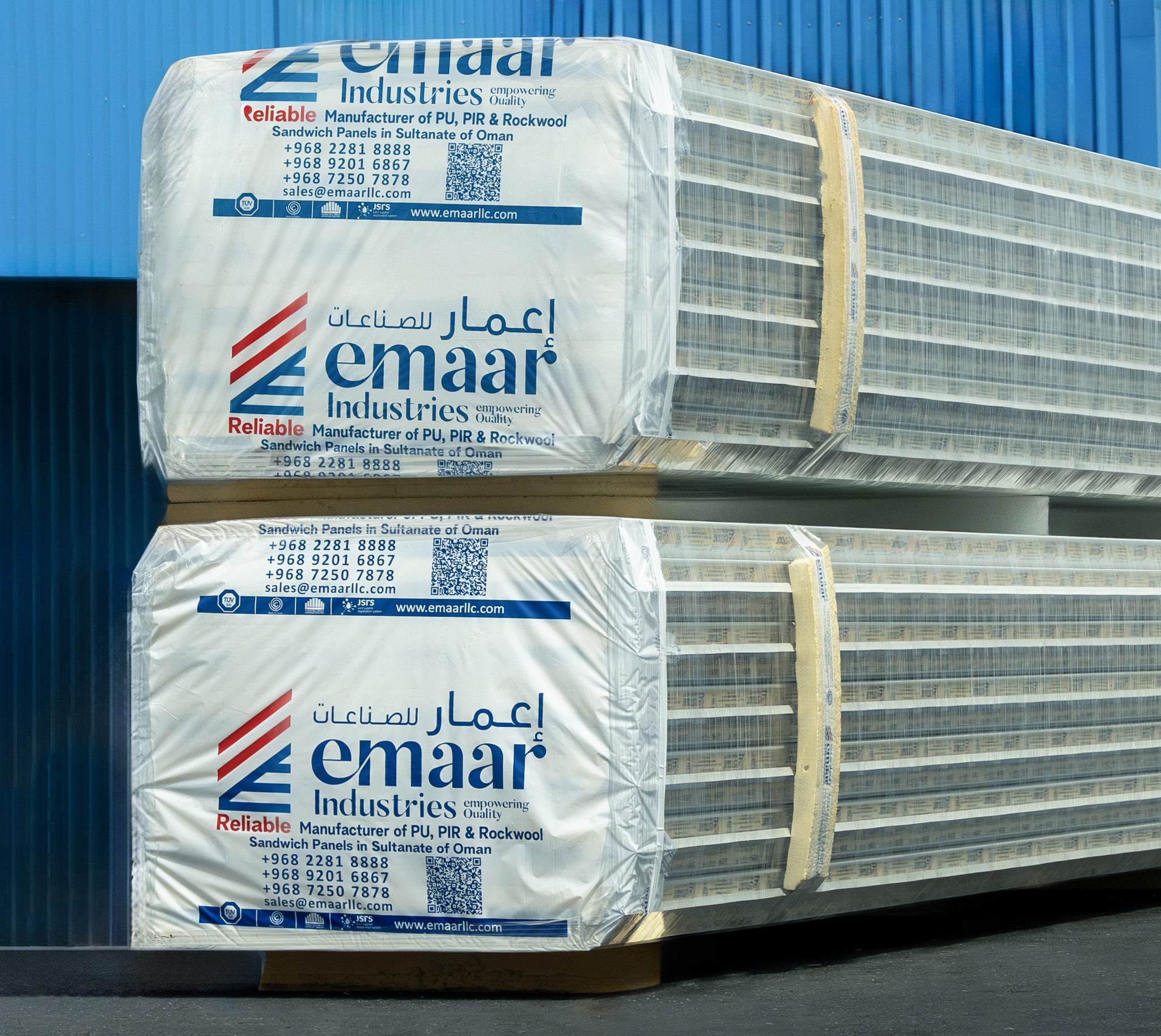
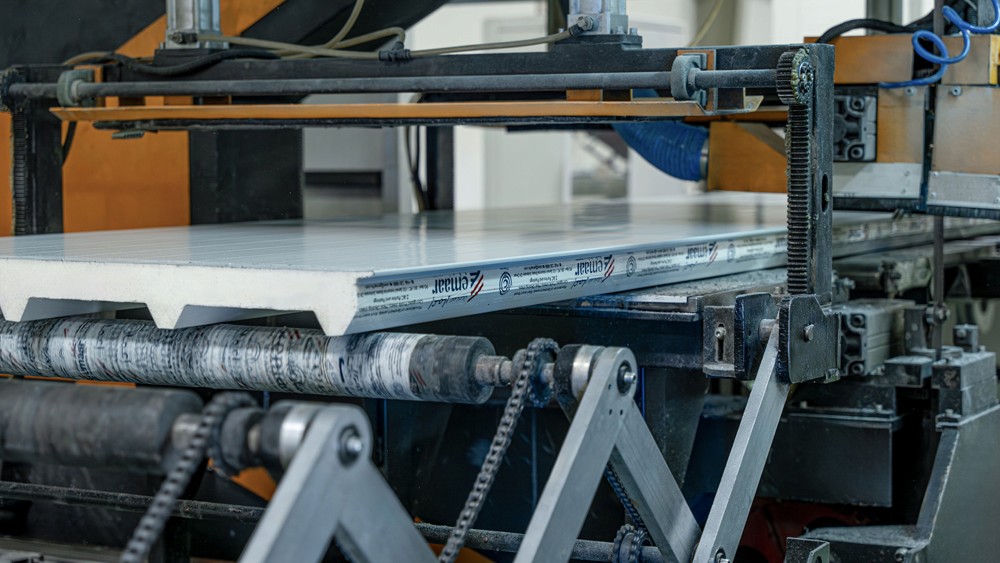
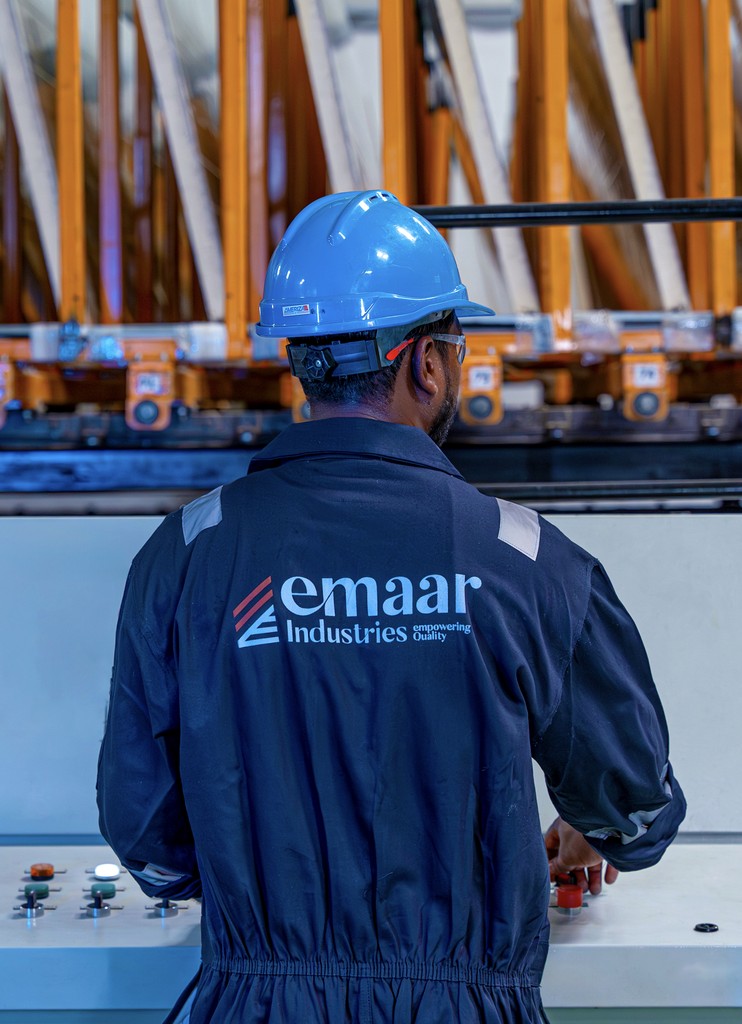
Continuous uninterrupted production lines ensure scalable delivery for large industrial master developments without phased production backlogs.
Each production batch includes factory mill test certificates, CE Declarations of Performance (DoP), and comprehensive fire reaction datasheets.
Optimized intermodal container rail freight routing directly to Tashkent (Chukursay Station) and Sergeli customs clearance terminals.
Our dedicated engineering department provides structural static calculations, wind uplift modeling, and panel cutting optimization drawings.
Essential regulatory, logistics, and technical specifications for general contractors, engineering consultants, and commercial developers importing panels into Uzbekistan.
In Uzbekistan, construction approval requires compliance with KMK (Qurilish Me’yorlari va Qoidalari). CE Certification under European Standard EN 14509 provides verified baseline documentation for structural loading, thermal transmittance, and fire classification. When importing, our technical team provides full factory test dossiers (covering ISO 9001, EN 13501-1 reaction to fire, and EN 1365 resistance to fire) which enable fast-track local homologation and certification through the Uzstandard agency (O'zstandart) and the Ministry of Emergency Situations (MChS).
Due to severe summer ambient peaks (+42°C to +46°C in direct sunlight), cold storage facilities operating at chilled regimes (0°C to +4°C) require a minimum of 100mm to 120mm continuous PIR core insulation. For deep-freeze warehouses (-18°C to -25°C) and blast freezers, 150mm to 200mm high-density Polyisocyanurate is strongly recommended. This guarantees thermal transmittance values below 0.11 W/m²K, preventing internal compressor overloading and eliminating floor frost-heave risks when combined with underfloor sub-ventilation.
Panels are shipped via standardized 40ft High Cube (HC) open-top or enclosed maritime/rail containers, or via dedicated oversized road TIR trailers. Every panel bundle is inter-leaved with protective polyethylene film, banded with heavy-duty plastic strapping, and fitted with rigid EPS/wooden corner blocks. For rail transit to Tashkent (Chukursay, Station Code 720000) and Sergeli dry ports, containers are desiccated to prevent condensation corrosion during rapid elevation and temperature shifts across the Caspian or Central Asian overland corridors.
Desert industrial zones experience intense UV radiation (UV Index 9+). Standard commercial polyester paints chalk and fade within 3 to 5 years. For these conditions, we supply high-performance PVDF (Polyvinylidene Fluoride) coatings or HDP (High-Durability Polyester) with 70/30 resin systems applied over a hot-dip galvanized substrate (minimum Z275 zinc mass or SuperDyma / Aluzinc AZ150 alloy). This configuration offers ultraviolet resistance class RUV4 and corrosion resistance class RC4 under EN 10169, guaranteeing 20-30 years of color retention and rust resistance.
Yes. We operate as a full building envelope partner. In addition to primary insulated wall and roof panels, our production facilities roll-form cold-formed galvanized Z and C purlins, composite floor decking, ridge caps, corner trims, drip edges, self-drilling EPDM screws, and butyl airtight joint sealing tapes. Supplying the complete structural secondary package from a single manufacturing source ensures that thermal expansion tolerances, fastener metallurgy, and coating colors align across the entire structure.
We work under international Incoterms 2020 rules, commonly delivering on DAP Tashkent / Samarkand / Navoi or CIP / CIF terms. Payment is typically facilitated through Confirmed Irrevocable Letters of Credit (L/C) or structured milestone T/T wire transfers. Our export documentation includes certified Commercial Invoices, Packing Lists, Certificates of Origin (Form A/CT-1 where applicable), and Mill Test Certificates to ensure straightforward customs clearance through the State Customs Committee of the Republic of Uzbekistan.
Send us your project drawings, architectural elevations, and thermal specifications. Our structural engineers will prepare complete static calculations, panel cutting layouts, and an itemized CIF/DAP Tashkent commercial quotation within 24 hours.
Our sales engineers respond to project questions during working hours (GST+4).