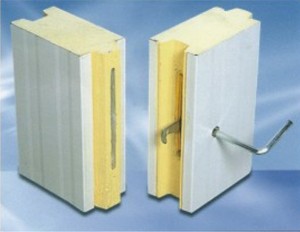
Engineered for high thermal resistance, cyclonic wind integrity, seismic slip adaptability, and extreme marine durability across North and South Islands of New Zealand.
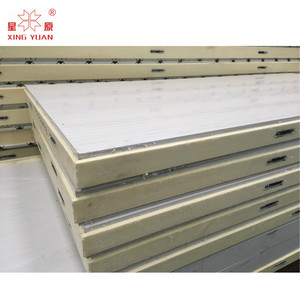
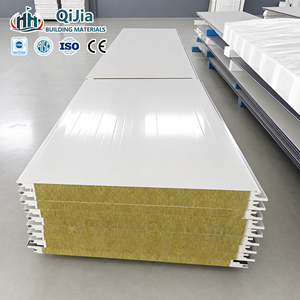
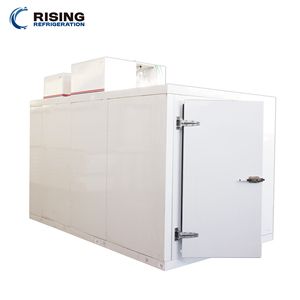
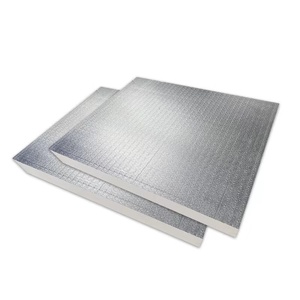
Polyisocyanurate (PIR) represents a closed-cell polymeric evolution over conventional polyurethane (PUR). By driving the stoichiometric index of methylene diphenyl diisocyanate (MDI) and polyol past the 250–300 index threshold in the presence of trimerisation catalysts, stable six-membered isocyanurate ring structures are synthesized. This chemical architecture demonstrates superior thermodynamic stability, char-forming carbonaceous reaction during flame exposure, and an exceptionally closed cell matrix (>92% closed-cell content) blown with zero-ODP, low-GWP hydrocarbon pentane blowing agents.
For commercial structural engineers and specifiers operating under the New Zealand Building Code (NZBC), our CE-certified continuous manufacturing ensures uniform density distribution (40–42 kg/m³), eliminating thermal bridging, internal gas voids, and shear plane delamination. The microcellular matrix achieves an aged lambda value of λ = 0.020–0.022 W/m·K (tested in accordance with EN 12667 and EN 13165), enabling developers to meet updated MBIE Clause H1 (Energy Efficiency) requirements with significantly reduced panel thicknesses compared to Expanded Polystyrene (EPS) or mineral wool.
| Physical & Structural Metric | Standard Polyisocyanurate (PIR) | Stone Mineral Rock Wool | Rigid Polyurethane (PUR) | Verification Standards |
|---|---|---|---|---|
| Aged Thermal Conductivity (λ) | 0.020 – 0.022 W/m·K | 0.038 – 0.042 W/m·K | 0.024 – 0.026 W/m·K | EN 12667 / ASTM C518 |
| Core Density (Nominal) | 40 – 42 kg/m³ (±2) | 100 – 120 kg/m³ | 38 – 40 kg/m³ | EN 1602 / ISO 845 |
| Reaction to Fire (Euroclass) | B-s1, d0 (Char-forming) | A1 / A2-s1, d0 (Non-combustible) | B-s2, d0 / B-s3, d0 | EN 13501-1 / ISO 11925-2 |
| NZBC Fire Hazard Classification | Group 1-S / Group 2 Ready | Group 1-S Compliant | Group 3 / Group 2 | ISO 9705 / AS ISO 9705 |
| Compressive Strength (10% strain) | ≥ 140 – 160 kPa | ≥ 60 – 80 kPa | ≥ 110 – 130 kPa | EN 826 / ISO 844 |
| Cross-Panel Tensile Strength | ≥ 100 kPa | ≥ 80 kPa | ≥ 90 kPa | EN 14509 Cross-Heads |
| Closed Cell Volume Index | > 92% to 95% | Open fibrous matrix | > 88% | ISO 4590 |
| Vapor Permeability Coefficient | ≤ 2.5 × 10¹¹ kg/(m·s·Pa) | Permeable (requires vapor barrier) | ≤ 3.0 × 10¹¹ kg/(m·s·Pa) | EN 12086 |
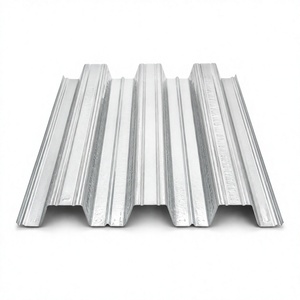
All CE certified panels destined for the New Zealand market are manufactured under continuous automated double-belt conditions with dynamic hydraulic temperature controls, guaranteeing cross-sectional polymerization integrity. The external facing options utilize high-tensile structural steel (G300 to G550, conforming to AS 1397) coated with aluminum-zinc protective alloys (AZ150 / AZ200) or heavy-build continuous polyester/PVDF systems, calibrated specifically for marine coastal severity zones as defined in AS/NZS 2728.
From cyclonic coastal fronts in Northland to sub-zero agricultural logistics hubs across Canterbury and Otago, our panel assemblies are calibrated for New Zealand's rigorous conditions.
Controlled atmosphere facilities in Waikato and Canterbury requiring continuous sanitation. Food-grade anti-microbial coatings and sealed joint systems withstand daily caustic washdowns without degradation.
Kiwifruit and pipfruit packhouses throughout the Bay of Plenty and Hawke's Bay requiring massive clear spans, rapid thermal pull-down, and integrated moisture barrier integrity to prevent fruit desiccation.
Distribution centers in Auckland and high-seismic zones like Wellington. Panel connection details are engineered with ductile fasteners and sliding perimeter gaskets meeting AS/NZS 1170.2 and NZS 4219 drift criteria.
Industrial builds positioned along coastal ports (Tauranga, Lyttelton, Napier). Heavy-duty barrier coatings (AZ200 Zincalume or 70/30 PVDF) resist harsh salt-spray, UV degradation, and atmospheric corrosive attacks.
Navigating the regulatory paradigm shift across New Zealand's commercial building sector: Energy conservation, fire hazard governance, and embodied carbon compliance.
The Ministry of Business, Innovation and Employment (MBIE) has substantially raised roof and wall thermal performance targets across all six New Zealand climate zones. Meeting minimum construction R-values (R6.6 for commercial roofing and R2.8 to R3.2 for exterior walls) with bulky fiberglass batt insulation results in excessive wall footprint depth and pervasive interstitial condensation. Continuous PIR composite envelope panels eliminate thermal bridging completely, delivering compliance in a streamlined single-pass install that accelerates commercial construction timelines.
Following catastrophic fire incidents associated with untreated expanded polystyrene (EPS) core panels globally, New Zealand insurance underwriters and territorial authorities demand strict compliance with NZBC Protection from Fire (Clauses C1-C6). Specifiers are shifting permanently to certified Group 1-S and Group 2 fire hazard properties evaluated under ISO 9705 or AS ISO 9705 full-scale room burns. Our PIR chemistry creates an expanding carbon char barrier that resists flame propagation, minimizing toxic smoke density under Euroclass B-s1, d0 standards.
The New Zealand Green Building Council (NZGBC) Green Star rating systems and the national 2050 Net-Zero Carbon Buildings framework place unprecedented emphasis on embodied lifecycle carbon and operational HVAC efficiencies. Our PIR panels utilize hydrocarbon pentane blowing formulations with zero Ozone Depletion Potential (ODP) and negligible Global Warming Potential (GWP < 1). Long operational lifespans of 30–50 years drastically lower heating and refrigeration energy loads, unlocking superior Green Star certification credits for Tier-1 projects.
Leveraging high-precision European automated continuous processing to deliver guaranteed dimensional tolerance, bond integrity, and marine-grade protective packaging.
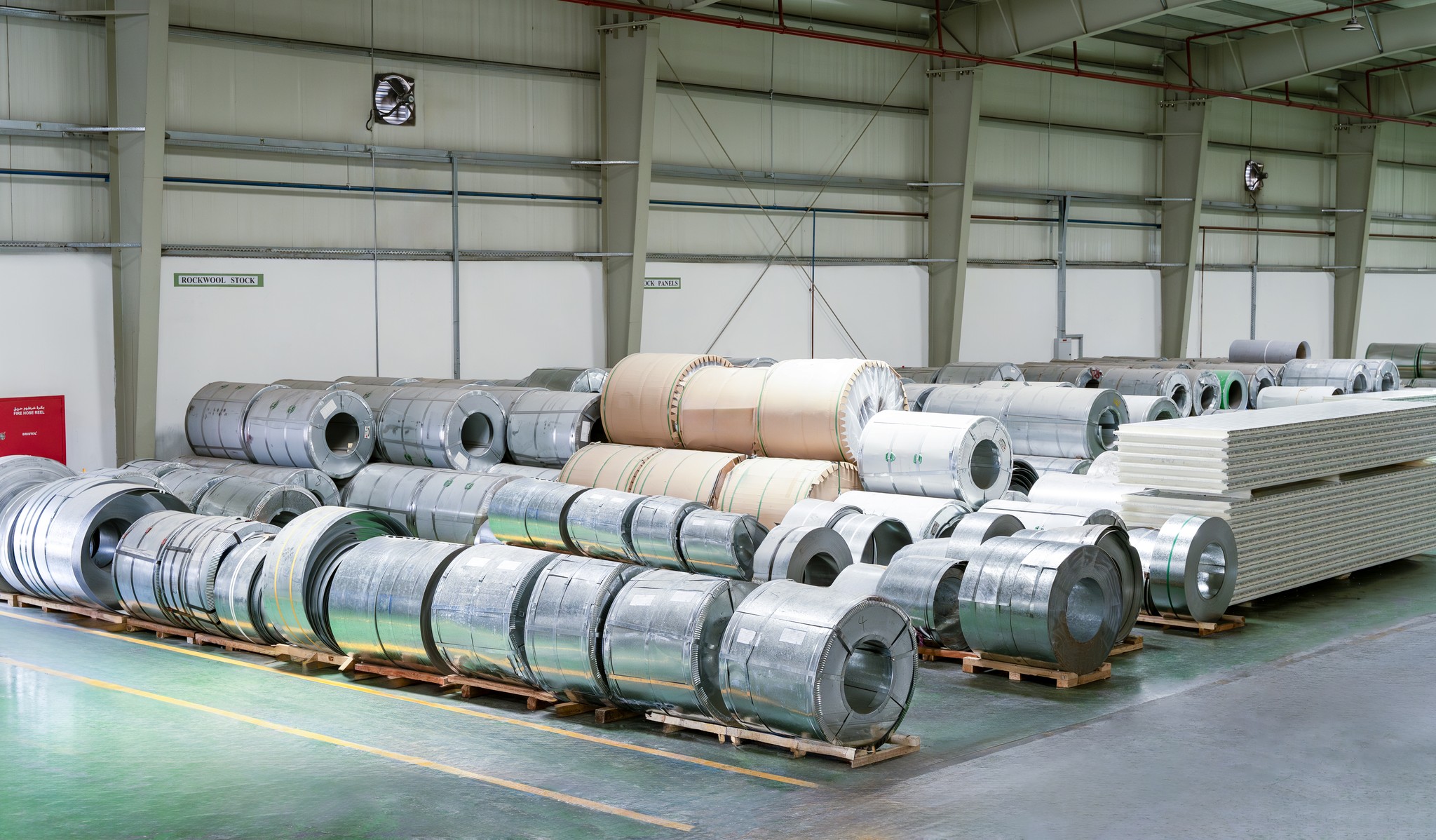
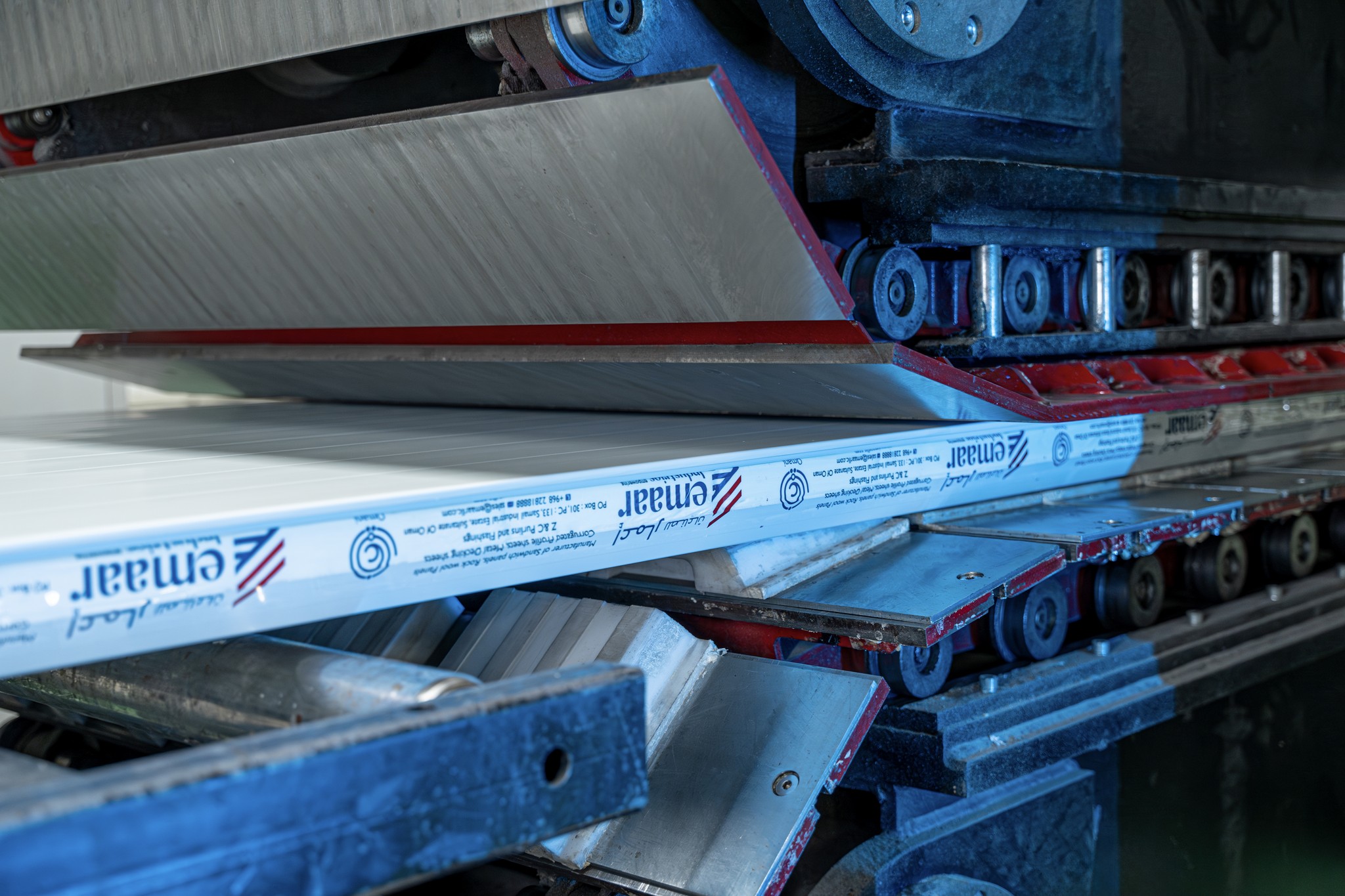
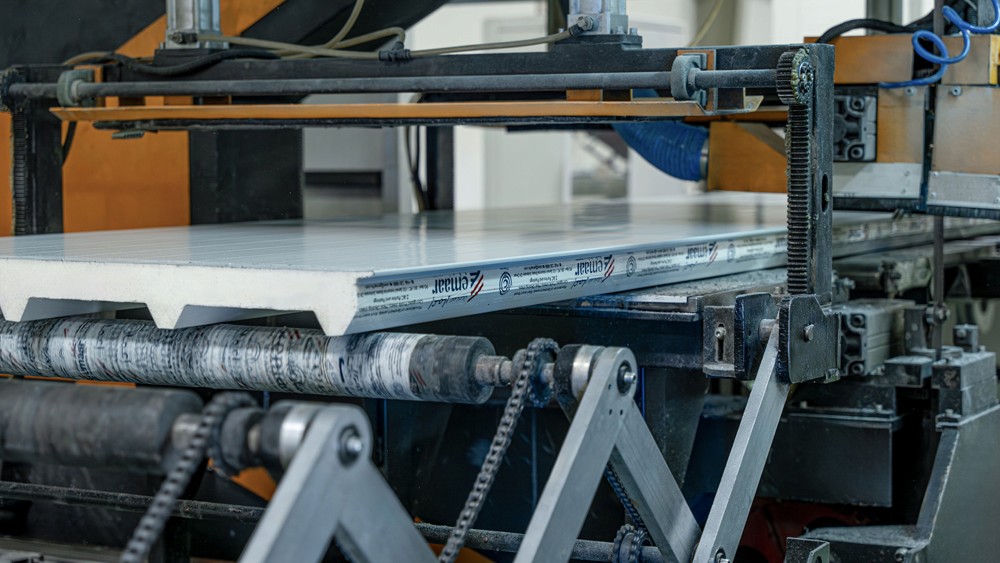
Advanced 42-meter continuous heated caterpillar press ensures uninterrupted resin polymerization, perfectly planar surfaces, and sub-millimeter thickness consistency up to 200mm.
Rigorous third-party verification conforming to EN 14509 standards. Every production heat is tested for tensile bond strength, shear modulus, core density, and thermal conductivity.
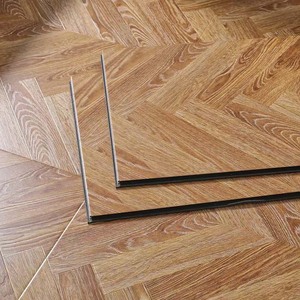
Flexible profiling options including micro-rib, mesa, shadow-line, and flat architectural finishes. Color-matched to standard New Zealand palettes (Titania, Ironsand, Grey Friars, Cloud).
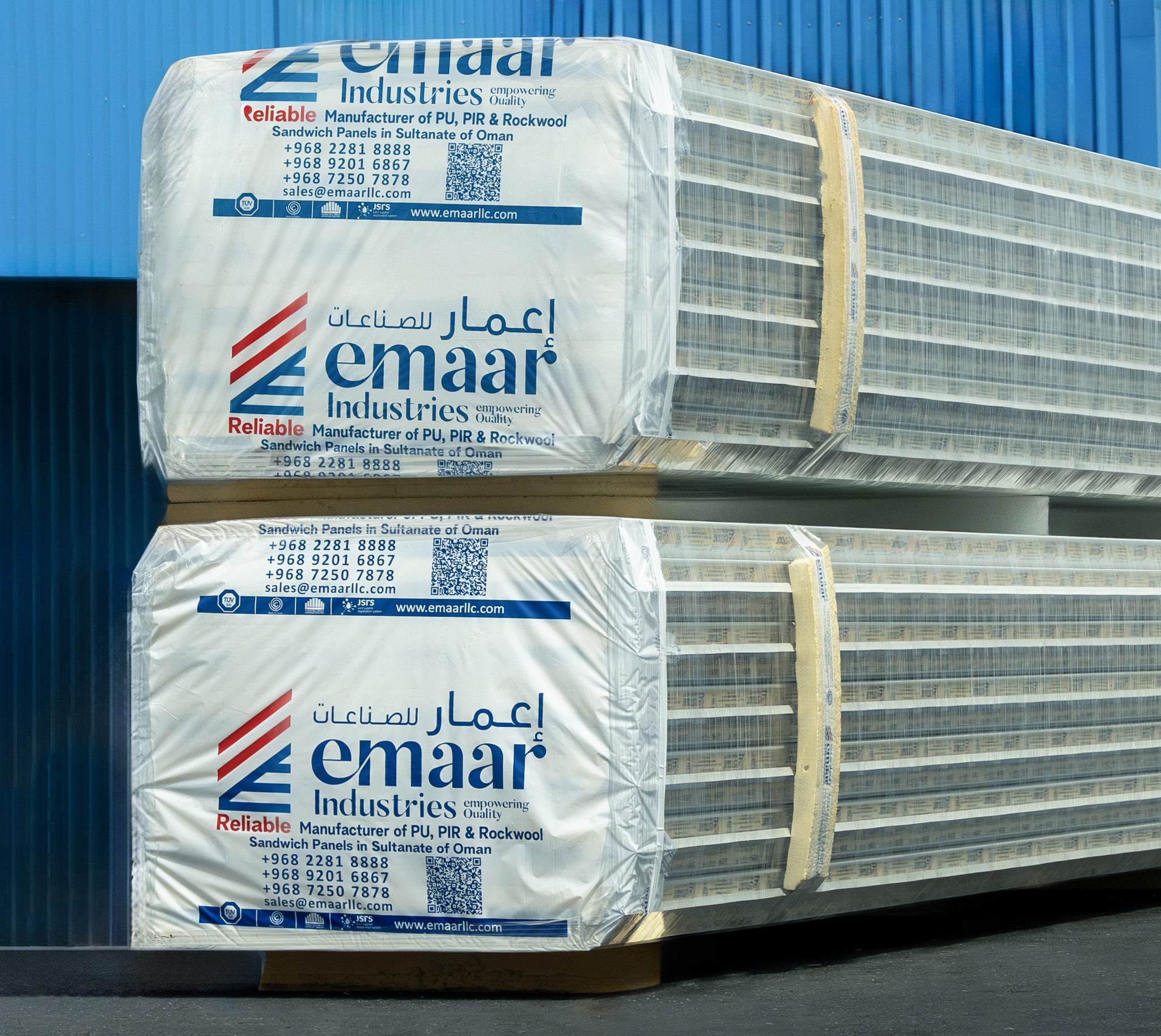
Containerized flat-pack ocean stowing with vapor-barrier protective shrink wrap, heavy edge protectors, and desiccant packs destined directly for Auckland, Tauranga, and Lyttelton.
Detailed technical answers addressing compliance pathways, shipping integrity, joint engineering, and seismic warranties for commercial builders and quantity surveyors.
CE certification in accordance with EN 14509 provides accredited European testing data that directly feeds into the NZBC "Alternative Solution" verification pathway. Our technical team delivers complete manufacturer compliance dossiers containing ISO 9001 quality audits, EN 13501-1 fire reaction reports (Euroclass B-s1, d0 comparable with Group 1-S/Group 2 fire performance), EN 12667 thermal tests, and characteristic shear/tensile data to simplify territorial authority (BCA) and producer statement (PS1/PS3) approvals.
Transporting panels across Pacific maritime shipping lanes exposes raw materials to ambient salt air and fluctuating humidity. We enforce strict international export packing standards: every panel bundle is tightly enveloped with breathable micro-perforated film, surrounded by vacuum-sealed vapor barriers, protected with heavy-gauge corrugated edge armor, and elevated on reinforced wooden skids to prevent container floor condensation absorption during ocean transit to Auckland or Tauranga.
In accordance with AS/NZS 1170.2 and NZS 4219, building envelopes must accommodate lateral drift and structural movement during seismic events without compromising weather seals. Our panels feature double tongue-and-groove joint profiles with concealed mechanical fasteners and compressible non-setting butyl or EPDM elastomeric gaskets. This geometry allows microscopic inter-panel displacement while maintaining full airtightness and moisture barriers under NZBC E2/AS1.
Yes. We match external steel skins to classic New Zealand architectural palettes, including Titania, Ironsand, Grey Friars, Desert Sand, and Karaka. For coastal environments within 500 meters of the coastline (Exposure Zone D or E per NZS 3604 / AS/NZS 2728), we furnish panels formulated with 55% Aluminum-Zinc alloy coatings (AZ150/AZ200) coupled with high-durability fluoropolymer (PVDF) or heavy-build 200-micron plastisol coatings to provide 15–25 year durability guarantees.
Standard production turnaround for custom container loads (up to 5,000 m²) is typically 12 to 18 calendar days following engineering drawing and color sign-off. Direct liner container services operate routinely to major New Zealand maritime hubs: 16 to 22 days transit to Ports of Auckland / Port of Tauranga, and 20 to 26 days to Lyttelton (Christchurch) and Napier, allowing project teams to lock in reliable delivery schedules.
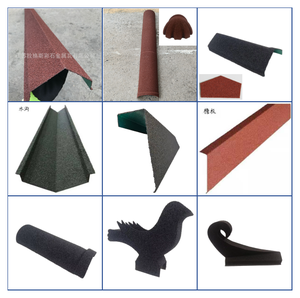
To ensure zero site downtime and preserve envelope weathertightness warranties, we provide complete, engineered accessory packages. These encompass matching 0.6mm Colorsteel-equivalent ridge cappings, drip flashings, eave gutter transitions, thermal-break structural fasteners with vulcanized EPDM washers, hygienic PVC coving for food-grade facilities, and specialized expanding foam insulation kits for field penetrations.
Connect directly with our structural engineering and export advisory desk. We deliver full container-load optimization, span load capacity calculations, customized thermal build-up recommendations, and competitive CIF container pricing delivered directly to your port of choice across New Zealand.
Our sales engineers respond to project questions during working hours (GST+4).