
Discover our OEM modular envelope portfolio, including thermal core sandwich panels, secondary structural decking, anti-microbial cold store partitions, and hermetic flashings tailored for cleanroom installations.
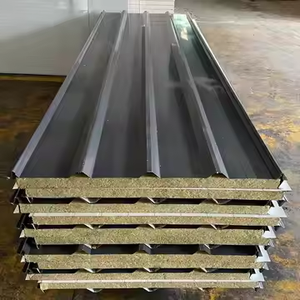
Engineered for cleanroom partition firewalls requiring Class A non-combustibility (BS 476 Part 4). Offers acoustic damping up to 34 dB and thermal isolation against tropical ambient humidity.
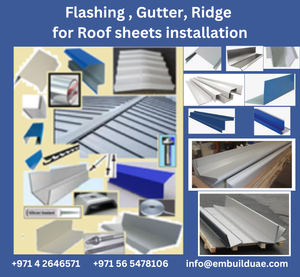
CNC roll-formed extruded sanitary flashing and perimeter sealing profiles. Eliminates 90-degree internal angles to prevent micro-particulate collection and facilitate continuous biocide wiping.
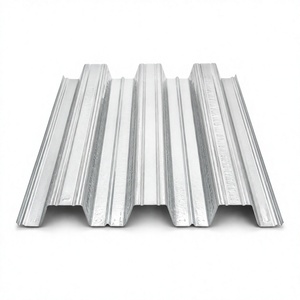
High-tensile zinc-galvanized composite deck panels designed for secondary equipment mezzanines, interstitial walk-on cleanroom ceilings, and HVAC air handling unit (AHU) mechanical plenums.
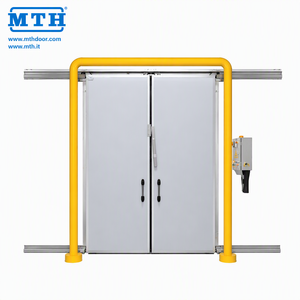
Surgical-grade AISI 304 stainless steel hermetic door systems equipped with air-purging magnetic perimeter seals. Configured for sterile pass-through corridors and pharmaceutical airlocks.
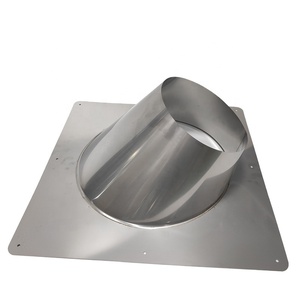
Resistant to corrosive acid exhaust in microelectronic chemical vapor deposition (CVD) suites. Ensures complete positive-pressure envelope integrity where scrubbed exhaust ducting breaches ceilings.
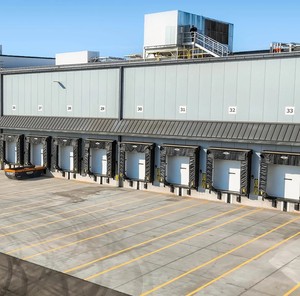
High-density Polyisocyanurate (PIR) core panels with zero ozone-depletion blowing agents. Delivers thermal conductivity of λ = 0.020 W/m·K for temperature-critical pharmaceutical stability chambers.
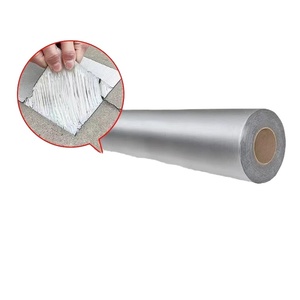
Non-outgassing, VOC-free elastomeric butyl barrier tape. Engineered to hermetically seal cleanroom panel interstitial tongue-and-groove joints, preventing moisture condensation in tropical Klang Valley installations.
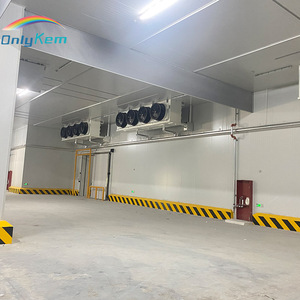
Certified sanitary modular cold room panels designed for continuous bioprocessing, vaccine storage, and active pharmaceutical ingredient (API) synthesis, compliant with WHO and PIC/S standards.
In high-precision manufacturing, an uncompromised architectural envelope is the first line of defense against sub-micron particulate contamination, uncontrolled electrostatic discharge (ESD), and gaseous chemical impurities. As a premier Custom OEM Cleanroom Wall Panels Manufacturer and Supplier in Kuala Lumpur, our engineering philosophy bridges the gap between strict microbiological containment (PIC/S GMP Annex 1) and nanoscale particle containment (ISO 14644-1 Classes 1 through 9).
Every modular cleanroom panel assembly is fabricated through an automated continuous double-belt laminating process. This guarantees micron-level structural flatness, eliminating micro-cavities where airborne particulates, biological spores, or cleaning reagent residues can accumulate. With Klang Valley serving as Southeast Asia's fastest-growing hub for advanced semiconductor OSAT (Outsourced Semiconductor Assembly and Test) and biopharmaceutical formulation, our local manufacturing lines solve the acute supply-chain latency traditionally associated with imported architectural envelopes.
Comprehensive performance metrics comparing core materials across fire integrity, outgassing levels, structural deflection, and thermal resistance under tropical ambient conditions (34°C dry bulb, 85% RH):
| Core Material Taxonomy | Density (kg/m³) | Thermal λ (W/m·K) | BOMBA Fire Classification | ESD Surface Resistivity | Primary Industrial Use Case |
|---|---|---|---|---|---|
| Hydrophobic Rockwool (Mineral Core) | 100 – 140 kg/m³ | 0.038 – 0.042 | Class 0 / 4-Hr Non-Combustible | 10⁶ – 10⁹ Ω (Static Dissipative) | Pharma sterile suites, hazardous solvent storage, escape corridors |
| PIR (Polyisocyanurate Foam) | 42 – 50 kg/m³ | 0.020 – 0.022 | B-s1, d0 (Flame Retardant) | 10⁵ – 10⁸ Ω (Conductive Coat) | Cold storage airlocks, biotech processing, low-humidity dry rooms |
| Aluminum Honeycomb (Hexagonal Foil) | 50 – 75 kg/m³ | 0.045 – 0.050 | Non-Combustible (BS 476 Part 4) | 10⁶ – 10⁹ Ω (Anti-Static) | Semiconductor photolithography, wafer probing, optical micro-assembly |
| HPL / Magnesium Oxysulfate (MOS) | 1,100 – 1,250 kg/m³ | 0.035 – 0.039 | Class 1 Surface Spread | Insulative / Dissipative Layer | Biocontainment BSL-3 / BSL-4 suites, animal vivariums, cytotoxic labs |
A critical engineering failure point in modular cleanroom design is joint micro-leakage induced by HVAC room pressure differentials (typically +15 to +45 Pa in aseptic zones, or -30 Pa in cytotoxic cytotoxic containment). Our cleanroom wall panel systems utilize an integrated aluminum spline extrusion with closed-cell EPDM or silicone-gasketed double-tongue profiles. This mechanical configuration achieves a certified leakage rate of less than 0.05 m³/(h·m²) at 50 Pa positive differential pressure, fully conforming to ISO 14644-4 Annex E containment standards.
For facilities utilizing aggressive Vaporized Hydrogen Peroxide (VHP), Chlorine Dioxide, or Isopropyl Alcohol (IPA) wipe-down sterilization cycles, panel surfaces are coated with polyvinylidene fluoride (PVDF) or high-build anti-static polyvinyl chloride (PVC) film. The chemical cross-linking of the facing steel prevents bubbling, discoloration, and polymer leaching, ensuring zero VOC outgassing during long-term operation.
From Shah Alam's biopharmaceutical production belts to Cyberjaya's data centers and the semiconductor testing hubs of Klang Valley, our OEM cleanroom panels fulfill targeted operational demands.
Fabrication of Class 100 (ISO 5) to Class 10,000 (ISO 7) bay-and-chase cleanroom architectures. Panels integrate antistatic electrostatically grounded metallic skins (10⁶ to 10⁹ Ω/sq) that rapidly bleed charge to prevent electrostatic discharge damage to delicate nanoscale sub-micron integrated circuits and lead frames.
Grade A laminar flow zones and Grade B background suites complying with revised PIC/S GMP Annex 1 guidelines. Demountable partitions feature continuous radius floor and ceiling cove transitions, fully flush vision panels with integrated molecular desiccant, and VHP-impervious fluoropolymer surfaces that resist fungal colonization in tropical climates.
Ultra-low dew point (-40°C to -60°C) enclosure engineering. Wall panels utilize continuous vapor-barrier backing and high-density polyisocyanurate (PIR) cores to withstand intense vapor pressure differentials without delamination or internal interstitial condensation, maximizing cell yield and safety during electrode coating.
ISO 7 and ISO 8 cleanroom enclosures for Class II and Class III sterile medical device assembly. Quick-turnaround modular wall assemblies accommodate rapid layout reconfiguration, utility pass-throughs, and seamless ceiling suspension interfaces for HEPA/ULPA fan filter units (FFU).
Structural thermal partitions for cold and hot aisle containment (CAC/HAC). Panels feature high structural rigidity against fan static pressure differentials, Class 0 fire retardancy compliant with Malaysian Uniform Building By-Laws (UBBL), and integrated cable-chase vertical raceways.
HACCP and JAKIM-compliant clean environments designed for automated high-care filling rooms. Features food-safe anti-microbial coatings, pressure-washable silicone hermetic joints, and anti-corrosion stainless steel sub-frames capable of withstanding daily enzymatic foam sanitization.
Malaysia's New Industrial Master Plan 2030 (NIMP 2030) has accelerated foreign direct investment into front-end and back-end wafer processing, advanced packaging, and global health-security vaccine plants across Greater Kuala Lumpur and the broader West Malaysia industrial corridor. This capital influx has fundamentally altered how cleanroom envelopes are specified, shifting standard practice away from field-built gypsum structures toward pre-engineered, factory-certified modular cleanroom panel systems.
Three distinct structural engineering imperatives now govern the procurement decisions of Kuala Lumpur's leading engineering, procurement, and construction management (EPCM) contractors:
High real estate and fit-out costs in Selangor and KL dictate rapid construction turnarounds. Our prefabricated tongue-and-groove systems cut on-site structural framing time by up to 55% compared to traditional masonry or drywall methods, entirely avoiding hot-work hazards and dust generation in operating semiconductor plants.
Kuala Lumpur's year-round equatorial humidity (averaging over 80% RH) induces steep vapor drive against cleanroom perimeters conditioned to 45% or 30% RH. Our continuous vapor-sealed steel skins and non-hygroscopic core formulations eliminate risk of interstitial mold blooms and panel delamination.
Malaysia's Fire and Rescue Department (Jabatan Bomba dan Penyelamat Malaysia) mandates stringent fire certification under the Uniform Building By-Laws (UBBL). Our rockwool and polyisocyanurate cleanroom wall panels possess local BOMBA Bahan Kawalan classification and BS 476 fire resistance approvals.
Operating high-speed continuous roll-forming lines, automated polyisocyanurate injection nozzles, and robotic stone wool slabbing plants, we supply mission-critical cleanroom builds across Southeast Asia.
Equipped with 48-meter heated double-belt presses ensuring uniform core polymerization, high peel-adhesion strength (> 0.15 MPa), and zero surface waviness across panel spans up to 12 meters.
Versatile coil selection: Hot-dipped galvanized steel (Z275), Galvalume (AZ150), 304/316L mirror or brushed stainless steel, and aluminum sheet pre-treated with PVDF or antibacterial polyester coatings.
OEM fabrication extends beyond basic wall partitions to encompass flush cleanroom doors, walk-on ceiling t-grids, double-glazed flush vision panels with silica dessicant, and integrated utility chases.
Full batch traceability from raw chemical polyol/MDI and mineral rock wool supply through finished goods. Every lot is inspected for dimensional squareness, facing tension, and thermal resistance before palletizing.
Answers to key engineering, regulatory, and logistics queries raised by EPC contractors, cleanroom specialists, and procurement leaders across Malaysia.
Whether you are designing a high-yield semiconductor packaging facility, an aseptic GMP fill-finish suite, or an advanced dry room enclosure, our application engineering team in Kuala Lumpur is ready to review your CAD layouts, thermal criteria, and BOMBA fire specifications.
Our sales engineers respond to project questions during working hours (GST+4).