
Manufactured on continuous multi-stage laminating and cold rollforming lines with millimeter tolerances, delivered to Pakistani Special Economic Zones and global infrastructure sites.
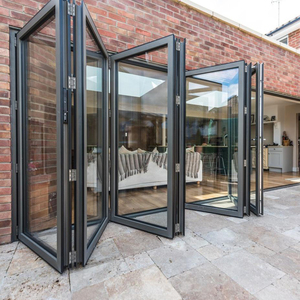
Double glazed Low-E energy-saving profile designed to seamlessly integrate into custom exterior architectural facade systems.
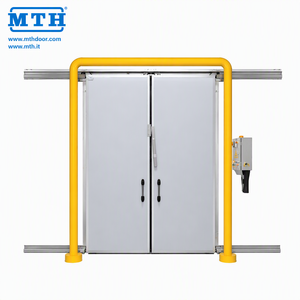
High-density PU insulated core with emergency release trackage, engineered for heavy food logistics cold rooms in Punjab and Sindh.
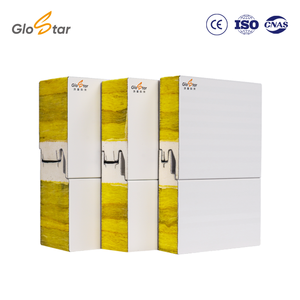
Non-combustible bonded mineral wool matrix offering Class-0 fire performance for textile, chemical, and pharmaceutical warehouse partitions.
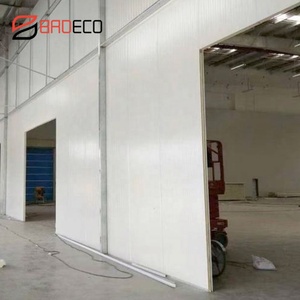
Concealed fastening tongue-and-groove joint profile designed for rapid installation of cleanrooms and controlled storage partitions.
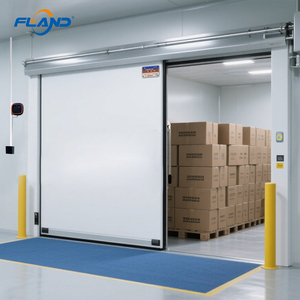
Industrial hermetic sealing system equipped with micro-processor automation and Copeland condensing unit compatibility.
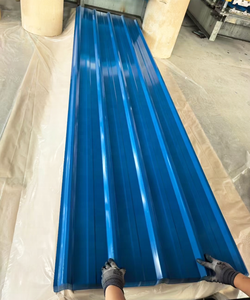
Z120-Z275 zinc coated substrate with anti-fading PVDF coating, offering corrosion barrier against high-salinity industrial atmospheres.
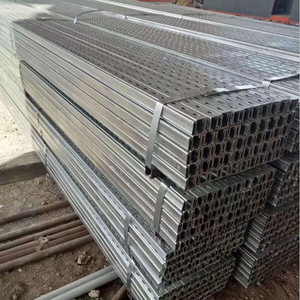
High tensile cold-rolled structural steel girts for metal wall panel substructures, mezzanines, and industrial solar rooftop installations.
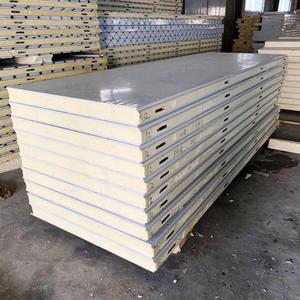
Rigid polyisocyanurate foam core with 0.022 W/m·K thermal conductivity engineered for quick field assembly and zero thermal bridging.
The industrial landscape across Pakistan is undergoing an unprecedented modernization. Driven by the expansion of the China-Pakistan Economic Corridor (CPEC), the establishment of high-density Special Economic Zones (SEZs) such as Dhabeji, Rashakai, and Allama Iqbal Industrial City (M-3 Faisalabad), industrial builders are turning away from conventional red-brick masonry and uninsulated single-skin sheets. Today’s modern manufacturing plants, pharmaceutical cleanrooms, export textile complexes, and fast-moving consumer goods (FMCG) distribution centers mandate high-performance building envelopes that control severe thermal gains, withstand aggressive ambient humidity, and slash structural dead loads.
As a seasoned custom OEM metal wall panels factory and international exporter, our manufacturing operation solves the multifaceted thermal and structural challenges of Pakistan’s varied climate zones. By utilizing computerized continuous laminating production lines, high-pressure pentane-blown polyurethane (PUR), fire-resistant polyisocyanurate (PIR), and high-density non-combustible rockwool matrices, we deliver prefabricated building envelope systems tailored to rigorous mechanical requirements. Our systems not only accelerate project erection cycles by up to 60% compared to wet construction but also provide documented lifecycle thermal savings essential in an era of escalating industrial electrical tariffs under NEPRA regulations.
The durability of custom exterior metal wall panels hinges entirely upon metallurgy, chemical bonding, and core insulation dynamics. In coastal atmospheres like Port Qasim and Gwadar, saline sea fog accelerates oxidation, whereas northern and central districts like Multan and Sahiwal experience intense solar radiation with ambient dry-bulb temperatures topping 50°C. To ensure multi-decade structural integrity, our OEM panel production integrates specialized raw coil chemistries and advanced core formulation:
We process Pre-Painted Galvanized Iron (PPGI, ASTM A653) with minimum zinc mass from Z120 up to Z275 g/m², alongside premium Galvalume (PPGL / Aluzinc, ASTM A792 AZ150, 55% Al, 43.4% Zn, 1.6% Si) providing exceptional corrosion resistance in severe marine-industrial atmospheres.
Coil finishing options include standard High-Durability Polyester (HDP), Silicone Modified Polyester (SMP), and 70/30 Kynar 500 Fluoropolymer (PVDF) rated for ASTM B117 salt spray exposure up to 1,500 hours, maintaining chromatic brilliance under acute ultraviolet irradiation.
Our PIR formulations achieve a high isocyanurate ring index (>250), producing closed-cell foam (>95%) with microcellular uniformity. In fire scenarios, this core forms an insulating surface char layer that inhibits flame propagation, self-extinguishes, and generates low smoke density.
| Panel Specification | Core Chemistry | Nominal Density | Thermal Cond. (λ) | Fire Classification | Primary Industrial Use Case |
|---|---|---|---|---|---|
| OEM PIR Wall Cladding | Polyisocyanurate (HCFC/CFC Free) | 40 - 42 kg/m³ | 0.020 - 0.022 W/m·K | B-s1, d0 / ASTM E84 Class A | Climate-Controlled Manufacturing, CPEC Warehousing |
| OEM PUR Partition Panel | Polyurethane High-Density Foam | 38 - 40 kg/m³ | 0.024 - 0.026 W/m·K | B2 / B3 (DIN 4102-1) | Cost-effective internal partitions, general warehousing |
| Rockwool Structural Panel | Basalt Rock Fiber Slits (Perpendicular) | 100 - 140 kg/m³ | 0.038 - 0.042 W/m·K | Euroclass A1 Non-combustible | Fire separation walls, boiler houses, power generation |
| Cold Storage Cam-Lock | High-Density PIR / PUR Injected | 42 - 45 kg/m³ | 0.020 W/m·K | Self-extinguishing (FM equivalent) | Refrigerated food distribution, meat/dairy chilling |
| Single Skin Profile PPGI | Cold Formed Profile Steel (0.4-0.8mm) | 7,850 kg/m³ (Steel) | N/A (Skin Barrier) | Class A Non-combustible | Uninsulated canopies, machinery sheds, wall re-sheeting |
Procuring metal wall panels within Pakistan requires detailed consideration of microclimatic extremes and localized seismic stresses. A specification tailored for the arid plains of Southern Punjab will fail prematurely if deployed along the corrosive coastal belts of Sindh or Balochistan without proper metallurgical adjustments. Our engineering division customizes panel envelope systems across four key operational territories:
Corrosion Mitigation (ISO 12944 C4/C5): Marine chloride aerosols combined with relative humidity hovering near 85% create severe electrolytic corrosion. We supply PPGL (AZ150) or double-sided 25μm PVDF finished wall panels paired with EPDM stainless steel self-drilling fasteners, eliminating galvanic pitting across chemical packaging and logistics facilities.
Thermal Barrier Performance: With daytime surface metal temperatures surpassing 70°C in high summer, heat transmission spikes peak HVAC loads. Our 75mm to 100mm PIR panels provide low U-values (down to 0.21 W/m²·K), cutting cooling operational costs by up to 35% in large spinning mills and high-speed garment manufacturing sheds.
Seismic & Wind Loading Resilience: Situated in Seismic Zones 2B through 3 under the Pakistan Building Code (PBC-07), structures in these northern corridors demand high strength-to-weight ratios. The structural sandwich action of our tongue-and-groove composite panels absorbs lateral shear forces, protecting against building envelope detachment during seismic events.
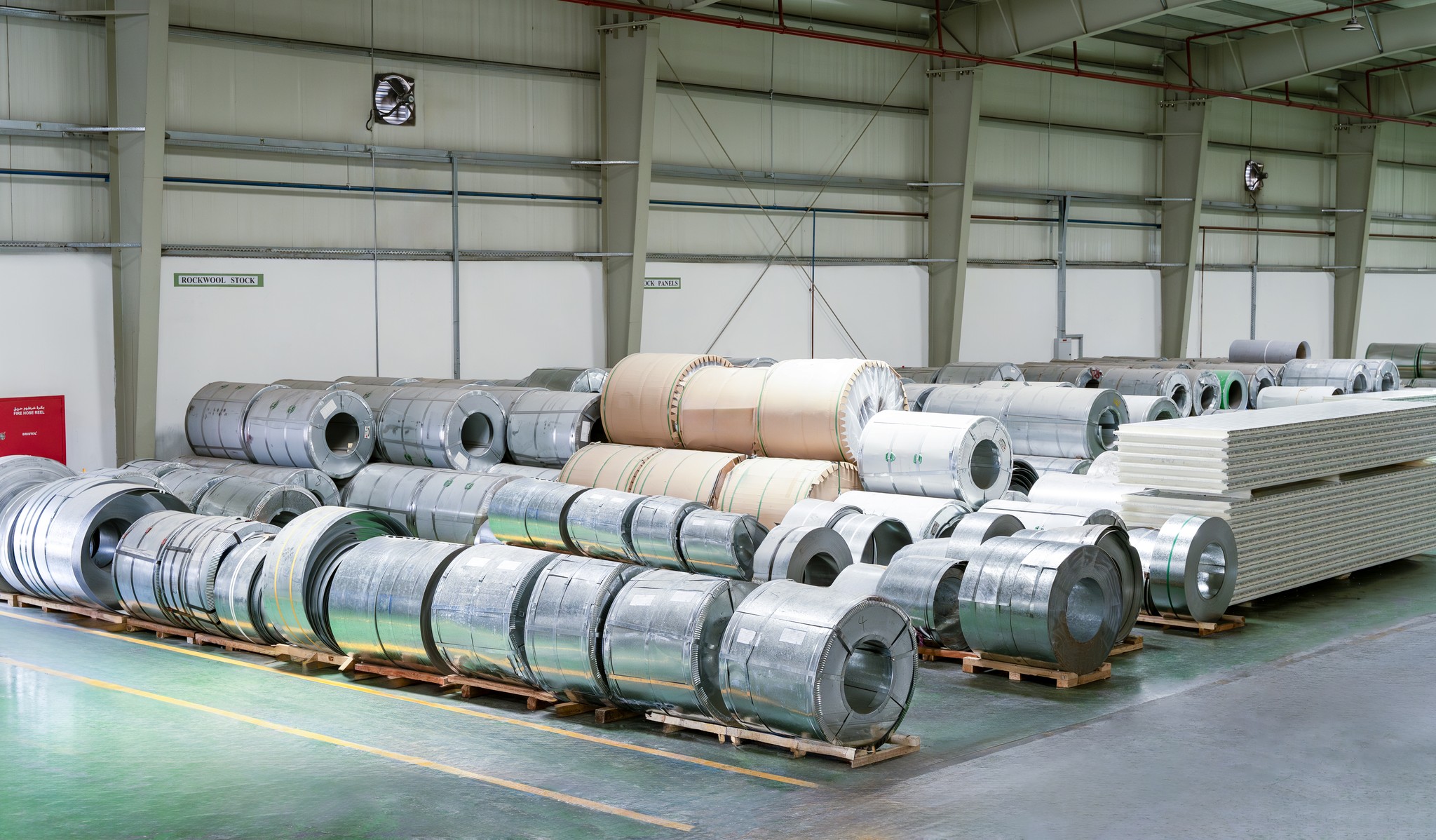
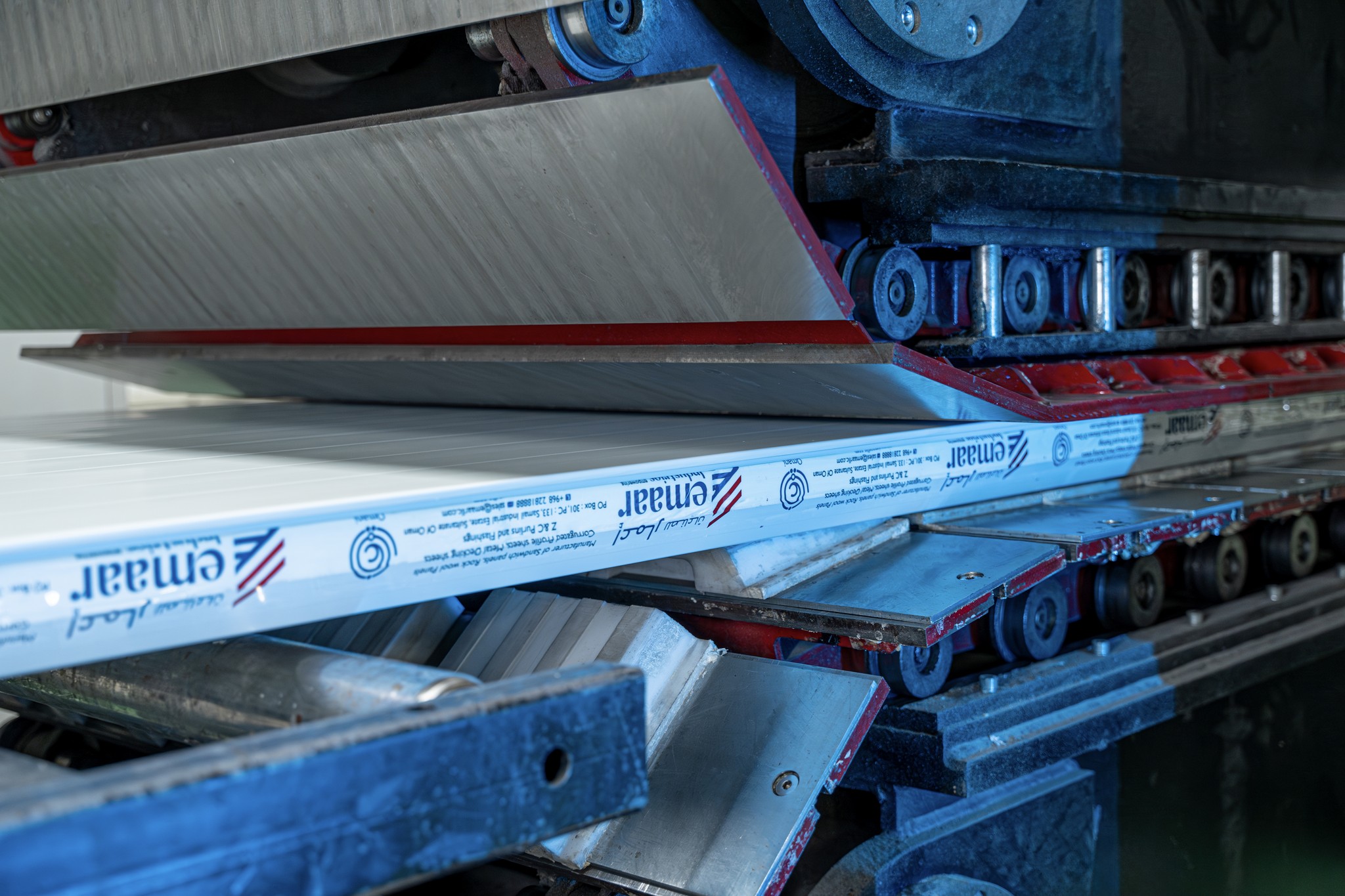
Precision rollforming guarantees that every tongue-and-groove joinery interlocks tightly, preventing thermal bypassing and moisture ingress. Backed by 550+ global project references, our manufacturing facility operates continuous automated foaming lines featuring multi-piston high-pressure metering units, ensuring uniform polyurethane density distribution with zero unbonded voids.
Four major macroeconomic and regulatory drivers are accelerating the transition from brick and mortar to OEM metal wall panels nationwide:
The National Energy Efficiency and Conservation Authority (NEECA) is tightening commercial and industrial building thermal criteria. Facility planners are adopting high R-value composite insulated wall panels to comply with baseline envelope conductivity requirements and reduce carbon footprint metrics for international ESG compliance.
Pakistan is modernizing its agricultural cold chain to curb post-harvest losses in citrus, mango, and potato production across Sargodha, Multan, and Okara. Modern export standards necessitate 150mm–200mm high-density food-grade PIR/PUR insulated cold storage panels with hygienic anti-microbial paint finishes.
Following high-profile industrial fire incidents, provincial building authorities and industrial park managements are mandating certified non-combustible materials. Factory designs increasingly specify mineral rockwool core wall panels tested to BS 476 and ASTM E119 for sensitive boiler rooms, transformer partitions, and boundary separations.
As a single-source manufacturer, we deliver completely integrated building systems. In addition to insulated wall panels, our facilities produce complementary structural and finishing components, eliminating on-site interface mismatches and reducing delivery overhead:
Essential technical clarifications regarding customs duties, standards compliance, local installation, and structural load design.
Insulated sandwich panels fall under Pakistan Customs Tariff (PCT) Code 7308.9010 / 7308.9090 (Structures and parts of structures of iron or steel). For projects inside notified Special Economic Zones (SEZs) or Export Processing Zones (EPZs) like Dhabeji or Port Qasim, contractors may utilize duty-free concessions and sales tax exemptions under Fifth Schedule / relevant SRO notifications. Our trade documentation team prepares tailored commercial invoices, packing lists, Mill Test Certificates (MTC), and Bills of Lading (C&F Karachi / Gwadar) to ensure seamless customs clearance through the WeBOC digital system.
Our panels are designed to satisfy the ultimate limit state requirements of BCP-SP-07, which prescribes regional basic wind velocities ranging from 120 km/h (interior plains) up to 160+ km/h in coastal areas. Panel spans, skin thicknesses (0.5mm / 0.6mm), and screw fastening frequency are calculated against local suction and pressure coefficients, preventing panel blowout or unzipping along eaves and perimeter corners.
For high-salinity marine corridors like Port Qasim, Korangi Creek, and Gwadar, we specify PPGL (Galvalume AZ150) or PPGI hot-dipped zinc (minimum Z275 g/m²) paired with a 25-micron Polyvinylidene Fluoride (PVDF) topcoat to resist maritime chloride pitting. For inland Punjab environments (Sundar Lahore, Multan), where solar irradiance and thermal cycling dominate, high-durability Super Polyester (HDP) or Silicone Modified Polyester (SMP) provides excellent color retention and chalking resistance at an optimized investment cost.
While standard Polyurethane (PUR) delivers good thermal resistance, Polyisocyanurate (PIR) incorporates an excess of isocyanate molecules that form strong isocyanurate ring structures. This raises the thermal degradation temperature above 300°C. In the event of fire, PIR creates a protective carbonaceous char rather than melting into flaming droplets. Given the strict fire audits enforced by civil defense agencies and international buyers (such as Nike, Inditex, and Walmart auditing local textile factories), PIR delivers the necessary fire safety ratings.
For chillers (+2°C to +8°C), an 80mm to 100mm high-density PIR/PUR core is recommended. For commercial freezers (-18°C to -25°C) facing summer ambient temperatures of 45°C in Punjab and Sindh, we supply 150mm thick panels with dual tongue-and-groove joint seals. For ultra-low blast freezing (-35°C to -40°C), our 200mm panels with internal cam-lock tighteners prevent thermal bridging and sweating along joints.
Yes. Because panels are manufactured on a continuous foaming line, we produce custom continuous lengths up to 13.5 meters (the physical limit for standard 40ft High-Cube shipping containers or 45ft flatbed logistics trailers). Producing panels to clear eave heights eliminates horizontal overlapping joints, improving thermal integrity, weather-tightness, and clean architectural sightlines.
For a standard 50mm exterior wall panel under normal wind loads (0.75 kN/m²), structural steel girt spacing (C/Z purlins) can safely span up to 2.5 meters in single or multi-span configurations. Increasing core thickness to 80mm or 100mm allows support girt spacing up to 3.5 to 4.0 meters, reducing the structural steel weight required for the secondary framework.
We work with international banking instruments including Irrevocable Letters of Credit at Sight (L/C at Sight) issued by reputable Pakistani scheduled banks, as well as telegraphic transfer (T/T) terms. Average factory production lead time for orders up to 10,000 m² is typically 12 to 18 days. Transit times to Karachi Port or Port Qasim range from 5 to 10 days depending on the maritime shipping route, ensuring predictable project construction timelines.
Speak directly with our technical facade engineers. We provide comprehensive load-span calculations, thermal U-value modeling, project-specific CAD installation details, and competitive C&F Karachi pricing for your upcoming industrial project.
Our sales engineers respond to project questions during working hours (GST+4).