
Engineered to eliminate temporary propping, accelerate multi-tier concrete pouring, and provide optimal tensile reinforcement across high-volume commercial and industrial builds throughout Ethiopia.
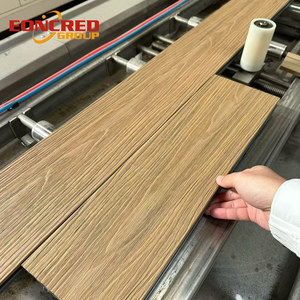
Engineered for high UV tolerance and cyclic wet-dry weather in elevated altitudes like Addis Ababa, preventing warping and rot.
Explore Engineering Specs →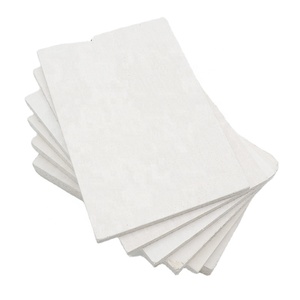
Non-combustible structural composite panel offering A1 fire-class rating for industrial enclosures and clean pharmaceutical facilities.
Explore Engineering Specs →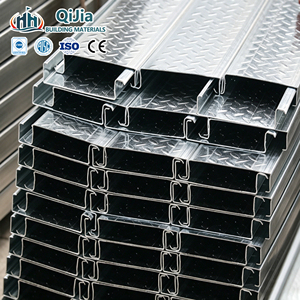
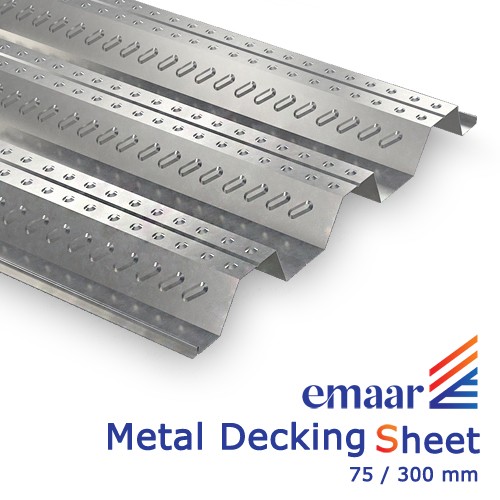
Permanent structural floor deck profile eliminating traditional timber shuttering, built for seamless stud welding and rapid installation.
Explore Engineering Specs →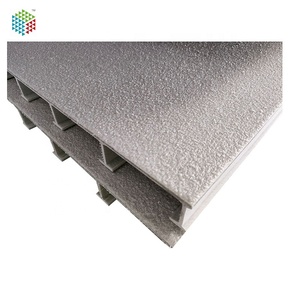
Fiber-reinforced structural polymer boards engineered for chemical exposure areas, water treatment plants, and rift-valley brine zones.
Explore Engineering Specs →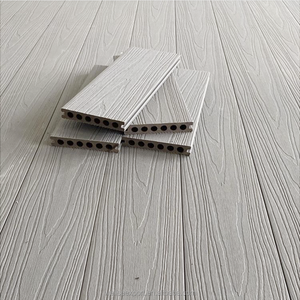
Interlocking heavy-load composite system engineered for hospitality projects, high-traffic commercial decks, and eco-lodges.
Explore Engineering Specs →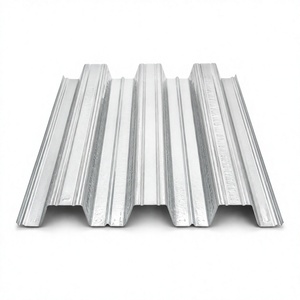
Trapezoidal deep-rib design delivering maximum diaphragm shear capacity for wide-bay industrial warehouses and agro-storage facilities.
Explore Engineering Specs →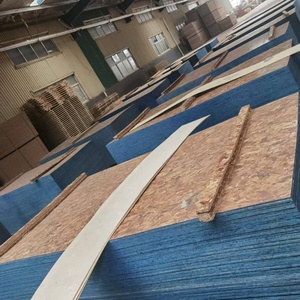
Engineered strand matrix with waterproof synthetic resins designed for modular timber/light-gauge steel structures and flat roofing substructures.
Explore Engineering Specs →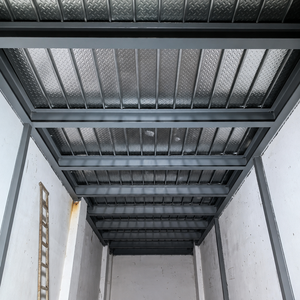
High-yield cold-rolled galvanized profile optimized for fast-track high-rise multi-story developments across Addis Ababa financial districts.
Explore Engineering Specs →A rigorous technical breakdown of composite floor action, seismic design along the Main Ethiopian Rift, foundation weight minimization on Addis Ababa’s expansive clay soils, and supply chain logistics via Djibouti.
Ethiopia is bisected by the Great East African Rift System, categorizing regions like Hawassa, Adama (Nazret), Dire Dawa, and portions of the Afar depression into elevated Seismic Zones 3 and 4 under ES EN 1998:2015 (Ethiopian Standard Eurocode 8). Conventional cast-in-place concrete slabs cast on timber formwork frequently introduce irregular slab thickness and micro-cracking due to erratic curing conditions.
Our galvanized corrugated composite steel decking panels act as rigid horizontal diaphragms. Through engineered embossed web ribbing and cold-formed shear embossments, the profile locks into cast concrete, transferring cyclic horizontal seismic lateral shear loads directly into moment-resisting steel or concrete frames without localized brittle failures.
Addis Ababa, Bole Lemi, and Kilinto industrial development zones are characterized by pervasive high-plasticity montmorillonite clay ("Black Cotton Soil"). These expansive subgrades exert severe swelling pressures up to 350 kPa during rainy periods (Kiremt season) and undergo drastic shrinkage settlement during dry spells.
Traditional 200–250 mm thick solid reinforced concrete slabs contribute overwhelming deadweight, exacerbating differential foundation heave. By deploying composite structural steel decking with ribs ranging from 51 mm to 76 mm depth, engineers reduce overall slab concrete volume by up to 32%, achieving equivalent composite bending moments with a slab thickness of merely 110–130 mm.
In high-density commercial corridors like Addis Ababa's Kazanchis, Mexico Square, and the Financial District around the National Bank of Ethiopia, construction footprints are heavily restricted. Traditional slab construction requires multi-tier timber scaffolding and shoring props that choke ground-floor operations for 28 days.
Our cold-rolled galvanized structural decking panels provide unpropped span capacities up to 3.6 meters under wet concrete loading. Panels interlock via side-lap crimping or self-drilling stitch screws, immediately serving as a safe, 100% stable working platform for rebar placers, electricians, and MEP contractors across consecutive levels concurrently.
Standardized physical dimensions, section properties, and load parameters engineered to assist Ethiopian structural consulting offices (ACE Consulting, MH Engineering, Saba Engineering, and regional municipal bureaus) during slab specification.
| Profile Specification | Base Metal Thickness (BMT) | Yield Strength (fy) | Zinc Coating Standard | Composite Moment Cap. | Max Unpropped Clear Span | Target Sector in Ethiopia |
|---|---|---|---|---|---|---|
| Type ED-51 Composite | 0.80 mm – 1.20 mm | 350 MPa (S350GD) | Z275 (ASTM A653M) | 11.45 kNm/m | 2.80 m (Single) / 3.40 m (Cont.) | High-rise commercial slabs, Addis Ababa CBD |
| Type ED-75 Deep Rib | 0.90 mm – 1.50 mm | 350 – 550 MPa | Z275 / Galfan ZA255 | 18.90 kNm/m | 3.60 m (Single) / 4.20 m (Cont.) | Heavy agro-processing, Hawassa & Modjo Warehousing |
| Type ED-Roof Structural | 0.70 mm – 1.00 mm | 320 – 350 MPa | Alu-Zinc AZ150 | 8.20 kNm/m | 4.50 m (Purlin spacing) | Wide-span cantilever hangars, Bole International Airport |
| FRP Structural Plank | 38 mm – 50 mm Depth | 240 MPa (Tensile) | Isophthalic Vinyl Ester | Chemical Proof | 1.80 m (Walkway) | Tannery processing facilities, Rift Valley Geothermal |
| Fire-Safe Mgo Core Deck | 75 mm – 150 mm Thick | Structural Sandwich | Prepainted Steel Skin | EI 120 (Fire Integrity) | 3.00 m | Kilinto Industrial Park Pharmaceutical Units |
Analyzing key structural transformations under the Ethiopian Industrial Parks Development Corporation (IPDC), foreign direct investment in manufacturing, and public infrastructure modernization.
The development of designated special economic zones—including Hawassa Eco-Industrial Park, Bole Lemi I & II, Kilinto Pharma Park, Adama Industrial Park, and Kombolcha—demanded rapid turnaround times that obsolete timber-cast construction cannot meet. Structural decking panels allow general contractors to complete mezzanine floors, admin offices, and storage levels in days rather than months, matching rigorous FDI occupancy deadlines.
Ethiopian building standards have historically suffered from inconsistent local reinforcement bar tensile yields and uncertified re-rolled profiles. By importing certified Z275 galvanized structural coils roll-formed to precise millimeter tolerances, contractors eliminate quality disputes during supervising consultant handovers and secure strict compliance with Ethiopian Ministry of Urban Development & Construction directives.
The standard-gauge railway linking the Port of Doraleh (Djibouti) directly to the Modjo Dry Port and Indode Freight Terminal in central Ethiopia has drastically simplified sea-to-rail containerized shipments of cold-rolled steel coils and bundle-packed decking sheets. Factory-bundled decking panels are container-optimized to maximize freight tonnage without deformation during transit.
Drawing on an established international footprint of over 550 completed commercial landmarks, our continuous manufacturing lines combine high-yield engineering with exhaustive lab testing.
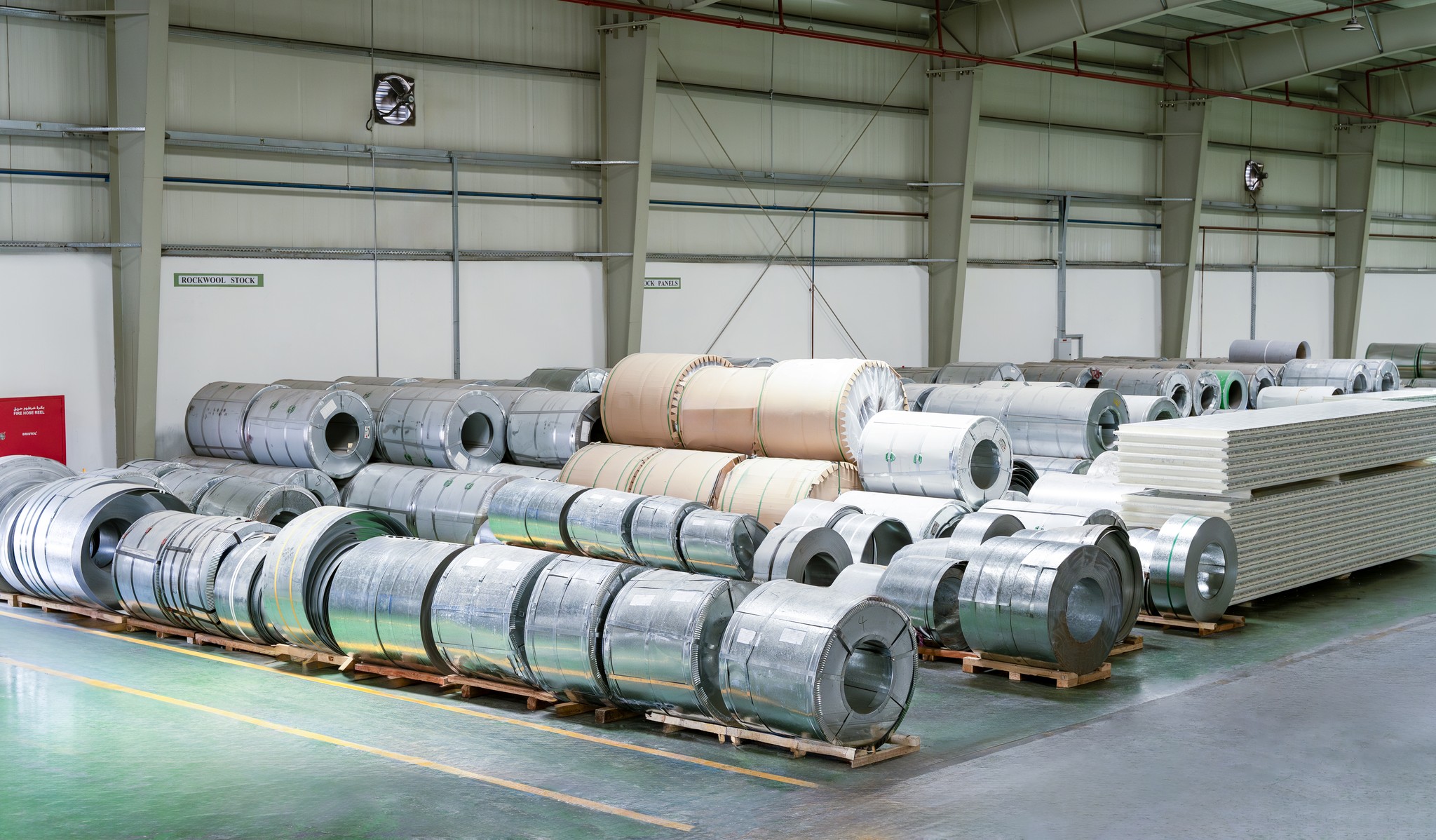
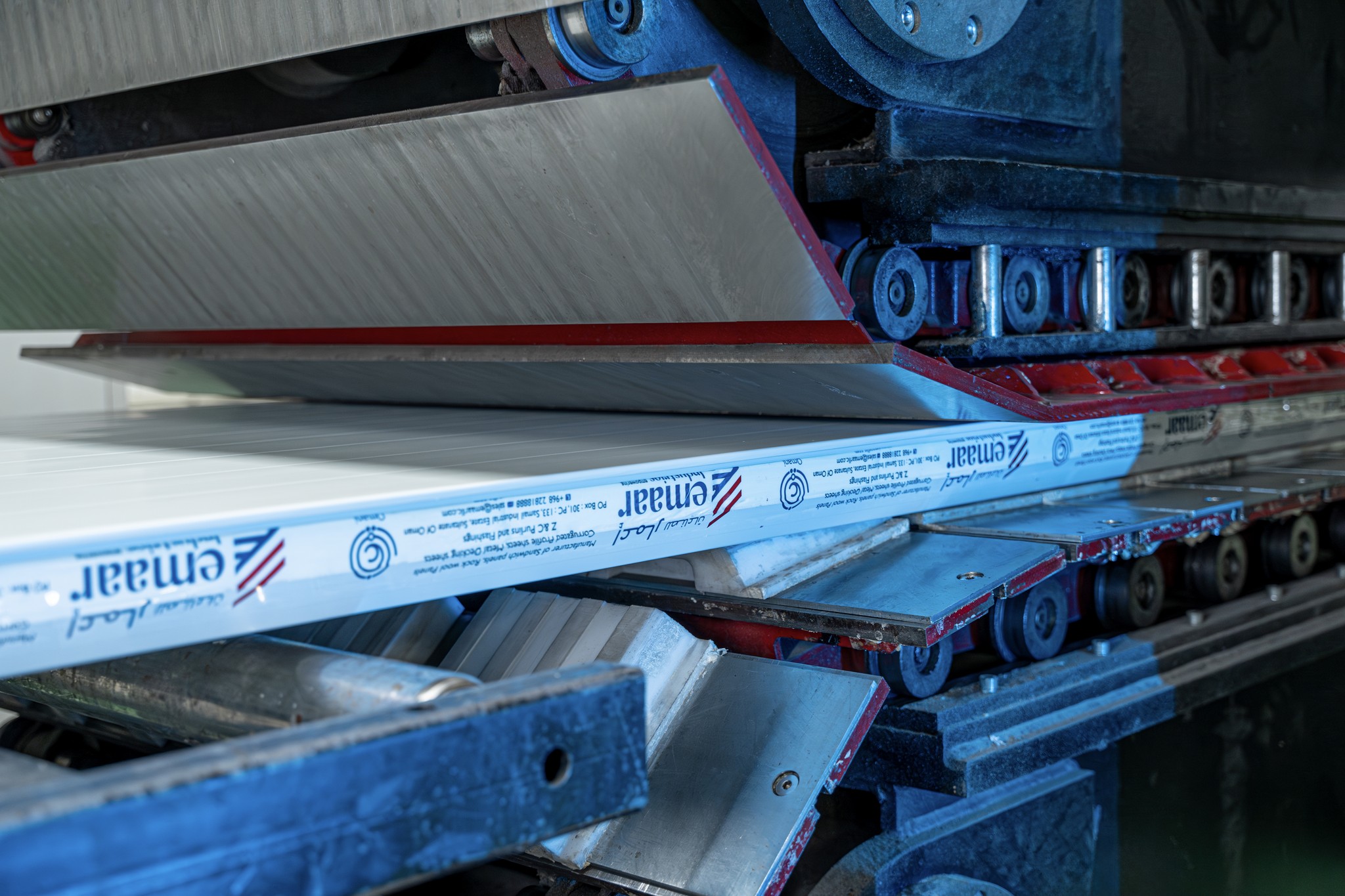
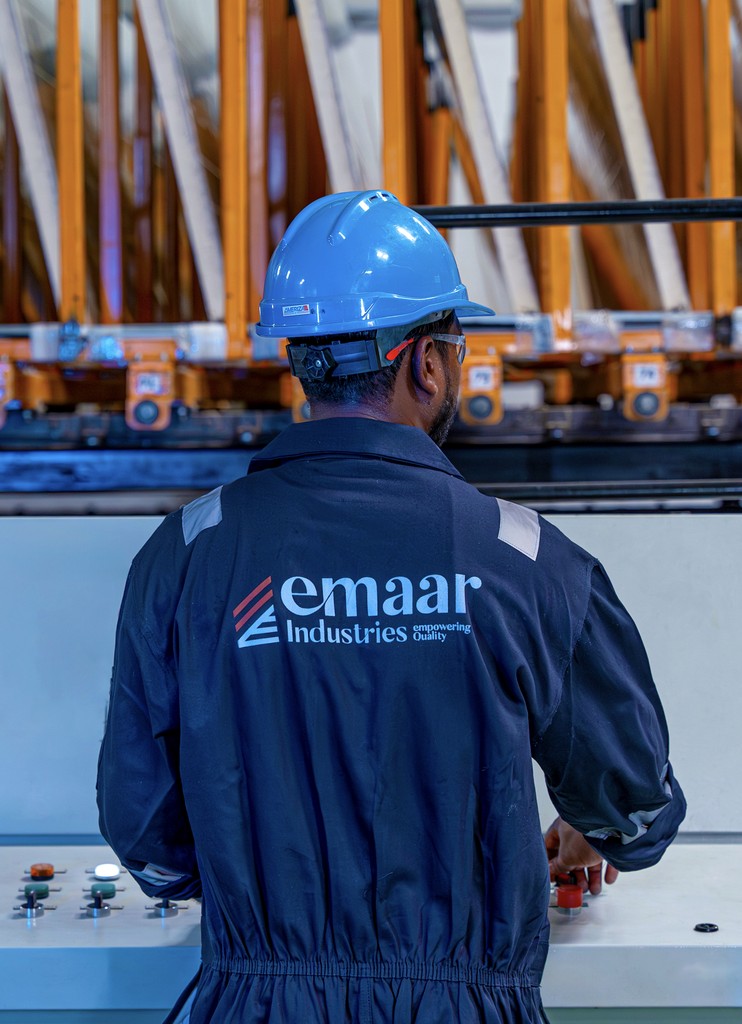
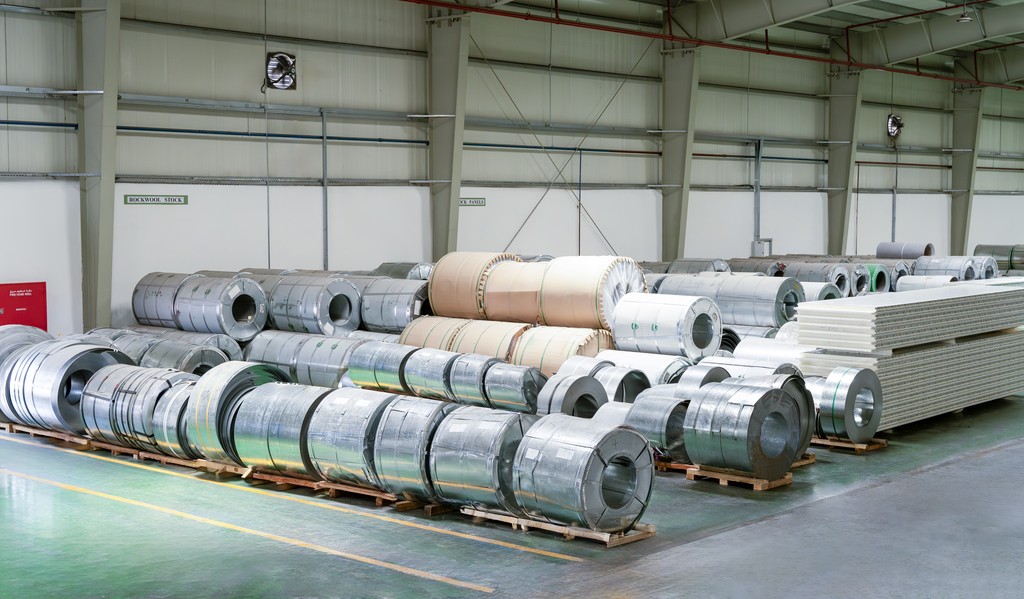
Every batch utilizes hot-dip galvanized structural steel sourced exclusively with EN 10204 Type 3.1 chemical and physical test certificates.
High-speed twin-roll forming stations prevent bottlenecks, ensuring rapid turnaround for fast-track projects in East Africa.
Custom stud welding accessories, edge form closures, and flashing trims supplied in unified consignments to eliminate job site shortages.
Full engineering submittals including composite slab section property calculations, safe load span tables, and ASTM/EN test declarations.
A structured execution blueprint addressing the practicalities of sea freight, Port of Djibouti clearance, Ethio-Djibouti Railway haulage, and Modjo Dry Port bonded release.
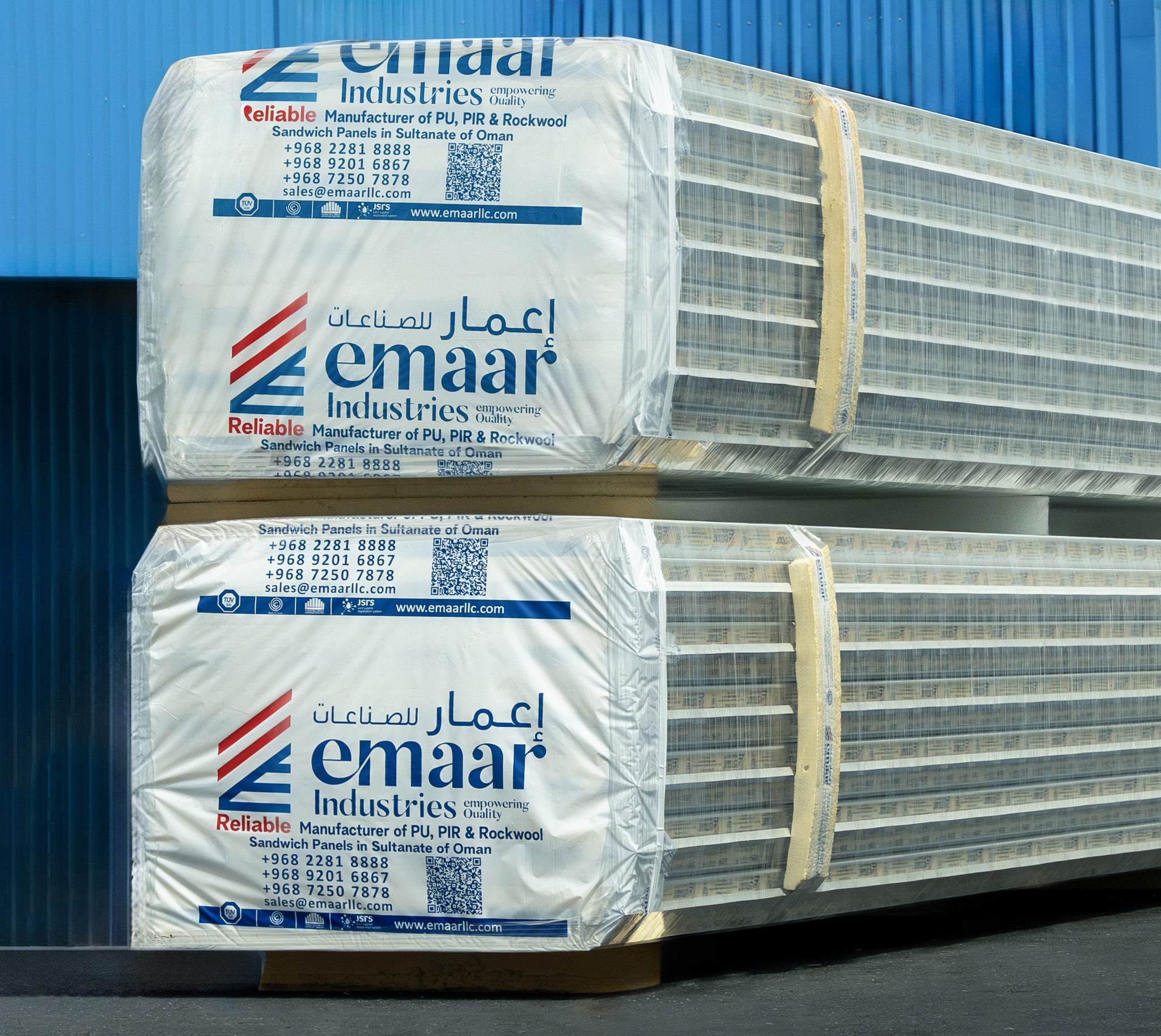
Panels are roll-formed to structural engineer schedule lengths (up to 11.85m to fit standard 40ft High Cube sea containers or break-bulk vessels). Nested sheets are interlocked, secured with steel strapping over wooden dunnage, and sealed in UV-resistant waterproof polyethylene wrapping to prevent white rust during ocean transit.
Direct liner services transport containers through the Bab-el-Mandeb strait to Doraleh Container Terminal (DCT). Complete shipping documentation—including Bill of Lading, Commercial Invoice stamped by Chambers of Commerce, Packing Lists, and Mill Test Certificates—is transmitted in advance for preliminary customs filing.
Under the Ethiopian Customs Commission multimodal transport framework, containers are loaded directly onto the standard-gauge railway. This transit reaches the Modjo Dry Port or Indode Freight Terminal within 24 to 48 hours of rail departure, avoiding road transport delays along the congested corridor.
Clearance is completed at Modjo Dry Port via authorized customs clearing agents. Flatbed low-bed trailers deliver bundles directly to construction sites in Addis Ababa, Hawassa, Adama, or Bahir Dar. Bundles are marked with crane hoisting tags for immediate lift-to-floor distribution.
Authoritative technical, commercial, and regulatory guidance for project managers, structural engineers, and procurement directors operating under Ethiopian market conditions.
Send your structural drawings, joist spans, and slab load criteria to our technical engineering division. Receive full structural calculation reports, deck layout nesting schedules, and competitive CIF Djibouti or DDP Modjo price schedules.
Our sales engineers respond to project questions during working hours (GST+4).