
Engineered for hyper-insulated commercial warehouses, cryogenic pharmaceuticals, and extreme ambient logistics facilities across the Middle East, GCC, Europe, and Africa.
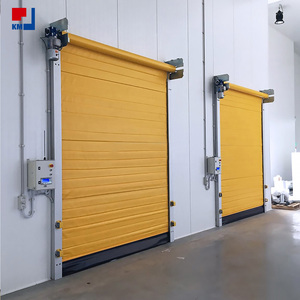
Industrial automatic hinged access door clad in SUS304 stainless steel. Features broken-bridge thermal insulation, integrated sill heating cables, and internal safety release latches for warehouses and supermarkets.
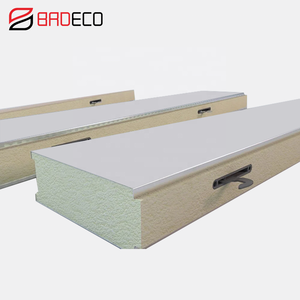
Precision tongue-and-groove insulated panels with high-density eccentric camlocks. Tailored for certified medical vaccine cold chains, cleanrooms, and bio-refrigeration storage requiring zero thermal bridging.
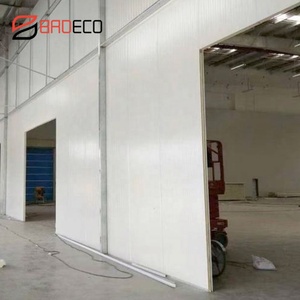
Single-slot joint insulated wall partitioning panels designed for massive internal warehouse division. Provides continuous thermal resistance and modular scalability up to 200 mm core thickness.
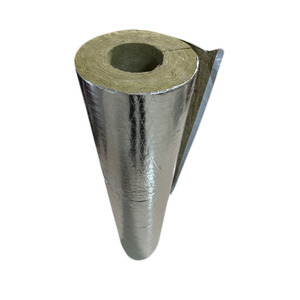
High-density hydrophobic basalt rock wool core slabs (DN 50-1200) engineered for non-combustible industrial fire-rated compartment walls, plant mechanical rooms, and acoustic acoustic containment shells.
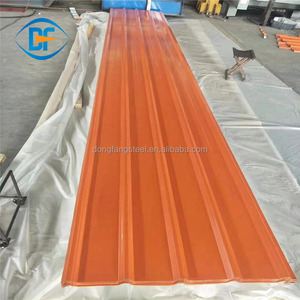
Z60 to Z275 heavy zinc-galvanized coil substrates with SMP coatings. Ideal for exterior envelope cladding protecting sub-zero facilities against harsh solar radiation and coastal salinity decay.
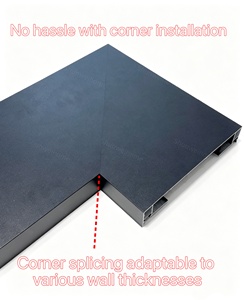
Heavy-gauge aluminum capping and extruded Z-flashing systems engineered to eliminate moisture infiltration at door reveal jambs, wall transitions, and cold storage threshold intersections.
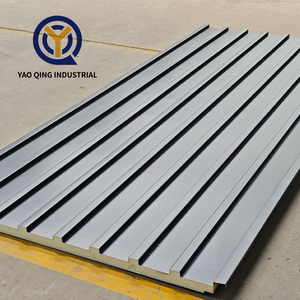
Architectural heat-reflective powder-coated alloy panels designed for external secondary roof barriers, delivering superior radiant deflection over logistics hubs and architectural utility facilities.
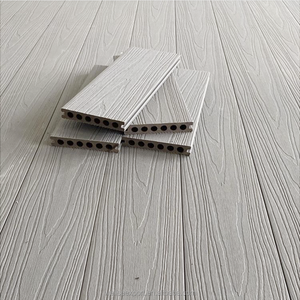
High-density structural composite lumber engineered for heavy industrial dock ramps, loading bay walkways, and anti-rot perimeter thresholds subject to intensive thermal cycles and forklift wash-downs.
In thermal engineering, cold storage doors represent the most vulnerable interface within any refrigeration boundary. An inadequate door system accounts for up to 45% of total latent heat infiltration and evaporator frost accumulation.
Standard metallic subframes transfer caloric energy across boundaries, resulting in massive external condensation and structural rim freezing. Our CE certified doors integrate extruded polyamide thermal break profiles combined with dual-fin EPDM santoprene perimeter gaskets, isolating internal negative temperatures (-40°C) from ambient summer conditions (+50°C).
In sub-zero freezer installations (-18°C to -35°C), ice accretion on door leaves compromises airtightness and destroys perimeter seals within cycles. We embed self-regulating heating cables (30W/m to 50W/m) within the aluminum broken-bridge frame and threshold sill, dynamically modulated to eliminate freezing without over-radiating parasitic heat.
Under European CE directives (Machinery Directive 2006/42/EC and Construction Products Regulation No 305/2011), industrial doors must prevent uncontrolled downward descent, eliminate pinch hazards, and incorporate photocell light grids and pneumatic anti-crush safety edges that instantly reverse motion when obstacles are encountered.
A rigorous quantitative benchmark comparing thermal performance, door leaf kinetics, and CE certification metrics across industrial cold storage door typologies.
| Door Typology | Operating Temp Range | Core Thickness & Material | U-Value (W/m²·K) | Airtightness (EN 12426) | Defrost Cable Wattage | Primary Industrial Use Case |
|---|---|---|---|---|---|---|
| Heavy Automatic Sliding Door | 0°C to -35°C | 120 mm – 160 mm High-Pressure PIR | 0.18 – 0.24 | Class 4 Certified | 40 W/m Dual-Loop Core & Sill | Forklift Logistics & Distribution Hubs |
| Hermetic Manual Hinged Door | +15°C to -25°C | 80 mm – 100 mm High-Density PUR | 0.28 – 0.32 | Class 3 Certified | 30 W/m Frame Embedded | Supermarkets, Kitchens & Walk-ins |
| High-Speed Spiral Insulated Door | +5°C to -28°C | 50 mm – 80 mm Rigid PU Slats | 0.45 – 0.60 | Class 3 Certified | Dynamic Column Air Heaters | High-Traffic Conveyor & AGV Corridors |
| Controlled Atmosphere (CA) Gas-Tight | -2°C to +10°C | 100 mm Fire-Retardant PIR | 0.22 – 0.26 | Class 6 Absolute Hermetic | Optional Ambient Frame | Fruit Ripening & Pharma Cleanrooms |
| Vertical Bi-Parting Insulated Door | 0°C to -40°C | 150 mm Structural Polyurethane | 0.16 – 0.20 | Class 4 Certified | 50 W/m Triple-Zone Protected | Blast Freezers & Deep-Sea Marine Plants |
Procuring a cold room door on initial purchase price alone leads to compounding energy expenditure. Energy loss through door openings follows the thermodynamic sensible and latent enthalpy equation:
q = Q_air × ρ × (h_ambient - h_internal) × θ_open
Where q is caloric infiltration, Q_air is volumetric flow, ρ is air density, and θ_open is cycle duration. Utilizing our high-speed CE automatic doors reduces θ_open by up to 72%, reclaiming capital expenditure through refrigeration compressor load reductions within 14 months of commissioning.
Unlike conventional perimeter hardware that scrubs gaskets against the floor, our proprietary CE certified sliding systems utilize 3D drop-down cam tracks. Upon reaching the fully closed position, the door leaf shifts downward and inward simultaneously at a 45-degree vector.
This compresses the multi-chamber hollow EPDM bulb gasket uniformly against both the floor and frame jamb without shear friction, multiplying gasket service life from 25,000 cycles to over 250,000 industrial opening events.
An in-depth whitepaper analysis detailing systemic technological evolutions shaping B2B industrial refrigeration door specifications over the coming decade.
Next-generation CE doors are transitioning from passive mechanical panels into active cyber-physical network nodes. Integrated sensors measure cycle frequency, motor amperage draw, and perimeter thermal leakage via infrared thermopiles. Facility management platforms receive instantaneous alerts when seal degradation occurs, preempting catastrophic coil icing.
Procurement specifications are mandating variable-frequency drive (VFD) brushless DC servo motors capable of opening velocities exceeding 2.0 m/s with soft acceleration and decelerating dampening. Faster door cycling fundamentally curbs convection air transfer in high-throughput distribution centers operating Automated Guided Vehicles (AGVs).
Global environmental protocols (such as the Kigali Amendment to the Montreal Protocol) are driving factories away from HFC-based blowing agents. State-of-the-art cold storage door foaming lines utilize fourth-generation Hydrofluoroolefin (HFO) blowing agents, achieving a Global Warming Potential (GWP) < 1 while optimizing core insulation closed-cell ratios to > 96%.
Pharmaceutical bio-storage and international export meat packing plants enforce rigorous clean-in-place (CIP) sanitation protocols. Conventional steel finishes blister and pit under aggressive chlorine dioxide and quaternary ammonium fumigation. Future procurement favors seamless laser-welded SUS316L stainless steel skins with anti-fingerprint, hydrophobic, and antimicrobial fluoropolymer powder coatings conforming to ISO 22196.
Jobsite construction costs and skilled refrigeration labor shortages in remote logistics corridors are accelerating the demand for factory pre-assembled cold storage door cassettes. Instead of loose site mounting of tracks, limit switches, and heaters, suppliers now deliver factory-tested mono-block assemblies with integrated structural columns, reducing jobsite installation time from 3 days to under 4 hours.
Operating from our modern continuous manufacturing plants in Al Khuwair, Muscat, we produce industrial refrigeration doors and sandwich panels engineered to survive the world's most unforgiving climatic environments. Where standard European imports fail under Middle Eastern summer ambient heat of +50°C and 90% coastal relative humidity, our structural envelope systems excel.
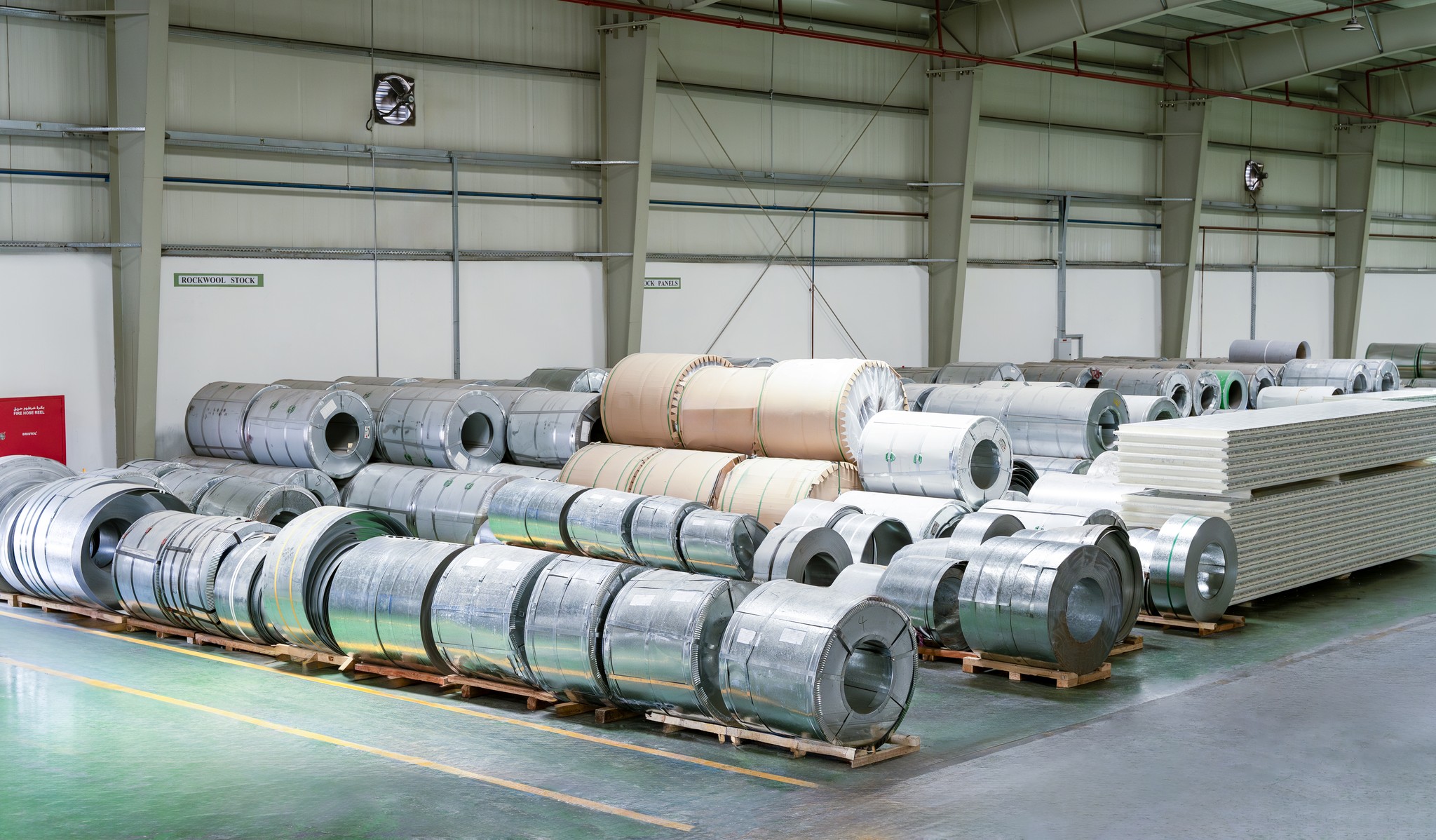
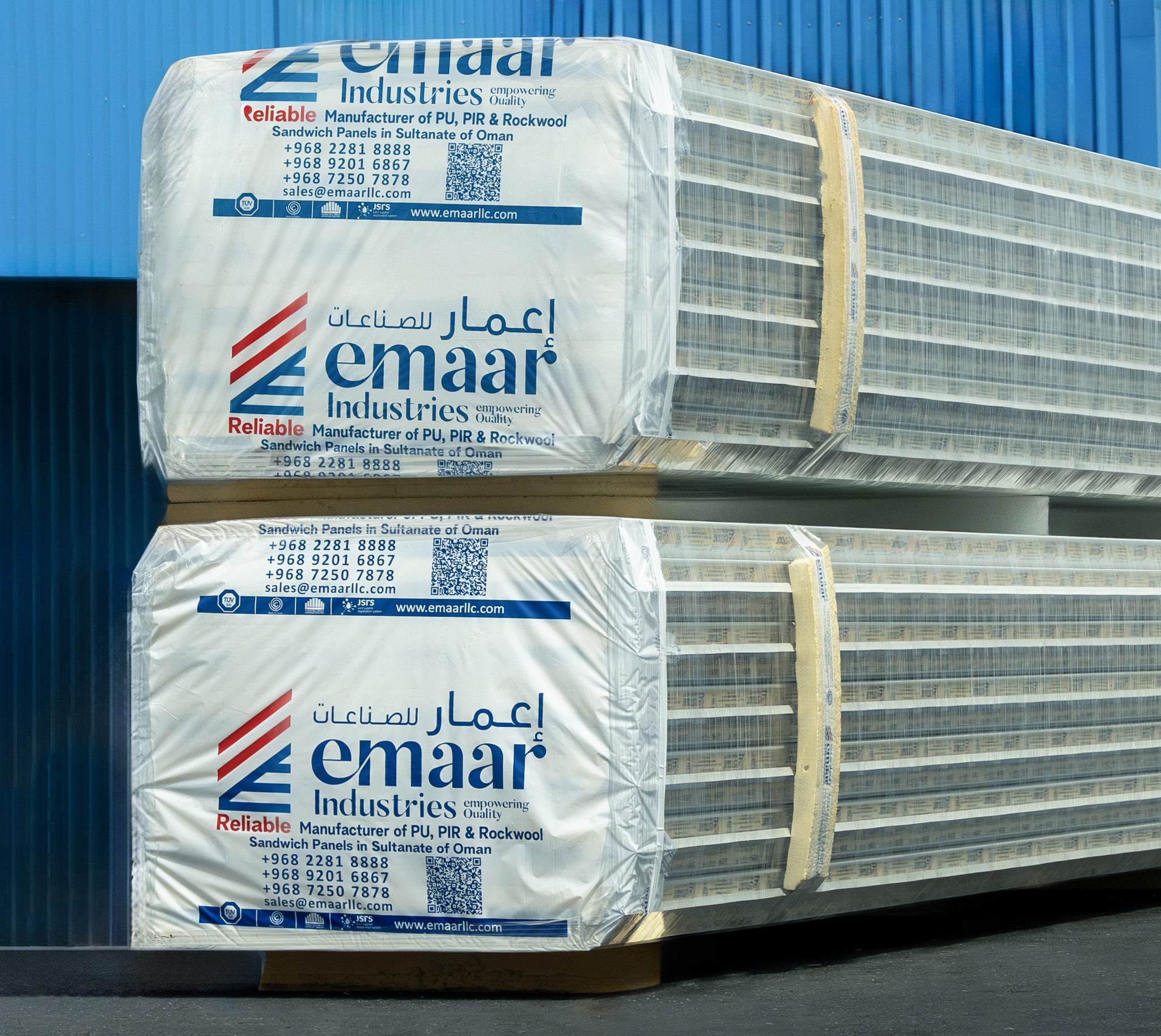
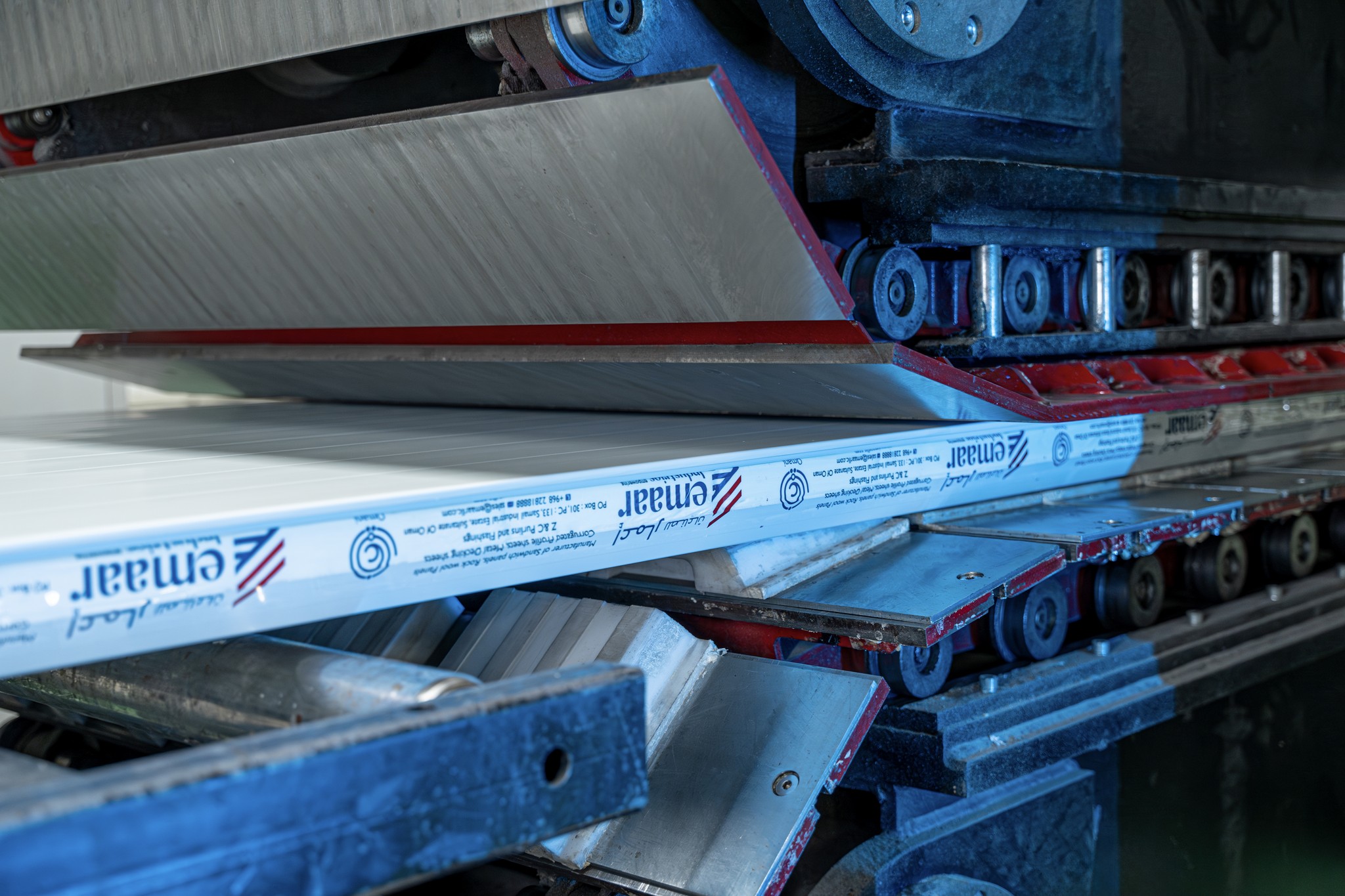
In-depth technical answers addressing the critical specification, engineering, and compliance inquiries faced by cold chain consultants, general contractors, and plant engineers.
Industrial cold storage doors are governed primarily by harmonized European standard EN 13241 (Industrial, commercial, garage doors and gates - Product standard, performance characteristics), which mandates verified compliance with wind load resistance (EN 12424), safe opening dynamics (EN 12453), thermal transmittance (EN 12428), and air permeability (EN 12426). Additionally, automated power-operated doors must satisfy the Machinery Directive 2006/42/EC and Electromagnetic Compatibility (EMC) Directive 2014/30/EU.
Heating cable wattage depends on internal room temperature, ambient temperature, relative humidity, and frame material thermal conductance. For chillers (-2°C to +4°C), a single 25–30 W/m self-regulating cable within the frame profile is standard. For deep freezers (-18°C to -28°C), we engineer dual-circuit 40 W/m to 50 W/m cables in both the perimeter frame and the recessed floor threshold. In blast freezers operating down to -40°C, triple-redundant heated sills with independent thermostatic safety controls prevent ice build-up without risking thermal degradation of the adjacent PIR core.
Polyisocyanurate (PIR) exhibits a superior ring-chain chemical molecular structure compared to standard Polyurethane (PUR). Under EN 13501-1 fire classification, PIR achieves up to B-s1,d0 ratings due to its inherent char-forming characteristics, extinguishing immediately upon flame removal. Mechanically, high-density PIR (42–45 kg/m³) provides superior dimensional stability across extreme temperature differentials, preventing door leaf warping (bimetallic deflection) when holding -30°C on the inside face against +45°C on the exterior.
While SUS304 stainless steel is suitable for general food storage, commercial produce, and dry distribution, SUS316 (or SUS316L) is mandatory in facilities handling marine seafood processing, aggressive salt-cured meats, dairy brining, or chemical pharma storage. SUS316 contains 2% to 3% molybdenum, providing dramatic resistance against pitting corrosion and stress cracking caused by chlorides, aggressive detergents, and airborne ammonia cleaning fumes.
Safety regulations under EN 179 and international OSHA codes mandate that all walk-in cold rooms and freezers must allow unhindered interior escape, even if the exterior door is padlocked or electronically locked. Our CE certified doors incorporate heavy-duty phosphorescent, luminous push-button internal safety release plungers. Actuation of the plunger forces the latch open via a solid mechanical rod regardless of exterior padlock status, requiring zero electrical power to operate.
Track jamming in budget doors stems from undersized roller bearings and track deflection under dynamic loads. Our CE certified sliding doors employ heavy-duty extruded anodized aluminum or galvanized steel overhead tubular rails rated for dynamic loads exceeding 600 kg. High-grade self-lubricating nylon or polyurethane rollers with sealed stainless steel double ball bearings eliminate friction, while closed track hoods shield rolling surfaces from condensation dripping and frost dust accumulation.
All automatic electric sliding and high-speed cold storage doors feature programmable micro-processor control panels with multi-protocol interfaces (Modbus RTU, BACnet, dry contact relays). The control unit reports door open/close status, cycle counts, motor thermal overload alerts, and heating circuit integrity to the central facility BMS. Additionally, interlock circuits allow synchronization with air curtains, dehumidification airlocks, and AGV traffic prioritization systems.
The bimetallic effect occurs when a massive temperature gradient exists across the inner and outer metal skins of a thick insulated door leaf (e.g., -25°C interior vs +40°C exterior). The outer sheet expands while the inner sheet contracts, inducing bending moments that cause the door leaf edges to curl away from the gaskets. We mitigate this through stress-relieved composite internal framing, non-rigid sheet interlocking profiles, and variable elastomeric gasket depths that maintain airtight seals despite thermal expansion variations.
Depending on configuration and size, our CE certified cold storage sliding and hinged doors achieve Class 3 to Class 4 ratings under EN 12426 air permeability tests. By combining precision corner-welded santoprene gaskets with high-pressure cam-action closing tracks, our assemblies limit air leakage to under 1.5 m³/(h·m²) under 50 Pa test pressures, drastically reducing refrigeration load compared to standard commercial doors that allow excessive air bypassing.
As an experienced global manufacturer and supplier based in Oman, every export shipment is accompanied by a comprehensive technical documentation dossier. This includes CE Declarations of Performance (DoP), factory Certificate of Origin (Chamber of Commerce stamped), mill test certificates for steel coils, third-party laboratory thermal conductivity and fire resistance test reports, customized structural anchor calculations, and multi-language installation maintenance manuals.
Our sales engineers respond to project questions during working hours (GST+4).