
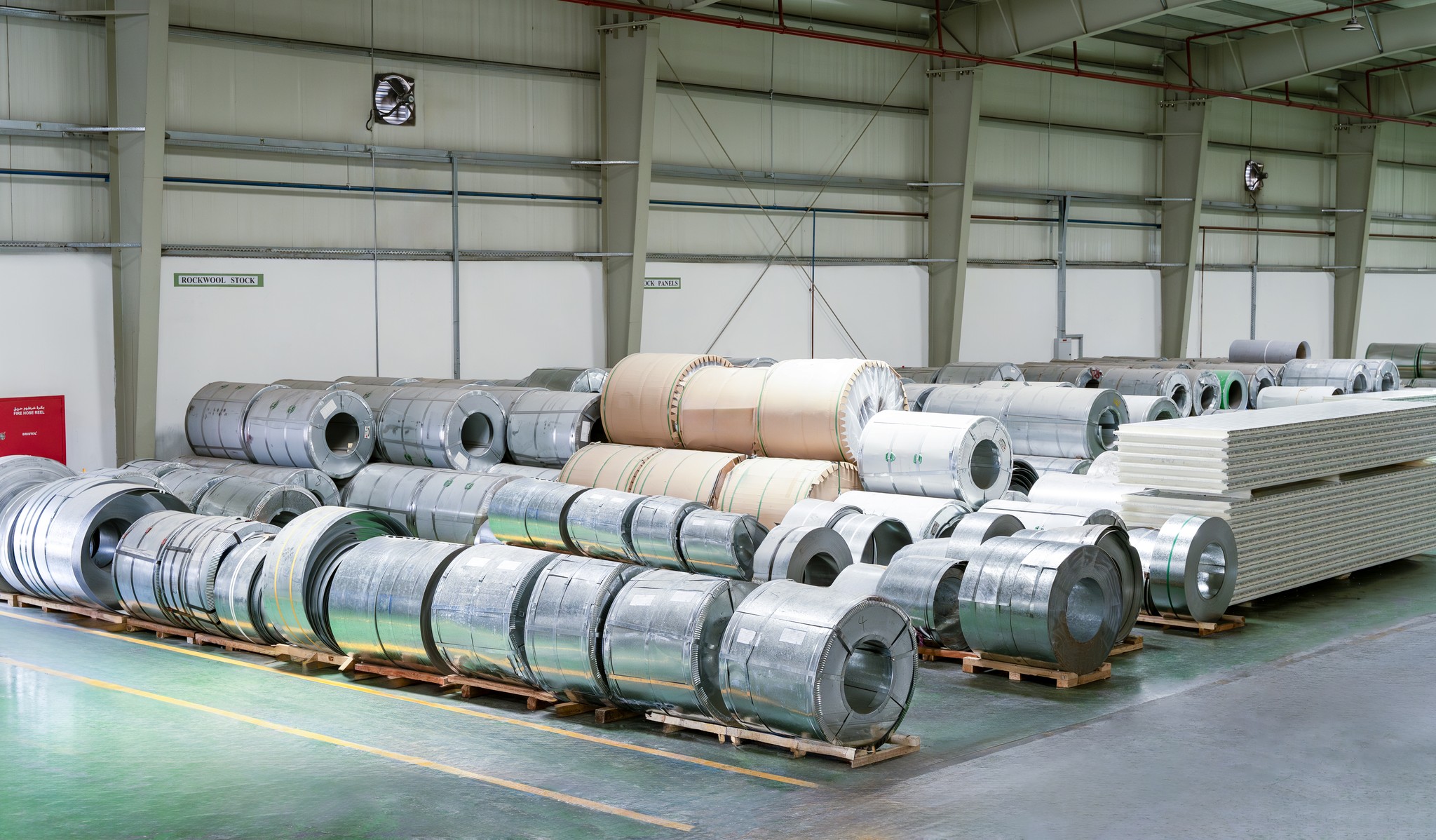
Manufactured with automated roll-forming and high-pressure chemical injection lines. Designed to withstand severe cyclonic wind loads, thermal expansion, and aggressive corrosive C1–C5 marine environments.
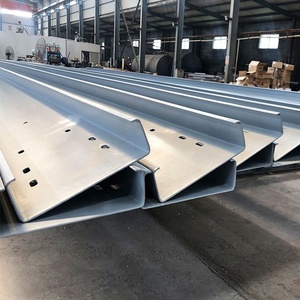
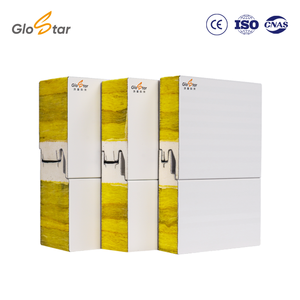
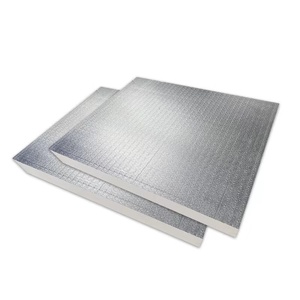
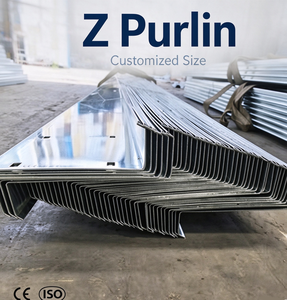
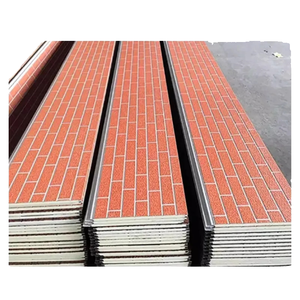
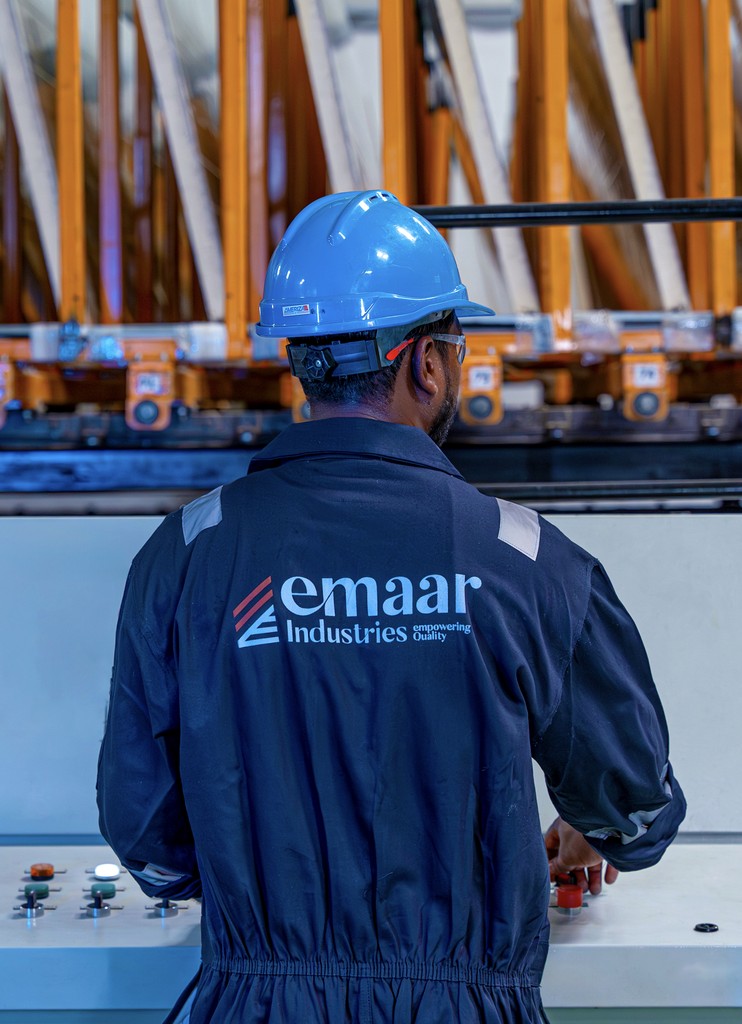
From our automated manufacturing hub, we produce high-precision corrugated sheets, insulated sandwich panels, cold-formed purlins, and decking sheets. Operating across international specifications, our production processes provide structural reliability for Tier-1 general contractors, EPC specialists, and multinational industrial clients.
Corrugated roofing sheets perform as critical structural diaphragms transmitting live, dead, seismic, and negative wind suction forces into the building frame. Below is our engineering reference for specification teams evaluating yield strengths, corrosion barriers, and deflection parameters.
Specifies mechanical resistance, water permeability, dimensional tolerances, and reaction to fire for self-supporting metal sheets. Mandates precise factory production control (FPC) with continuous destructive lap and deflection sampling.
Fabricated using prime cold-forming structural steel grades including S250GD, S280GD, S320GD, and ultra-high-yield S350GD, ensuring exceptional tensile reserves under peak downward snow loads and high negative cyclonic uplifts.
Engineered to limit structural live deflection to $L/200$ (general applications) or $L/250$ for elastomeric waterproofing substrates. Profile moment of inertia ($I_x$) and section modulus ($W_x$) verified by independent physical load benches.
Surface treatment matrices qualified according to ISO 12944-2 atmospheric corrosivity categories. Metallic substrate zinc masses reach up to Z275 ($275\text{ g/m}^2$) or Galvalume AZ150 ($150\text{ g/m}^2\ \text{Al-Zn}$) for marine longevity.
| Profile Specification | Base Metal Thickness (BMT) | Metallic Substrate | Coating System | Euroclass Reaction to Fire | Recommended Span ($L/200$) | Compliance Standard |
|---|---|---|---|---|---|---|
| Trapezoidal 35/200 Industrial | 0.50 mm – 0.80 mm | Galvanized Z275 / Galvalume AZ150 | 25µm Super Polyester / PVDF | Class A1 Non-combustible | 1.80 m – 2.40 m Continuous | EN 14782 / CE |
| Corrugated Sinusoidal 18/76 | 0.40 mm – 0.70 mm | Hot-Dip Zn (EN 10346) | PE / SMP / PVDF Kynar 500 | Class A1 Non-combustible | 1.20 m – 1.60 m Single/Multi | EN 14782 / CE |
| Composite Decking 45/150 | 0.70 mm – 1.20 mm | Z275 Structural Steel S350GD | Unpainted Mill Finish / Primer | Class A1 Inherent | 2.20 m – 3.20 m Unshored | EN 1090-2 / CE |
| PIR Composite Roof Panel | 0.50 mm ext / 0.40 mm int | Pre-painted Alu-Zinc AZ150 | PIR Core ($\rho = 40\text{ kg/m}^3$) | Class B-s1, d0 | 3.00 m – 4.50 m Structural | EN 14509 / CE |
| Rockwool Acoustic Roof Cladding | 0.60 mm ext / 0.50 mm perf | HDG S320GD Structural | Mineral Basalt Fibers ($110\text{ kg/m}^3$) | Class A2-s1, d0 | 2.50 m – 3.80 m Heavy Span | EN 14509 / CE |
*Load capabilities calculated according to Eurocode 3 (EN 1993-1-3) design tables. Live test data submittals available upon project inquiry.
International roofing and envelope procurement is transitioning rapidly from commoditized spot purchasing to lifecycle accountability, low-carbon tracing, and digitized performance compliance.
With the European Carbon Border Adjustment Mechanism (CBAM) and global Scope 3 emissions reporting taking center stage, top tier procurement now demands EAF (Electric Arc Furnace) primary steel coils, verified Environmental Product Declarations (EPD Type III), and verifiable circularity.
Turbulence along primary ocean trade routes has elevated the risk of overseas vessel delays. EPC contractors are partnering with strategically located multi-modal manufacturers capable of delivering overland and short-sea shipments within predictable 7-to-14 day windows.
Next-generation corrugated roof sheets are designed specifically with reinforced, flattened upper crowns and engineered rib widths to accept non-penetrating solar standing clamps. This avoids screw penetrations while supporting heavy bifacial PV module arrays.
Modern building tenders require complete integration of structural profiles into BIM Level 3 environments. Each coil batch is tracked with unique laser-etched QR codes verifying mill test certs (EN 10204 3.1), coating mass uniformity, and yield strength data.
How ongoing advancements in metallurgy, microscopic barrier matrices, and advanced polymer synthesis are extending the operational lifecycle of industrial metal roofs beyond five decades.
Replacing traditional pure zinc hot-dip galvanized coatings, Zn-Al-Mg formulations generate a self-healing alkaline zinc magnesium carbonate patina. When corrugated sheets are cut or drilled on job sites, exposed raw edges seal themselves against atmospheric oxidation, offering triple the protection of Z275 galvanization in marine environments.
Infrared-reflective complex inorganic color pigments integrated into top-coat paint chemistries bounce up to 75% of solar infrared radiation away from the building envelope. This keeps roof surface skin temperatures up to 22°C cooler during peak midday heat, minimizing thermal oil-canning expansion stresses and slashing HVAC cooling energy overhead.
Industrial applications frequently struggle with precipitation noise reverberation and machinery hum. Perforated corrugated liner web patterns paired with bonded interior anti-condensation acoustic fleece sheets absorb low-to-mid frequency resonance, lowering interior noise levels by up to 28 dB while eliminating underside sweating.
Clear, definitive engineering guidance addressing the primary specification, certification, and logistical questions raised by structural consultants and procurement directors.
CE marking under EN 14782 (for self-supporting metal roofing sheets) requires a comprehensive Declaration of Performance (DoP) supported by Initial Type Testing (ITT) and an ongoing Factory Production Control (FPC) system. Key verifications include mechanical load-bearing capacity under positive (downward) and negative (uplift wind suction) pressures, water impermeability, dimensional tolerances (profile pitch, depth, and thickness according to EN 508-1), and reaction-to-fire performance classified in compliance with EN 13501-1.
Each production bundle delivered from our factory includes documented batch traceability referencing our European standard Factory Production Control certificate, guaranteeing that yield strength, coating mass, and sheet geometry strictly match project structural calculations.
The selection is governed by atmospheric corrosivity classes (ISO 12944-2) and interior environmental humidity. Traditional hot-dip galvanized (GI with Z275 coating) is suitable for standard inland commercial buildings with low humidity (Class C1 to C2). Galvalume (55% Al, 43.4% Zn, 1.6% Si - AZ150) offers two to four times greater resistance in moderate industrial and coastal belts (Class C3 to C4) by forming an impenetrable aluminum oxide barrier.
For aggressive coastal marine zones, heavy petrochemical environments, or high-humidity agricultural livestock facilities (Class C5-I and C5-M), Zinc-Aluminum-Magnesium (ZM) alloy coatings provide superior performance. Magnesium stabilizes zinc hydroxychloride in the corrosion patina, delivering high resistance to salt spray and self-healing protection across drilled holes and cut edges.
This distinction is critical to prevent structural under-specification. Base Metal Thickness (BMT) represents the bare steel core thickness before the application of metallic zinc/aluminum coatings and paint layers. Total Coated Thickness (TCT) encompasses the steel substrate plus the metallic alloy bath plus the primer and topcoat paint films (typically adding 0.04 mm to 0.06 mm).
Structural engineering load span tables and Eurocode 3 calculation formulas depend exclusively on the Base Metal Thickness (BMT) to calculate sectional modulus, moment of inertia, and buckling resistance. We state both BMT and TCT clearly in all contract documentation and mill test reports to prevent structural ambiguities.
Fastener frequency is determined by calculating design wind uplift suction across localized roof zones (Field, Perimeter, and Corner zones as defined by Eurocode 1 EN 1991-1-4). Corner zones endure the highest localized vortices, typically requiring fasteners on every profile valley or rib, whereas interior field zones typically allow alternating rib fastenings.
To avoid severe bimetallic galvanic degradation, fastener alloy composition must match or exceed the noble potential of the roofing sheet. Carbon steel screws must feature high-grade zinc-tin mechanical coatings (tested to 1,500+ hours ASTM B117 salt spray). For marine or coastal zones, austenitic stainless steel (A2/A4 Grade 304 or 316) bi-metal self-drilling fasteners equipped with vulcanized EPDM sealing washers must be used to eliminate electrolytic current bridging.
Yes. Continuous roll forming lines allow us to produce corrugated sheets to custom project lengths, from 1.5 meters up to 14.5 meters (restricted only by maximum flatbed transport and 40ft/45ft shipping container constraints). On-site mobile containerized roll forming solutions can also be deployed for continuous ridge-to-eave profiles exceeding 30 meters, completely eliminating vulnerable transverse end overlaps on shallow pitch roofs (< 5°).
Steel exhibits a thermal expansion coefficient of approximately $12 \times 10^{-6}\text{ m/m}\cdot\text{K}$. On long sheet runs (exceeding 10–12 meters) subjected to extreme 50°C summer temperature fluctuations, total seasonal elongation can exceed 8 to 12 mm. When dark colors (such as RAL 7016 Anthracite or RAL 9005 Black) are selected, surface temperatures can exceed 80°C.
To manage this without tearing fasteners or causing annoying thermal "popping" noises, our engineering submittals provide slotted fastener hole configurations, oversized pre-punched fastener clips, stepped expansion joints, and high-elasticity EPDM isolation washers that accommodate linear movement without compromising weather seals.
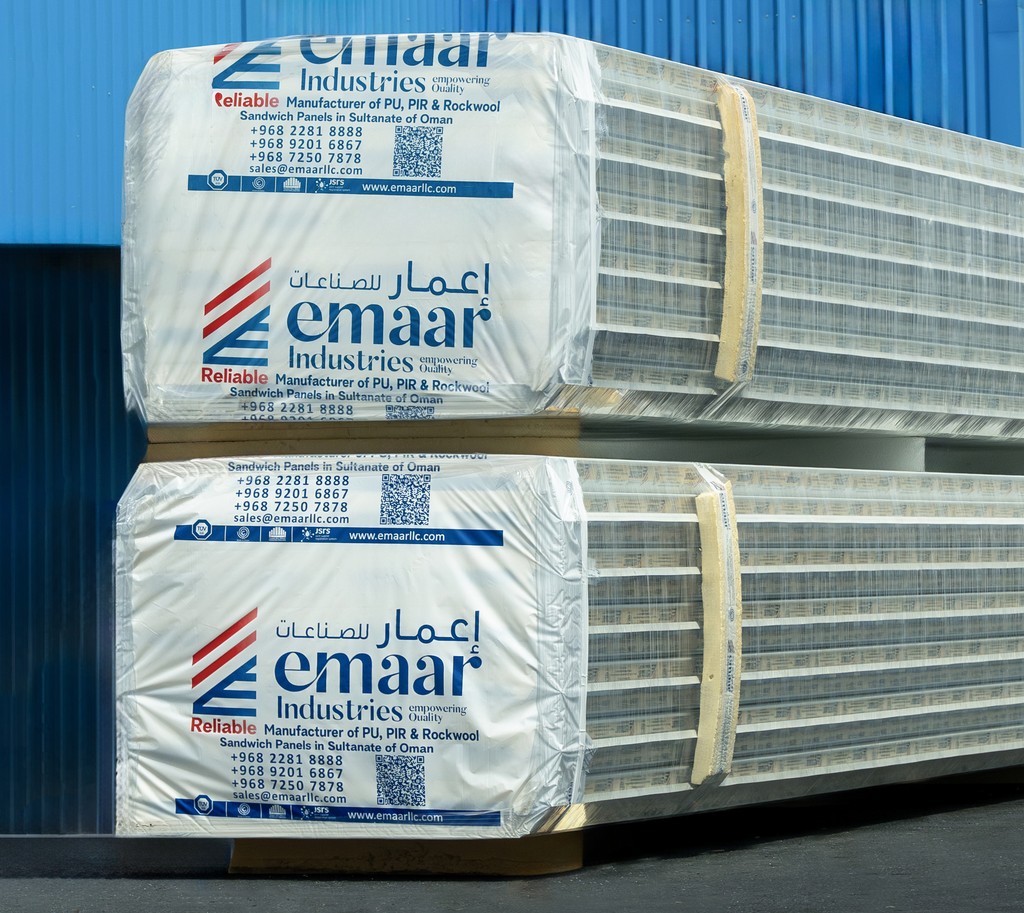
To prevent white rust (wet storage stain) and edge damage during ocean transit, sheets are bundled in maximum 2.5-ton strapped packs interleaved with vapor-corrosion-inhibiting (VCI) plastic film, wrapped in moisture-resistant heavy-duty corrugated board, and enclosed in steel outer corner protectors. Bundles are secured to treated wooden skids with steel strapping to enable safe forklift handling and container stripping at destination ports.
Single-skin corrugated profile sheets represent the most economical, lightweight cladding solution for open sheds, canopies, warehouses without temperature controls, and agricultural buildings. However, for conditioned commercial facilities, cold stores, or logistics hubs requiring strict HVAC energy management and condensation control, composite sandwich panels (featuring rigid PIR or mineral Rockwool insulation cores) are recommended. Sandwich panels provide an integrated thermal envelope ($\text{U-values}$ as low as $0.11\text{ W/m}^2\cdot\text{K}$) and robust fire containment in a single installation sequence.
Our sales engineers respond to project questions during working hours (GST+4).