
Direct Manufacturer • Certified ISO 9001 / CE / AS/NZS 4380

China Best Metal Roof Flashing Factory & Supplier

Precision Engineering, Lead-Free Flexible Transition Systems, Heavy-Gauge Pipe Penetration Boots, and Custom Architectural Flashings for Industrial, Pre-Engineered Steel, and Commercial Envelopes.

Engineered Portfolio

High-Performance Metal Roof Flashing Systems

Manufactured using virgin EPDM polymers, surgical-grade butyl elastomers, high-tensile 304/316 stainless steel, and heavy zinc-coat galvanized steel to satisfy stringent building envelopes globally.
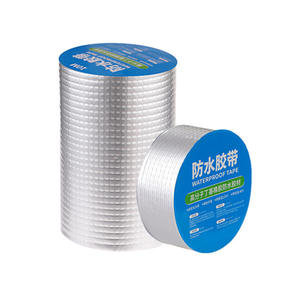
Self-Adhesive Aluminum Foil Butyl Rubber Flashing Tape

Aluminum Foil Butyl Rubber Flashing Tape Roof Wall Crack Leak Repair Waterproof Sealant Tape

Pure reinforced aluminum composite backing with 1.2mm–2.0mm high-tack butyl mastic. Resistant to thermal cycling, UV radiation, and severe joint elongation.
Thickness: 1.0–2.5mm Inquire Now
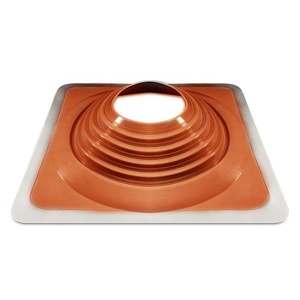
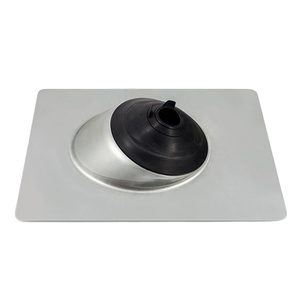
Dual Application Roof Flashing Pipe Jack & Valley Flashing

Roof Flashing Pipe Jack & Valley Flashing For Tile And Metal Roofs With Flashing Boot

Flexible malleable aluminum composite base engineered to mold over high-rib standing seam profiles and heavy Spanish tiles without splitting or spring-back.
Pipe OD: 6mm – 450mm Inquire Now
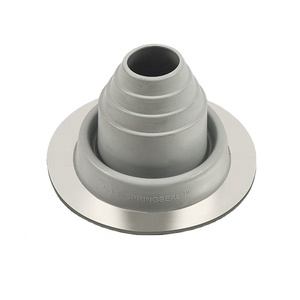
Moulded EPDM UV Resistance Moulded Pipe Roof Flashing

Customizable Focus Brand UV Resistance Moulded Pipe Roof Flashing in S/M/L Sizes for Metal Roofs

Ozone-resistant moulded EPDM collar vulcanized with an internal corrosion-proof aluminum flange ring. Continuous working limits from -50°C to +135°C.
Rating: ASTM D2000 Inquire Now
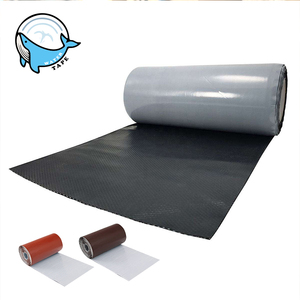
Non-Toxic Roll ANTI Lead Free Flashing Tape EPDM

ANTI Lead Free Flashing Tape EPDM Aluminum Mesh Butyl Waterproof Roof Flashing Roll For Chimney Skylight

Direct structural substitute for toxic sheet lead. Features an expandable diamond-mesh aluminum core embedded in weather-tested EPDM butyl rubber for chimney/abutment flashing.
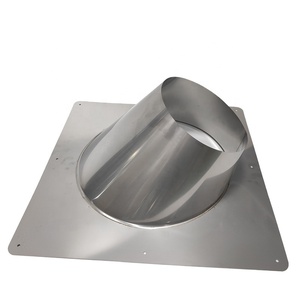
Elongation: > 35% Inquire Now
SUS304 / SUS316 Stainless Steel Pitch Roof Flashing

Stainless Steel Pitch Roof Flashing for Chimney Pipe

TIG-welded heavy-gauge stainless steel pitch flashing designed for high-temperature flue penetrations, wood burning stoves, and corrosive coastal marine atmospheres.
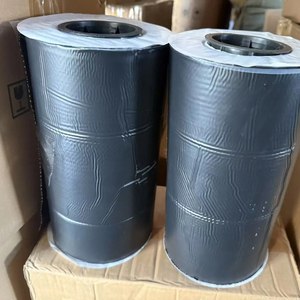
Pitch: 0° – 45° Pitch Inquire Now
EPDM Membrane ANTI Lead Free Roof Flashing Tape EPDM Butyl

ANTI Lead Free Roof Flashing Tape For Tile Roof And Metal Roof, EPDM Butyl Self Adhesive Flashing Roll

High-elasticity weather barrier roll with full-surface butyl backing. Designed for metal roof valleys, clerestory transitions, parapets, and complex mechanical curbs.
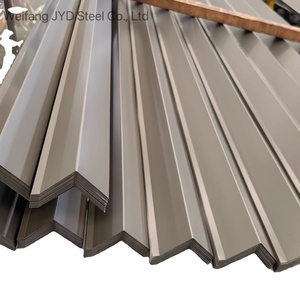
Roll Width: 150–600mm Inquire Now
Formed Steel Roofing Flashing Drip Edge Galvanized Steel

Roofing Flashing 2x2/2.5x2/3x3inch Drip Edge Galvanized Steel Flashing Roof Edge Trim

CNC roll-formed Z275/AZ150 galvanized drip edge trims. Prevents capillary water intrusion along eaves and rakes while providing crisp architectural perimeter terminations.
Gauge: 24 / 26 / 28 Ga Inquire Now
Vent Assemblies Galvanized Steel Roof Flashing Vent Pipe

Galvanized Steel Roof Flashing 1 1/2" - 4" W Metal For 390x305mm Diameter Vent Pipe

Industrial plumbing stack and mechanical vent penetration plate with integrated elastomer grommet. Engineered for heavy storm uplift resistance and zero structural leaking.

Base: 390 x 305 mm Inquire Now
25,000+
Monthly Flashing Units Produced
100%
In-House ASTM Testing & Inspection
65+
Export Nations Across 5 Continents
< 0.02%
Factory Structural Defect Ratio

Technical Whitepaper: Engineering Weather-Tight Roof Transitions in Modern Pre-Engineered Buildings

In modern industrial and commercial architecture, metal roof assemblies represent dynamic structural systems rather than static weather shields. Continuous exposure to thermal expansion and contraction (where metal sheet temperatures alternate between -30°C in winter nights and +85°C under direct solar radiation), wind shear flutter, building settlement, and UV photodegradation imposes destructive physical forces on envelope penetrations and transitions. Industry forensic studies verify that over 82% of all commercial metal roof failure events and water ingress claims originate at roof flashings, pipe boots, clerestory junctions, and drip terminations—not through the primary roll-formed roof panels themselves.

As China’s foremost technical metal roof flashing manufacturer, our facility engineers waterproofing junctions based on advanced metallurgy, elastomer rheology, and precise geometric mechanical interlocks. A properly engineered flashing assembly must accommodate multi-axial mechanical movement without inducing fastener fatigue, galvanic corrosion, or polymer stress-cracking.

The Engineering Imperative of Dissimilar Metal Compatibility: When connecting galvanized steel flashings, aluminum-zinc alloy sheets, and stainless fasteners, galvanic potential differentials must remain below 0.15V. Our high-build silicone-modified polyesters (SMP) and polyvinylidene fluoride (PVDF) barriers eliminate electrolytic bridges, permanently preventing micro-cell pitting and premature substrate degradation.

Material Science & Elastomeric Performance Analysis

Our pipe boots and flexible transition flashings leverage compounding chemistry that surpasses generic consumer membranes. Standard aftermarket boots fabricated from low-grade neoprene or recycled rubber typically display ozone embrittlement, hardening, and circumferential collar cracking within 24 to 36 months of field deployment. In contrast, our flashings utilize 100% virgin Ethylene Propylene Diene Monomer (EPDM) compounded with elevated carbon-black micro-dispersions, antioxidant scavengers, and hindered amine light stabilizers (HALS).

Engineering Property Virgin EPDM (Our Spec) High-Temp Silicone Standard Butyl Tape Traditional Sheet Lead
Continuous Temperature Range -50°C to +135°C (-58°F to +275°F) -60°C to +260°C (-76°F to +500°F) -40°C to +90°C (-40°F to +194°F) -20°C to +80°C (Creeps > 50°C)
Intermittent Thermal Peak +160°C (320°F) +300°C (572°F) +120°C (248°F) Toxic Fume Generation
Tensile Strength (ASTM D412) ≥ 11.5 MPa ≥ 8.8 MPa Viscoelastic Plastic State 12 - 18 MPa
Elongation at Break ≥ 480% ≥ 520% ≥ 850% ≤ 45% (Work-hardens)
UV Resistance (QUV 3000h) Zero surface crazing / micro-fissures Completely immune to UV oxidation Protected via Aluminum Barrier Oxidizes to Lead Carbonate
Environmental / Health Profile 100% Non-Toxic, RoHS / REACH Chemically inert, Food-grade safe VOC-free, Non-hazardous Toxic heavy metal, Banned in EU/US
Service Life Expectancy 25 to 30+ Years 35+ Years 20 to 25 Years Subject to fatigue cracking
Strategic Market Intelligence

Emerging Procurement & Engineering Trends (2025–2030)

Global supply chain directors, structural consultants, and commercial roofing contractors are adapting their specification criteria to address stringent sustainability, labor cost, and warranty mandates.

1. Complete Phase-Out of Toxic Sheet Lead

Strict enforcement of the European Union REACH Regulation (Annex XIV), UK building safety acts, and North American EPA mandates is rapidly eliminating toxic lead apron flashing. EPC contractors now specify composite expandable aluminum mesh bonded with cross-linked butyl-EPDM membranes. These systems achieve identical malleability and weight-conforming profiles around Spanish tiles, concrete ridges, and corrugations without groundwater leaching or hazardous installation protocols.

2. BIPV & Commercial Solar Penetration Flashings

The global surge in rooftop photovoltaic (PV) and Building Integrated Photovoltaic (BIPV) installations has rendered generic mechanical cable boots obsolete. Procurement managers are prioritizing pre-assembled, multi-port EPDM flashings capable of sealing high-voltage DC conduit arrays and structural ballasted racking stanchions. These designs must guarantee 25-year watertight seals under elevated thermal loads caused by underneath-module heat traps.

3. Monolithic Pre-Formed Flashings vs. Field Bending

Rising labor rates and on-site workmanship liabilities across North America, Europe, and the Middle East have accelerated demand for factory-assembled, monolithic penetration flashing boots and precision roll-formed edge trims. Eliminating manual on-site sheet shearing, scoring, and field riveting reduces roof installation timelines by up to 60% while mitigating the structural risks associated with human assembly errors on steep-slope roofs.

Tier-1 Manufacturing Capabilities

Why International Buyers Partner With Our China Facility

Combining world-class polymer compounding, high-speed automated roll-forming, and certified metallurgical QA to deliver turnkey export consistency.

Automated CNC Roll-Forming

High-speed continuous bending lines with optical laser sensors ensure profile dimensional tolerances within ±0.25mm across 6-meter edge trims, drip caps, and ridge profiles.

Continuous Vulcanization

Automated vacuum injection molding clamps ensure uniform wall thickness and zero internal micro-porosity for heavy-duty commercial EPDM and silicone pipe boots.

1000h+ Salt-Spray Testing

Every steel and aluminum substrate batch undergoes continuous neutral salt-spray (ASTM B117) and cyclic corrosion evaluations to certify RC4/RC5 marine environmental endurance.

Turnkey OEM / Private Label

Complete custom tooling, private brand embossment, customized retail packaging, barcode integration, and rapid container load optimization for global distributors.

Engineering Guidance

Frequently Asked Questions for Sourcing & Procurement

Comprehensive technical and logistical answers addressing the critical evaluation criteria of procurement teams, project consultants, and structural engineers.

Q: What international testing standards do your metal roof flashings comply with?
Our manufacturing operations strictly adhere to ISO 9001:2015 quality management systems. Our EPDM and silicone pipe flashings meet or exceed ASTM D2000 M4AA specifications, physical property tests under AS/NZS 4380:2001 (Restricted Flashing Materials), and European CE marking directives. For adhesive butyl membranes, products comply with ASTM C1281 and ASTM E2140 standards for static water head resistance under continuous hydrostatic pressure. Project-specific mill test certificates (MTC 3.1) and third-party laboratory test reports (SGS / Intertek) are available upon request.
Q: How do you prevent galvanic corrosion between metal flashings and commercial roofing panels?
Galvanic corrosion occurs when dissimilar metals with distinct electrochemical potentials are coupled in the presence of an electrolyte (such as atmospheric moisture or coastal sea spray). To prevent accelerated panel degradation, we engineer our flashings using compatible base metals or dielectric isolators. When flashing Galvalume® (AZ150) or galvanized (Z275) steel roofs, we utilize hot-dipped zinc-aluminum coated steels or integrated virgin EPDM isolation gaskets that break electrical continuity between the fastener, the trim, and the purlin substrate.
Q: When should a specifier choose high-temp Silicone over standard EPDM pipe boots?
While high-grade EPDM is the global industry standard for plumbing stacks, electrical conduits, HVAC piping, and standard vents with surface temperatures ranging from -50°C to +135°C, high-temperature red silicone is engineered specifically for active thermal exhausts. For chimney flues, wood stove discharges, industrial kiln vents, and commercial generator exhaust stacks where continuous skin temperatures exceed 135°C (up to 260°C continuous, 300°C intermittent), silicone pipe boots are strictly mandated to prevent polymer degradation.
Q: Why is lead-free butyl aluminum composite flashing superior to traditional sheet lead?
Traditional sheet lead carries severe environmental hazards, is classified as a toxic substance under REACH and RoHS regulations, and suffers from thermal creep failure and work-hardening fatigue over recurring temperature fluctuations. Our lead-free flashing rolls feature an internal expanded aluminum mesh encased in weather-stabilized EPDM and surgical-grade butyl adhesive. They provide 100% equivalent malleability to dress into high-depth tile or trapezoidal steel profiles, weigh 75% less (reducing transport costs), and eliminate hazardous handling protocols.
Q: What coating options are available for custom architectural perimeter trims?
We provide a diverse spectrum of coil-coated and post-painted finishes customized to exact project exposure requirements. Standard offerings include Siliconized Modified Polyester (SMP) with a 25-micron dry film thickness for standard industrial warehouses, and premium 70% Kynar 500® / Hylar 5000® Polyvinylidene Fluoride (PVDF) for aggressive UV or chemical environments. For coastal projects within 1.5 km of marine shorelines, we supply marine-grade polyurethane-polyamide finishes or heavy-build 200-micron plastisol coatings to provide maximum barrier resistance against salt-spray pitting.
Q: What is the Minimum Order Quantity (MOQ) and production lead time for OEM orders?
For standardized catalogue items such as EPDM pipe boots, drip edges, and butyl waterproof tapes, our standard MOQ ranges from 500 to 1,000 units depending on profile dimensions. For fully customized roll-formed geometries or branded OEM tooling, MOQ is typically calculated based on a master steel coil weight (approx. 3 metric tons) or 2,000 linear meters. Production lead times average 15 to 22 business days from drawing sign-off and deposit receipt, with prioritized dispatch routes coordinated via Ningbo, Shanghai, or Qingdao container terminals.
Q: How do your flashings withstand severe wind uplift and category 5 hurricane ratings?
Wind uplift forces at roof corners and perimeters can exceed 4.5 kPa under severe hurricane conditions. Our metal drip edges, gravel stops, and fascia trims are engineered according to ANSI/SPRI/FM 4435/ES-1 wind design standards. Heavy-gauge continuous cleat systems, reinforced hemmed drip edges, and optimized fastener layout schedules guarantee that flashing joints do not peel or unhook under negative atmospheric pressure, ensuring complete envelope structural preservation.
Q: How are bulk export shipments packaged to eliminate damage during maritime transport?
Long-distance intermodal container shipping exposes building components to moisture condensation (container rain), mechanical vibration, and shifting loads. Our finished roll-formed trims are interleaved with protective polyethylene peel-away film, bundled in heavy honeycomb sleeves, and palletized inside fumigated solid-timber crates reinforced with longitudinal steel strapping. Flexible EPDM boots are individually bagged and packed in crush-tested double-wall corrugated cartons stacked on standardized 1100x1100mm export pallets with full plastic shrink-wrapping.

Need Custom Tooling or Project-Specific Shop Drawings?

Connect directly with our senior application engineers. We provide comprehensive CAD takeoff assistance, profile customization, material compatibility evaluations, and factory-direct volume pricing within 24 business hours.

Inquire Now