
Direct OEM & export-grade envelope systems manufactured according to EN 14509, ASTM E84 Class A, and FM 4880 global performance benchmarks.
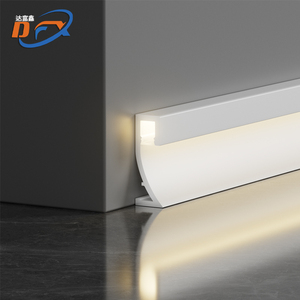
Extruded 6063-T5 aluminum wall base trims with integrated LED diffusion channels for high-end hospitality and hygienic cleanrooms.
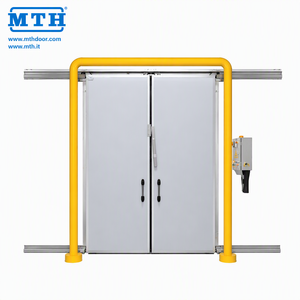
MTH-patented rail track mechanism, high-density PIR/PU core, heated perimeter gaskets, and safety internal escape handles.
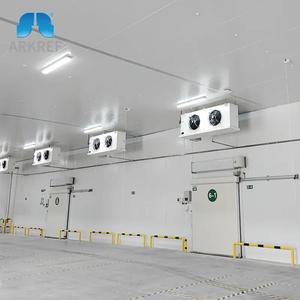
42 kg/m³ high-pressure cyclopentane injected core with cam-lock tongue-and-groove jointing for zero-condensation blast freezers.
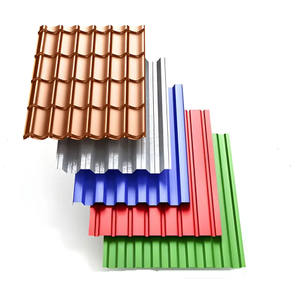
Galvalume and hot-dipped galvanized structural profiles coated with PVDF/HDP resins for high UV and maritime corrosion protection.
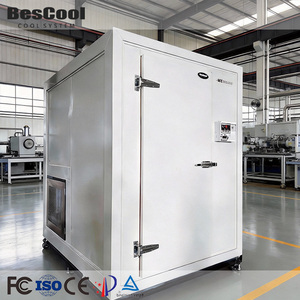
Turnkey prefabricated cold room modules featuring hygienic anti-bacterial coated PIR panels and matched condenser chiller loops.
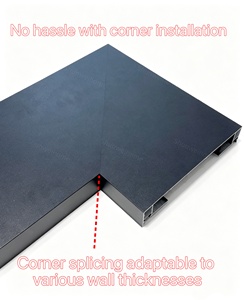
Precision-bent weatherproofing parapet caps, drip trims, and window junction flashings engineered to eliminate envelope water ingress.
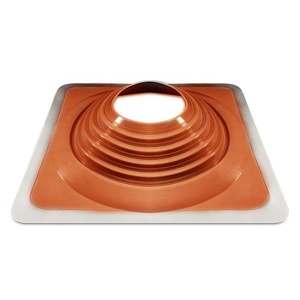
EPDM/Silicone flexible pipe boots with malleable aluminum rings designed for thermal expansion and severe rooftop exposure.
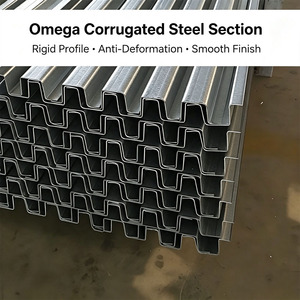
High-tensile zinc-coated omega and hat sections designed for rooftop solar ballasts, substructure framing, and panel tie-downs.
A technical examination of polyisocyanurate trimerization, thermal bridging mitigation, and lifecycle carbon payback in modern industrial facades.
In the competitive landscape of exterior building envelopes, industrial cold storage, and energy-neutral logistics centers, the selection of the core insulation material determines both structural longevity and operating expenditure (OPEX). Modern Polyisocyanurate (PIR) cladding panels represent a quantum leap in polymer thermodynamics compared to legacy Expanded Polystyrene (EPS) and conventional Polyurethane (PUR). PIR is synthesized through an engineered chemical reaction where polymeric methylene diphenyl diisocyanate (pMDI) and polyester polyols react at an isocyanate-to-hydroxyl (NCO/OH) reaction index exceeding 250% up to 350%. This high chemical index induces trimerization, forming exceptionally stable, cyclic isocyanurate ring structures that dramatically boost thermodynamic resistance and thermal stability.
Under intense thermal exposure, standard polyurethane bonds dissociate at approximately 200°C, causing early core ignition and flame escalation. In contrast, the isocyanurate ring matrix of a premier PIR core remains structurally coherent beyond 350°C. Upon direct flame impingement, the PIR core decomposes via an endothermic charring mechanism, creating an inorganic, vitrified carbon barrier that inhibits oxygen penetration into the panel interior and prevents flame spread. When tested in accordance with international fire standards—such as ASTM E84 (flame spread index < 25, smoke development < 450), EN 13501-1 (B-s1, d0), and FM 4880/4881—PIR demonstrates non-propagating combustibility without toxic molten dripping.
Simultaneously, from a thermal conduction perspective, closed-cell PIR foam exhibits an extraordinarily low thermal conductivity rating (λ-value) as low as 0.019 to 0.022 W/(m·K). Because the microcellular foam retains an ultra-high closed-cell ratio greater than 95% filled with next-generation low-boiling blowing agents (such as cyclopentane and 4th-generation hydrofluoroolefins [HFOs]), PIR panels provide unmatched R-values per unit thickness. This enables architectural engineers to design envelope assemblies that are up to 40% thinner and 50% lighter than mineral wool systems while achieving equivalent or superior overall thermal transmittance (U-values).
| Insulation Core System | Thermal Cond. (λ, W/m·K) | Fire Reaction Rating | Core Density | Moisture Absorption | Acoustic & Compressive Performance |
|---|---|---|---|---|---|
| Continuous PIR (Polyisocyanurate) | 0.019 - 0.022 | Class B1 / B-s1, d0 / Class A | 40 - 45 kg/m³ | < 1.0% by volume | High compressive strength (>150 kPa); rigid dimensional stability |
| Standard PUR (Polyurethane) | 0.024 - 0.028 | Class B2 / B-s2, d0 | 38 - 42 kg/m³ | < 2.0% by volume | Moderate compressive strength (>120 kPa); melts under high heat |
| Structural Mineral Rockwool | 0.038 - 0.044 | Class A1 / Non-Combustible | 100 - 140 kg/m³ | > 5.0% (requires vapor barrier) | Excellent acoustic attenuation; heavy dead load on framing |
| EPS (Expanded Polystyrene) | 0.036 - 0.040 | Class B3 / Highly Flammable | 16 - 22 kg/m³ | 3.0% - 6.0% by volume | Low shear modulus; rapid thermal collapse and smoke emission |
How Tier-1 engineering EPCs, project developers, and international trading conglomerates are modernizing their supply chain methodologies.
Procurement teams are transitioning away from through-fixed wall panels toward tongue-and-groove hidden joint profiles. Concealed fastener systems eliminate penetrating thermal bridges, hide self-tapping screws from wind-driven rain, and improve building airtightness, achieving n50 air permeability figures under 0.6 h⁻¹ for net-zero carbon certification.
With the European Union tightening REACH chemical safety mandates and global ESG directives penalizing embodied carbon, the demand for bio-polyols synthesized from agricultural feedstocks and recycled PET is accelerating. Forward-thinking buyers prioritize blowing formulations with Zero Ozone Depletion Potential (ODP=0) and Global Warming Potential (GWP < 1).
Procurement managers increasingly avoid splitting contracts across multiple suppliers. Leading contractors order integrated systems from a single source: PIR wall and roof panels, cold-rolled secondary steel purlins (Z, C, and Omega sections), precision perimeter capping, flashings, and insulated cold room doors to guarantee structural and thermal compatibility.
With industrial roofs turning into clean power generators, procurement specifications demand trapezoidal roof panels with high load-bearing upper facers (0.6mm–0.8mm PPGI) and specialized crown profiles capable of directly hosting rail-free photovoltaic clamp fixtures without compromising core vapor barriers.
Mega-projects in coastal and heavy industrial zones are moving toward customized protective coatings. Procurement orders for Middle East and Southeast Asian projects routinely specify high-build Polyvinylidene Fluoride (PVDF) 70/30 resin systems, High Durability Polyester (HDP), and hot-dipped 55% Al-Zn Galvalume substrates to resist intense UV and salt spray.
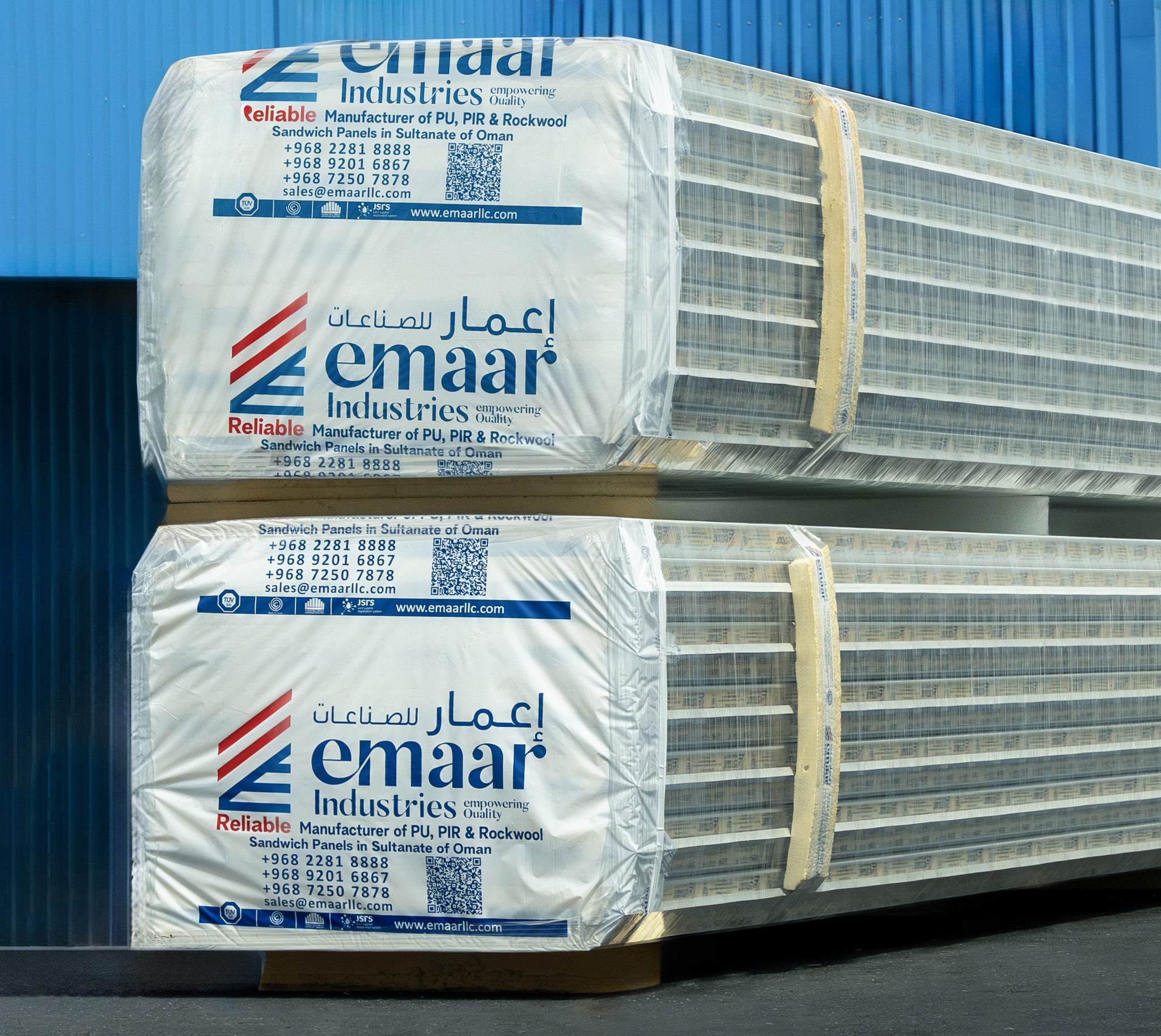
To hedge against maritime freight fluctuations and site demurrage, EPC contractors require customized packaging and export crating. Chinese manufacturers utilize robotic automated stacking, protective peel-off PE film, reinforced edge protectors, and steel-reinforced containers to guarantee zero transit damage across thousands of nautical miles.
Inside the continuous double-belt manufacturing process that ensures consistent panel density and uniform adhesion.
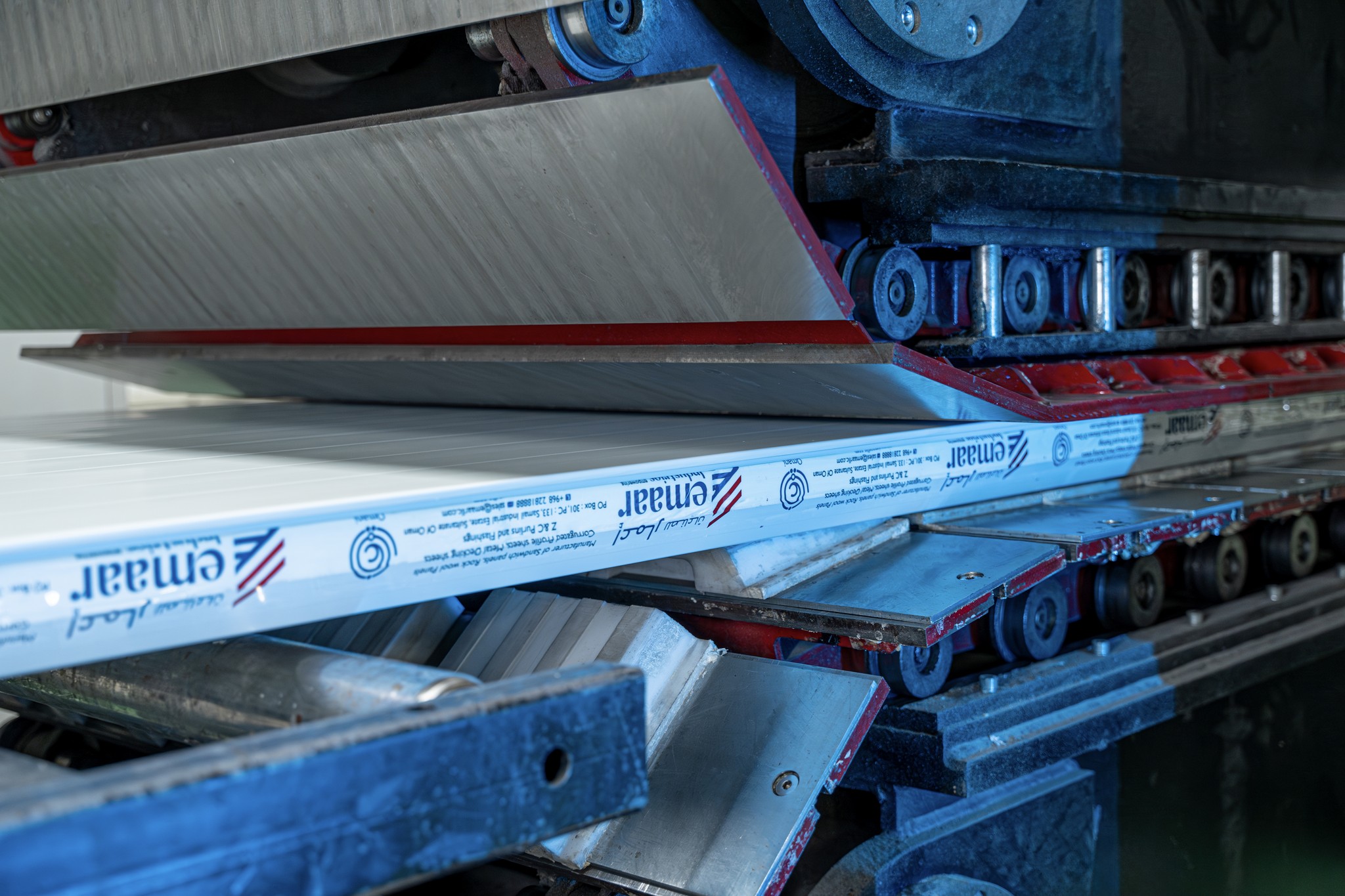
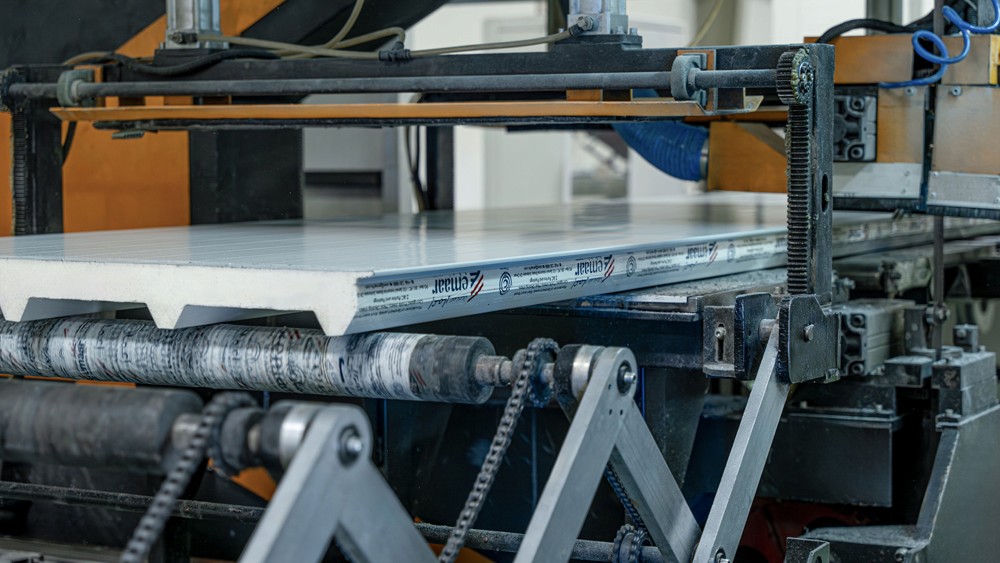
Discontinuous batch presses often suffer from uneven foam density, air voids, and delamination risks over extended service lives. Advanced Chinese export manufacturing facilities leverage ultra-long, 36 to 48-meter continuous double-belt caterpillar laminator lines. This continuous extrusion process maintains precise temperature control (typically calibrated to 55°C–65°C), enabling complete chemical cross-linking of the polyisocyanurate foam under uniform hydrostatic pressure.
Equipped with multi-component, high-pressure oscillating injection nozzles, the line dispenses the reacting chemical mixture evenly across the bottom facer. Integrated roll-forming machines shape the exterior and interior steel coils concurrently, ensuring tight dimensional tolerances on tongue-and-groove joints, labyrinth interlocks, and cam-lock inserts.
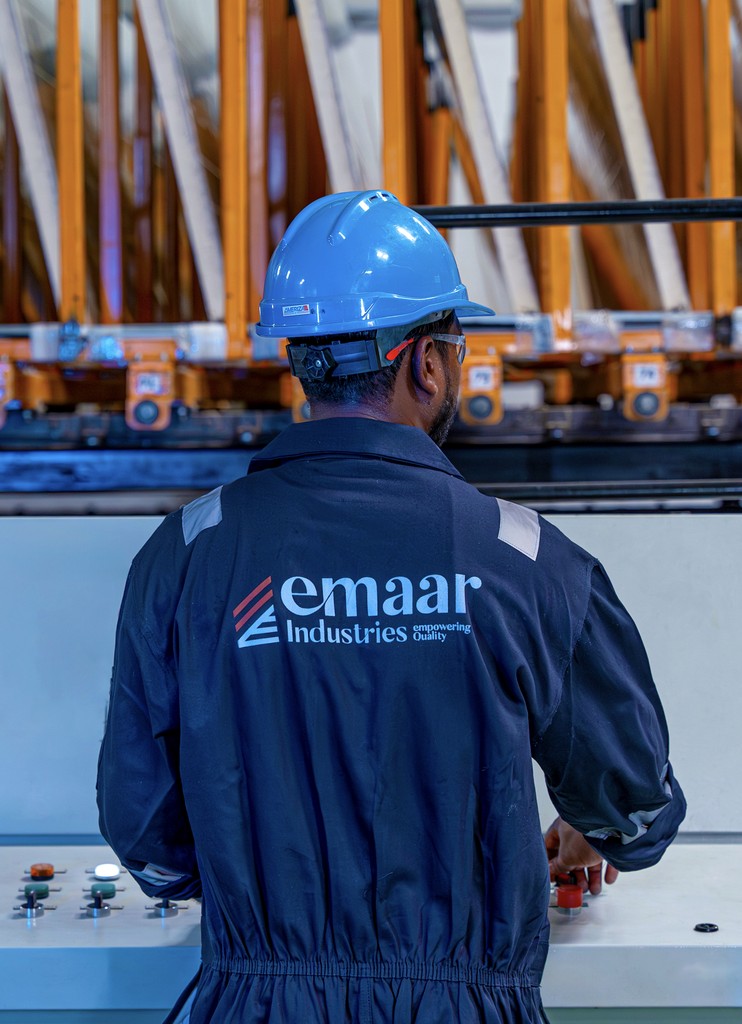
Real-time optical scanners and laser thickness gauges monitor surface planarity, panel thickness, and edge straightness at line speeds up to 25–40 meters per minute. The result is structural sandwich panels with shear bond strengths exceeding 0.12 MPa and cohesive foam structures that eliminate interfacial debonding under extreme cyclic thermal loading.
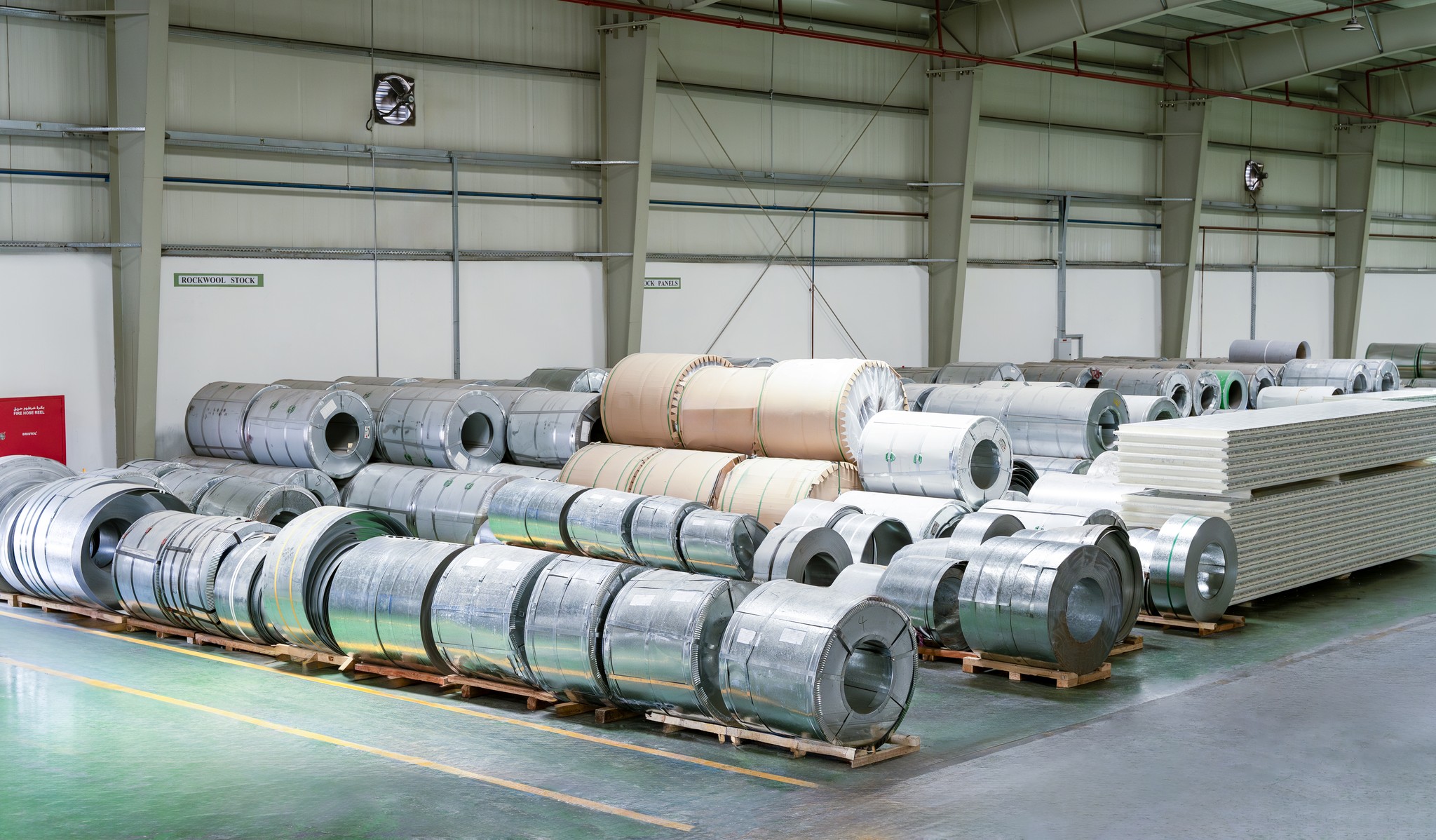
With advanced production lines in China and an established export footprint across the Middle East, GCC (Oman, UAE, Saudi Arabia, Qatar, Kuwait, Bahrain), Africa, and Latin America, our manufacturing ecosystem delivers end-to-end building envelopes engineered to excel in extreme desert heat, high humidity, and aggressive marine environments.
Comprehensive answers addressing core density, structural spans, joint mechanics, and export handling.
A glimpse into our quality inspection protocols, warehouse logistics, and commissioned structures across diverse climatic regions.

Collaborate with our structural and thermal insulation engineers to receive detailed panel span calculations, thermal modeling, sample kits, and competitive FOB/CIF project estimates tailored to your project schedule.
Our sales engineers respond to project questions during working hours (GST+4).