Top Trusted Cold Chain Panels Factories & Exporters
A definitive engineering analysis of high-pressure PIR/PUR continuous foaming lines, thermal drift mitigation, hermetic joint mechanics, and global supply strategies for mission-critical cold chain infrastructure.
10,000 m²
Daily Continuous Output
550+
Completed Global Projects
0.020 λ
Thermal Performance (W/m·K)
100%
Cyclopentane Eco-Foaming
Engineered Cold Storage Envelope Systems
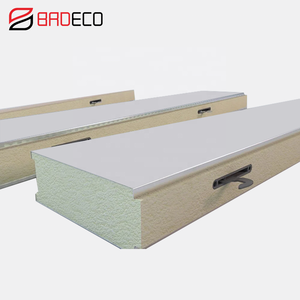
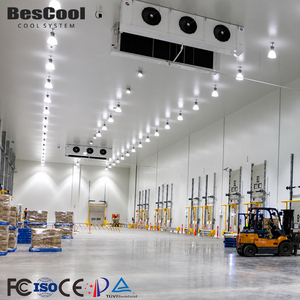
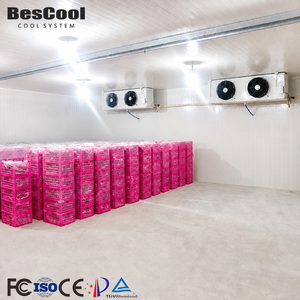
Continuous-laminated, ultra-low thermal conductivity panels manufactured under tight tolerances. Every unit is optimized for airtight cold storage facilities, pharmaceutical holding hubs, food logistics terminals, and controlled atmosphere cleanrooms.
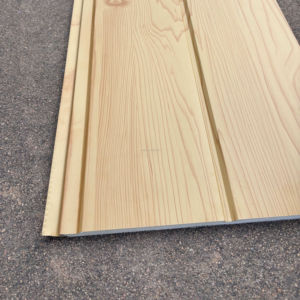
Eco-friendly lightweight polyurethane exterior facade cladding combining architectural aesthetics with high-efficiency moisture barrier and Class B1 fire performance.
Ultra-precise eccentric rotor cam-lock panels engineered for strict medical vaccine suites, cleanrooms, and -40°C biomedical freezers requiring zero vapor permeability.
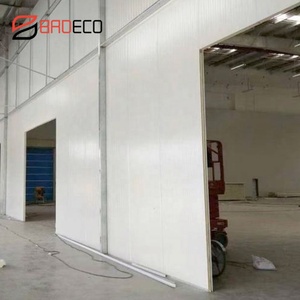
Single-slot interlocking internal partition panels tailored to divide multiple temperature zones inside multi-tenant cold warehouses without thermal crossover.
Fully sealed IP65/IP67 fanless touch interface terminal from 12 to 21.5 inches, built for warehouse management inside sub-zero environments without condensation failure.
Heavy commercial walk-in and blast freezer envelope packages custom-fabricated with 150mm–200mm high-index polyisocyanurate cores to eliminate refrigeration strain.
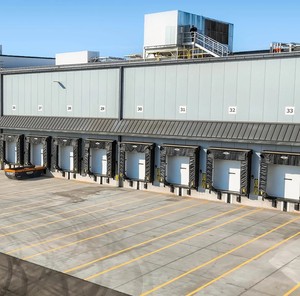
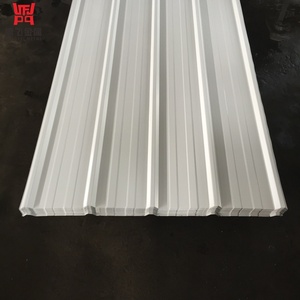
High-strength profiled color-coated steel sheets in RAL 9002 off-white, designed as external protective skins for cold warehouse exterior walls and structural roof deckings.
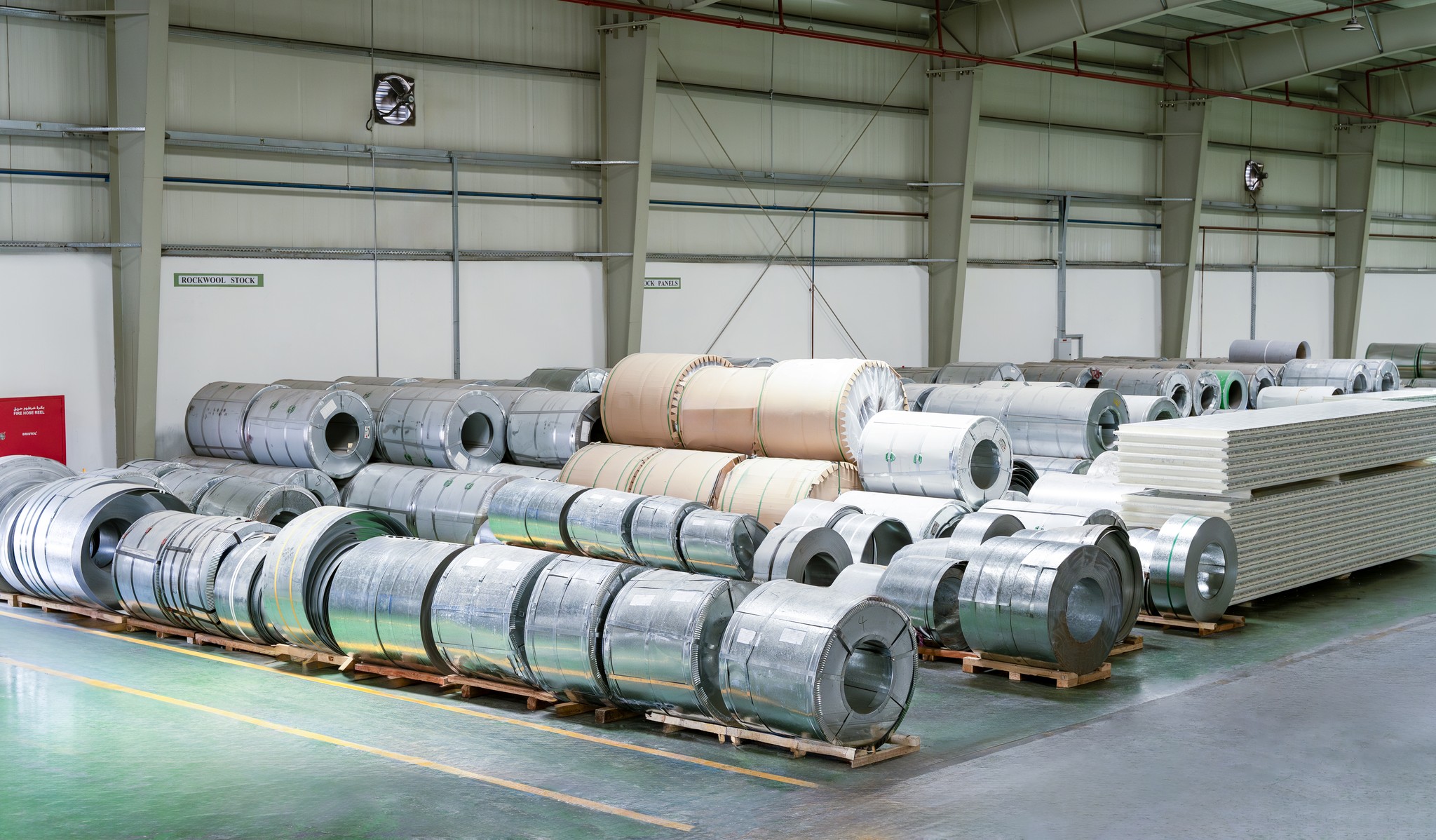
In modern high-capacity logistics engineering, the thermal integrity of the building envelope directly dictates commercial viability, operational lifecycle expenses, and carbon footprint. Operating out of sophisticated, continuous-line production facilities in Muscat, Oman, our manufacturing complex serves as an authoritative hub for PIR, PUR, and Rockwool sandwich panel manufacturing across the GCC (UAE, Saudi Arabia, Qatar, Bahrain, Kuwait) and the African continent. With an industrial production velocity reaching up to 10,000 m² per operational day, our plants remove the lead-time risks and freight vulnerabilities common to intercontinental maritime procurement.
Having successfully executed and delivered more than 550+ mission-critical infrastructure projects, our structural engineering team addresses the harsh environmental realities of desert and coastal microclimates. Exterior surface temperatures regularly exceed 50°C with solar radiation loads in excess of 1000 W/m², paired with relative ambient humidity levels climbing past 90% in coastal logistics zones. Panels produced for these zones must possess superior mechanical peel strength, minimal thermal bridging coefficient ($U$-values strictly verified below 0.14 W/m²K for deep freeze), and anti-corrosive chemical coatings rated C4 to C5-M under ISO 12944 protocols.
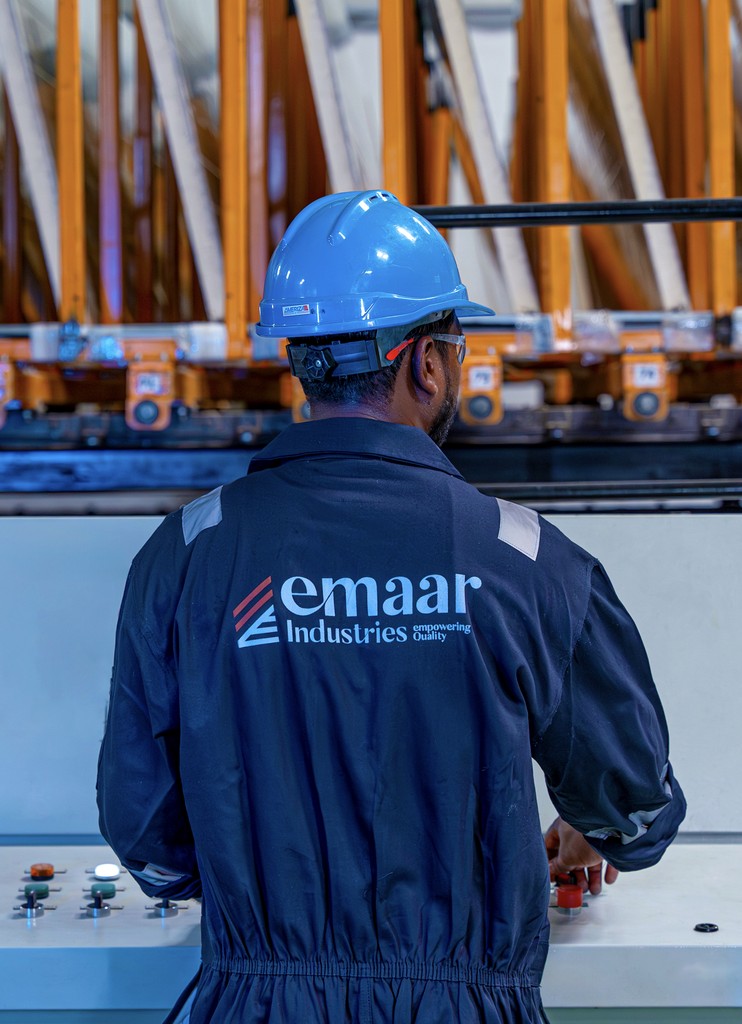
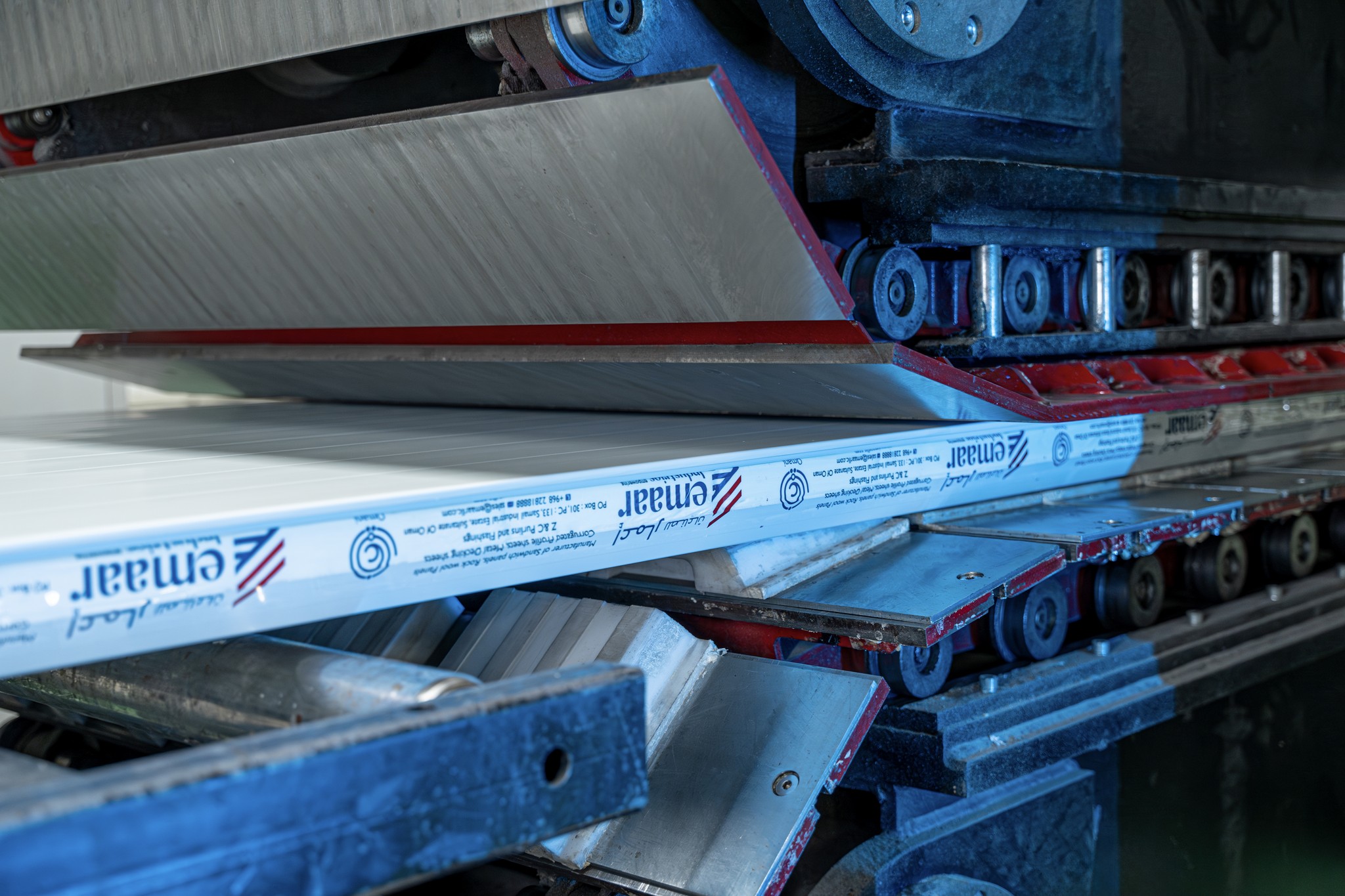
Automated Continuous Line
Cyclopentane Injection QA
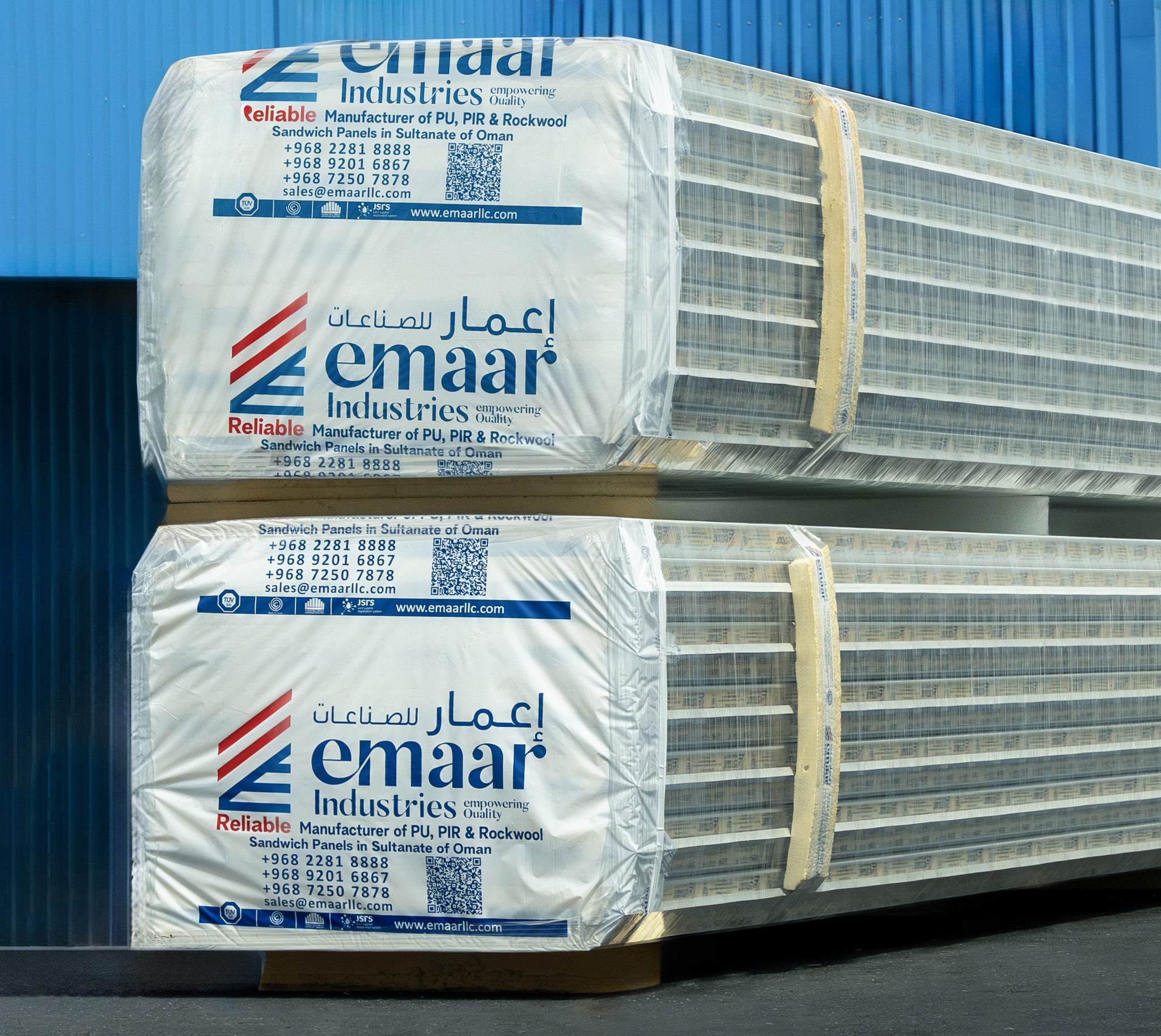
Export-Ready Crated Panels
Completed GCC Cold Center
Our complete structural envelope solution delivers end-to-end coherence: combining polyurethane/polyisocyanurate thermal barrier panels, cold-formed structural Z & C purlins, metal floor decking systems, and precision-bent corner flashings manufactured within the same ISO 9001 certified ecosystem. This consolidated single-source supply chain eliminates dimensional discrepancies between structural framing and envelope cladding, accelerating project commissioning by up to 35% on average.
2. Technological Milestones: The Evolution of Cold Chain Insulation
The manufacturing technology governing insulated sandwich panels has evolved past the limitations of legacy batch-pressed foam methods. Today, top-tier global exporters deploy 4th-generation continuous polyurethane and polyisocyanurate formulations designed around advanced chemical kinetics and environmentally benign blowing agents.
Cyclopentane & HFO Microcellular Foaming
Moving beyond HCFCs and HFCs, our continuous lines leverage environmentally sound cyclopentane and hydrofluoroolefin (HFO) blowing agents boasting Zero Ozone Depletion Potential (ODP = 0) and Global Warming Potential (GWP < 1). This delivers a closed-cell content exceeding 95% with microcellular pore diameter below 150 microns, ensuring initial thermal conductivity ($\lambda$) as low as 0.020–0.022 W/m·K with negligible thermal aging over 25+ years.
PIR Isocyanate Index & Fire Behavior
Polyisocyanurate (PIR) panels undergo continuous formulation with an isocyanate index ($I_{NCO}$) in excess of 250–300. When attacked by flame, the trimerization ring structure initiates an intumescent, self-shielding carbonaceous char layer. This fundamental thermodynamic stability yields strict compliance with ASTM E84 (Flame Spread Index < 25, Smoke Developed < 450) and EN 13501-1 Class B-s1, d0, meeting rigorous civil defence codes without requiring external deluge screens.
Hermetic Joint Geometry & Vapor Tightness
The primary point of failure in deep-freeze logistics is vapor drive driven by partial pressure differentials ($P_v$) up to 3.5 kPa between hot ambient exteriors and -25°C interiors. Our panels utilize deep-tongue labyrinth configurations paired with factory-injected continuous closed-cell EPDM elastomeric gaskets. Camlock-assisted systems deliver over 1.5 kN of mechanical tensile clamping force across every joint, completely halting vapor transmission.
Complementing physical sandwich structures is the integration of Industrial Panel PCs and embedded telemetry into refrigerated cold storage control panels. High-ingress IP65/NEMA 4X fanless terminals operate within the cold envelope to aggregate real-time thermal gradient data from embedded RTDs (Resistance Temperature Detectors). This prevents latent icing, alerts operators to micro-breaches in joint seal integrity, and balances refrigeration compressor sequencing.
3. Future Strategic Procurement Trends in Cold Chain Logistics
Procurement directors and EPC engineering consultancies are shifting their purchasing strategies from lowest initial material quote to Life Cycle Cost (LCC) and total thermal envelope efficiency. Over a standard 20-year warehouse operational lifecycle, electrical energy expenditures for refrigeration compression exceed initial capital expenditure (CAPEX) for panels and purlins by a factor of 8 to 1. Consequently, procurement decisions are now defined by three dominant industry dynamics:
A. Transition from EPS/XPS to High-Index PIR and Mineral Cores
Expanded Polystyrene (EPS) and Extruded Polystyrene (XPS) panels are rapidly becoming uninsurable for commercial warehousing due to catastrophic combustibility and rapid flame spread. Global property insurance syndicates (e.g., FM Global guidelines) consistently enforce heavy premium penalties or outright underwriting refusals on facilities utilizing non-charring polymers. Procurement trends across EMEA and the Americas demonstrate an 80%+ pivot toward continuous polyisocyanurate (PIR) and stone Rockwool panels, ensuring both civil defence sign-off and favorable insurance classifications.
B. Total Structural-Envelope Integration (Single-Source Contracting)
Procuring wall cladding from one exporter, cold room camlock panels from another, and structural secondary steel (Z/C purlins and decking) from a domestic vendor introduces fatal interface errors. Deflection tolerances of cold-formed purlins ($L/240$ vs. $L/360$) directly dictate whether panel joints flex, crack, or release thermal gas over time. Modern institutional developers demand single-source suppliers capable of delivering engineered structural envelopes: cold-formed purlins, composite deckings, flashings, and panels factory-matched under unified quality assurance certificates.
C. Decarbonization Mandates and Embodied Carbon Accounting
With ESG compliance and Green Building standards (LEED, BREEAM, Estidama) dictating access to institutional capital, thermal insulation procurement now requires third-party verified Environmental Product Declarations (EPDs). Specifiers reject blowing agents with high residual carbon footprints in favor of closed-loop cyclopentane systems. Concurrently, high-durability metallic coating substrates such as Aluzinc (55% Al, 43.4% Zn, 1.6% Si) and High-Durability Polyesters (HDP) replace traditional basic pre-painted steel to ensure envelopes achieve a 30-year design life without repaint or remediation cycles.
Engineering Guideline: Envelope Selection by Cold Chain Application Zone
Operational Temperature Zone
Target Internal Temperature
Recommended Core & Thickness
Vapor Barrier & Joint Configuration
Facing Steel Specification
Deep Blast Freezers
-35°C to -45°C
180mm – 200mm High-Index PIR
Dual Labyrinth Joint + Injected Butyl + Camlock
0.6mm PVDF coated steel or AISI 304 Stainless
Commercial Frozen Food Logistics
-18°C to -25°C
150mm PIR / PUR
Deep Tongue-Groove with Factory Neoprene Gasket
0.5mm RAL 9002 Food-Safe Plastisol or HDP
Chilled Produce / Meat Handling
0°C to +4°C
100mm – 120mm PUR / PIR
Standard Single-Slot Interlocking Tongue-Groove
0.5mm Pre-painted Galvanized (Zinc 180-275 g/m²)
Pharmaceutical Holding Suites
+15°C to +25°C (Controlled)
80mm – 100mm PUR / Cleanroom Camlock
Airtight Flush Profile with Antibacterial Joint Mastic
What is the fundamental engineering difference between PUR and PIR cores in cold logistics?
While both belong to the polyurethane family, Polyurethane (PUR) is synthesized with an approximately 1:1 molar ratio of isocyanate to polyol (Isocyanate Index ~100–110). In contrast, Polyisocyanurate (PIR) operates with a high isocyanate index (consistently above 250). This chemical excess induces trimerization reactions, establishing extremely strong isocyanurate ring bonds. Thermally, PIR yields an improved lambda value (~0.020–0.022 W/m·K) compared to PUR (~0.023–0.025 W/m·K). From a safety perspective, PIR forms an insulating carbon char when subjected to fire, drastically curbing flame spread and smoke release, whereas PUR melts and contributes to fire propagation without heavy flame retardant loading.
How do you prevent vapor drive and moisture ingress in low-temperature (-25°C) facilities?
Vapor drive is a thermodynamic phenomenon where vapor molecules travel from high vapor pressure environments (ambient warm exterior) toward low vapor pressure environments (sub-zero freezer room). The steel facings of the sandwich panels provide an absolute vapor barrier ($\mu \approx \infty$). Therefore, the joint represents the sole vulnerability. To seal this, our panels utilize deep tongue-and-groove geometry with factory-inserted closed-cell EPDM/Neoprene compression gaskets, supplemented during on-site installation with an unbroken bead of non-curing, non-hardening polybutene or butyl sealant applied on the warm vapor-drive side. For modular rooms, internal steel cam-locks deliver constant clamping pressure to ensure continuous joint hermeticity.
What is thermal drift, and how do continuous cyclopentane foaming panels mitigate long-term performance loss?
Thermal drift is the progressive increase in thermal conductivity ($\lambda$) over time caused by atmospheric air diffusing into the cellular foam structure while low-conductivity blowing agent gases diffuse outward. Because our continuous lines utilize impermeable prepainted galvanized steel or aluzinc skins adhered securely via high-pressure chemical bonding, the gas-permeation route is blocked across the face of the panel. Furthermore, our closed-cell ratio exceeds 95% with high-density cyclopentane-based cell structures, limiting thermal drift to less than 4% over a verified 25-year structural design lifecycle.
When should an engineer specify Rockwool sandwich panels instead of PIR panels in a cold logistics park?
Rockwool (stone mineral wool) core panels should be specified primarily for fire separation walls (firewall compartments requiring 1, 2, or 4-hour certified fire resistance), boiler/machinery plant rooms, charging areas, and zones requiring high acoustic attenuation. Because Rockwool possesses higher thermal conductivity ($\lambda \approx 0.040\text{ W/m}\cdot\text{K}$ compared to PIR’s $0.021\text{ W/m}\cdot\text{K}$), achieving equivalent thermal resistance requires nearly double the panel thickness. Thus, best practice in modern cold chain facility design involves a hybrid strategy: continuous PIR panels for all primary freezer and chiller building envelopes, integrated with Rockwool partition panels at fire division boundaries.
What steel surface treatments provide necessary resistance in coastal and marine desert environments?
For coastal desert industrial facilities (typical across the Arabian Gulf and coastal Africa), standard polyester paint finishes risk micro-blistering and corrosion under high UV and salt spray exposure. We recommend an Aluzinc metallic substrate (AZ150) or hot-dipped galvanization with a minimum zinc coating of Z275 (275 g/m²), paired with a 25–50 micron Polyvinylidene Fluoride (PVDF) coating or a 120–200 micron Food-Safe PVC Plastisol finish. For internal rooms with aggressive washdown protocols (such as meat, seafood processing, or pharma), 304 or 316 grade stainless steel facings provide absolute chemical and bacterial resistance.
How are continuous sandwich panels safely crated, shipped, and discharged for international export?
International export packaging is critical to eliminate corner deformation and surface abrasion. Panels leaving our Oman plant are covered with low-tack protective PE surface films, tightly interleaved, and palletized into robust bundles using heavy-duty EPS bottom dunnage runners, plastic edge-protector guards, and high-tensile heat-shrink plastic wrap. Bundles are systematically dimensioned for breakbulk flat-rack or 40-foot High Cube open-top and dry containers, engineered with designated sling points to allow rapid, undamaged overhead forklift or crane offloading at destination ports worldwide.
Procuring from a premier factory and exporter guarantees that delivered materials pass stringent structural audit protocols, consultant reviews, and municipal civil defence approvals. Every batch of continuous PIR, PUR, and Rockwool sandwich panels produced in our facilities undergo rigorous QA/QC inspection before export clearance, including:
Tensile Cross-Strength & Adhesion Testing: In accordance with EN 14509 standards, sample cuts from continuous production runs undergo mechanical testing to measure core-to-facing bond strength, confirming tensile resistance exceeds 0.12 MPa without delamination.
Dimensional Consistency & Camber Tolerances: Laser-guided flying saws and robotic profiling rolls maintain panel thickness tolerances within ±1mm, overall length within ±5mm, and squareness deviations below 2mm per meter of panel width, guaranteeing effortless joint mating during high-speed field installation.
Flame Retardant Chemical Verification: Inline GC/MS and density checks confirm precise isocyanate component dosing, verifying constant core density (40–42 kg/m³ for PIR) and uniform cell morphology free from voids, soft cores, or uncured zones across continuous panel lengths up to 16.5 meters.
Connect with Senior Cold Chain Engineering Specialists
Accelerate your submittal approvals with verified technical datasheets, CAD joint details, load-span calculation charts, and international export pricing. Request a complete technical portfolio or discuss custom manufacturing specifications for your cold storage project.