
Explore our core certified portfolio: high-insulation cold storage wall and ceiling systems, fire-rated core sandwich panels, heavy-duty insulated cold store doors, and structural building envelope accessories manufactured to European CE standards for Brazilian agro-industrial facilities.
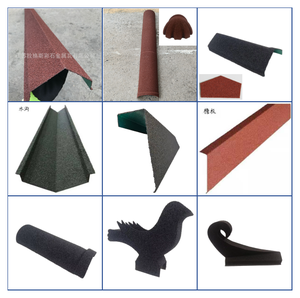
Hurricane-grade gable flashing, ridge caps, and eave boards designed to withstand severe convective tropical storms in Southern Brazil.
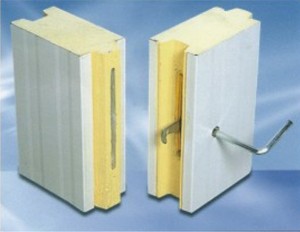
High-density Polyurethane core (42 kg/m³) with tight tongue-and-groove joints providing airtight condensation barriers down to -35°C.
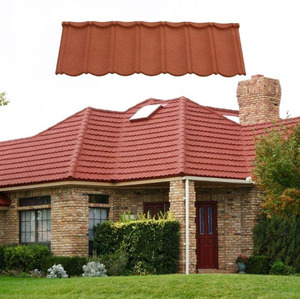
Galvalume-substrate corrosion-resistant exterior tiles, resisting UV degradation and severe thermal radiant gain in tropical Brazilian climates.
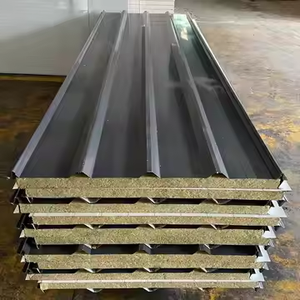
Non-combustible basalt mineral fiber sandwich panels delivering structural fire separation up to EI 120 for industrial processing sectors.
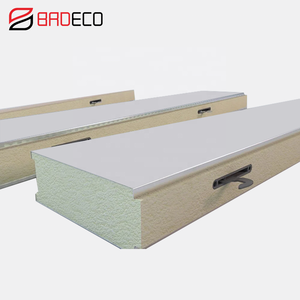
Integrated eccentric camlock fasteners with antibacterial food-safe coatings, engineered explicitly for ANVISA RDC 430 compliance.
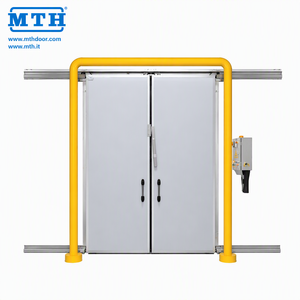
Heavy-duty insulated cold storage door featuring internal heating cables, emergency release, and hermetic perimeter double rubber gaskets.
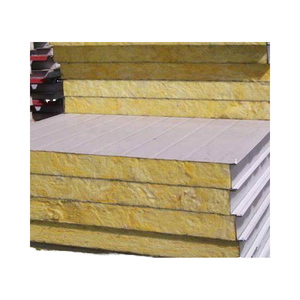
High-density oriented mineral core panels for steel warehouses and logistics cross-docks requiring certified passive acoustic and fire safety.
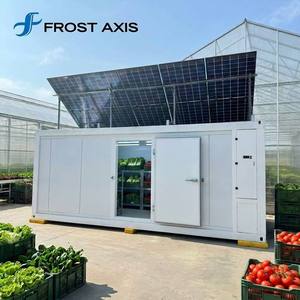
Off-grid automated cold room solution equipped with Copeland/Sanyo compressor integration for decentralized agricultural cold hubs.
Designing thermal insulation envelopes for the Brazilian federation demands an uncompromising understanding of extreme hygrometric stress. From the equatorial humidity of the Northern Arc (Amapá, Pará) to the sub-tropical maritime salinity of the Port of Santos and the intense heatwaves across the agribusiness belts of Mato Grosso and Goiás, temperature differentials ($\Delta T$) across building envelopes often exceed 45°C, accompanied by relative ambient humidity exceeding 85% to 95%.
Under these severe thermodynamic conditions, standard construction panels suffer interstitial vapor migration, joint condensation, thermal bridging, and delamination. Our CE-certified cold room sandwich panels utilize fourth-generation continuous injection technology, employing cyclopentane blowing agents that yield an ultra-fine microcellular structure with over 95% closed-cell content. This guarantees a stable long-term thermal conductivity of $\lambda = 0.020 - 0.022 \text{ W/m}\cdot\text{K}$, radically driving down refrigeration compressor run-hours and operational expenditures (OPEX).
Brazilian Regulatory Compliance Notice: Our manufacturing specifications meet and exceed European Standard EN 14509:2013 and correspond precisely with the thermophysical performance guidelines established under ABNT NBR 16626 (Reaction to Fire) and Ministério da Agricultura e Pecuária (MAPA) hygiene criteria for refrigerated protein facilities.
Each panel is fabricated with high-yield structural steel facings coated with continuous hot-dip Galvalume (AZ150) or pre-painted polyester/PVDF (25-35 microns), safeguarding the facility against surface mold proliferation, chemical washdowns, and high coastal atmospheric corrosivity categories (C3 through C5-M).
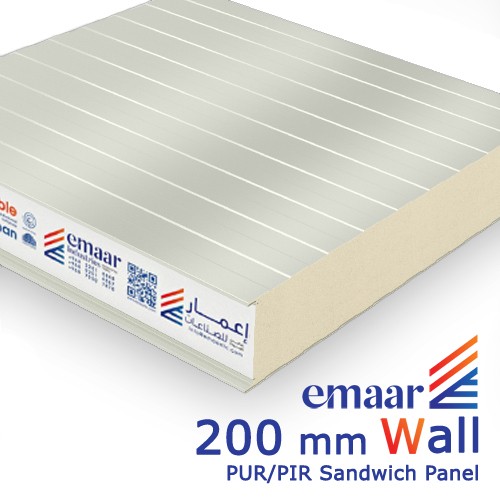
A rigorous empirical breakdown to assist Brazilian consulting engineers, cold store developers, and refrigeration contractors in selecting optimal core formulations and panel thicknesses.
| Insulation Core Type | Nominal Density ($\rho$) | Thermal Conductivity ($\lambda$) | Fire Classification (EN / ABNT) | Vapor Diffusion Resistance ($\mu$) | Recommended Brazil Applications |
|---|---|---|---|---|---|
| PIR (Polyisocyanurate) | $40 - 42 \text{ kg/m}^3$ | $0.021 \text{ W/m}\cdot\text{K}$ | B-s1, d0 (Self-extinguishing, low smoke) | $\mu > 55,000$ (Impermeable Barrier) | High-throughput distribution hubs, automated cold stores, meat export freezing tunnels. |
| PUR (Polyurethane Standard) | $38 - 40 \text{ kg/m}^3$ | $0.023 \text{ W/m}\cdot\text{K}$ | B2 / B3 (ABNT NBR 16626) | $\mu > 45,000$ | Commercial walk-in chillers, dairy staging centers, rural fruit processing stations. |
| Structural Basalt Rockwool | $100 - 120 \text{ kg/m}^3$ | $0.040 \text{ W/m}\cdot\text{K}$ | Class A1 / EI 60 to EI 180 (Non-combustible) | $\mu = 1$ (Breathable Core) | Fire-rated compartmentation walls, compressor plant rooms, port container yards. |
| Camlock Modular PUR | $42 - 44 \text{ kg/m}^3$ | $0.021 \text{ W/m}\cdot\text{K}$ | B-s2, d0 | $\mu > 60,000$ (Labyrinth Cam Gasket) | Pharmaceutical vaccine hubs (ANVISA RDC 430), modular walk-in cleanrooms, laboratories. |
Brazil represents one of the world's most dynamic cold chain arenas, driven by massive agribusiness protein production, an expanding pharmaceutical market, and port infrastructure modernization.
In beef and poultry slaughterhouse epicenters across Mato Grosso, Paraná, and Santa Catarina, slaughtering facilities operate continuous blast freezers at -40°C. Our 150mm–200mm continuous PIR panels eliminate vapor drive through the envelope, resisting aggressive daily enzymatic washdowns, caustic sodas, and foaming sanitation cycles mandated by Federal Inspection Service (SIF/MAPA) regulations.
Ports of Santos, Paranaguá, and Itajaí experience high atmospheric salinity (C4/C5 marine conditions) paired with intense radiant sun exposure. Our sandwich panels feature specialized zinc-aluminum alloy coatings and 304 food-grade stainless skins. Specially designed overlapping joint ribs prevent water ingress caused by coastal torrential precipitation and storm surges, ensuring zero moisture penetration into the insulation core.
The biomedical axis of São Paulo, Campinas, and Rio de Janeiro requires strict +2°C to +8°C cold rooms and ultra-low -80°C deep freezers. Our camlock modular panels provide flush internal wall surfaces with silicone-free food-safe dry seals. This zero-cavity joinery design prevents mold, bacteria, or particulate accumulation, meeting the strictest traceability and thermal stability norms governed by ANVISA.
Key economic, structural, and regulatory drivers accelerating the transition toward high-efficiency sandwich panel envelopes across the Brazilian continent.
With Brazil's industrial electricity tariffs subject to hydrological flag rates (Bandeiras Tarifárias), facilities are replacing aging EPS walls with PIR/PUR panels to slash refrigeration power draw by 28% to 35%.
Global insurance syndicates operating in Brazil (FM Global, IRB Brasil RE) increasingly reject non-retardant EPS cores. The rapid adoption of certified PIR (B-s1, d0) and Rockwool panels is mandatory to achieve insurable risk ratings.
New multi-modal logistics terminals in Pará, Maranhão, and Tocantins demand modular, rapidly erectable insulated envelopes to handle booming fresh produce and frozen protein flows heading to European and Asian markets.
Cold storage roofs across the Brazilian Northeast are being engineered with high-yield steel trapezoidal sandwich profiles capable of carrying high distributed photovoltaic (PV) array loads to support off-grid net-zero chillers.
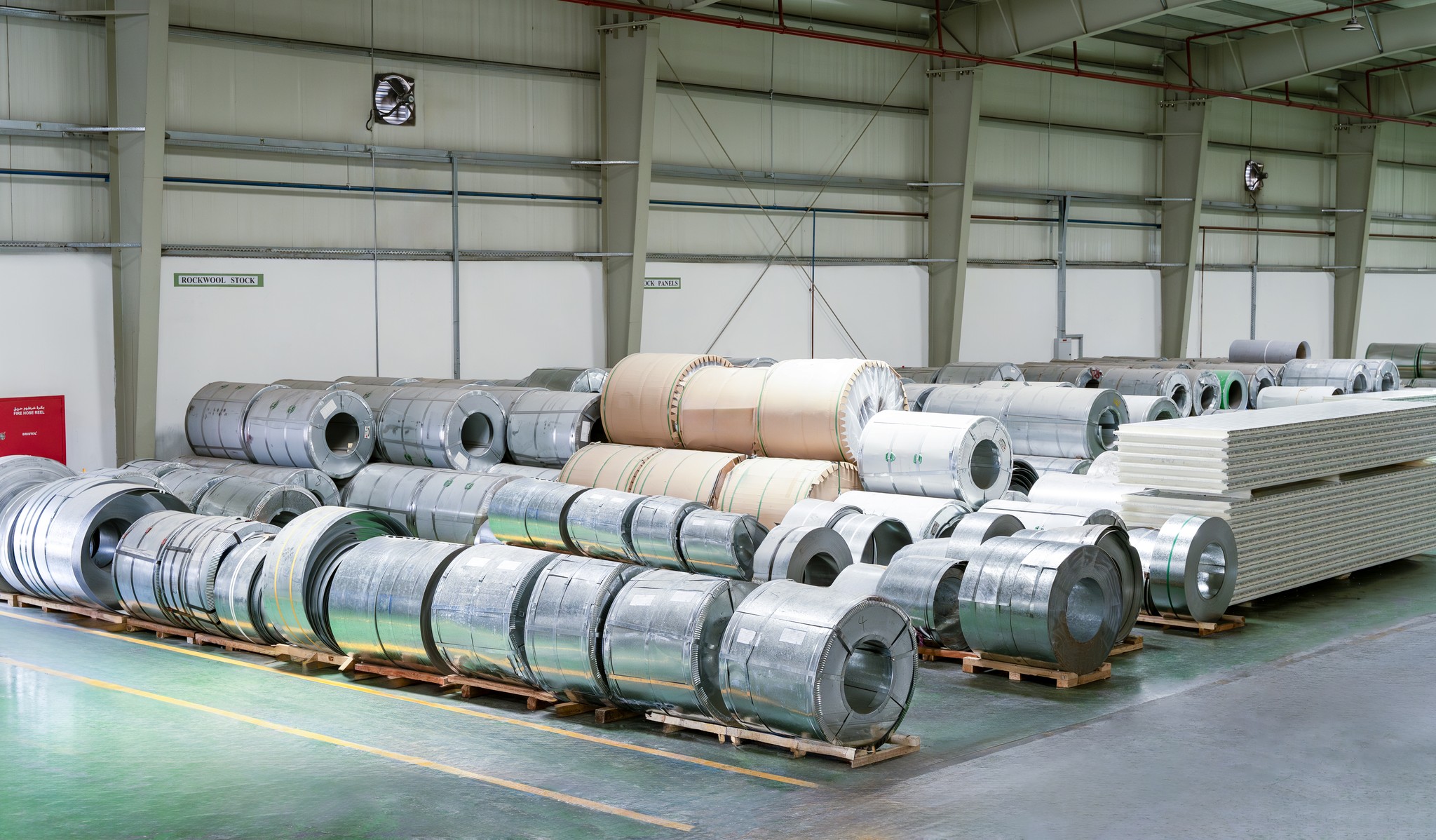
Our continuous manufacturing facility operates high-pressure computerized dosing systems, a 42-meter dual-caterpillar laminator, and precision roll-formers capable of generating panels in customized lengths up to 18 meters. Each batch undergoes rigorous laboratory peel-testing, density verification, compressive load testing, and dimensional tolerance checks exceeding EN 14509 standards.
We combine heavy roll-forming capacity with deep secondary cold-rolled steel profiling (Z and C purlins, metal floor decking, and customized flashings). This enables us to provide a fully synchronized, complete building envelope solution directly to Brazilian general contractors and cold store builders, eliminating intermediate distributor margins and dimensional mismatches on site.
Full manufacturing compliance documentation and third-party fire certificates ready for municipal and fire department (Corpo de Bombeiros) approvals in Brazil.
Direct maritime container loading (40ft High Cube) with specialized protective films, moisture-barrier wrapping, and corner guards for safe arrival at Santos or Paranaguá.
From 50mm cleanroom partitions to 200mm cryogenic freezer walls, all manufactured with millimetric precision to eliminate on-site cutting waste.

Essential regulatory, technical, and customs clarifications for procurement managers, structural consultants, and cold chain contractors importing sandwich panels into Brazil.
European standard EN 14509:2013 is recognized globally as one of the most comprehensive benchmarking methodologies for double-skin metal face insulated sandwich panels. In Brazil, structural and fire safety consultants (along with state Corpo de Bombeiros regulations) require proof of reaction-to-fire under ABNT NBR 16626 or equivalent international fire test ratings (such as EN 13501-1 or ASTM E84). Our PIR panels deliver certified Class B-s1, d0 performance, fulfilling Brazilian national municipal requirements for commercial and agro-industrial facilities without friction.
Cold room sandwich panels with rigid polyurethane/polyisocyanurate cores faced with sheet steel are commonly classified under NCM code 9406.90.20 (Prefabricated buildings with metal structural framework) or 7308.90.10 (Structures and parts of structures of iron or steel). Mineral wool / rockwool core panels frequently fall under 7308.90.90. We provide precise descriptive packing lists, commercial invoices, and Mill Test Certificates (MTC) customized to your despachante aduaneiro (customs broker) requirements to ensure swift Siscomex clearance.
Condensation occurs when the external surface temperature of the panel drops to or below the dew point of the ambient air. In regions like Belém, Manaus, or Santos, where relative humidity often stays above 90%, thermal bridging at panel joints is fatal. Our panels feature tight male-female labyrinth joints engineered with integrated, factory-applied elastomeric gaskets. When combined with our continuous high-density PIR/PUR core ($\mu > 50,000$), moisture migration into the joint is physically arrested, preventing mold germination and condensation drips.
For standard food logistics chillers located inland, a 25µm pre-painted polyester coating over continuous hot-dip Galvalume (AZ150) or galvanized steel (Z275) is optimal. For maritime zones near the Port of Santos or Itajaí (C4/C5 corrosive classes) or inside beef slaughterhouses that perform daily pressurized sanitization with foaming chlorinated cleaners, we recommend Polyvinylidene Fluoride (PVDF 35µm) or interior facings fabricated from Food-Safe AISI 304/316 Stainless Steel.
Continuous line panels can be rolled to lengths up to 18 meters, minimizing horizontal joins across tall warehouse walls and drastically accelerating construction times for large distribution centers (CDs). Conversely, camlock modular panels are factory-formed with internal eccentric male-female hooking mechanisms, making them the superior choice for compact walk-in freezers, cleanrooms, and medical biological cold rooms where construction must occur inside an existing shell without through-bolts or visible screws.
All panels are bundled with peelable UV-resistant protective polyethylene film on both skins. Bundles are supported by high-density expanded polystyrene blocks, wrapped in heavy-duty shrink-plastic with corner edge protectors, and loaded into 40-foot High Cube (40HC) ocean containers with integrated textile slings and desiccant packs to prevent moisture condensation during the multi-week crossing of the South Atlantic.
Send our technical team your project drawings, thermal parameters, or bill of quantities (BOQ). Our bilingual engineering team will provide rapid thermal thickness calculations, span load recommendations, and containerized pricing delivered directly to your port of choice.
Our sales engineers respond to project questions during working hours (GST+4).