
Manufactured on precision roll-forming and high-pressure automated continuous foaming lines, delivered factory-direct to Colombo Port, Hambantota Free Port, and BOI Export Zones.
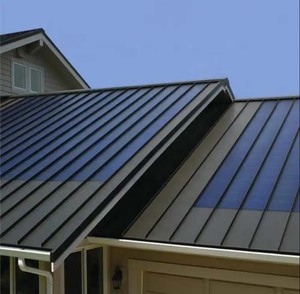
Concealed-fastener standing seam structural profiles designed for high-salinity coastal climates in Colombo and Hambantota, eliminating roof screw penetrations and water ingress.
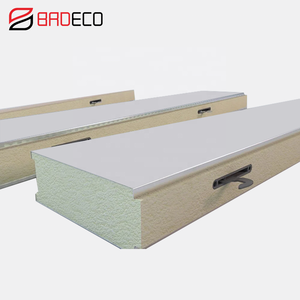
High-density polyurethane insulated panels with pre-embedded eccentric cam-lock hooks, maintaining sterile, climate-tight environments for biomedical warehouses in Sri Lanka.
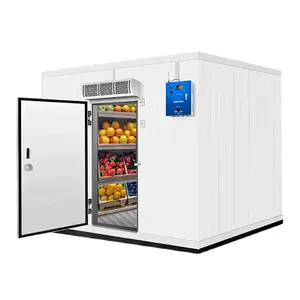
Specialized low-temperature insulated modular envelopes engineered for Negombo and Galle seafood processors and highland vegetable cold-chain preservation.
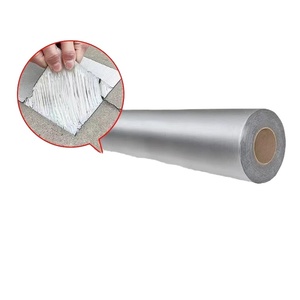
Heavy-duty elastomeric butyl rubber sealing tape with pure aluminum reflective backing, resilient against intense tropical UV degradation and monsoonal downpours.
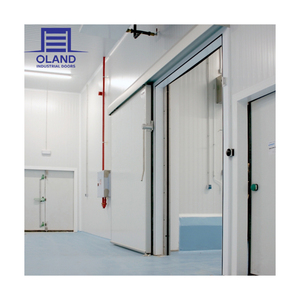
Heavy-duty electric industrial sliding door with double-gasket perimeter sealing and internal heating cables to prevent icing in deep freeze logistics hubs.
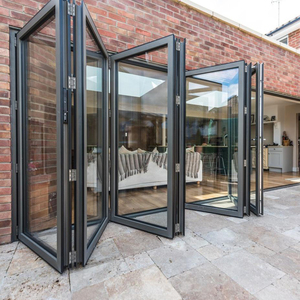
Architectural thermal-break bi-fold door systems engineered for eco-resorts, luxury villas, and modern corporate headquarters in Colombo Port City and Kandy.
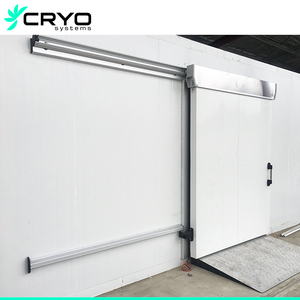
Engineered manual and sliding airtight access doors featuring anti-corrosion stainless steel or Aluzinc facings, certified for strict food and pharma hygiene regimes.
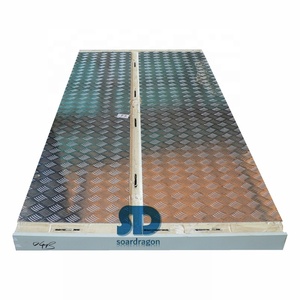
Reinforced checker-plate 100mm floor panels with high-density polyurethane cores, delivering thermal bridging resistance and heavy pallet forklift load capacities.
Procuring building envelope systems in Sri Lanka requires an uncompromising approach to materials science. Situated in the equatorial belt of the Indian Ocean, Sri Lanka experiences a unique hyper-tropical microclimate defined by bi-annual monsoons—the Southwest Monsoon (Yala) from May to September and the Northeast Monsoon (Maha) from December to February. This dynamic meteorological reality generates sustained ambient temperatures between 28°C and 34°C, persistent relative humidity averaging 75% to 92%, and intense solar radiation characterized by elevated ultraviolet indices (UV index 11+).
Historically, industrial developers across the Western Province and Central Highlands relied on heavy, brittle fiber-cement or basic galvanized corrugated iron (GI) sheeting. However, the aggressive airborne salinity of coastal economic zones like Colombo Port, Katunayake FTZ, and Hambantota rapidly degrades unalloyed zinc layers, initiating galvanic corrosion at fastener penetrations and laps within 24 to 36 months. As modern engineering benchmarks shift toward long-term lifecycle durability, Aluzinc (55% Aluminum, 43.4% Zinc, 1.6% Silicon) coated corrugated metal panels and continuous polyisocyanurate (PIR) and mineral rockwool composite panels have emerged as the definitive standard for industrial, agricultural, and logistics architecture across the island.
| Substrate / Panel System | Yield Strength & Thickness | Protective Coating Options | Thermal & Acoustic Values | Corrosion Category (ISO 12944) | Ideal Sri Lankan Deployment |
|---|---|---|---|---|---|
| AZ150 Standing Seam Profile | G550 Structural Steel / 0.50–0.60mm | PVDF Kynar 500 (25µm top / 10µm back) | Solar Reflectance Index (SRI) > 78 | C4 to C5-M Coastal | Colombo Port City, Hambantota Maritime Logistics, Galle Shipyards |
| Trapezoidal Box Corrugated Panel | G300–G550 High-Tensile / 0.45–0.55mm | Super Durable Polyester (SMP) / HDP | High acoustic damping with liner trays | C3 to C4 Industrial | BOI Garment Hubs (Biyagama, Seethawaka), General Warehouses |
| Continuous PIR Composite Panel | 0.5mm Pre-painted Aluzinc / 50–150mm Core | Food-Safe Plastisol (120µm) or SMP | λ = 0.020 W/m·K | U-Value: 0.14 W/m²K | Interior Hygienic / Exterior C4 | Pharma Cleanrooms (Horana), Export Seafood Cold Stores (Negombo) |
| Structural Rockwool Sandwich Panel | 0.6mm Galvanized / 80–200mm Core | Polyester (PE) or PVDF | A1 Non-Combustible | Sound Loss Rw = 32dB | C3 Fire Compartment | Orthodox Tea Withering Lofts (Nuwara Eliya), Heavy Plant Enclosures |
From the high-humidity coastal ports of Colombo to the mist-covered elevations of the central highlands, our metal building components are tuned to localized microclimatic demands.
Sri Lanka's multi-billion dollar apparel sector (Katunayake, Biyagama, Mirigama) operates under strict international brand audit mandates (LEED Gold/Platinum and WELL Building Standards). In these massive production plants, uninsulated roofs cause radiant thermal loading, spiking HVAC operating expenditures and reducing worker productivity. Our continuous PIR insulated trapezoidal panels attenuate solar heat flux by up to 75%, establishing constant indoor ambient operating conditions while dampening the deafening acoustic resonance generated by tropical monsoon deluges.
Concentrated in coastal export nodes such as Negombo, Beruwala, and Galle, Sri Lanka’s yellowfin tuna and aquaculture exporters require hermetic cold-chain performance from blast freezing (-40°C) to transit holding (-20°C). Our tongue-and-groove camlock polyurethane panels, coupled with stainless steel insulated sliding doors and anti-slip aluminum floor sections, prevent thermal bridging, surface condensation, and fungal germination, guaranteeing compliance with stringent European Union hygiene import directives.
Orthodox and CTC black tea factories across Nuwara Eliya, Kandy, and Ratnapura operate in high-altitude terrain prone to persistent valley mist and acidic moisture generated during bio-chemical leaf withering. Ordinary zinc coatings perish swiftly under acidic moisture cycles. Our specialized AZ150 Aluzinc substrates treated with multi-layer high-durability polymer resin resist atmospheric organic acids while providing the non-combustible fire protection necessary to protect century-old timber framework facilities.
Sri Lanka's strategic placement along main international shipping channels has spurred extensive freeport container freight stations, dry ports, and transshipment terminals. Directly exposed to severe coastal winds and saline sea spray (ISO 12944 C5-M environment), these wide-span portal frames require 360-degree mechanically seamed standing seam roofing profiles. With continuous rib heights of 65mm and no pierced fasteners, our systems withstand cyclonic uplifting pressures surpassing 2.4 kPa while ensuring 100% watertight structural envelopes across 60-meter spans without intermediate transverse overlaps.
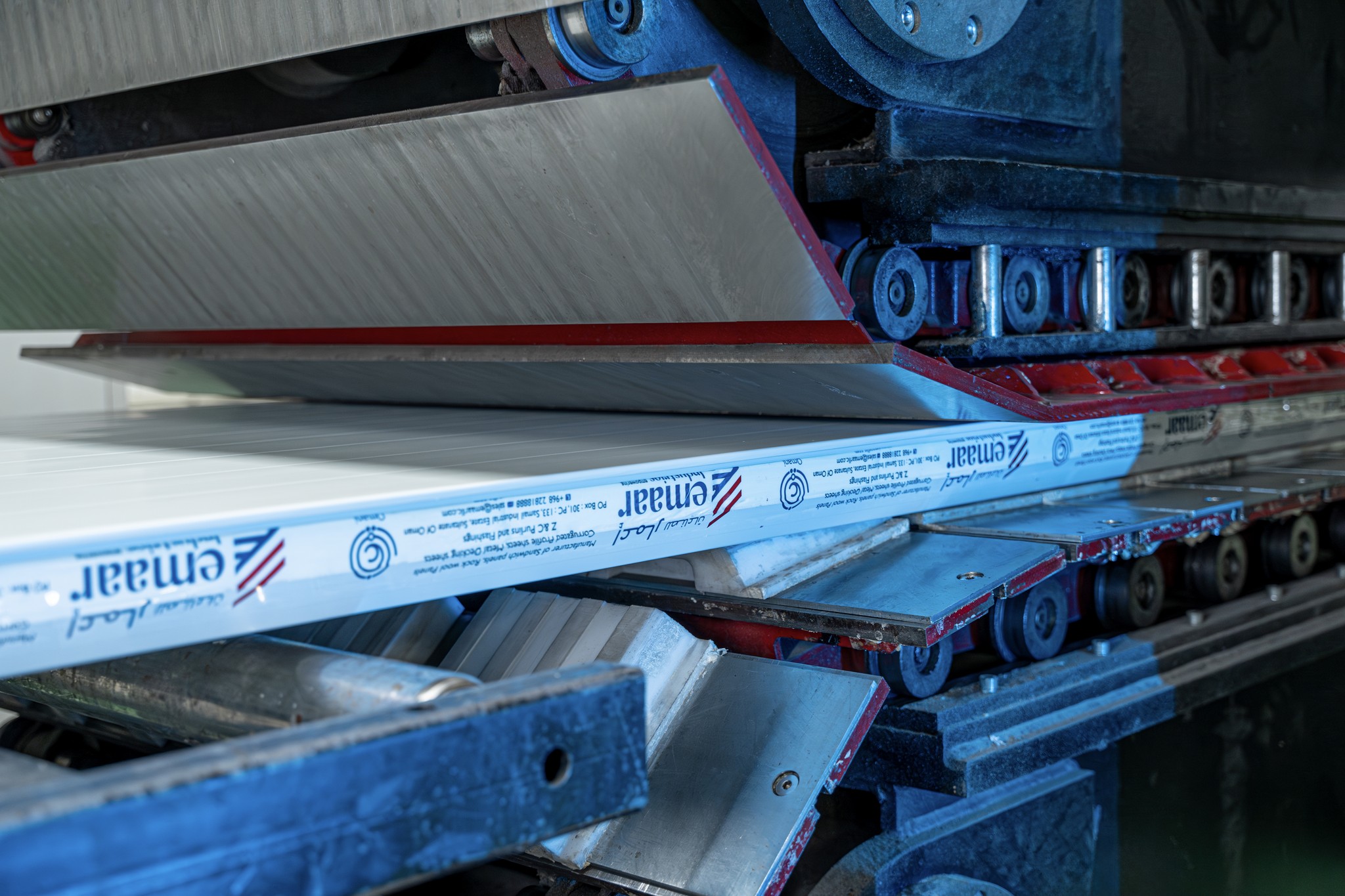
State-of-the-art continuous roll-forming lines, automated polyisocyanurate foaming, and stringent quality inspection ensuring international compliance.
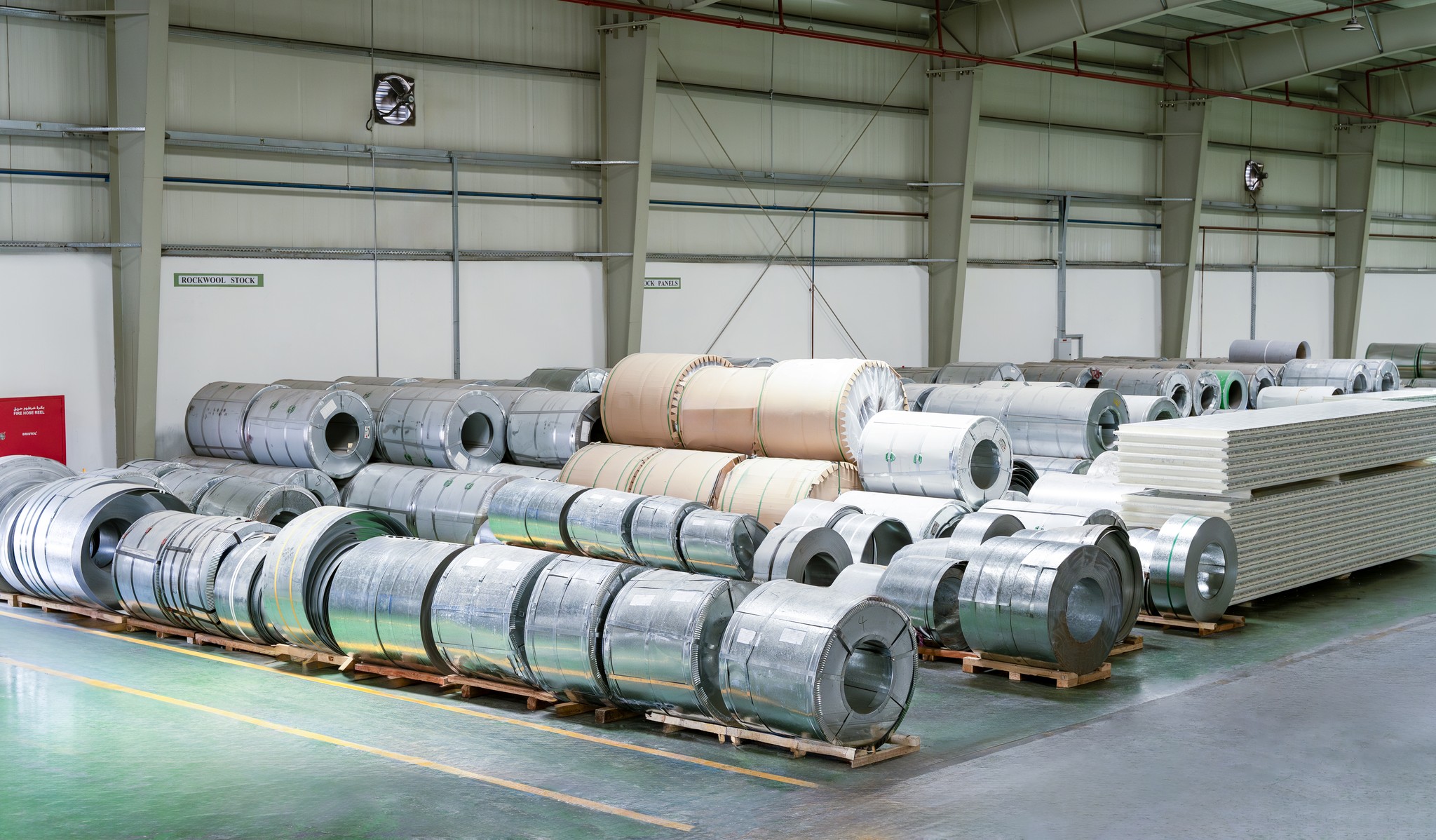
The commercial construction sector in Sri Lanka is undergoing a strategic renaissance. As the nation intensifies export manufacturing and modernizes logistics frameworks, procurement specifications are pivoting decisively from initial acquisition cost toward 30-year Total Cost of Ownership (TCO). Four fundamental engineering trends are redefining project requirements across the country:
Under revised industrial fire regulations endorsed by municipal fire departments and multinational underwriters (such as FM Global), combustible EPS core panels are being phased out. Polyisocyanurate (PIR) features a ring-shaped molecular structure that forms a carbonaceous char layer when exposed to flames, preventing flame propagation, producing minimal smoke, and achieving ASTM E84 Class A certification.
With Sri Lanka's escalating commercial electricity tariffs, factory operators in Katunayake and Ekala are converting factory rooftops into clean energy assets. Standing seam profiles allow mounting photovoltaic arrays using non-penetrating aluminum clamps. This completely preserves roof envelope integrity, eliminating water leakage pathways while sustaining load ratings during peak tropical monsoon seasons.
To combat urban heat island effects and fulfill green certification (GBCSL) standards, developers specify cool-roof finishes. Premium PVDF coatings formulated with complex inorganic ceramic pigments provide an SRI above 82. This drops roof surface temperatures by up to 22°C compared to conventional galvanized sheets, substantially lowering indoor heat transfer.
According to CP3 Chapter V wind load provisions and updated disaster mitigation standards in Sri Lanka, coastal structures across Jaffna, Trincomalee, Batticaloa, and Kalutara must withstand peak gust wind velocities reaching 45 to 55 m/s. Our corrugated profile profiles feature optimized rib crest geometry and reinforced steel tensile grades (up to 550 MPa) that expand purlin spacing to 1.8m while retaining a structural safety deflection limit of L/200 under cyclonic dead and live load combinations.
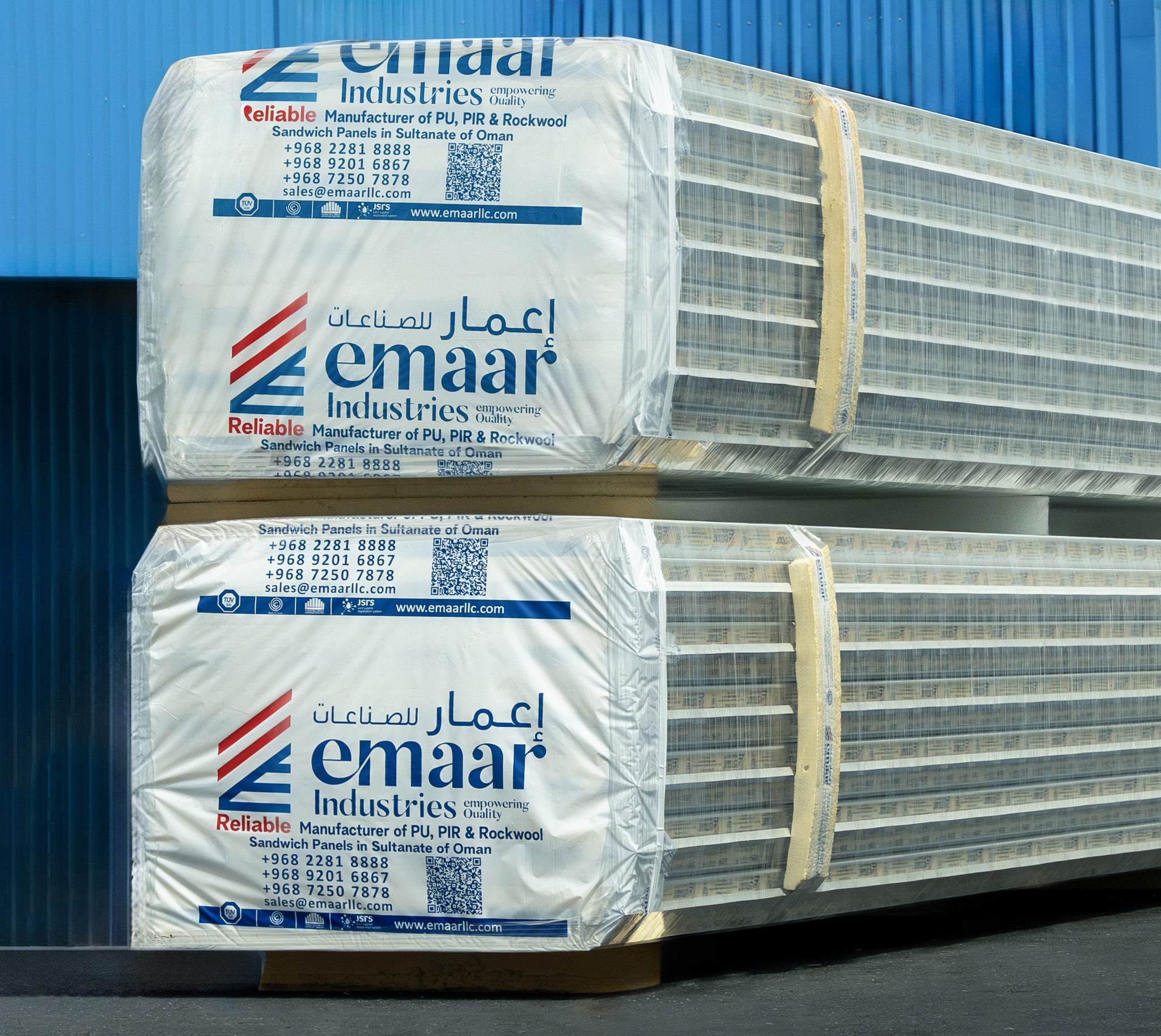
Combining heavy-industrial automated continuous production lines with direct sea-freight logistics straight into the Port of Colombo.
Equipped with continuous double-belt foaming plants delivering micron-level panel thickness tolerances, ultra-dense core consistency, and high-pressure chemical metering.
Direct Indian Ocean maritime shipping corridors ensure rapid container transit times to Colombo Port (10–14 days), streamlining fast-track project schedules.
Every shipment is supported by Mill Test Certificates (MTC), ASTM A792 coating mass verification, ASTM E84 / EN 13501 fire classifications, and factory QA signoffs.
Our dedicated technical desk reviews contractor CAD shop drawings, calculates purlin layouts, optimizes container nesting configurations, and supplies matched flashings.
Detailed technical, regulatory, and logistics clarifications for project engineers, procurement officers, and structural consultants.
Whether you are engineering a high-throughput logistics center in Colombo, an apparel manufacturing plant in Katunayake, or a seafood cold storage terminal in Galle, our engineering desk is ready to review your project drawings, structural spans, and thermal specifications.
Send an InquiryOur sales engineers respond to project questions during working hours (GST+4).