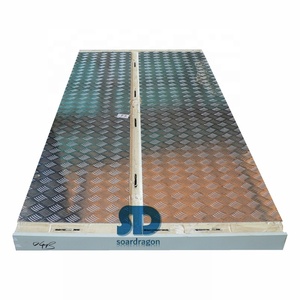
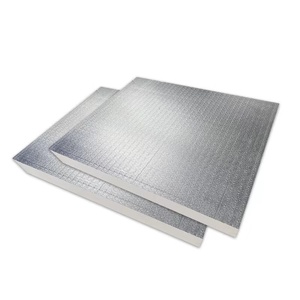
Precision-manufactured with continuous lamination technology, high-density PIR/PUR cores, and marine-grade anti-corrosive prepainted galvanized steel skins (DX51D+Z275/AZ150) conforming to EN 14509 and ISO 9001 quality frameworks.
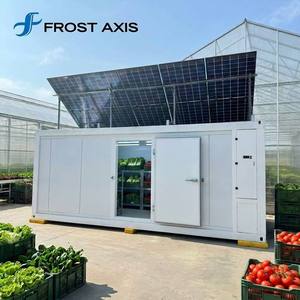
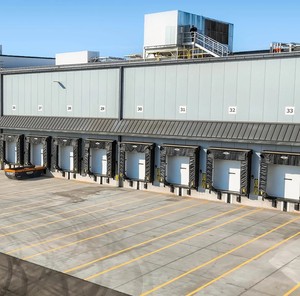
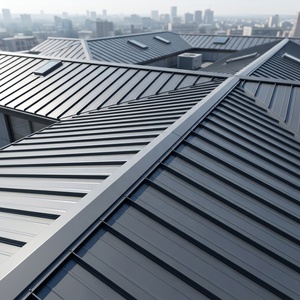
Analyzing how rigorous building physics, the Algerian National Energy Efficiency Plan (PNME), and regulatory structural codes dictate wall cladding specifications from Algiers to Hassi Messaoud.
Inland Algeria, spanning the High Plateaus (Hauts Plateaux) and the northern Sahara, experiences extreme diurnal temperature swings exceeding 35°C within a single 24-hour cycle. Traditional masonry wall facades suffer from micro-fissuring, unmitigated expansion joints, and rapid thermal transfer. Polyisocyanurate (PIR) insulated wall cladding creates a continuous, high-resistance envelope that eliminates cyclic fatigue while reducing HVAC compressor run-times by up to 42% in heavy ambient conditions exceeding 48°C.
Industrial compliance in Algerian Wilayas mandates adherence to Algerian Civil Protection decrees and Document Technique Réglementaire (DTR) fire load parameters. Standard expanded polystyrene (EPS) or low-index PUR cores present unacceptable flame-spread risks. Our continuous-line PIR formulations feature high isocyanurate index chemistry (>300%), yielding self-extinguishing char layers, low smoke opacity (s1), and zero flaming droplets (d0) in full alignment with Euroclass EN 13501-1 (B-s1,d0). For hydrocarbon installations, structural Rockwool systems offer A2-s1,d0 non-combustibility.
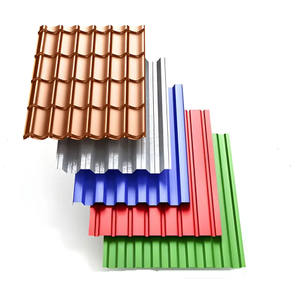
Algeria's major economic industrial clusters—spanning the coastal cities of Algiers, Oran, Béjaïa, Skikda, and Annaba—are classified under ISO 12944 atmospheric corrosivity category C4 to C5-M (Marine). Standard polyester coil coatings exhibit blistering and cut-edge zinc oxidation within 3 to 5 years. We equip insulated wall panels with high-build 50μm Polyvinylidene Fluoride (PVDF) or High-Durability Polyurethane (HDP) on a minimum Z275 hot-dip galvanized or AZ150 zinc-aluminum substrate, ensuring a 25+ year service life against salt fog and UV radiation.
Southern and Saharan project sites face frequent high-velocity Sirocco wind storms carrying abrasive silica dust at speeds surpassing 120 km/h. Panel joint engineering must resist both micro-particulate infiltration and severe wind suction pressures (negative wind loads). Our concealed-fixing architectural wall panels utilize precision tongue-and-groove geometry with integrated factory-applied butyl sealants, ensuring complete hermetic tightness, zero air leakage (Class 4 according to EN 12207), and robust resistance against mechanical shear fatigue.
A definitive physical performance comparison for civil engineers, mechanical consultants, and Algerian industrial developers selecting the ideal core configuration.
| Insulation Core Type | Thermal Conductivity (λ) | Euroclass Reaction to Fire | Compressive Strength | Moisture & Vapor Resistance | Algerian Recommended Zone |
|---|---|---|---|---|---|
| Continuous PIR (Polyisocyanurate) | 0.020 – 0.022 W/m·K | B-s1, d0 (Self-Extinguishing) | 140 – 180 kPa (High Rigidity) | Closed Cell >95%, Impervious | All Wilayas: Agro-Cold Chain, Warehouses, Pharma |
| PUR (Rigid Polyurethane) | 0.024 – 0.026 W/m·K | B-s2, d0 / C-s2, d0 | 120 – 150 kPa | Closed Cell >90%, High Resistance | General Industrial Dry Storage, Agricultural Sheds |
| Structural Rockwool (Mineral Fiber) | 0.038 – 0.042 W/m·K | A2-s1, d0 (Non-Combustible) | 80 – 110 kPa (Perpendicular) | Hydrophobic Treated, Vapor Permeable | Hassi Messaoud, Skikda Refineries, Power Stations |
| Phenolic Foam (PF Core) | 0.018 – 0.020 W/m·K | B-s1, d0 (Near Zero Smoke) | 100 – 130 kPa | High Vapor Shield with Alu-Foil | Deep-Freeze Sub-Slabs, Precision Cleanrooms |
Tailored building envelope and cold storage solutions engineered specifically to address regional microclimates, operational demands, and logistical corridors in Algeria.
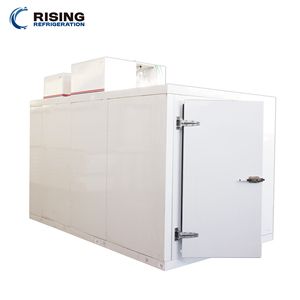
Algeria's intensive agricultural expansion in Biskra (Deglet Nour date packaging), Mascara, and the fertile Mitidja basin demands precision post-harvest refrigeration. Fluctuations in relative humidity and ambient temperatures destroy produce viability.
Impact: Lowers post-harvest spoilage by 38% and cuts refrigeration compressor load during peak summer harvests.
Coastal shipping terminals and heavy industrial zones around the Port of Algiers, Port of Djendjen (Jijel), and Arzew face persistent marine moisture, chlorine mist, and industrial sulfur emissions requiring resilient exterior claddings.
Impact: 25-year design envelope life without surface repainting or corrosion degradation in C4 marine zones.
The southern oil and gas concessions operate under harsh Saharan solar bombardment, ambient temperatures exceeding 52°C, and stringent safety criteria established by Sonatrach and international energy operators.
Impact: Guaranteed life-safety fire resistance barriers and comfortable worker habitations with minimal AC power draw.
Operating continuous double-belt automated lamination machinery, our manufacturing plants output up to 10,000 square meters of precision insulated panels every day. With over 550 turnkey industrial projects supplied across the GCC and African markets, we maintain dedicated export logistics directly servicing the ports of Algiers, Oran, and Djendjen.
Guarantees uniform core density (40-42 kg/m³), optimal cellular uniformity, and zero localized air cavities.
Furnishing factory test reports, mill test certificates, structural span tables, and civil defence compliance papers.
Streamlined containerized and breakbulk vessel shipping lines ensure predictable delivery cycles to northern Algerian ports.
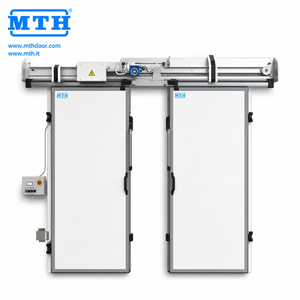
Supplying insulated panels, structural cold-rolled Z/C purlins, aluminum vapor check floors, and motorized sliding doors from one manufacturer.
Key considerations covering Algerian import regulations, banking documentation (Credoc), mechanical span design, thermal physics, and installation best practices.
Traditional Algerian hollow brick construction with plaster reaches a high U-value of approximately 1.2 to 1.6 W/m²·K, allowing enormous solar heat gain during hot summer months. In contrast, an 80mm PIR sandwich wall panel achieves a U-value of 0.26 W/m²·K—a 500% thermal efficiency increase. Furthermore, lightweight sandwich panels reduce structural dead loads on foundation piles, speed up assembly timelines by up to 70%, and eliminate moisture penetration caused by wet mortar joints.
We provide full documentation required by the Bank of Algeria and Algerian Customs (Douane Algérienne). This includes validated Commercial Invoices, clean on-board Ocean Bills of Lading, Certificates of Origin issued by the Chamber of Commerce, Packing Lists with detailed net/gross metrics, Certificate of Free Marketing in Country of Origin (Certificat de Libre Commercialisation), Mill Test Certificates (MTC) conforming to EN 10204 3.1, and third-party laboratory fire test reports.
For southern agricultural hubs where summer outdoor temperatures consistently reach 45°C to 50°C, chilled storage (0°C to +4°C) requires a minimum 100mm to 120mm high-density PIR wall and ceiling envelope. For deep-freeze applications (-18°C to -25°C), we recommend 150mm to 200mm panels with tongue-and-groove labyrinth joints and integrated thermal break gaskets to prevent frost formation and eliminate thermal bridging.
Yes. For coastal locations within 5 km of the sea (e.g., Algiers, Oran, Skikda, Béjaïa), standard 25μm PE coatings are prone to salt degradation. We engineer coastal panels with 50μm PVDF (Polyvinylidene Fluoride) coatings or high-build polyurethanes over a heavy hot-dip zinc coating (Z275 g/m²). This finish withstands 1,000+ hours in salt spray testing (ASTM B117) and offers exceptional color retention under high ultraviolet exposure.
Span capability depends on panel thickness, core type, and localized wind suction pressures calculated in accordance with Algerian DTR rules. For standard 80mm PIR wall panels subject to a standard wind load of 0.8 kN/m², safe purlin spacing spans between 2.8m and 3.5m in multi-span configurations. Our engineering technical team provides project-specific structural deflection load calculations (L/200 limit state) for all client submissions.
Each panel is manufactured with an adhesive protective PE film on both steel faces. Stacks are organized by length, separated by high-density expanded polystyrene spacers, and enclosed in heavy-gauge UV-resistant polyethylene shrink-wrapping with reinforced corrugated edge guards. Packages are timber-palletized to allow fast, damage-free offloading with standard telehandlers or forklifts at Algerian container terminals.
Connect directly with our senior building envelope engineers. Obtain comprehensive technical submittal packages, BIM/CAD details, structural load span calculations, and competitive CIF containerized quotations for the ports of Algiers, Oran, or Skikda.
Get CatalogOur sales engineers respond to project questions during working hours (GST+4).